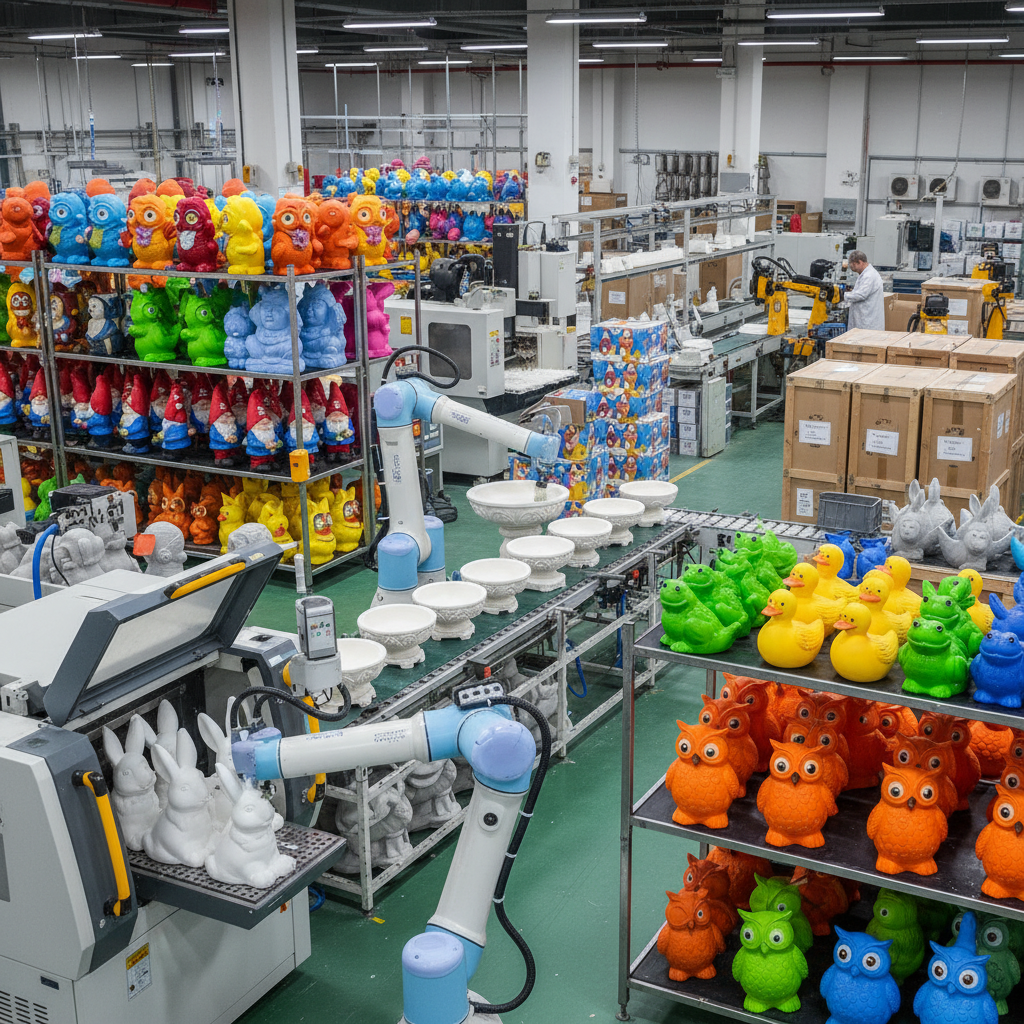
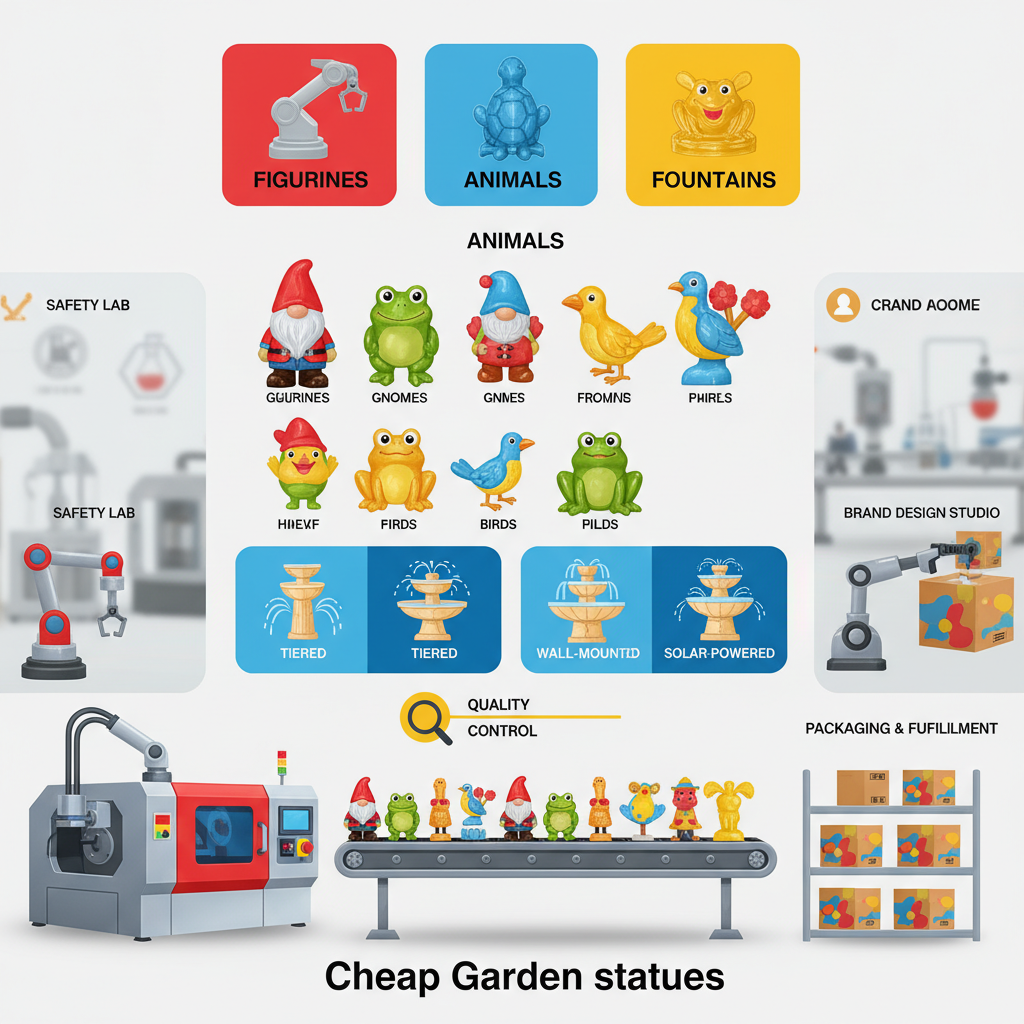
Enhancing an outdoor space often begins with the desire to blend artistic expression with nature, but the high cost of traditional stone or bronze work can be a barrier for many homeowners. The emergence of cheap garden statues has democratized garden art, allowing enthusiasts to incorporate elegance and personality into their landscapes without compromising their budget. By leveraging modern casting techniques and alternative materials, these sculptures provide a visually stunning way to create focal points in a backyard or patio.
Globally, the trend toward "home sanctuary" design has surged, with an increasing number of people investing in their outdoor environments to improve mental well-being. According to industry trends in the decorative arts sector, the demand for affordable outdoor ornaments has grown as residential landscaping shifts toward sustainable and accessible luxury. The challenge lies in finding the balance between a lower price point and the longevity required to withstand harsh weather conditions, a gap that innovative manufacturing is now filling.
Understanding the market for budget-friendly ornaments involves looking beyond the price tag to evaluate material composition and design versatility. Whether it is a classical figure, a modern abstract piece, or a whimsical animal, cheap garden statues offer a scalable solution for everything from small urban balconies to sprawling country estates. This guide explores how to select, maintain, and integrate these pieces to achieve a high-end aesthetic on a modest budget.
Material Selection for Affordable Art
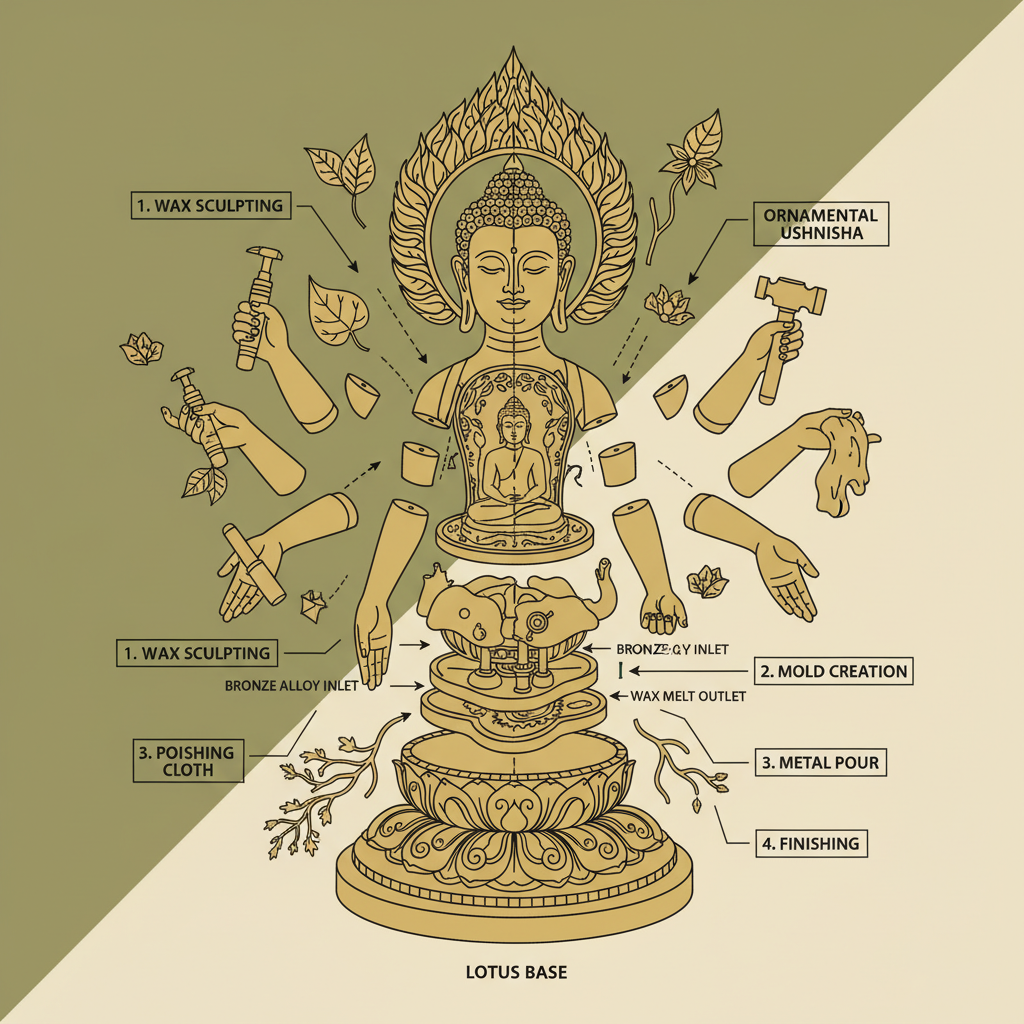
When searching for cheap garden statues, the first consideration is always the material. Resin and fiberglass have become industry favorites because they can mimic the appearance of heavier materials like bronze or marble while remaining lightweight and cost-effective. These polymers are cast from high-detail molds, ensuring that even a budget-friendly piece retains the intricate textures of a hand-carved masterpiece.
Beyond resins, cast iron and reinforced concrete offer a more traditional feel at a fraction of the cost of solid stone. By using composite mixtures, manufacturers can produce durable, weather-resistant pieces that provide the perceived weight and stability of luxury sculptures. This allows homeowners to enjoy the grandeur of a classical garden without the logistical nightmare of transporting multi-ton blocks of marble.
Balancing Cost and Durability
The primary concern for anyone investing in cheap garden statues is whether the lower price point indicates a shorter lifespan. In reality, durability is often more about the protective coating than the core material. Modern UV-resistant sealants and automotive-grade paints prevent fading and cracking, ensuring that a composite statue looks fresh for years.
It is essential to distinguish between "cheap" in terms of price and "cheap" in terms of quality. High-value affordable statues utilize reinforced internal structures—such as steel armatures in fiberglass pieces—to prevent sagging or breaking under pressure. This engineering approach ensures that the art remains a permanent fixture of the landscape rather than a temporary decoration.
Furthermore, the environmental context determines the best value. For instance, in coastal areas with high salt content in the air, a high-quality resin sculpture may actually outlast a cheap metal one that is prone to corrosion. Choosing the right material for the specific microclimate of your garden is the secret to maximizing the long-term value of your investment.
Design Styles for Budget Landscapes
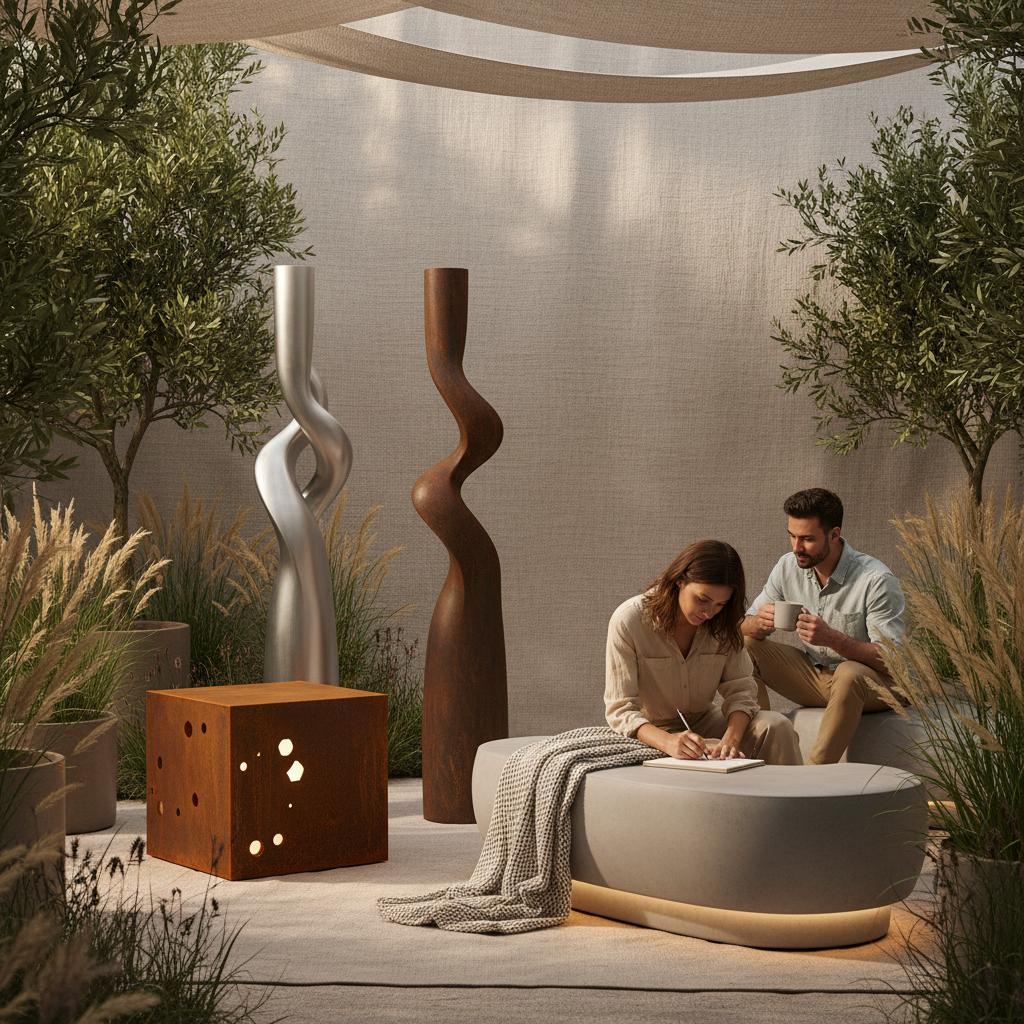
Integrating cheap garden statues into a professional landscape requires a thoughtful approach to style. Minimalist abstract forms are currently trending because they offer a contemporary look that blends seamlessly with modern architecture and low-maintenance xeriscaping. These pieces often use clean lines and geometric shapes, which are easier to produce affordably while maintaining a high-end gallery feel.
For those preferring a traditional aesthetic, classical figures—such as angels, buddhas, or Greek deities—can be sourced as cheap garden statues without losing their spiritual or artistic impact. The key is to focus on proportional accuracy and the quality of the patina. A well-applied faux-bronze finish can make a lightweight sculpture look like an heirloom piece that has been in the family for generations.
Whimsical and animal-themed sculptures provide another accessible route to garden enhancement. From bronze-effect lions to stylized deer, these pieces add a touch of narrative to the outdoors. By grouping several smaller, affordable pieces together rather than investing in one massive monument, you can create a "discovery path" in your garden that encourages exploration and visual interest.
Cost-Benefit Analysis of Materials
When evaluating different options for cheap garden statues, it is helpful to look at the intersection of initial cost, installation effort, and expected longevity. While a plastic statue is the cheapest upfront, the "cost per year of beauty" is often higher than a mid-range fiberglass or cast stone piece.
The following data illustrates how different material choices for affordable statuary rank across key performance metrics, helping buyers make an informed decision based on their specific needs.
Material Value Comparison for Garden Statues
Strategic Placement and Integration
The perceived value of cheap garden statues is significantly boosted by strategic placement. A budget-friendly sculpture placed in a high-contrast area—such as a white statue against deep green boxwood hedges—instantly looks more expensive. Creating a "frame" using natural plants or a dedicated pedestal can elevate a simple piece into a professional focal point.
Lighting also plays a crucial role in the presentation. By installing inexpensive solar-powered spotlights at the base of your statues, you create dramatic shadows and highlights that emphasize the form and texture. This transformation ensures that your affordable art continues to provide visual impact well after the sun has set, adding a layer of luxury to the nocturnal garden.
Long-term Maintenance and Care
To ensure that cheap garden statues retain their luster, a simple maintenance routine is necessary. For resin and fiberglass, a gentle cleaning with mild soap and water twice a year prevents the buildup of algae and grime. Applying a fresh coat of clear UV-protectant spray every few years can stop the colors from fading under intense sunlight.
For cast stone or concrete pieces, the main enemy is the freeze-thaw cycle. In colder climates, it is recommended to either move lightweight statues indoors during winter or apply a hydrophobic sealant that prevents water from penetrating the porous surface. This prevents the internal expansion of ice, which is the primary cause of cracking in affordable masonry.
Lastly, managing the ground stability is key. Ensuring that your statues are placed on a level, well-drained base—such as a paving stone or a gravel bed—prevents them from leaning or sinking into the soil. A stable foundation not only preserves the physical integrity of the statue but also maintains the intended visual composition of your garden.
Future Trends in Garden Ornamentation
The industry for cheap garden statues is currently being revolutionized by 3D printing and sustainable materials. We are seeing a shift toward biodegradable polymers and recycled ocean plastics that can be printed into complex, bespoke shapes. This technology allows for mass customization, meaning homeowners can order a budget-friendly piece that is tailored to their specific space.
Furthermore, "smart" ornaments are on the rise. Some affordable sculptures are now being integrated with subtle LED technology or solar-powered water features, blending the line between a static statue and a functional garden element. This fusion of art and utility increases the value proposition for consumers who want more than just a visual ornament.
The move toward "green" manufacturing is also reducing costs. By utilizing local materials and reducing shipping distances through modular designs, the price of high-quality garden art continues to drop. This ensures that beauty and artistic expression remain accessible to all, regardless of economic standing.
Comparison of Future Material Trends in Affordable Statuary
| Material Type |
Eco-Friendliness |
Production Cost |
Estimated Lifespan |
| Recycled Plastic |
High |
Low |
10-15 Years |
| 3D Printed Bio-Polymer |
Very High |
Medium |
5-10 Years |
| Advanced Fiberglass |
Medium |
Low |
20+ Years |
| Composite Stone |
Medium |
Medium |
25+ Years |
| Eco-Concrete |
High |
Low |
30+ Years |
| Alloy Composites |
Medium |
Medium |
20+ Years |
FAQS
Look for terms like "UV-resistant," "reinforced fiberglass," or "weather-sealed." Check the weight—while lightweight is convenient, a slight heft often indicates a denser, more durable material. Additionally, read reviews specifically mentioning how the piece held up after a winter season; if the paint didn't peel and the structure didn't crack, it is a reliable choice.
It depends on your goals. Resin is better for intricate detail, ease of movement, and initial cost. Concrete is better for permanent installations, wind resistance, and a more natural, heavy feel. If you move your decor frequently, resin is the winner; if you want a timeless, immovable piece, go with composite concrete.
The secret is in the presentation. Place your statue on a pedestal or a raised stone plinth. Surround it with manicured plants or a circle of river stones to create a dedicated "gallery" space. Finally, add a small solar spotlight to create professional-grade lighting that emphasizes the sculpture's form at night.
Yes, most budget statues can be refreshed. For resin or plastic, use a primer specifically for plastics followed by an outdoor acrylic paint. For cast stone, a masonry primer and exterior paint work best. Always finish with a clear, UV-resistant sealant to protect your hard work from the elements.
Place statues at the end of a visual axis—such as the end of a path or centered in a garden bed—to draw the eye. Using them as "punctuation marks" in your landscaping helps define different areas of the garden. Avoid placing them in overly cluttered areas where they might blend into the background.
Absolutely. Many manufacturers use cold-cast bronze, which is a mixture of real bronze powder and resin. This provides the exact look, feel, and weight of bronze but at a fraction of the cost of a solid cast piece. It's an excellent way to get the luxury aesthetic without the luxury price tag.
Conclusion
Integrating cheap garden statues into your outdoor space is not about settling for less, but about making smart, strategic choices. By focusing on material science, understanding the balance between cost and longevity, and employing professional placement techniques, anyone can transform a standard yard into an artistic retreat. From the modern appeal of fiberglass abstracts to the timeless grace of composite classical figures, affordable art provides a bridge between luxury and accessibility.
As technology continues to evolve with 3D printing and sustainable materials, the future of garden ornamentation looks more inclusive and environmentally friendly. We encourage homeowners to experiment with different styles and placements to discover what truly resonates with their personal taste. For those ready to elevate their landscape with high-quality, budget-friendly options, explore our extensive collection today. Visit our website: www.firststatue.com