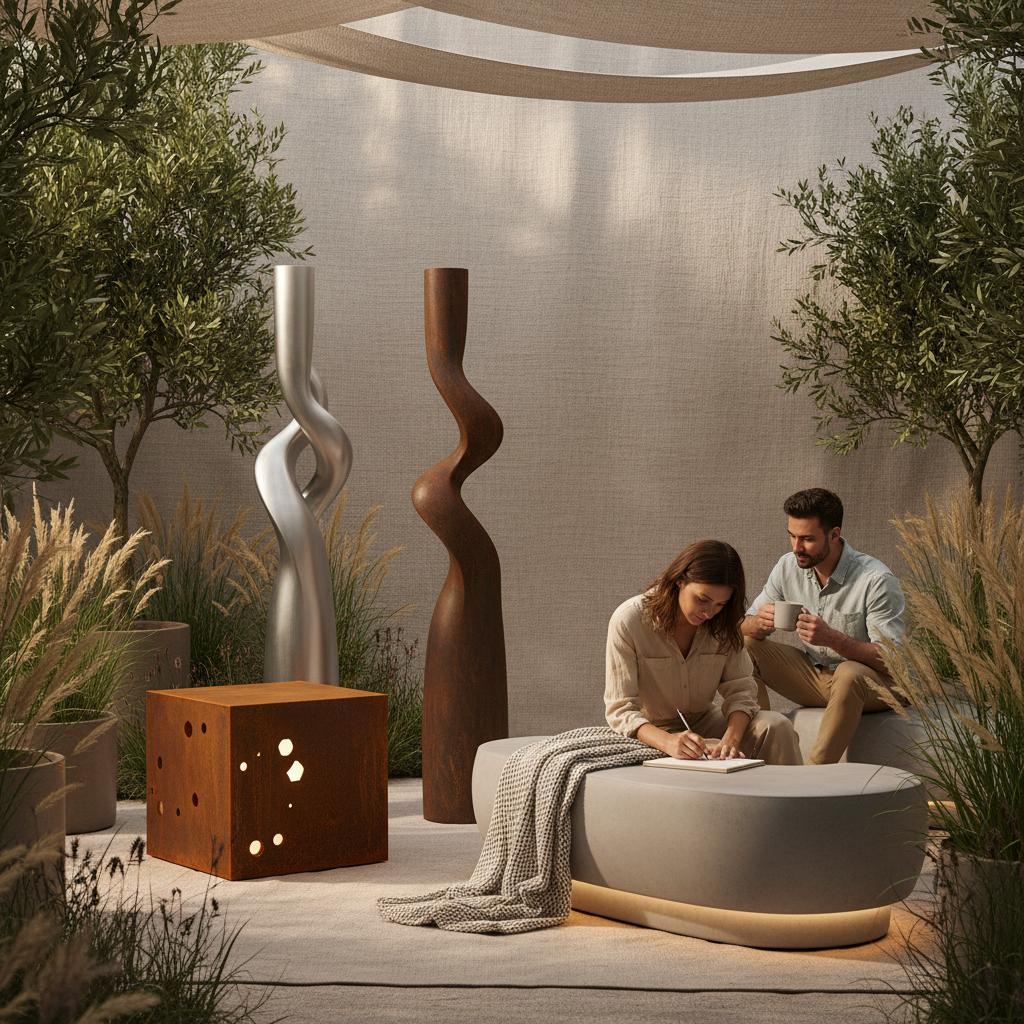
Integrating modern garden sculptures into a contemporary landscape is more than a mere design choice; it is an investment in the emotional and aesthetic value of a living space. By blending avant-garde forms with natural surroundings, these art pieces serve as focal points that evoke contemplation, balance, and a sense of sophisticated luxury.
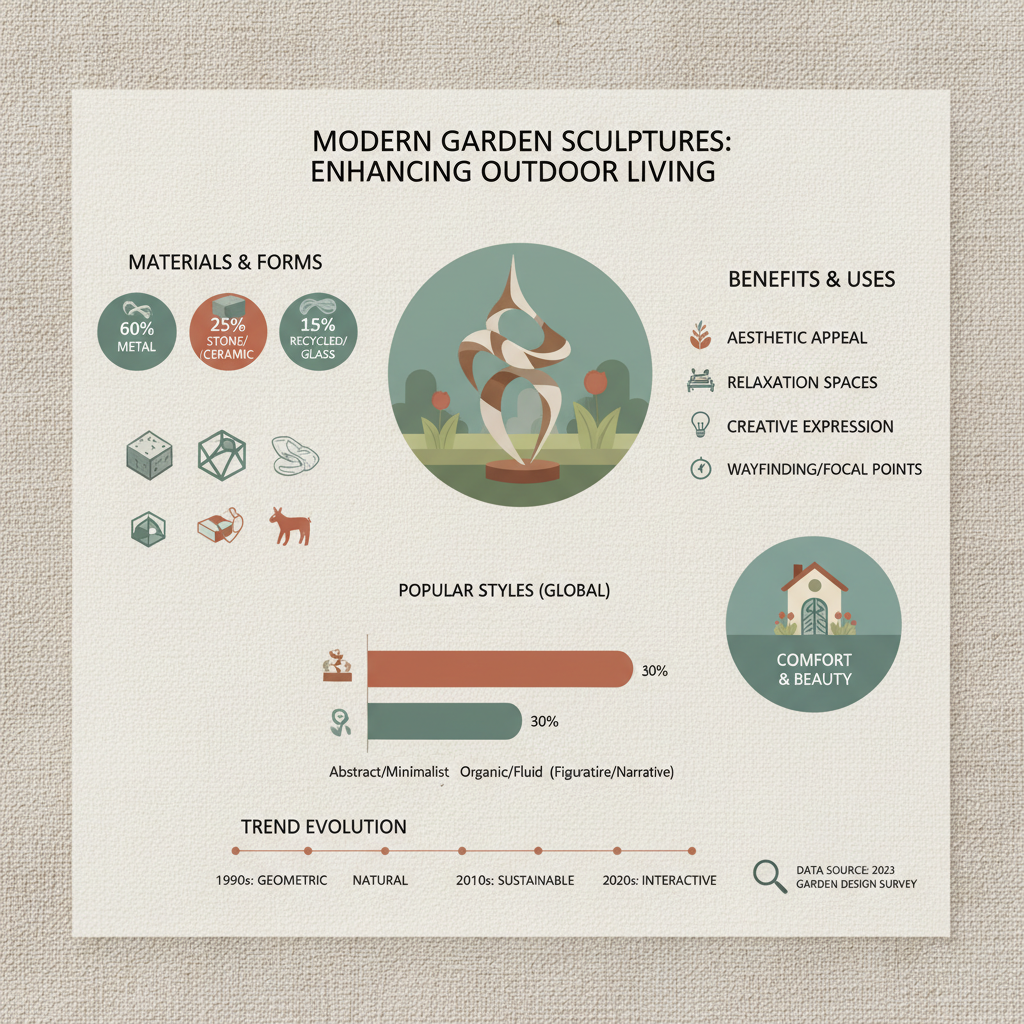
Across the globe, the trend toward outdoor living has accelerated, driving a surge in the demand for high-quality sculptural art. From minimalist stainless steel arcs to bold abstract bronze figures, the versatility of these installations allows homeowners and urban planners to express individuality while enhancing the architectural harmony of their environment.
Understanding the intersection of material science and artistic vision is crucial for anyone looking to elevate their garden. Whether the goal is to create a serene sanctuary or a bold statement of modernity, selecting the right sculptural elements requires a deep dive into durability, style, and the psychological impact of spatial art.
Global Context of Modern Garden Sculptures
In the current global market, the integration of art into urban and residential green spaces has become a hallmark of high-end living. Industry reports indicate a significant rise in the "outdoor luxury" sector, with a growing preference for modern garden sculptures that utilize industrial-grade materials like Corten steel and marine-grade stainless steel to withstand diverse climatic conditions.
The challenge often lies in balancing artistic expression with environmental resilience. As cities expand and private gardens become vital retreats for mental well-being, the demand for sculptures that provide a "zen" experience while adhering to strict safety and installation standards has never been higher.
Defining Modern Garden Sculptures and Industrial Art
At its core, modern garden sculptures refer to three-dimensional artworks designed for outdoor placement, characterized by a departure from traditional realism toward abstraction, geometric exploration, and conceptual storytelling. Unlike classical statuary, modern pieces focus on the interplay between light, shadow, and the surrounding organic environment.
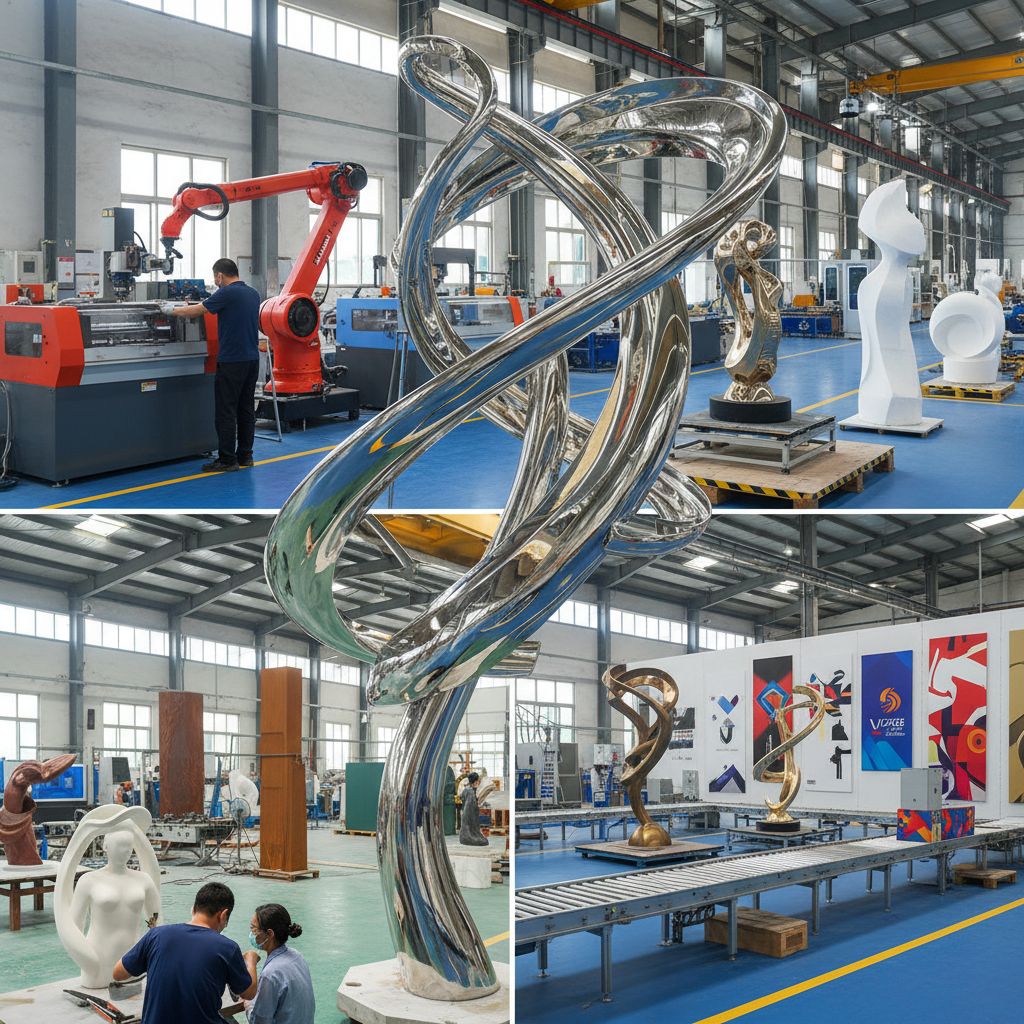
From an industrial perspective, these works are the result of a sophisticated synergy between fine art and precision engineering. The use of CNC milling, 3D modeling, and advanced casting techniques allows for the creation of complex forms that were previously impossible, bridging the gap between humanitarian artistic needs and industrial scalability.
Essentially, these sculptures transform a static outdoor area into a dynamic gallery. By utilizing materials such as bronze, marble, or fiberglass, they address the human need for beauty and inspiration within the built environment, turning a simple backyard into a curated space of reflection.
Core Components for Selecting Outdoor Art
The first critical factor in choosing modern garden sculptures is Material Compatibility. Depending on the humidity and salt levels of the region, one might choose between the timeless patina of bronze or the sleek, corrosion-resistant finish of stainless steel to ensure the work remains pristine over decades.
Scalability and Proportion play a vital role in the spatial impact. A sculpture that is too small may get lost in a sprawling landscape, while an oversized piece can overwhelm a cozy courtyard. Professional designers often use the "Rule of Thirds" to position modern garden sculptures so they guide the viewer's eye naturally through the garden.
Finally, the Conceptual Alignment ensures the sculpture resonates with the overall architecture. Whether it is a minimalist abstract piece for a mid-century modern home or a grand bronze figure for a classical estate, the art must speak the same visual language as the surrounding structure to create a cohesive aesthetic experience.
Material Performance and Durability Metrics
When evaluating the longevity of outdoor art, we must look at the technical specifications of the media used. Bronze, for instance, is prized for its ability to develop a natural patina that protects the underlying metal, while Corten steel is specifically engineered to form a stable, rust-like appearance that inhibits further corrosion.
To provide a clearer understanding of how different materials perform in the context of modern garden sculptures, we have analyzed key performance indicators including weather resistance, maintenance requirements, and visual impact.
Material Performance Rating for Modern Garden Sculptures
Global Applications and Creative Use Cases
In corporate environments, modern garden sculptures are frequently used to project an image of innovation and stability. Large-scale abstract stainless steel installations in the plazas of tech hubs in Silicon Valley or financial districts in London serve as landmarks that define the identity of the organization.
In residential contexts, these pieces are often integrated into "healing gardens" or private meditation retreats. For example, in luxury villas across the Mediterranean, the use of marble abstract sculptures paired with water features creates a sensory experience that promotes tranquility and mental clarity for the residents.
Long-term Value and Sustainable Aesthetics
Investing in high-quality sculptural art provides a tangible increase in property value. Because these pieces are often unique or limited editions, they transition from being simple decorations to appreciating assets. The logical angle here is the permanence of the material; a well-cast bronze statue does not degrade like plastic or wood, ensuring that the investment lasts for generations.
Beyond the financial gain, there is a profound emotional value. The presence of art in a garden encourages a slower pace of life and a deeper connection with nature. By choosing sustainable materials and ethical manufacturing processes, owners can align their aesthetic desires with a commitment to environmental responsibility.
Furthermore, the reliability of professional industrial casting ensures that these works can withstand extreme weather, from the freezing winters of Northern Europe to the humid tropics of Southeast Asia, maintaining their structural integrity and visual appeal without constant costly repairs.
Future Trends in Sculptural Innovation
The future of modern garden sculptures is being shaped by the digital transformation of art. We are seeing the rise of "generative design," where algorithms create complex organic shapes that are then realized through 3D metal printing, allowing for a level of intricacy that hand-carving cannot achieve.
Sustainability is also driving material innovation. The industry is moving toward the use of recycled metals and eco-friendly resins, reducing the carbon footprint of large-scale installations. Additionally, the integration of smart technology—such as solar-powered LED lighting embedded within the sculpture—is transforming static pieces into interactive nighttime experiences.
As the boundary between the digital and physical worlds blurs, we expect to see more "kinetic sculptures" that respond to wind or touch, bringing a sense of life and movement to the garden that complements the natural growth of the surrounding flora.
Comparative Analysis of Modern Sculpture Material Trends
| Material Type |
Maintenance Level |
Est. Lifespan |
Visual Style |
| Cast Bronze |
Very Low |
100+ Years |
Classic/Timeless |
| Stainless Steel |
Low |
50+ Years |
Futuristic/Sleek |
| Corten Steel |
None |
40+ Years |
Industrial/Rustic |
| White Marble |
Medium |
80+ Years |
Pure/Elegant |
| Fiberglass |
Medium |
15-25 Years |
Colorful/Versatile |
| Cast Iron |
Medium |
60+ Years |
Bold/Heavy |
FAQS
For coastal environments, marine-grade stainless steel (316L) or high-quality bronze are the best choices. Stainless steel offers exceptional resistance to salt-air corrosion, while bronze develops a protective patina that prevents deep degradation, ensuring the artwork survives the harsh maritime climate without losing its structural integrity.
The ideal size depends on the "negative space" of your garden. As a rule of thumb, the sculpture should not occupy more than 10-15% of the immediate viewing area to avoid overwhelming the space. We recommend sketching the layout or using augmented reality tools to visualize the scale before finalizing the purchase.
Yes, especially for large-scale metal or stone pieces. Professional installation ensures the artwork is properly anchored to a concrete pad or reinforced base, preventing tipping due to wind or ground shifts. This is critical for safety and for preserving the sculpture's long-term alignment.
Absolutely. Most professional studios offer bespoke services where you can collaborate with an artist to determine the form, material, and finish. Whether you need a specific abstract shape to match your architecture or a customized bronze figure, custom fabrication allows the art to be perfectly tailored to your vision.
Maintenance varies by material. Stainless steel may need a simple rinse every few months to remove dust. Bronze may require an occasional wax coating every 1-2 years to maintain its luster. Marble might need a gentle cleaning with pH-neutral soap to prevent organic growth like lichen or moss.
Neither is objectively "better"; it depends on the mood you wish to create. Abstract sculptures are excellent for evoking curiosity and blending with nature, whereas figurative sculptures (like bronze animals or humans) provide a clear narrative and a strong, traditional focal point. Many modern landscapes successfully mix both.
Conclusion
Integrating modern garden sculptures into an outdoor space is a sophisticated blend of art, engineering, and landscape design. By carefully considering material durability, spatial proportions, and conceptual alignment, you can transform a standard garden into a timeless sanctuary that enhances both property value and personal well-being.
As we look toward a future of sustainable materials and generative design, the role of outdoor art will only grow in significance. We encourage homeowners and designers to experiment with bold forms and durable metals to create spaces that inspire and endure. Explore our full collection of premium installations and find the perfect piece for your landscape. Visit our website: www.firststatue.com