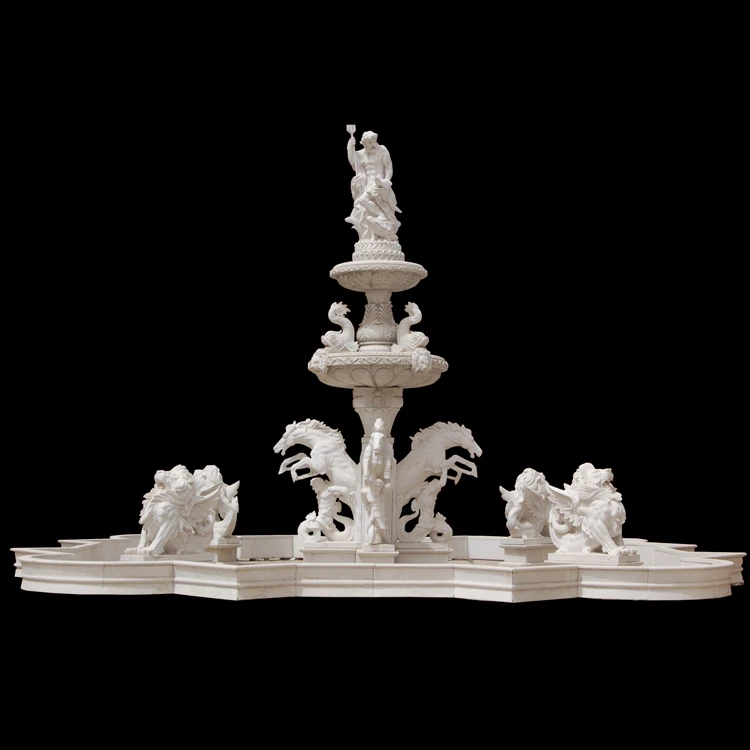
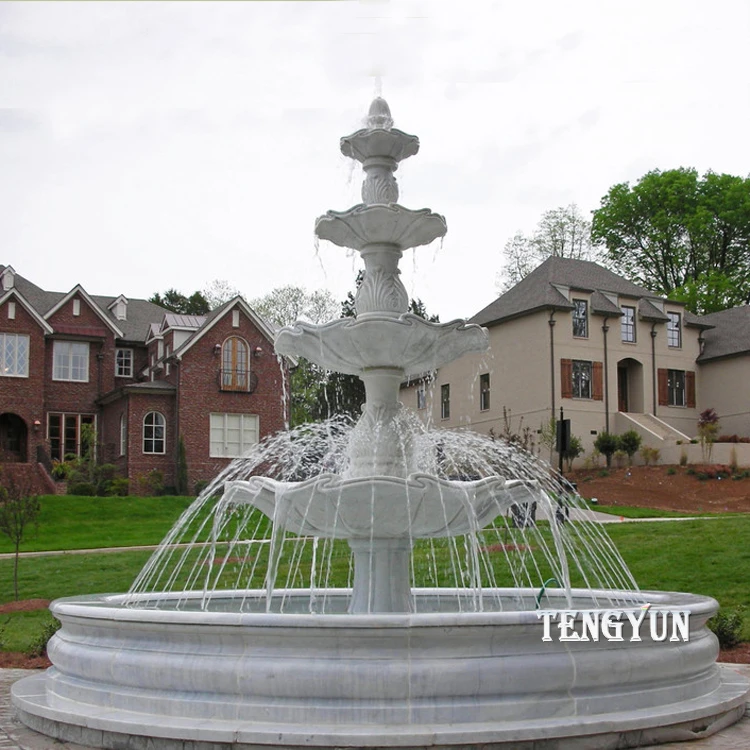
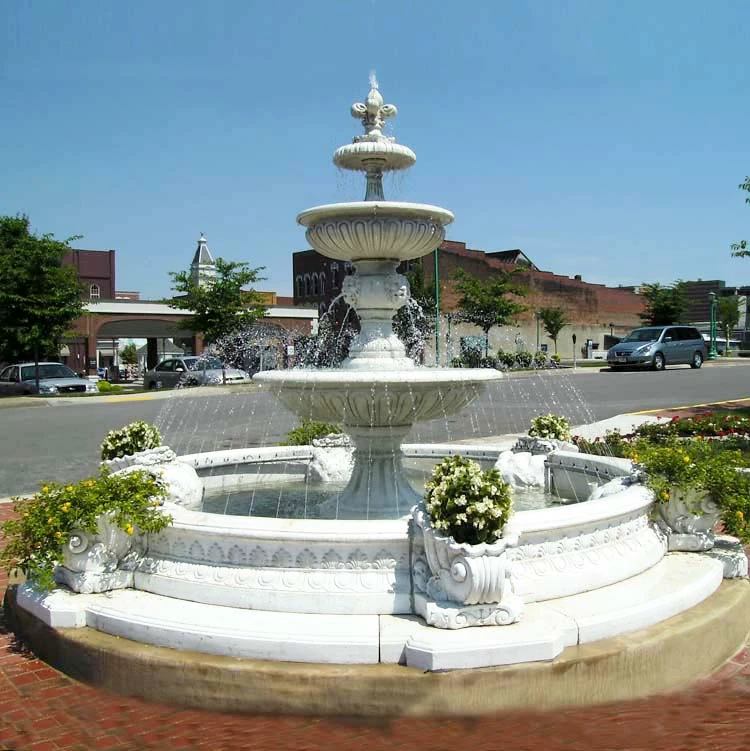
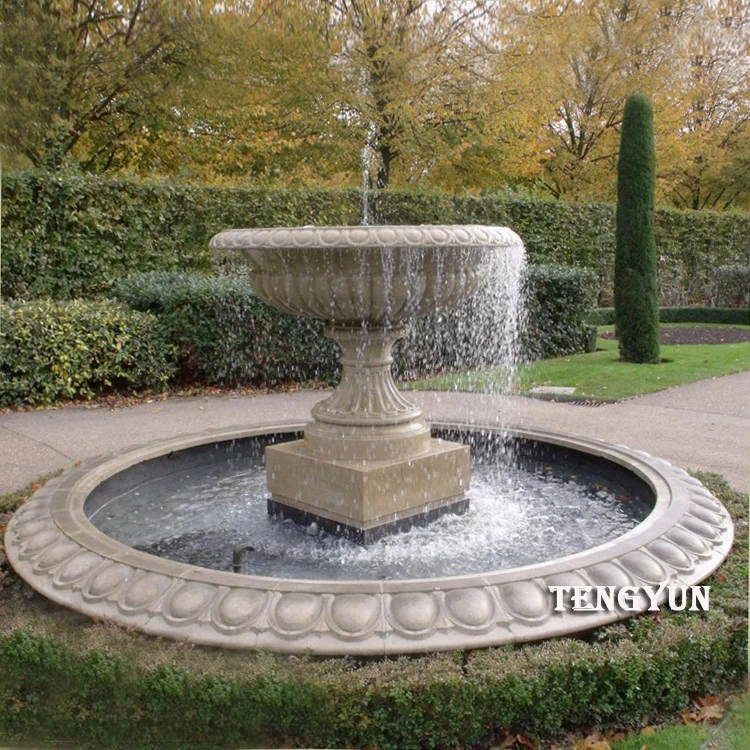
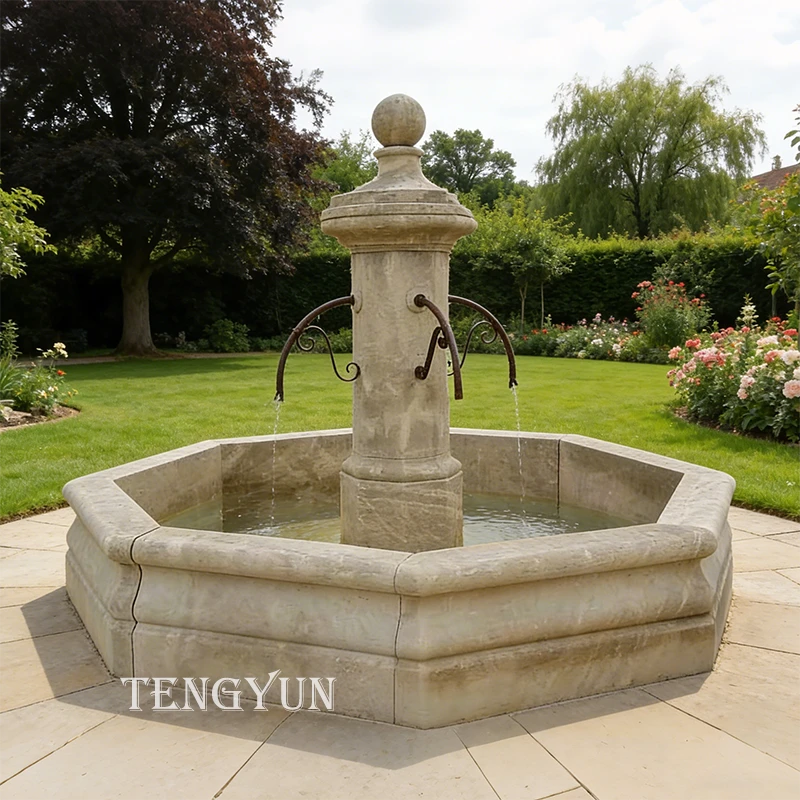
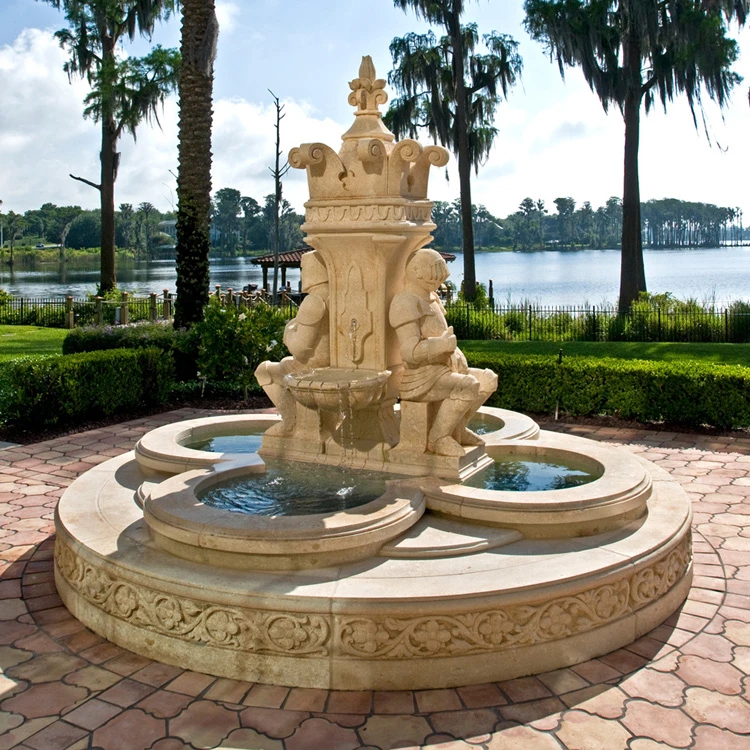
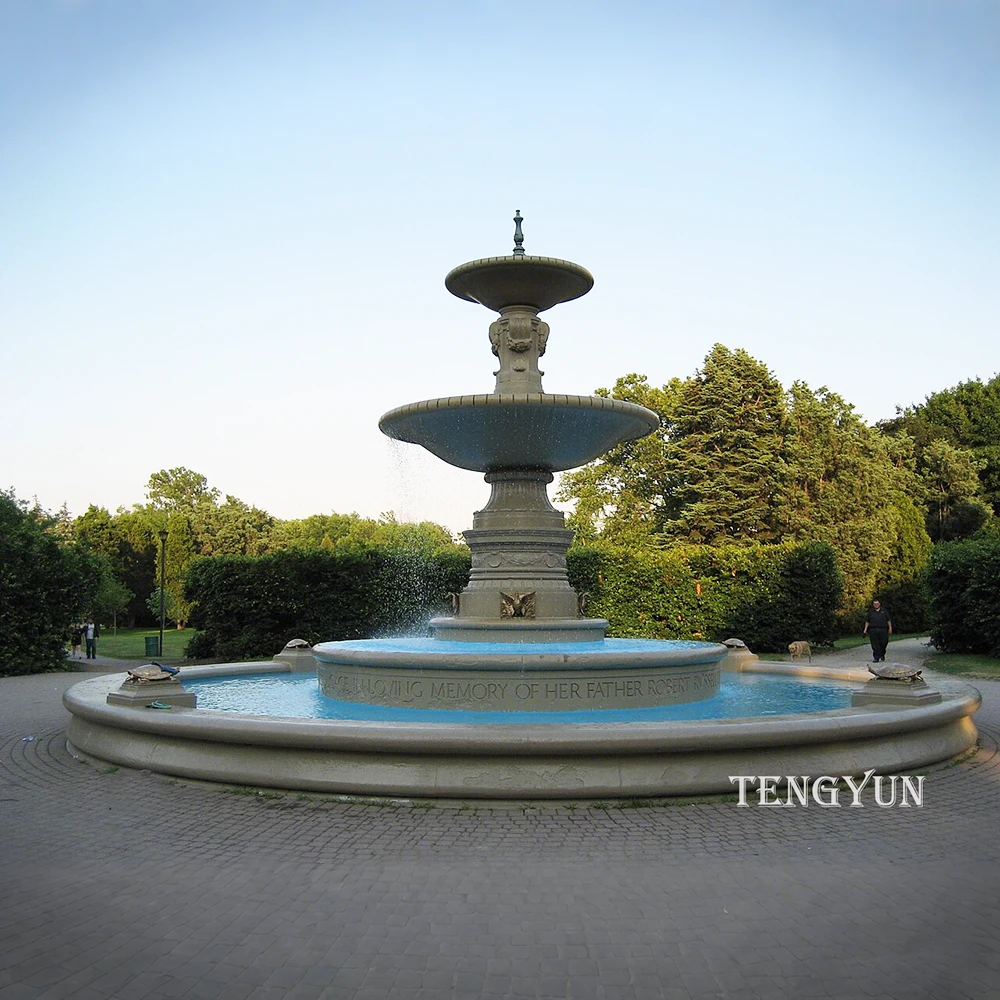
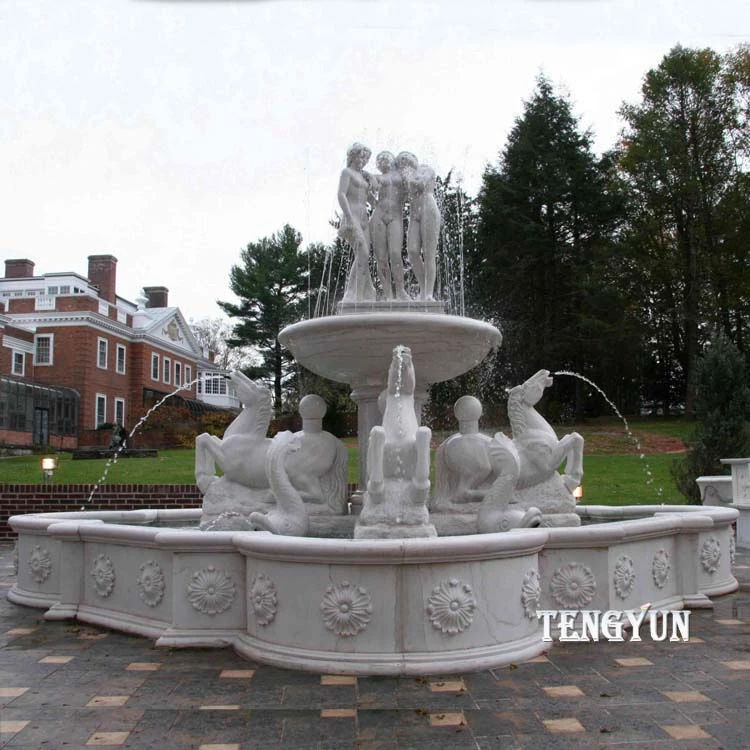
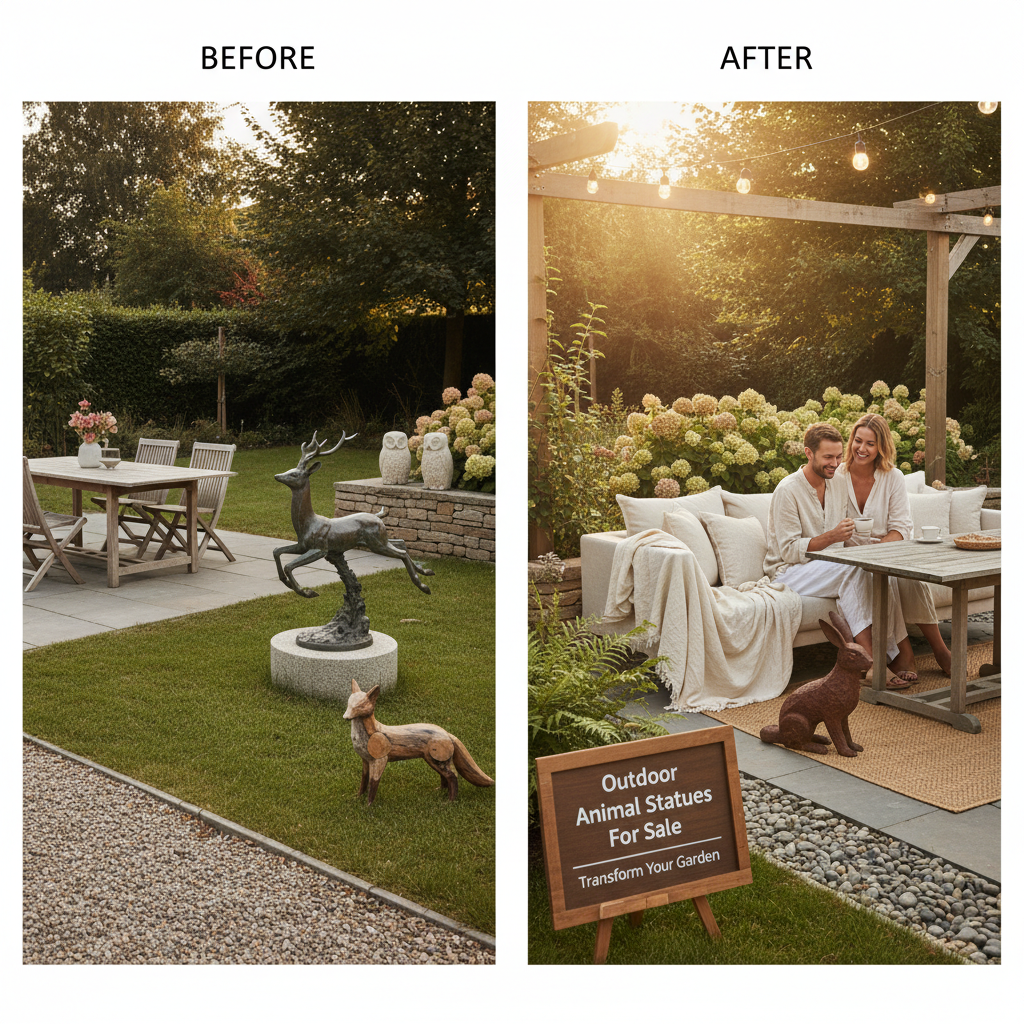
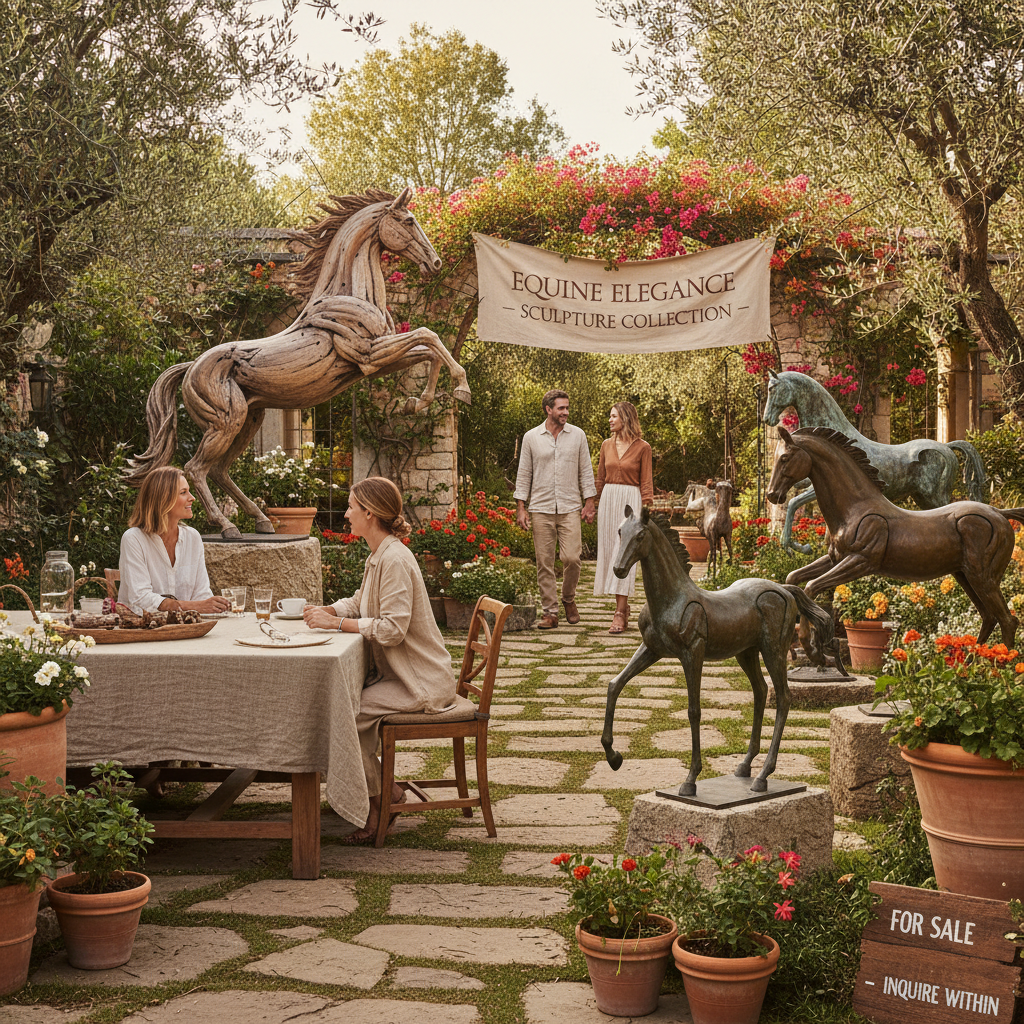
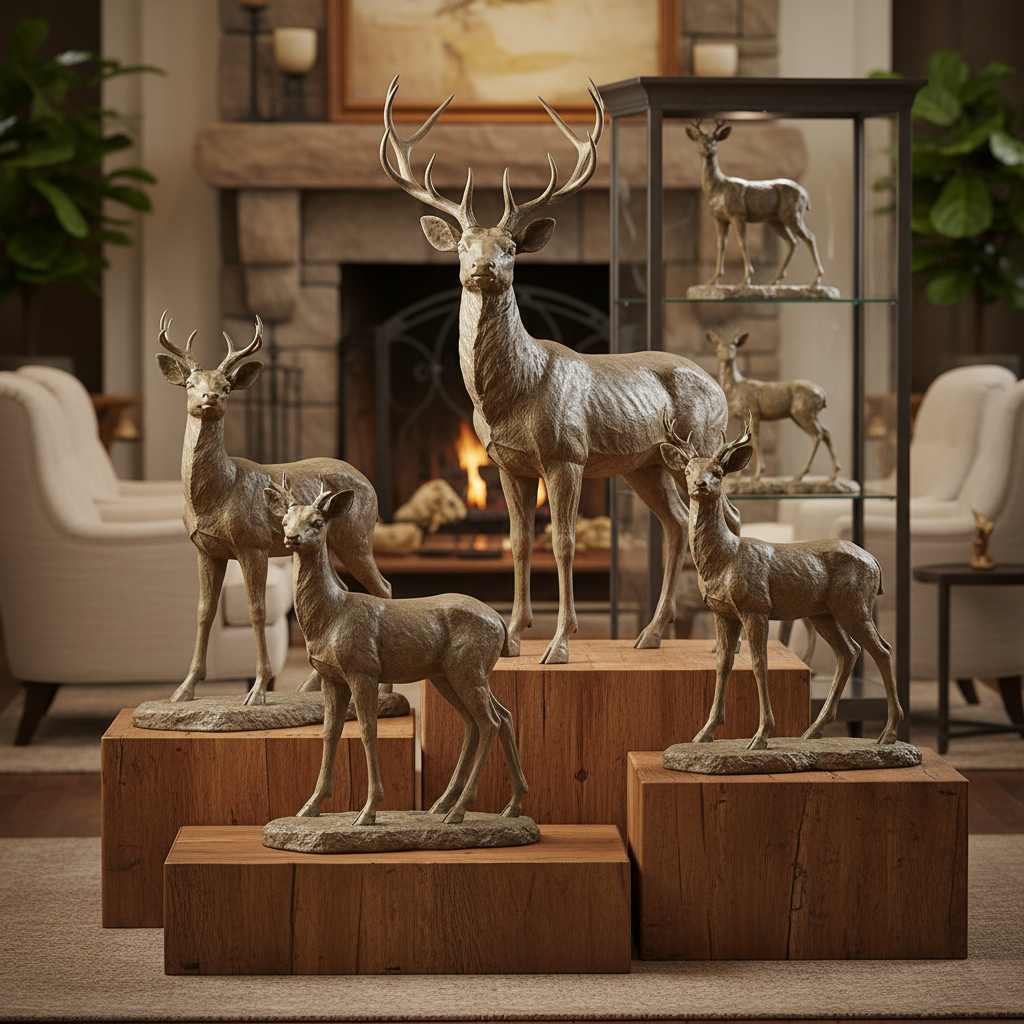
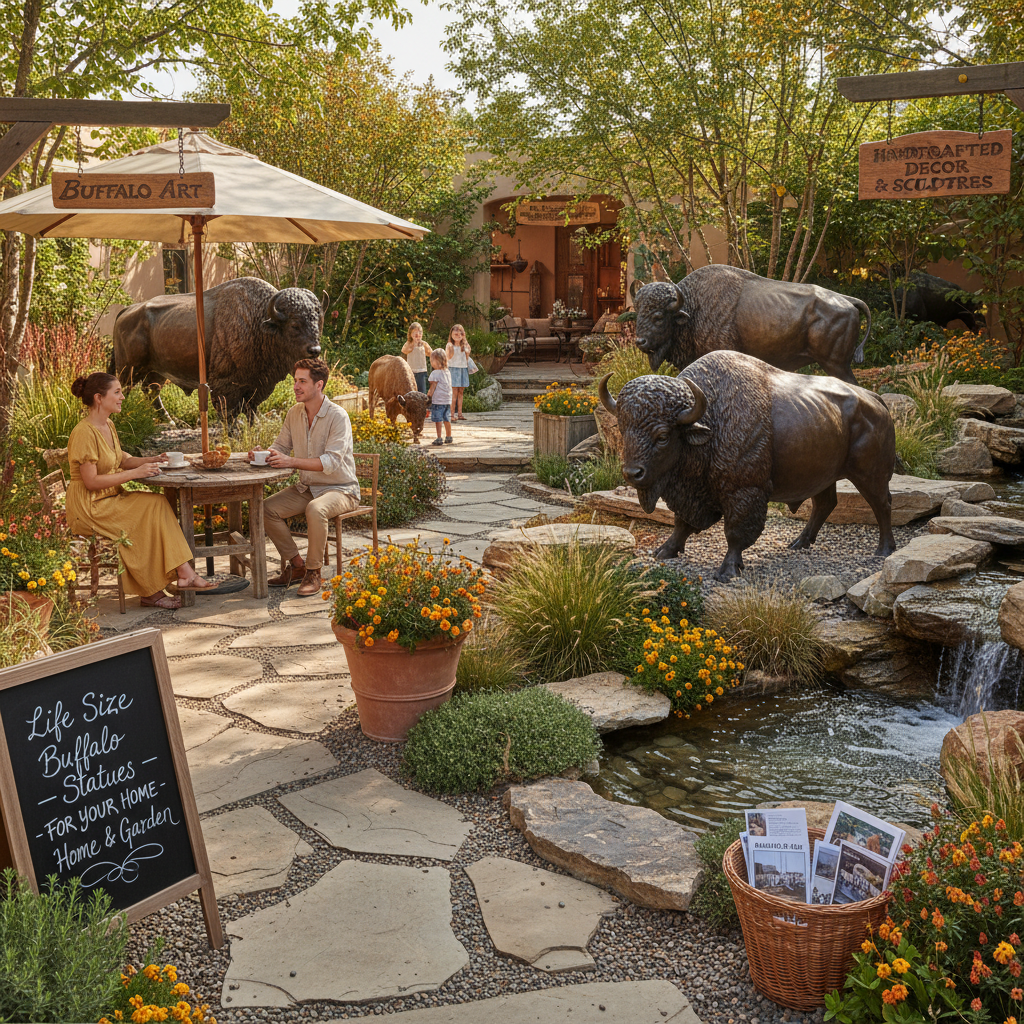
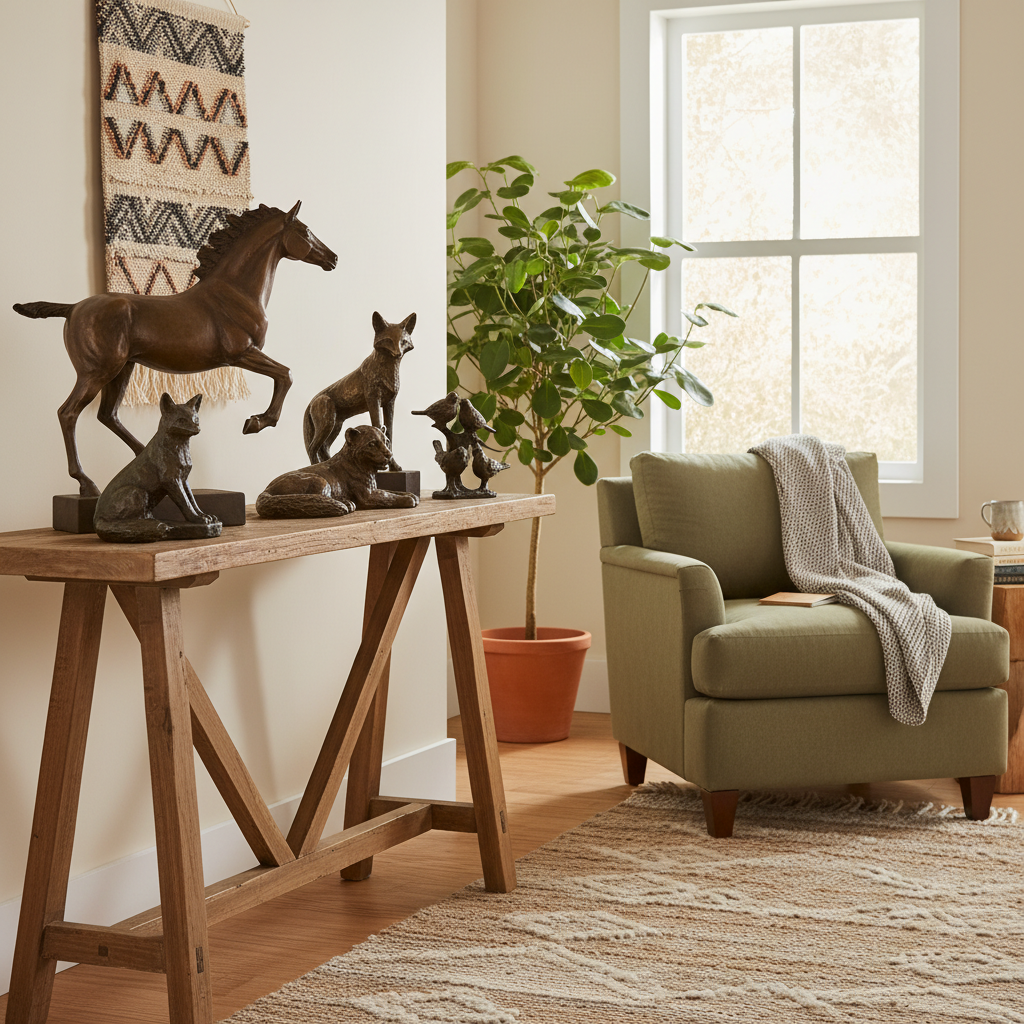
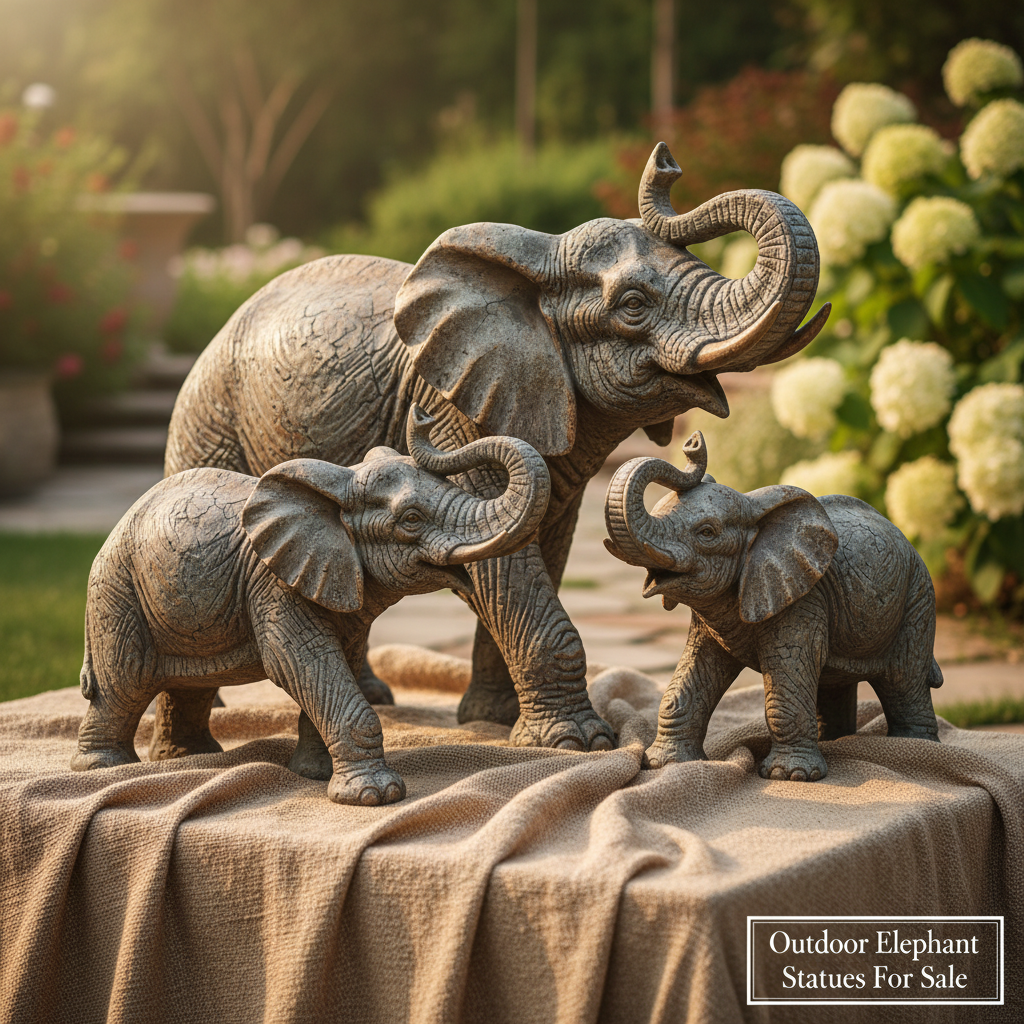
Garden sculptures have transcended mere decoration, evolving into powerful expressions of art, culture, and personal identity. Their presence enriches outdoor spaces, fostering tranquility and aesthetic appeal. Globally, the demand for high-quality garden sculptures is steadily increasing, driven by rising disposable incomes, urbanization, and a growing appreciation for outdoor living. This trend fuels a vibrant industry encompassing artists, manufacturers, and retailers, all contributing to the creation and distribution of these captivating works.
The significance of garden sculptures lies not only in their visual beauty but also in their ability to connect us with history, mythology, and the natural world. From ancient Roman statues unearthed in gardens to contemporary abstract pieces, these sculptures tell stories and evoke emotions. The market for garden sculptures reflects a broader cultural shift toward seeking experiences and objects that enhance well-being and create a sense of place.
Understanding the nuances of garden sculptures – their materials, styles, and historical contexts – empowers individuals to curate outdoor spaces that truly reflect their tastes and values. For businesses, it unlocks opportunities for innovation and sustainable growth within a thriving and increasingly sophisticated market. Investing in quality garden sculptures is investing in lasting beauty and enduring value.
The Global Significance of Garden Sculptures
The creation and appreciation of garden sculptures boast a rich history, dating back to ancient civilizations like Egypt, Greece, and Rome. These early cultures utilized sculptures to adorn their gardens, representing deities, mythological figures, and symbols of power. Today, this tradition continues worldwide, with significant markets in Europe, North America, and Asia. According to a 2023 report by the World Art Market, outdoor sculpture sales comprised 15% of the total global sculpture market, indicating substantial demand.
However, challenges remain. The sourcing of sustainable materials, the preservation of artistic integrity amidst mass production, and equitable access to art for all communities are ongoing concerns. Addressing these issues requires collaboration between artists, manufacturers, policymakers, and consumers to ensure the future of garden sculptures is both beautiful and responsible. You can find many unique pieces to enhance your garden at garden sculptures .
Defining Garden Sculptures
Garden sculptures are three-dimensional artistic works designed to be displayed in outdoor environments, typically within gardens, parks, or landscapes. They encompass a vast range of styles, materials, and sizes, from small, delicate figurines to monumental installations. Unlike indoor sculptures, garden sculptures must withstand the elements – sun, rain, wind, and temperature fluctuations – requiring durable materials and careful craftsmanship.
The connection to modern industry lies in the increasing demand for outdoor living spaces and the recognition of the aesthetic and psychological benefits of integrating art into nature. Manufacturers are utilizing innovative techniques and materials, such as weather-resistant polymers and sustainable metals, to create sculptures that are both beautiful and long-lasting.
This reflects a wider trend towards ‘biophilic design’ – incorporating natural elements into built environments to improve human well-being. Garden sculptures contribute to this by creating visual focal points, enhancing sensory experiences, and fostering a connection to the natural world.
Key Materials in Garden Sculpture Creation
The choice of material is paramount in garden sculpture creation, influencing not only aesthetics but also durability and maintenance requirements. Traditional materials like bronze, marble, and granite have long been favored for their strength, timeless beauty, and resistance to weathering. Bronze, for instance, develops a protective patina over time, enhancing its visual appeal and longevity.
However, contemporary artists and manufacturers are increasingly exploring alternative materials such as stainless steel, corten steel, resin, and recycled plastics. Stainless steel offers excellent corrosion resistance and a sleek, modern aesthetic. Corten steel, known for its rustic, weathered appearance, forms a protective layer of rust, eliminating the need for painting. Resins allow for intricate designs and vibrant colors, while recycled plastics contribute to sustainable practices.
The suitability of a material depends on the sculpture’s design, the intended environment, and the client’s budget. Factors like salt spray exposure (for coastal gardens) and local climate conditions must also be considered to ensure the sculpture's long-term preservation. Selecting the appropriate material is a critical step in creating a garden sculpture that will endure and delight for years to come.
Longevity and Weather Resistance of Garden Sculptures
The ability of garden sculptures to withstand the elements is crucial. Different materials exhibit varying levels of weather resistance. Bronze, while durable, can develop verdigris (a greenish patina) in humid environments, though many consider this aesthetically pleasing. Marble and granite are highly resistant to weathering but can be susceptible to acid rain in certain areas.
Proper installation and maintenance are also essential for extending the lifespan of garden sculptures. Ensuring adequate drainage, protecting the sculpture from direct exposure to harsh winds, and applying protective coatings can significantly enhance its resilience.
Weather Resistance Ratings of Common Garden Sculpture Materials
Global Applications of Garden Sculptures
Garden sculptures find application across a diverse range of settings, from private residences and public parks to botanical gardens and corporate landscapes. In Europe, classical sculptures are often integrated into formal gardens, reflecting centuries of artistic tradition. In Japan, stone lanterns and minimalist sculptures are integral components of Zen gardens, promoting contemplation and tranquility.
North America increasingly embraces contemporary sculptural forms, using them to create dynamic and visually arresting outdoor spaces. Hotels and resorts frequently employ garden sculptures to enhance guest experiences and create memorable environments. garden sculptures are a popular feature in luxury outdoor design.
Advantages and Long-Term Value
Investing in garden sculptures offers numerous advantages, extending beyond mere aesthetic appeal. High-quality sculptures can significantly increase property value, adding a touch of sophistication and exclusivity. They also provide a lasting source of enjoyment, enriching the outdoor experience for homeowners and visitors alike.
From a sustainability perspective, durable sculptures crafted from long-lasting materials represent a responsible investment, reducing the need for frequent replacements. Moreover, supporting artists and manufacturers who prioritize ethical and environmentally friendly practices contributes to a more sustainable art market.
The emotional impact of garden sculptures should not be underestimated. These works of art can evoke feelings of peace, joy, and inspiration, creating a more welcoming and harmonious environment. They also serve as conversation starters, fostering social interaction and a sense of community.
Future Trends in Garden Sculpture Design
The future of garden sculpture design is poised for exciting innovation, driven by advancements in materials science, digital technologies, and a growing emphasis on sustainability. We are likely to see increased use of bio-based materials, such as mycelium (mushroom root) composites, offering eco-friendly alternatives to traditional materials.
Digital fabrication techniques, like 3D printing, will enable artists to create intricate and customized sculptures with unprecedented precision. Augmented reality (AR) applications could allow viewers to virtually “place” sculptures in their gardens before making a purchase, enhancing the buying experience.
Furthermore, there's a growing trend towards interactive sculptures that respond to their environment or engage with viewers through sensors and programmed movements. This convergence of art, technology, and nature promises to redefine the possibilities of garden sculpture.
Summary of Key Trends in Garden Sculpture Design
| Material Innovation |
Digital Fabrication |
Interactive Elements |
Sustainability Focus |
| Bio-based polymers |
3D Printing |
Sensor Integration |
Recycled Materials |
| Mycelium Composites |
CNC Milling |
Kinetic Sculptures |
Locally Sourced Stone |
| Reclaimed Wood |
Laser Cutting |
Light Projections |
Reduced Carbon Footprint |
| Bamboo Structures |
Robotic Assembly |
Sound Reactive Elements |
Waste Reduction |
| Algae-Based Plastics |
Generative Design |
AR/VR Integration |
Circular Economy Principles |
| Hemp Composites |
Parametric Modeling |
Touch-Sensitive Surfaces |
Ethical Sourcing |
FAQS
For long-lasting outdoor garden sculptures, bronze, stainless steel, and granite are excellent choices. Bronze develops a protective patina over time, stainless steel is highly corrosion-resistant, and granite is incredibly durable and weather-resistant. Corten steel is also a good option, forming a rust layer that protects the underlying metal. Proper maintenance, like cleaning and protective coatings, will further extend their lifespan.
Bronze garden sculptures require periodic cleaning to preserve their beauty. Gently wash the sculpture with mild soap and water, using a soft brush to remove dirt and grime. Avoid abrasive cleaners, which can damage the patina. For stubborn stains, a specialized bronze cleaner can be used, following the manufacturer’s instructions. Waxing the sculpture annually will help protect it from the elements.
Resin garden sculptures can be suitable for various climates, but their durability depends on the type of resin used. High-quality, UV-resistant resins are more durable and can withstand prolonged sun exposure without fading or cracking. In colder climates, ensure the resin is frost-resistant to prevent damage from freezing temperatures. Consider bringing resin sculptures indoors during harsh winter months for added protection.
Consider the sculpture's size, style, and the surrounding landscape when choosing its placement. Ensure adequate space around the sculpture for viewing and appreciation. Consider the sun's path to avoid direct glare or excessive heat exposure. Also, factor in the backdrop – a natural setting like trees or shrubs can enhance the sculpture's beauty. Proper foundation and support are crucial for stability.
Many garden sculptures can withstand cold climates, but some materials require extra care. Stone and bronze sculptures are generally very durable, but water can cause damage if it freezes inside cracks. Resin sculptures may be susceptible to cracking in extreme cold. It’s best to protect vulnerable sculptures by covering them or bringing them indoors during the harshest winter months. Ensure proper drainage to prevent water accumulation.
Protecting garden sculptures from theft or vandalism requires a multi-faceted approach. Secure the sculpture to a solid foundation using tamper-proof fasteners. Consider installing security cameras or motion-activated lighting in the area. For valuable sculptures, explore insurance options. Placing sculptures in well-lit, visible areas can also deter potential thieves or vandals.
Conclusion
Garden sculptures represent a harmonious blend of art, nature, and human expression. Their enduring appeal stems from their ability to transform outdoor spaces, evoke emotions, and connect us with cultural heritage. From the selection of materials to the creative process and the final installation, garden sculptures embody craftsmanship, innovation, and a deep appreciation for beauty.
As we look to the future, the integration of sustainable materials, digital technologies, and interactive elements promises to redefine the possibilities of garden sculpture design. Investing in garden sculptures is not merely acquiring decorative objects; it is investing in lasting artistry, enhanced well-being, and a more beautiful world. Explore our collection of exquisite garden sculptures at garden sculptures and discover the perfect piece to elevate your outdoor space.
Post time:Feb . 16, 2026 06:16