The presence of a standing buddha statue in a space transcends mere decoration, acting as a focal point for mindfulness, serenity, and spiritual grounding. In an increasingly chaotic global environment, these sculptural representations of enlightenment provide a visual anchor that encourages stillness and introspection, bridging the gap between ancient Eastern philosophy and modern interior or landscape design.
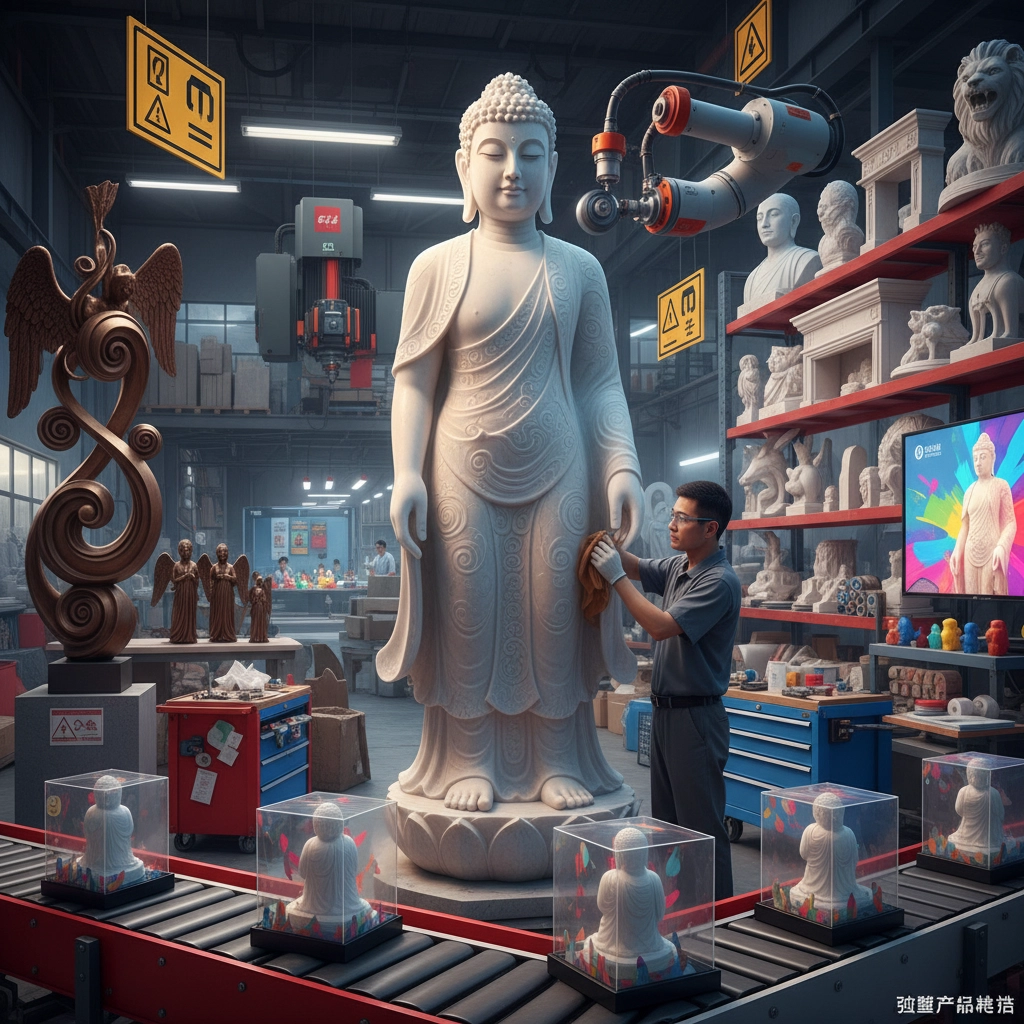
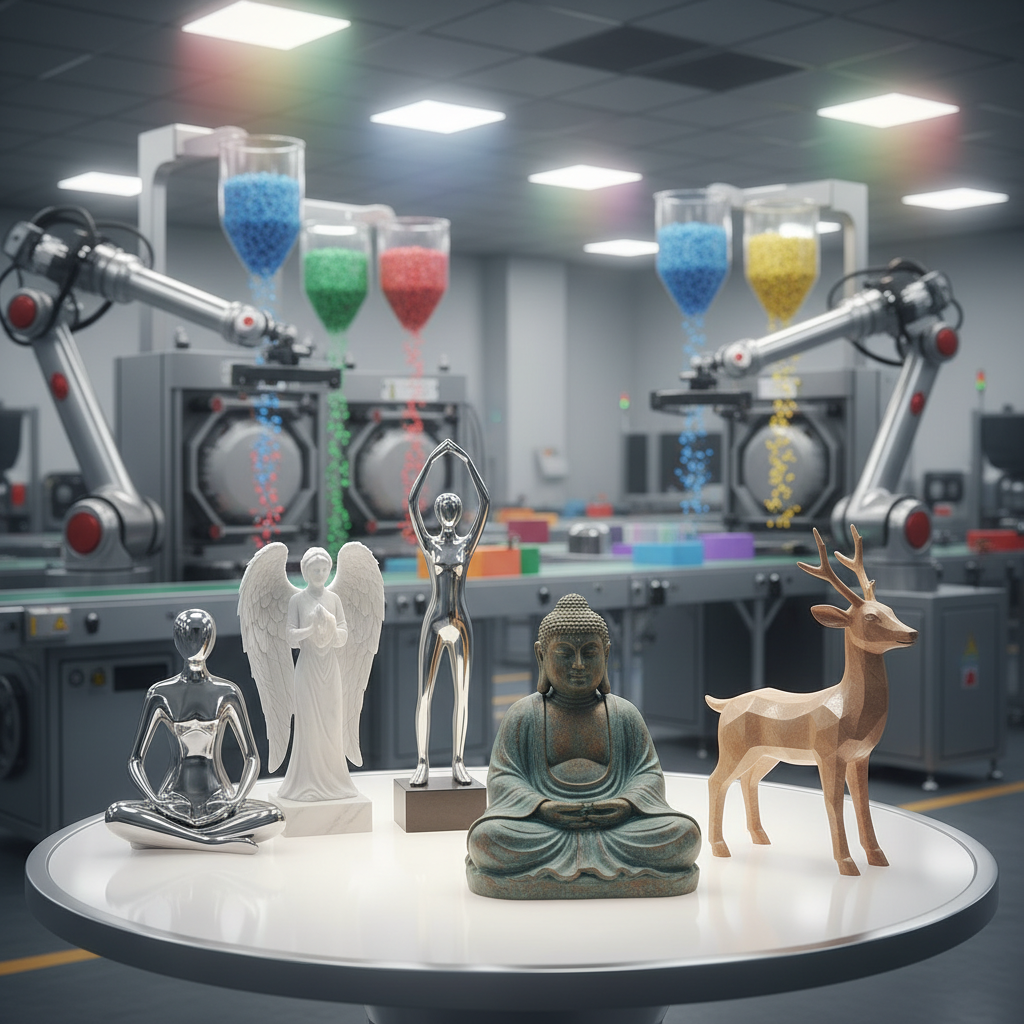
From a manufacturing perspective, the creation of a standing buddha statue requires a sophisticated blend of artistic mastery and industrial precision. Whether cast in bronze, carved from marble, or molded from reinforced fiberglass, the verticality of the standing pose symbolizes the Buddha's readiness to step forward and assist sentient beings, making it a preferred choice for both public monuments and private sanctuaries.
Understanding the nuances of material selection, symbolic gestures (mudras), and scale is essential for collectors and architects alike. By integrating a high-quality standing buddha statue into a commercial or residential project, one not only enhances the aesthetic value of the property but also invites a sense of timeless peace and humanitarian compassion into the physical environment.
Symbolism and Artistic Meaning of Standing Buddha
The vertical posture of a standing buddha statue is deeply symbolic, representing the transition from meditative absorption to active engagement with the world. Unlike seated figures which emphasize internal stillness, the standing form suggests a state of "active compassion," where the enlightened being is poised to move toward those in need of guidance.
Artistically, the standing pose allows for a dramatic play of proportions and drapery. The subtle curves of the robes, often rendered in the "wet drapery" style, highlight the underlying human form while maintaining a sense of ethereal lightness, creating a balance between the physical weight of the material and the spiritual lightness of the subject.
Material Selection for Long-Term Durability
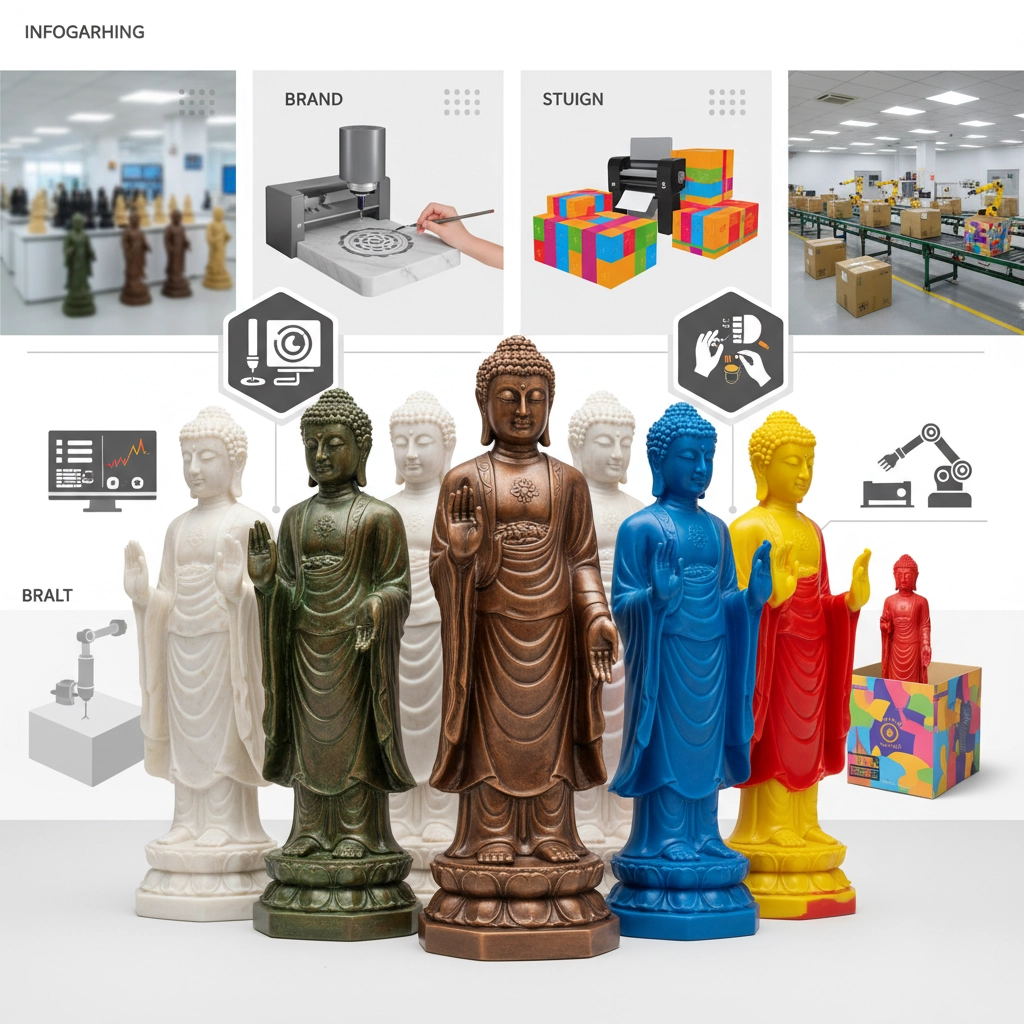
Choosing the right material for a standing buddha statue is a critical decision that impacts both the visual impact and the lifespan of the piece. Bronze remains the gold standard for high-end installations due to its exceptional tensile strength and the ability to develop a unique patina over time, which adds a layer of historical depth and authenticity to the work.
Marble, on the other hand, offers a luminous quality and a softness that mimics the purity of the skin, making it ideal for indoor sanctuaries or serene garden pavilions. The natural veining of the stone ensures that no two statues are identical, providing a bespoke quality that appeals to collectors of fine art and religious artifacts.
For larger-scale public installations where weight and cost are primary constraints, fiberglass and stainless steel have emerged as viable modern alternatives. These materials offer superior resistance to corrosive environments and allow for more daring architectural scales without compromising the structural integrity of the standing buddha statue.
Technical Production Processes in Sculpture
The creation of a professional standing buddha statue begins with a detailed clay maquette, where the sculptor defines the precise geometry of the mudras and the flow of the robes. This phase is crucial for ensuring that the center of gravity is perfectly aligned, preventing any structural lean in the final full-scale version.
In the lost-wax casting process for bronze, the standing buddha statue is created through a series of intricate steps involving ceramic shells and molten metal. This method allows for the capture of microscopic details—such as the texture of the eyelids or the folds of the garment—ensuring the final product meets international museum-grade standards.
Modern CNC milling and 3D scanning have revolutionized the production of stone statues. By digitizing a master model, manufacturers can carve a standing buddha statue from a single block of marble with mathematical precision, which is then finished by hand by master artisans to add the necessary soul and fluidity to the stone.
Comparative Analysis of Statue Styles
Different regional traditions have influenced the aesthetic of the standing buddha statue over centuries. The Gandhara style, for instance, blends Greek Hellenistic influence with Indian motifs, resulting in highly realistic musculature and deep, heavy folds in the drapery. In contrast, the Southeast Asian styles often feature more slender proportions and elongated fingers, emphasizing a sense of otherworldly elegance.
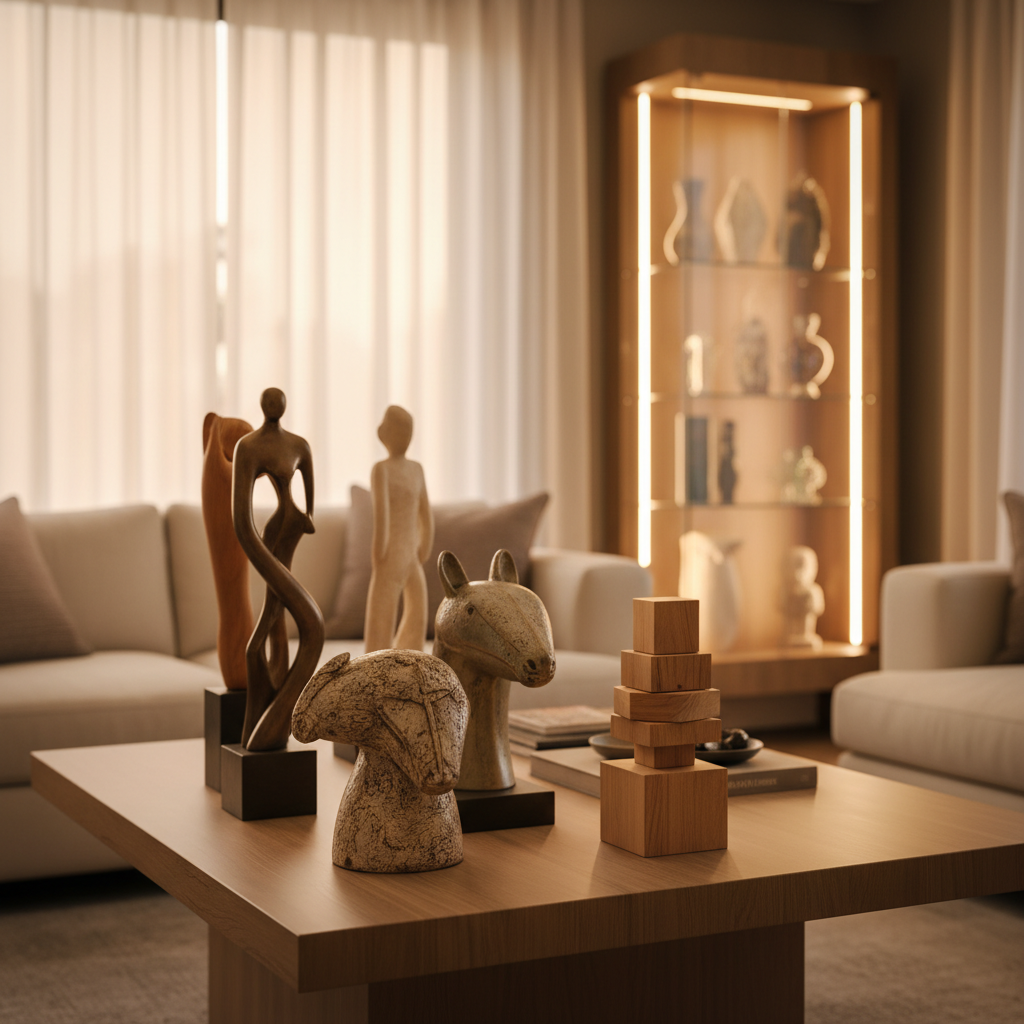
When selecting a style, it is important to consider the architectural context of the installation. A minimalist, abstract standing buddha statue may complement a contemporary corporate lobby, while a traditional, ornate figure is better suited for a temple or a classical botanical garden.
Material Preference for Standing Buddha Statue Installations
Global Applications and Placement Guidelines
The deployment of a standing buddha statue in urban environments often serves a dual purpose: as a piece of high-end public art and as a psychological sanctuary for city dwellers. In cities like Singapore or Tokyo, these statues are strategically placed in "pocket parks" to lower stress levels and promote mental well-being among the workforce.
For residential placement, the orientation of the statue is paramount. Experts suggest placing the standing figure facing the main entrance of the home or garden to welcome positive energy. Ensuring the statue is elevated on a pedestal not only protects it from ground moisture but also symbolically elevates the spiritual status of the figure, commanding respect and attention.
Investment Value and Cultural Heritage
Acquiring a custom-crafted standing buddha statue is often viewed as both a spiritual investment and a financial one. High-quality sculptures from renowned foundries tend to appreciate in value, especially those that utilize rare materials or exhibit exceptional craftsmanship. The timeless nature of the subject matter ensures that these pieces remain relevant regardless of shifting interior design trends.
Beyond the financial aspect, these statues act as conduits of cultural heritage. By commissioning a piece that respects traditional iconography while incorporating modern aesthetics, the owner contributes to the ongoing dialogue between ancient wisdom and contemporary art.
Furthermore, the provenance of the materials—such as sustainably sourced marble or recycled bronze—adds a layer of ethical value. A standing buddha statue that embodies both spiritual peace and environmental responsibility holds a significantly higher prestige in the modern global market.
Maintenance and Preservation Strategies
To ensure a standing buddha statue retains its luster for generations, a rigorous maintenance schedule is required. For bronze pieces, periodic waxing is recommended to seal the patina and protect the metal from oxidation caused by acid rain or salt air in coastal regions. This prevents the development of unsightly corrosion and maintains the deep, rich tones of the sculpture.
Marble statues require a different approach, focusing on the removal of organic growth like lichen or algae. Using a pH-neutral cleaner and soft-bristled brushes prevents the scratching of the polished surface. It is also essential to seal the stone periodically to prevent deep staining from environmental pollutants.
Ultimately, the longevity of a standing buddha statue depends on the balance between exposure and protection. While many are designed for the outdoors, providing a sheltered alcove or a seasonal cover during extreme weather can exponentially extend the life of the artwork.
Material Comparison and Maintenance Requirements for Standing Buddha Statues
| Material Type |
Weather Resistance |
Maintenance Level |
Typical Lifespan |
| Cast Bronze |
Excellent |
Low (Waxing) |
Centuries |
| White Marble |
Moderate |
Medium (Sealing) |
100+ Years |
| Stainless Steel |
Superior |
Very Low |
Indefinite |
| Fiberglass |
High |
Medium (UV Paint) |
20-50 Years |
| Cast Iron |
Moderate |
High (Painting) |
50-100 Years |
| Composite Stone |
Moderate |
Medium |
30-60 Years |
FAQS
For outdoor settings, bronze is highly recommended due to its natural ability to withstand varying weather conditions and develop a protective patina. Stainless steel is another excellent option for modern looks and extreme durability. Fiberglass is a cost-effective alternative for very large statues, provided they are treated with UV-resistant coatings to prevent fading.
The scale of the standing buddha statue should be proportional to the ceiling height or the open area of the garden. For indoor residential spaces, a height of 3 to 5 feet is generally ideal. For public gardens or corporate entrances, monumental scales (above 8 feet) create a more commanding and spiritual presence, provided there is adequate clearance for viewers to admire the piece from a distance.
Yes, custom sculptures allow for the selection of specific hand gestures (mudras). For example, the Abhaya Mudra (gesture of fearlessness) is common in standing figures. Our artisans can adjust the pose and mudra based on the specific spiritual intention of the client, ensuring the statue aligns with the desired energy of the environment.
A high-quality, custom standing buddha statue typically takes between 8 to 16 weeks. This timeline includes the initial clay modeling, wax casting, pouring of the metal, chasing (refining the surface), and the final patination process. The duration depends on the complexity of the design and the size of the piece.
Avoid using acidic cleaners or harsh chemicals. Use a mixture of warm water and a mild, pH-neutral soap. Gently wipe the surface with a soft microfiber cloth. For deep-seated dirt in carvings, a soft-bristled toothbrush can be used. Always dry the statue immediately to prevent water spots from forming on the porous stone.
Absolutely. Many modern businesses integrate standing buddha statues in lobbies or executive lounges to promote a culture of calm, focus, and ethical leadership. It signals to clients and employees a commitment to mindfulness and balance, often serving as a conversation piece that softens the clinical feel of a corporate environment.
Conclusion
The integration of a standing buddha statue into any environment is more than an aesthetic choice; it is an investment in serenity and spiritual architecture. By carefully considering the synergy between material durability, artistic style, and symbolic meaning, one can create a space that not only attracts the eye but also nourishes the soul. From the industrial precision of bronze casting to the timeless elegance of hand-carved marble, these sculptures stand as enduring monuments to human aspiration and peace.
As we look toward the future, the demand for mindful spaces continues to grow, making the presence of such iconography more relevant than ever. Whether for a private collection or a public landmark, we encourage you to prioritize craftsmanship and authenticity to ensure your statue remains a legacy for generations to come. For bespoke designs and premium sculpture services, visit our website: www.firststatue.com