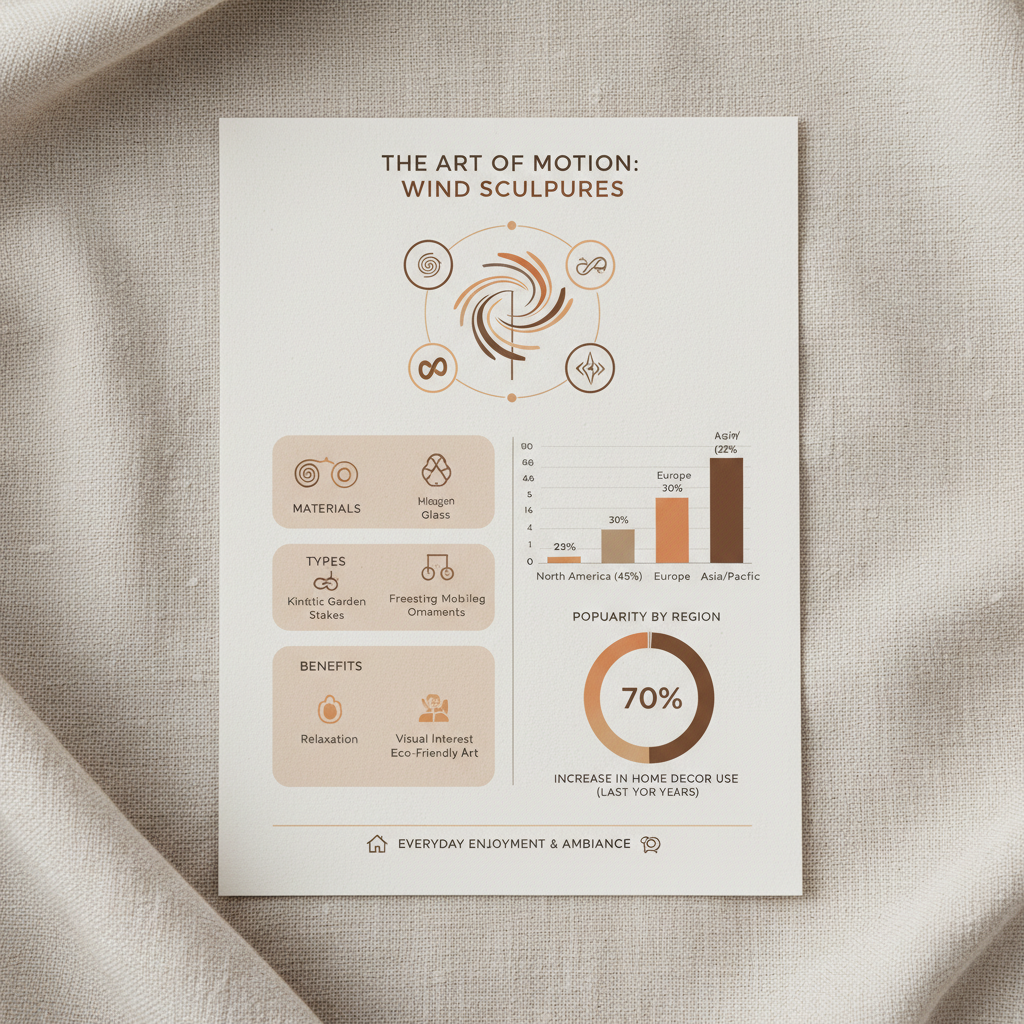
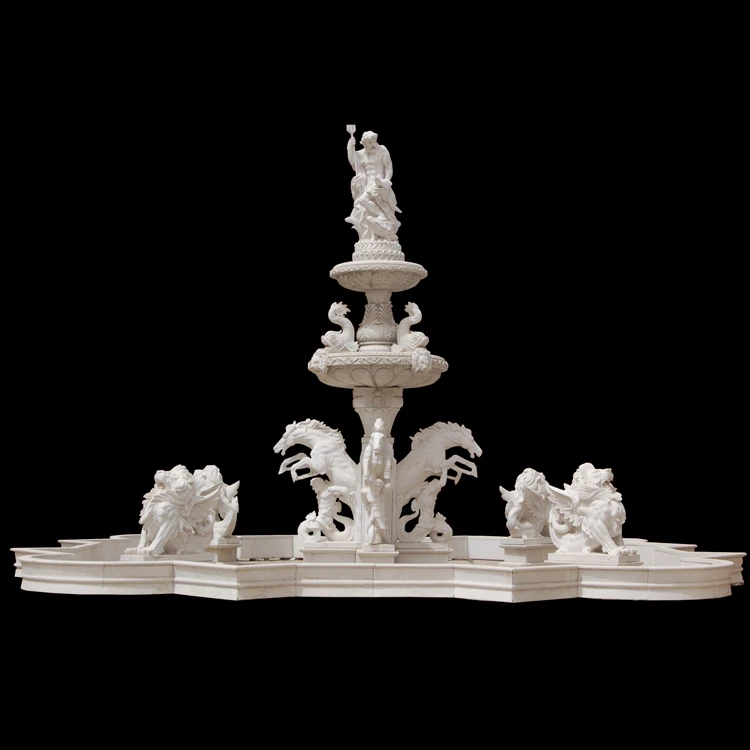
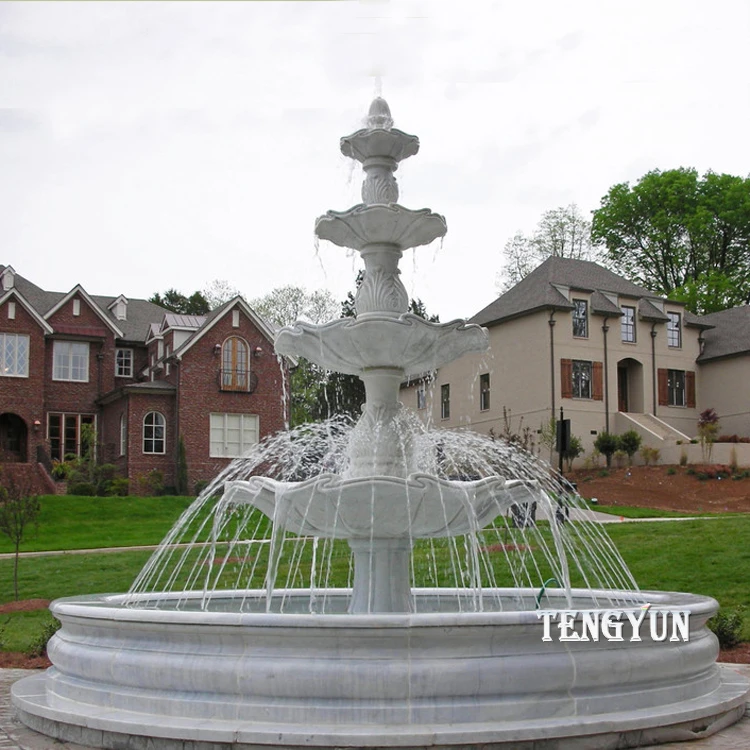
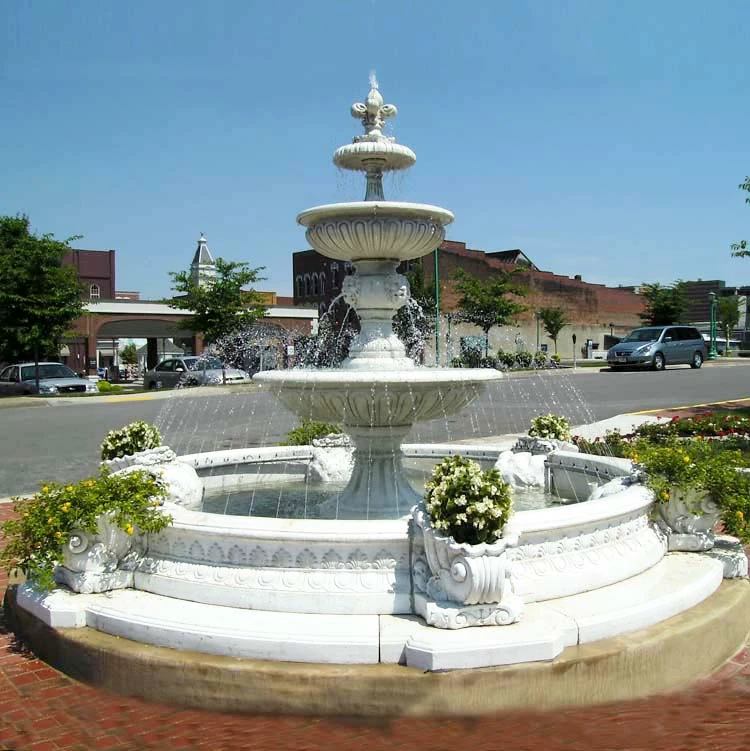
Wind sculptures represent a captivating intersection of art, engineering, and environmental responsiveness. These dynamic structures, often crafted from metal, wood, or other durable materials, are designed to interact with and be shaped by the wind, creating a constantly evolving aesthetic experience. The increasing interest in kinetic art and sustainable design has fueled a global appreciation for these captivating forms, making them a focal point in public art installations, private gardens, and architectural integrations.
Globally, the demand for unique and engaging public art continues to rise, with cities and organizations seeking pieces that reflect local culture and environmental consciousness. The cost-effectiveness of certain wind sculpture designs, coupled with their minimal environmental impact during creation and installation, positions them as an attractive option for municipalities. This growing demand underscores a wider movement towards artistic expression that acknowledges and celebrates the power of natural forces, most notably, the wind.
Understanding the principles behind wind sculptures extends beyond mere aesthetic appreciation. It involves a grasp of aerodynamics, material science, and structural engineering, disciplines essential for creating robust and visually striking artworks that can withstand diverse weather conditions. The creation of compelling wind sculptures is therefore a multidisciplinary endeavor, combining artistic vision with technical expertise.

The Core Principles of Wind Sculptures
At the heart of every successful wind sculpture lies a delicate balance of form and function. These artworks aren't merely static objects; they are dynamic systems that respond to the ever-changing forces of the wind. Understanding the fundamental principles of aerodynamics – lift, drag, and turbulence – is crucial for sculptors aiming to create pieces that move gracefully and predictably. The careful consideration of weight distribution, surface area, and material properties directly impacts how a sculpture interacts with the wind, determining its overall movement and aesthetic impact.
The artistic intent behind a wind sculpture often dictates the complexity of its design. Some sculptures prioritize simple, elegant movements, while others aim for more intricate and unpredictable patterns. Regardless of the approach, the sculptor must consider the environmental context in which the piece will be installed. Factors such as prevailing wind direction, average wind speed, and potential for extreme weather events all play a critical role in shaping the final design of the wind sculpture.
Materials and Construction Techniques
The choice of materials is paramount when constructing wind sculptures. Stainless steel is a popular option due to its corrosion resistance, strength, and ability to be formed into intricate shapes. Aluminum is another frequently used material, offering a lighter weight and good workability. However, the specific material selection depends heavily on the size and complexity of the sculpture, the anticipated environmental conditions, and the artist’s aesthetic preferences. More contemporary artists are also exploring the use of alternative materials like titanium, composites, and even recycled plastics.
Construction techniques vary widely, ranging from traditional welding and fabrication methods to more advanced processes like laser cutting and CNC machining. The assembly process often involves careful consideration of structural integrity, ensuring that the sculpture can withstand the forces imposed by the wind. Many sculptures incorporate bearings and rotating mechanisms to facilitate smooth and fluid movement. The quality of the construction directly impacts the sculpture’s lifespan and its ability to maintain its aesthetic appeal over time.
Surface finishes also play a significant role. Polished surfaces can enhance the sculpture’s visual impact and create interesting reflections, while textured surfaces can add depth and complexity. Protective coatings are often applied to prevent corrosion and maintain the sculpture’s appearance. Ultimately, the materials and construction techniques employed must complement the artistic vision and ensure the sculpture’s longevity.
Design Considerations for Aerodynamic Performance
Designing a wind sculpture that moves harmoniously requires a thorough understanding of aerodynamic principles. The shape of the sculpture, the angle of its components, and the overall surface area all influence how it interacts with the wind. Sculptors often employ iterative design processes, creating prototypes and testing their performance in wind tunnels or real-world conditions to refine their designs.
One key consideration is minimizing drag and maximizing lift, particularly for sculptures intended to rotate or spin. Streamlined shapes and carefully angled surfaces can help reduce wind resistance and promote smooth movement. The placement of counterweights and balancing mechanisms is also crucial for ensuring stability and preventing the sculpture from tipping over in strong winds. Computational Fluid Dynamics (CFD) software is increasingly used to simulate airflow around complex sculptural forms, providing valuable insights into aerodynamic performance.
Beyond simply maximizing efficiency, sculptors often deliberately incorporate elements of unpredictability into their designs. Turbulence and fluctuating wind patterns can create dynamic and captivating movements that enhance the sculptural experience. The challenge lies in harnessing these natural forces in a way that is both visually appealing and structurally sound.
Durability and Weather Resistance
Wind sculptures, by their very nature, are exposed to the elements. Therefore, ensuring their long-term durability and weather resistance is of paramount importance. The materials used in construction must be able to withstand prolonged exposure to rain, snow, sun, and wind. Stainless steel and aluminum are favored for their corrosion resistance, but even these materials can be susceptible to degradation over time, particularly in harsh coastal environments.
Protective coatings, such as powder coating or marine-grade paint, are often applied to provide an additional layer of protection against the elements. Careful attention must also be paid to the design of the sculpture’s joints and connections, ensuring that they are securely fastened and resistant to corrosion. Regular inspection and maintenance are essential for identifying and addressing any potential issues before they escalate into more serious problems.
Wind Sculpture Material Durability Ratings
Global Applications of Wind Sculptures
The application of wind sculptures extends far beyond purely artistic endeavors. They are increasingly utilized in urban design to create dynamic and engaging public spaces. Cities around the world, from Chicago to Dubai, are incorporating wind sculptures into parks, plazas, and waterfront developments to enhance the aesthetic appeal and create memorable landmarks. These installations often serve as focal points for community gatherings and tourist attractions.
Beyond urban environments, wind sculptures are also finding application in private gardens, corporate campuses, and even industrial settings. Their ability to respond to the wind adds a sense of movement and life to otherwise static landscapes. In some cases, wind sculptures are integrated with renewable energy technologies, harnessing the power of the wind to generate electricity.
Artistic Expression and Cultural Significance
Wind sculptures provide a unique medium for artistic expression, allowing artists to explore themes of movement, balance, and the relationship between humanity and nature. The ephemeral quality of these sculptures – their constant transformation in response to the wind – adds a layer of complexity and intrigue. Different cultures interpret the symbolism of wind and movement in unique ways, influencing the artistic styles and design elements employed in wind sculptures.
The cultural significance of wind sculptures extends beyond their aesthetic value. They can serve as symbols of resilience, adaptability, and the interconnectedness of all living things. In some communities, wind sculptures are incorporated into traditional ceremonies and rituals, reflecting a deep reverence for the natural world. The ongoing evolution of wind sculpture as an art form reflects a continuous dialogue between artistic innovation and cultural heritage.
Maintenance and Long-Term Preservation
Maintaining a wind sculpture over the long term requires regular inspection and preventative maintenance. This includes checking for corrosion, loose fasteners, and any signs of structural damage. Periodic cleaning is also essential to remove dirt, debris, and salt buildup, particularly in coastal environments. Depending on the materials used and the local climate, it may be necessary to reapply protective coatings every few years.
More extensive repairs may be required in the event of significant damage caused by storms or vandalism. In some cases, it may be necessary to disassemble the sculpture and transport it to a workshop for repairs. Proper documentation of the sculpture’s construction and maintenance history is crucial for ensuring its long-term preservation. Consulting with a qualified conservator or structural engineer is recommended for complex repairs or restoration projects.
Preventative maintenance significantly extends the life of the sculpture and preserves its aesthetic qualities. A well-maintained wind sculpture can continue to inspire and delight for generations, serving as a testament to the artist’s vision and the enduring power of art.
Summary of Maintenance Tasks for Wind Sculptures
| Task Category |
Frequency |
Required Skill Level |
Estimated Cost |
| Visual Inspection |
Monthly |
Beginner |
$0 - $50 |
| Cleaning & Debris Removal |
Semi-Annually |
Beginner |
$50 - $200 |
| Fastener Tightening |
Annually |
Intermediate |
$100 - $300 |
| Corrosion Treatment |
Every 2-3 Years |
Intermediate |
$200 - $500 |
| Protective Coating Reapplication |
Every 5-7 Years |
Professional |
$500 - $1500+ |
| Structural Repair |
As Needed |
Professional |
Variable - $1000+ |
FAQS
For large-scale wind sculptures, durability and weather resistance are critical. Stainless steel, particularly grades 316 or 304, is a popular choice due to its corrosion resistance and strength. Aluminum alloys are also commonly used for their lightweight properties, but may require additional coatings for protection. Titanium, while more expensive, offers exceptional strength-to-weight ratio and corrosion resistance. The choice depends on the budget, design complexity, and intended environment.
Ensuring stability requires careful consideration of several factors. The sculpture’s base must be adequately anchored to the ground, often using a concrete foundation. Weight distribution is also key, with a lower center of gravity increasing stability. Aerodynamic design principles, such as minimizing surface area exposed to the wind, help reduce wind loading. Incorporating dampers or flexible connections can absorb some of the energy from gusts, preventing excessive stress on the structure.
A well-maintained wind sculpture constructed from durable materials like stainless steel can have a lifespan of several decades, even in harsh environments. Regular inspection and cleaning are crucial for preventing corrosion and identifying potential structural issues. Reapplying protective coatings every 5-7 years can significantly extend the sculpture’s lifespan. With proper care, a wind sculpture can become a lasting landmark for generations to come.
Yes, safety is paramount. The installation site must be assessed for potential hazards, such as overhead power lines or pedestrian traffic. The sculpture should be securely anchored to prevent it from toppling over in strong winds. Sharp edges or points should be avoided or covered to prevent injuries. Signage may be required to warn the public about potential hazards. Compliance with local building codes and safety regulations is essential.
The surrounding environment plays a crucial role in the design process. Prevailing wind direction and speed must be considered to optimize the sculpture’s movement and stability. Exposure to salt spray in coastal areas requires the use of corrosion-resistant materials. The surrounding landscape, architecture, and cultural context should also be taken into account to ensure that the sculpture complements its surroundings. The artist needs to understand how the environment will interact with the sculpture over time.
The cost of a custom wind sculpture varies widely depending on its size, complexity, materials, and the artist’s reputation. Small, simple sculptures can cost a few thousand dollars, while large, intricate installations can easily exceed tens or even hundreds of thousands of dollars. Additional costs include design fees, fabrication, transportation, installation, and foundation work. Obtaining detailed quotes from several artists is recommended.
Conclusion
Wind sculptures represent a compelling fusion of art, engineering, and environmental awareness. These dynamic artworks not only enhance public spaces and private landscapes but also offer a unique opportunity to explore the relationship between humanity and the natural world. Understanding the principles of aerodynamics, material science, and structural integrity is crucial for creating sculptures that are both aesthetically pleasing and structurally sound.
As technology advances and sustainable design principles gain prominence, we can expect to see even more innovative and environmentally conscious wind sculptures emerge. The integration of renewable energy technologies, the use of recycled materials, and the exploration of new artistic forms will undoubtedly shape the future of this captivating art form. Visit our website at firststatue.com to learn more about our selection of stunning wind sculptures and how they can transform your space.
Post time:Feb . 24, 2026 18:12