
Marble Pillar&Column&Baluster
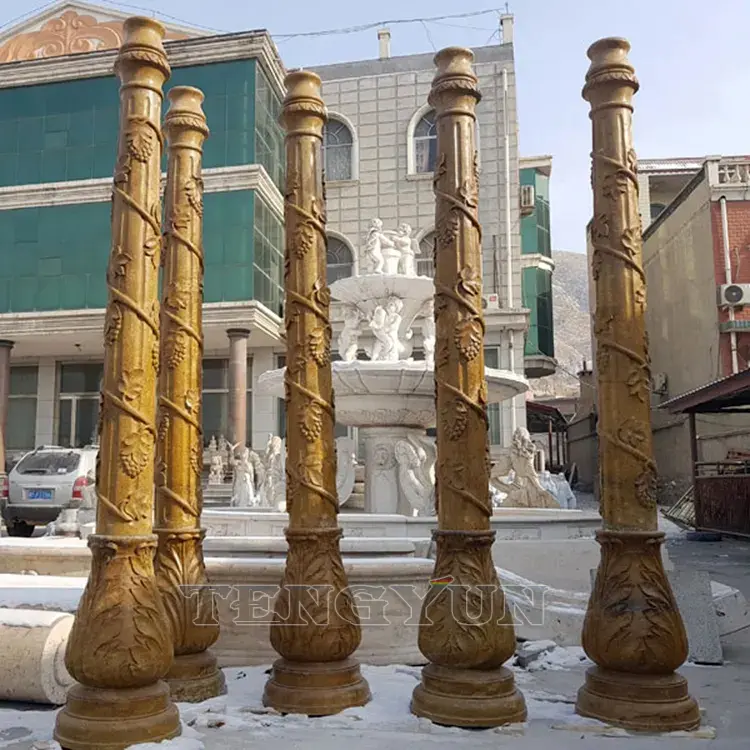
In architectural design, the presence of a stone pillar or a marble column is never merely structural; it is also symbolic. From classical temples to modern courtyards, these forms carry both strength and elegance. A carved marble pillar often displays intricate patterns that enrich traditional interiors, while a carved stone column can support grand entrances, combining stability with visual artistry.
Material choice defines character. A white marble pillar conveys purity and brightness, frequently selected for luxurious foyers and cultural landmarks. In contrast, a black marble column offers dramatic depth, suited to modern spaces where contrast is essential. Warm tones of a beige marble pillar or the rich hues of a sunset red marble column bring individuality, ensuring each installation resonates with its environment.
Natural qualities remain highly valued. A natural marble column emphasizes unique veining, making every piece distinctive, while a natural stone pillar provides authenticity in rustic or historic projects. Durability is equally important; options such as a granite stone pillar guarantee resilience against weathering, whereas a limestone column creates softer textures appreciated in classical gardens. For Mediterranean-inspired spaces, a travertine stone pillar balances tradition with understated elegance.
Functionality expands beyond support. A marble decorative column integrates artistic motifs that define interior aesthetics, while a stone architectural pillar contributes to exterior facades, plazas, and public squares. In civic buildings, these elements enhance visual authority, while in residential estates they create refined boundaries or ornamental walkways.
Rooted in Quyang, long regarded as the “Hometown of Sculptures,” local artisans have developed expertise since the early 1990s in crafting both stone column and marble pillar works that travel worldwide. Blending ancient carving traditions with contemporary requirements, manufacturers from this region ensure that each creation meets structural demands while carrying cultural resonance.
Whether placed in modern commercial spaces or historical restorations, these pillars and columns go beyond utility. They stand as enduring markers of design, craftsmanship, and material heritage, linking functional strength with artistic expression.
The Role of a Marble Balustrade in Design
Balustrades provide balance between openness and safety, shaping how people move through architectural spaces. A marble railing often appears along staircases or mezzanines, giving continuity between levels while preserving visual flow. For large terraces or balconies, a stone balustrade ensures strength, resisting weather while contributing decorative rhythm. Each marble baluster adds proportion and symmetry, guiding the eye in a way that enhances surrounding columns and walls.
In more refined projects, a hand carved marble balustrade highlights craftsmanship through floral motifs or geometric detail, allowing railings to function as both boundary and ornament. Villas and estates frequently rely on a marble stair balustrade, where careful shaping of each element makes transitions between floors smoother and more elegant. For brighter atmospheres, designers often choose a white marble balustrade, reflecting natural light and bringing clarity to both indoor halls and outdoor terraces.
Historical or restoration projects emphasize heritage, where a classical marble balustrade aligns with architectural traditions from Renaissance villas to neoclassical public buildings. These railings preserve proportion while offering durability that ensures long-term use. At the same time, a marble balustrade can be adapted to contemporary settings, uniting clean lines with the strength of natural stone.
Whether supporting staircases, framing balconies, or marking perimeters of courtyards, marble balustrades combine resilience with elegance. They work as part of a broader composition, joining with columns, sculptures, and architectural ornamentation to create unity. In Quyang—the hometown of sculpture—such works have been refined for centuries. Continuing this heritage, Quyang Tengyun Carving has since 1992 developed railings that reflect both structural necessity and enduring artistry, ensuring that each detail contributes to the overall character of architectural design.
Outdoor Uses of Marble Balustrades
In exterior architecture, balustrades establish order and safety while complementing the surrounding environment. A marble parapet railing is often used along elevated terraces or rooftops, ensuring protection without obstructing views. In landscaped spaces, a garden marble balustrade defines pathways and separates planted areas while blending naturally with greenery and fountains. These applications show how stone contributes both durability and visual rhythm in open-air settings.
Residences adopt different forms depending on style and function. A villa marble handrail provides stability at staircases or balconies while harmonizing with façades of natural stone. Where openness is desired, a marble balcony railing maintains safety yet preserves scenic perspectives, making it suitable for villas, hotels, and coastal projects. For entrances, designers may select an entrance marble balustrade, where careful carving signals permanence and elegance while guiding visitors into the property.
Integration with columns enhances architectural unity. A marble column and balustrade set is frequently used at estate courtyards or large public plazas, ensuring visual coherence between vertical supports and horizontal railings. This pairing establishes proportion and creates a continuous architectural language across structures. Meanwhile, in wide exterior corridors or plazas, an outdoor marble balustrade withstands weathering and retains polish, providing both endurance and ornamentation in spaces exposed to sun and rain.
The qualities of marble extend beyond aesthetics. Its density offers resistance against erosion, while the range of finishes—from smooth polish to textured surfaces—allows adaptation to modern villas, heritage restorations, or landscaped parks. These balustrades not only provide security but also frame views, guide circulation, and reinforce the relationship between built form and natural environment.
Polished Marble Column In Architecture And Design
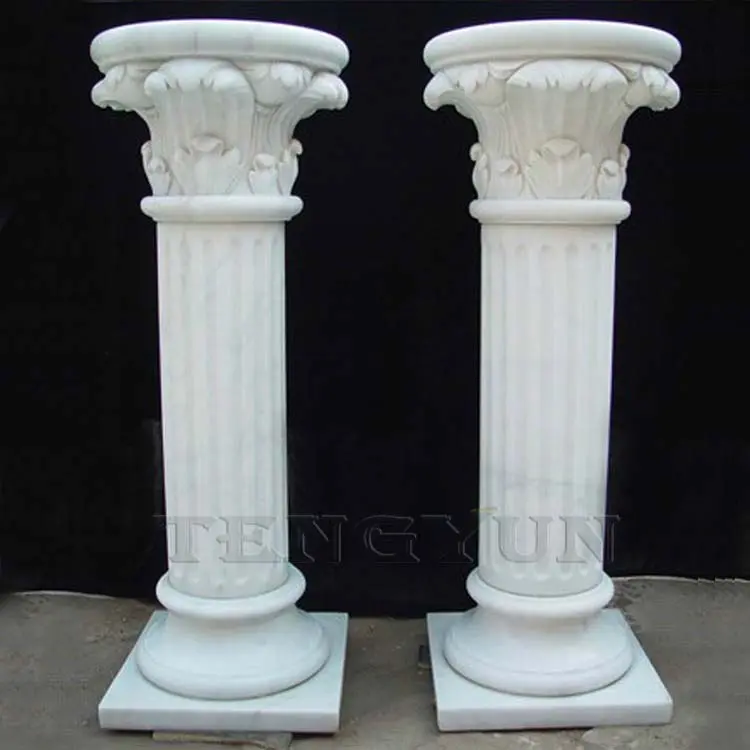
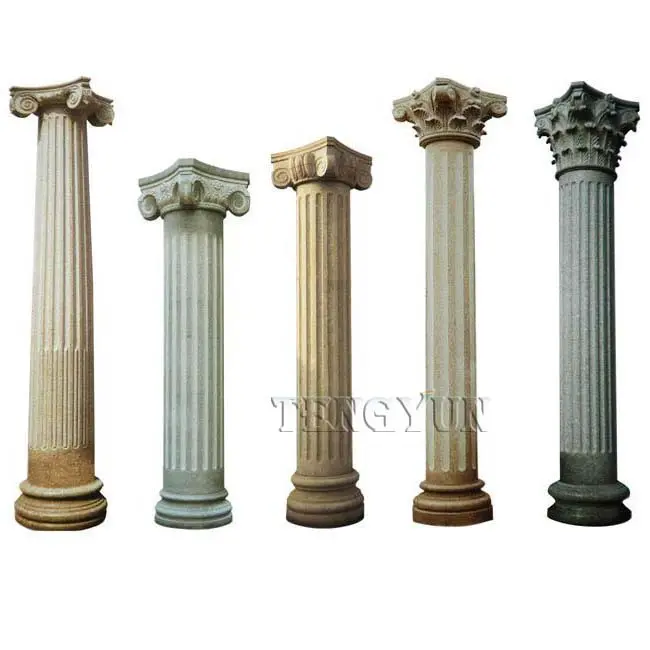
In many architectural projects, the column is more than a structural element—it is also a defining feature of style. A fluted marble column brings rhythm and vertical emphasis to interiors, while a sandstone column offers warm, textured surfaces often preferred in regional or rustic architecture. For more formal contexts, a corinthian marble pillar with its ornate capitals introduces a sense of grandeur that has been admired since antiquity.
Different settings call for different expressions. An outdoor marble column withstands seasonal changes and frames courtyards with elegance, while a garden stone pillar can mark pathways or accentuate landscaping. In residential projects, villa entrance marble columns provide an impressive welcome, combining durability with symbolic strength. Meanwhile, a square marble pillar lends itself to modern minimalist schemes, contrasting with the softer symmetry of a round stone pillar.
Material finish further refines impact. A polished marble column enhances light reflection, often favored in hotel lobbies or cultural spaces, while an antique style marble pillar connects interiors to historic traditions. Designers working on heritage reconstructions may opt for a classical stone column, whereas contemporary planners often use an architectural stone column to integrate both load-bearing strength and visual coherence.
Details complete the composition. A decorative marble pillar emphasizes artistry in reception halls, while a roman style marble pillar conveys authority in civic structures. Equally, the restrained elegance of an ionic stone column provides balance between function and refinement. Choices of material color expand possibilities—from understated beige marble or striking black varieties, to richly veined travertine or limestone in complementary structures.
Within this tradition, whether it is a natural marble column with unique veining or a natural stone pillar cut for authenticity, every piece reflects both engineering precision and cultural heritage.


