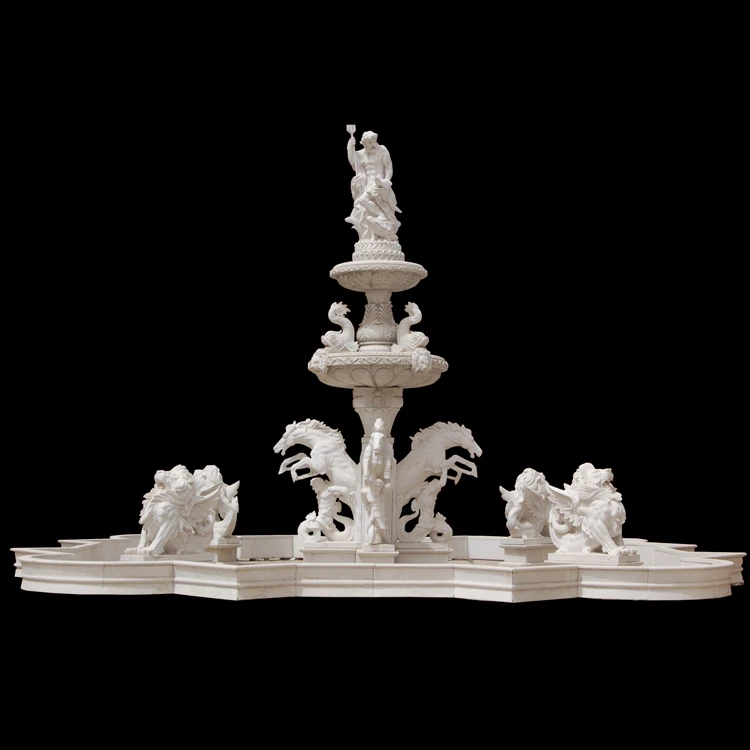
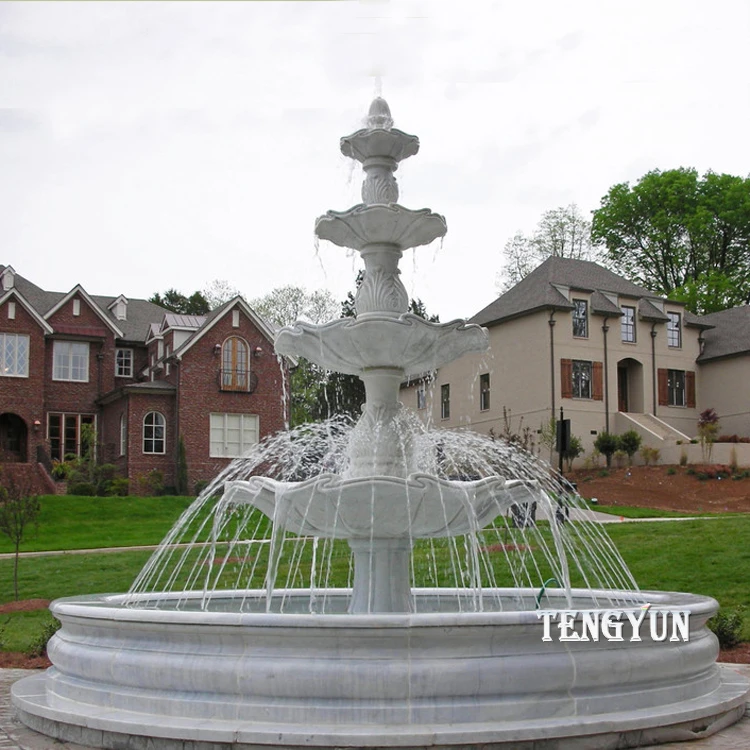
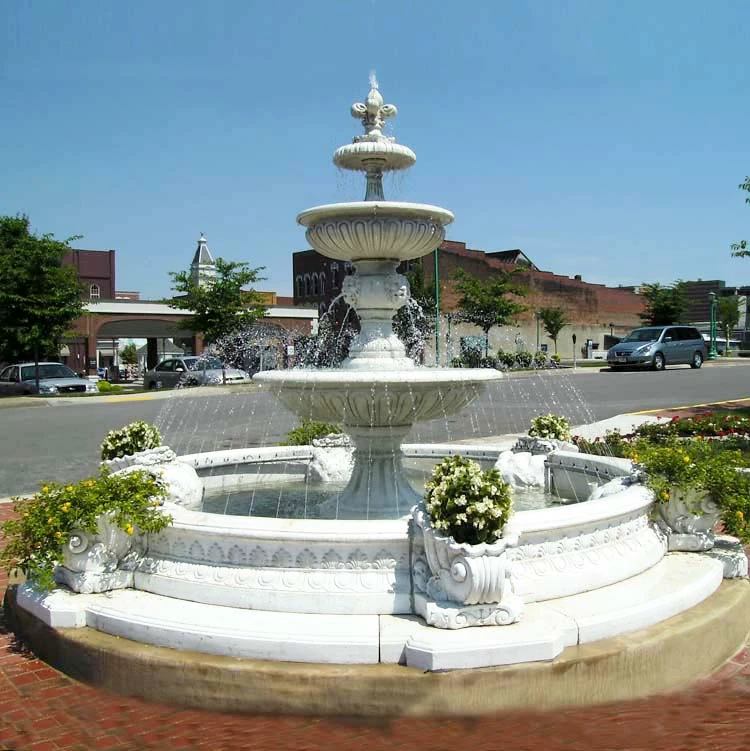
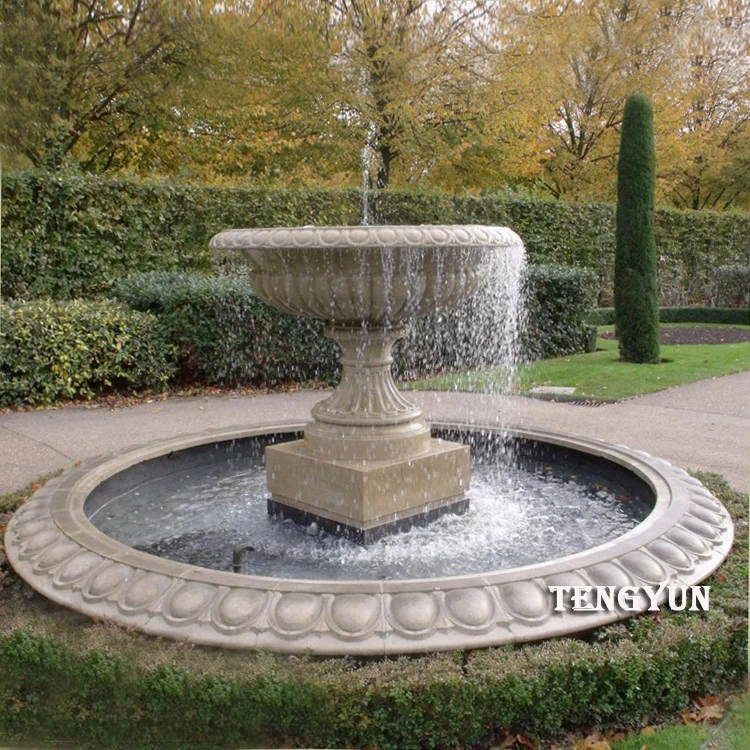
Outdoor statues, enduring symbols of history, artistry, and cultural identity, are experiencing a global resurgence. From monumental figures commemorating historical events to abstract sculptures enriching public spaces, these installations are more than mere decorations; they are vital components of urban landscapes and tourist destinations. The demand for aesthetically pleasing and durable outdoor statues is growing, driven by urban development, tourism industries, and a renewed focus on public art. Understanding the materials, techniques, and considerations involved in creating these lasting monuments is crucial for artists, architects, city planners, and art enthusiasts alike.
The global market for public art, encompassing outdoor statues, is substantial and projected to continue its upward trajectory. According to reports by organizations like the World Bank and UNESCO, investments in cultural heritage and public spaces directly contribute to economic growth and social cohesion. The increasing emphasis on creating vibrant and attractive cities to attract residents, businesses, and tourists is fueling this demand. This isn’t simply an aesthetic consideration; well-placed statues can become landmarks, enhancing a city’s identity and promoting cultural understanding.
The rising demand presents challenges – ensuring longevity, resisting vandalism, and promoting inclusive representation within these public art forms. Addressing these concerns requires innovative materials, thoughtful design, and community engagement. Properly planned and executed, outdoor statues offer a lasting legacy for generations to come, and a powerful way to define and celebrate our shared human experience.
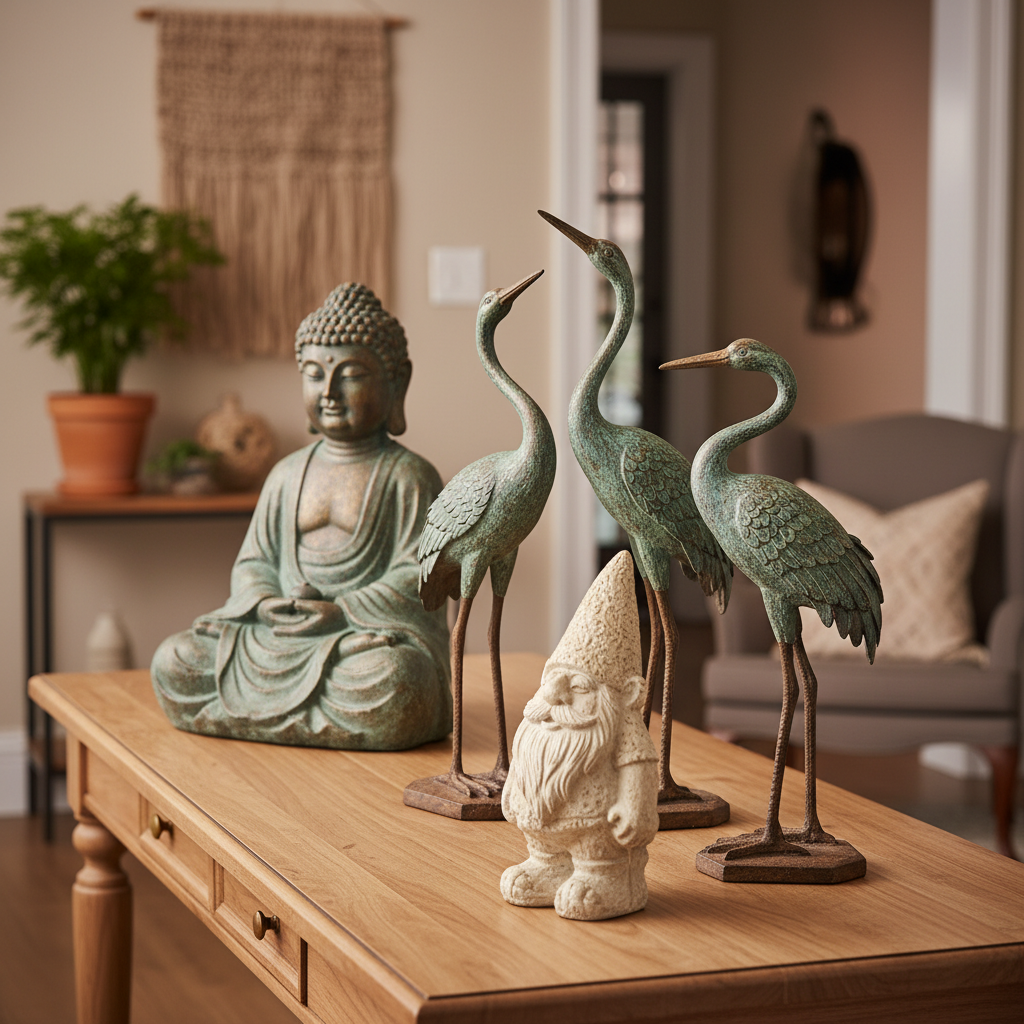
The Significance of Outdoor Statues
Outdoor statues serve as powerful visual narratives, preserving cultural memory and honoring significant individuals or events. Their presence in public spaces fosters a sense of community and provides opportunities for reflection and engagement. These sculptures transcend time, offering a tangible link to the past and inspiring future generations. Choosing the right statue, however, requires careful consideration of artistic merit, historical accuracy, and the intended message.
Beyond their historical and artistic value, outdoor statues contribute significantly to the aesthetic appeal of urban environments. A well-placed sculpture can transform a mundane space into a point of interest, enhancing the overall quality of life for residents and visitors. Moreover, they often become iconic landmarks, attracting tourists and boosting local economies. outdoor statues are therefore an important investment for any city striving to create a vibrant and welcoming atmosphere.
Defining Outdoor Statues
Simply put, outdoor statues are three-dimensional artistic representations created for placement in outdoor public or private spaces. These sculptures can range dramatically in size, material, and subject matter, from life-size bronze figures to abstract stone installations. What distinguishes them from indoor sculptures is their intended permanence and resistance to the elements.
The creation of outdoor statues connects directly to modern industry through materials science, engineering, and specialized fabrication techniques. The demand for durable, weather-resistant materials drives innovation in metal alloys, stone treatments, and composite materials. Furthermore, the installation process often requires specialized equipment and expertise, creating employment opportunities in these related fields.
Increasingly, outdoor statues are being viewed through a humanitarian lens, focusing on inclusivity and representing diverse perspectives. The stories told through these sculptures can promote empathy, understanding, and social justice, enriching the cultural landscape for all. Careful consideration is being given to who is represented and how, ensuring a more equitable and inclusive public art environment.
Core Components of Exceptional Outdoor Statues
A truly exceptional outdoor statue hinges on several core components working in harmony. First and foremost is Material Durability: The chosen material must withstand exposure to weather, pollutants, and potential vandalism for decades, or even centuries. This dictates the selection of materials like bronze, stainless steel, granite, or specialized composites.
Secondly, Artistic Merit is crucial. The statue should possess aesthetic qualities that are both visually appealing and emotionally resonant, reflecting a high level of craftsmanship and artistic skill. This includes consideration of form, composition, and the artist's unique style. A visually striking statue is more likely to become a beloved landmark.
Thirdly, Structural Integrity is paramount. The statue must be able to withstand its own weight, wind loads, and potential external forces without compromising its stability. This necessitates robust internal support structures and careful engineering calculations. Lastly, Historical and Cultural Context informs the statue’s purpose and meaning. A statue that resonates with local history or cultural values will have a greater impact.
Key Factors Influencing Statue Longevity
Several critical factors directly impact the longevity of outdoor statues. The initial Material Selection is, as mentioned, the most important. Bronze, particularly silicon bronze, is renowned for its corrosion resistance, while stainless steel offers superior strength and durability. Granite, while heavy, is incredibly weather-resistant.
Equally crucial is the Protective Coating Application. Applying a protective wax coating to bronze statues helps prevent corrosion, while specialized sealants can shield stone from water damage and pollution. Regular maintenance and re-application of these coatings are essential.
Durability Ratings of Common Outdoor Statue Materials
Global Applications of Outdoor Statues
Outdoor statues are ubiquitous across the globe, serving a wide range of purposes in diverse settings. In historical city centers like Rome and Athens, statues commemorate ancient figures and events, attracting millions of tourists annually. Similarly, Washington D.C. is famed for its memorial statues honoring presidents and historical events.
The application of outdoor statues extends beyond historical representations. Modern sculptures are increasingly integrated into contemporary urban landscapes, enhancing public spaces and fostering a sense of community. Parks, plazas, and even transportation hubs often feature striking sculptures to create visually engaging environments. These installations frequently reflect local culture and artistic expression.
Advantages of Investing in Quality Outdoor Statues
Investing in high-quality outdoor statues offers tangible and intangible benefits. From a financial perspective, these installations can drive tourism and economic growth. A striking statue can become a landmark, attracting visitors and increasing foot traffic to surrounding businesses.
Beyond economic advantages, outdoor statues contribute significantly to the cultural and social fabric of a community. They preserve history, promote artistic expression, and foster a sense of shared identity. A well-chosen statue can inspire pride, spark conversation, and create a lasting legacy.
Furthermore, durable, well-maintained statues require minimal ongoing maintenance, offering long-term value. Compared to other forms of public art, statues are relatively resistant to vandalism and weathering, making them a sound investment for municipalities and private collectors.
Future Trends in Outdoor Statue Design & Materials
The field of outdoor statue design is constantly evolving, driven by advancements in materials science and artistic innovation. One emerging trend is the use of sustainable and recycled materials, reducing the environmental impact of sculpture production. Artists are exploring innovative composites and reclaimed metals to create visually stunning and eco-friendly works.
Another key trend is the integration of technology into outdoor statues. Augmented reality (AR) applications can enhance the visitor experience, providing interactive information about the sculpture and its historical context. Some artists are even incorporating lighting and kinetic elements to create dynamic and engaging installations.
Digital sculpting techniques are also gaining prominence, allowing artists to create complex and intricate designs with greater precision. 3D printing is becoming increasingly viable for producing smaller statues, offering a cost-effective and efficient manufacturing process.
FAQS
For coastal environments, the primary concern is salt corrosion. Silicon bronze is an excellent choice due to its exceptional resistance to saltwater. Alternatively, marine-grade stainless steel (316 or higher) offers good durability, but requires regular cleaning to prevent corrosion buildup. Avoid materials like iron or carbon steel, which will corrode rapidly in a marine setting. Protective coatings are crucial, even with these resistant materials.
Preventing vandalism is challenging, but several measures can help. Strategic placement – in well-lit, high-traffic areas – can deter potential vandals. Applying anti-graffiti coatings makes it easier to remove markings. Consider adding security cameras or motion sensors. Engaging the community and fostering a sense of ownership can also be effective. Finally, choose a robust material that can withstand minor impacts.
With proper care and maintenance, a bronze outdoor statue can last for centuries. Many historical bronze statues are still standing today, testament to the material’s durability. Regular cleaning and re-waxing (every 5-10 years) are essential to prevent corrosion. The specific lifespan will depend on the alloy composition, environmental conditions, and the quality of the initial casting.
The cost of commissioning an outdoor statue varies dramatically depending on size, complexity, material, and the artist’s reputation. A small, simple bronze statue might cost several thousand dollars, while a large, intricate sculpture by a renowned artist could easily exceed six figures. Installation costs also need to be factored in, including foundation work and transportation.
Yes, numerous grants and funding opportunities are available for public art projects, including those involving outdoor statues. Organizations like the National Endowment for the Arts (NEA) and state arts councils offer funding. Many private foundations also support public art initiatives. Researching and applying for these grants can significantly offset the cost of commissioning a statue.
The foundation is critical for a large outdoor statue's stability. It must be designed by a structural engineer to support the statue's weight, withstand wind loads, and account for soil conditions. Proper drainage is essential to prevent water damage. The foundation typically consists of a reinforced concrete base, often extending below the frost line to prevent movement due to freezing and thawing cycles.
Conclusion
Outdoor statues are more than just aesthetic additions to our environments. They are powerful storytellers, historical markers, and symbols of cultural identity. Their enduring nature, achieved through careful material selection, skilled artistry, and ongoing maintenance, offers a lasting legacy for generations to come. Investing in quality outdoor statues is an investment in community, culture, and the preservation of our shared heritage.
As we move forward, continued innovation in materials and fabrication techniques will further enhance the longevity and sustainability of these iconic structures. Embracing new technologies and fostering community engagement will ensure that outdoor statues remain vital and relevant symbols of our evolving world. Visit our website at firststatue.com to explore our collection and discover how we can help you bring your vision to life.
Post time:Feb . 17, 2026 06:16