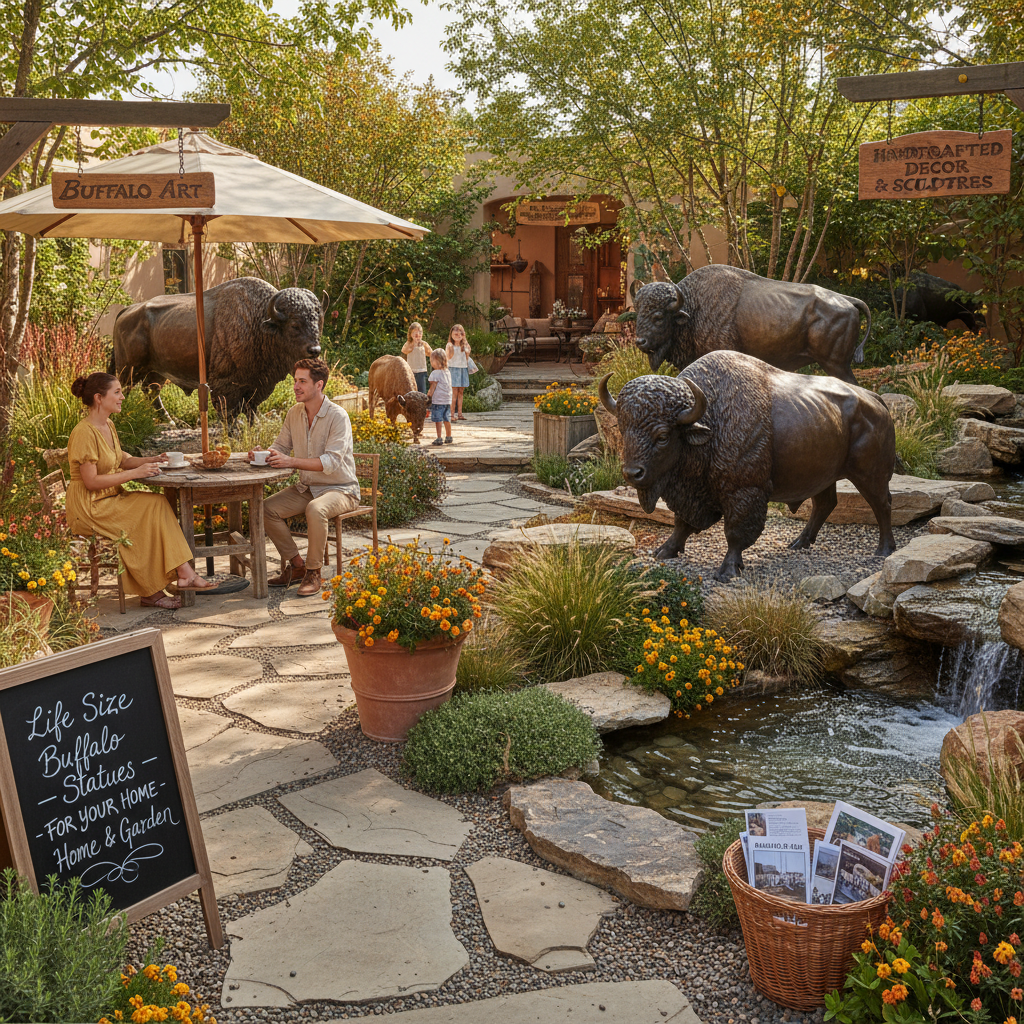
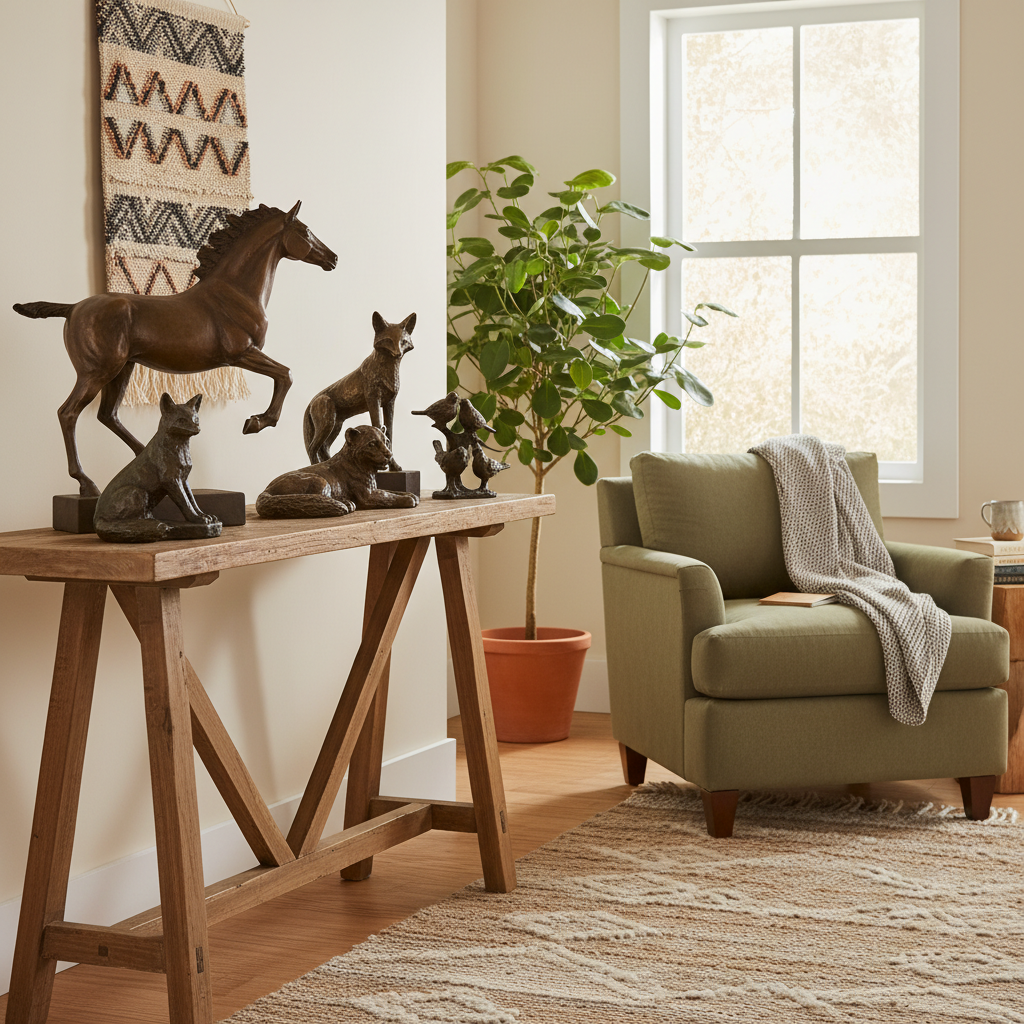
Sculpture, in its essence, represents the art of creating three-dimensional forms. Throughout history, civilizations have utilized sculpture to commemorate events, honor deities, and express their cultural identities. From the monumental statues of ancient Egypt to the intricate carvings of the Renaissance, sculpture has consistently served as a powerful medium for artistic expression and a tangible link to our collective past. Its enduring presence in museums, public spaces, and private collections worldwide speaks to its timeless appeal and enduring significance.
The relevance of sculpture extends beyond the realm of art history. Today, advancements in materials and techniques, including digital sculpting and 3D printing, are pushing the boundaries of what’s possible. Sculptural principles are increasingly integrated into industrial design, architecture, and even medical prosthetics. Understanding the fundamentals of form, space, and material properties is crucial for innovation across a wide range of fields.
The study of sculpture provides a unique lens through which to examine human creativity, cultural values, and technological progress. Its inherent ability to engage viewers on a visceral level makes it a potent tool for communication and storytelling. As societies continue to evolve, the role of sculpture as a reflector and shaper of our world remains paramount.

The Historical Development of sculpture
The history of sculpture is inextricably linked to the development of human civilization. Early examples, dating back tens of thousands of years, consist of small, portable figures carved from stone, bone, or ivory. These early sculptures often served ritualistic or religious purposes, representing fertility, protection, or ancestral spirits. As societies became more complex, so too did their sculptural traditions, culminating in the monumental works of ancient Greece and Rome.
From the classical idealism of Greek sculpture to the realistic portraiture of the Roman Empire, each period left its distinct mark on the art form. The Renaissance witnessed a revival of classical techniques, while the Baroque era embraced drama and movement. Throughout the 19th and 20th centuries, sculpture underwent radical transformations, with artists experimenting with new materials, forms, and concepts, ultimately leading to the diverse and dynamic landscape of contemporary sculpture we see today.
Defining Artistic Sculpture
Sculpture is, fundamentally, the creation of form in three dimensions. Unlike painting, which exists on a flat plane, sculpture occupies space and invites viewers to experience it from multiple perspectives. It can be subtractive—carving away material to reveal a form—or additive—building up a form from materials like clay, wax, or metal. The choice of material profoundly influences the character and longevity of the sculpture, impacting both its aesthetic qualities and its physical properties.
The connection between sculpture and modern industry lies in the principles of form and function. Industrial designers utilize sculptural thinking to create aesthetically pleasing and ergonomically sound products. Furthermore, the techniques employed in sculpture, such as casting and molding, are directly applicable to manufacturing processes. The increasing use of 3D printing in both art and industry demonstrates a clear convergence of these disciplines.
Sculpture isn't solely about artistic expression; it's about problem-solving in three-dimensional space. The consideration of weight, balance, and structural integrity are all essential elements. These same considerations are crucial in fields like architecture, engineering, and even robotics, highlighting the broad relevance of sculptural principles.
Core Elements of Effective sculpture
Several core elements contribute to the effectiveness of any sculpture. Form refers to the overall shape and structure of the work, while space encompasses both the positive space occupied by the sculpture itself and the negative space surrounding it. Texture plays a crucial role in engaging the viewer’s sense of touch, and balance determines the stability and visual harmony of the composition.
Materiality is perhaps the most defining element, dictating the sculpture's aesthetic qualities, structural limitations, and potential for interaction with the environment. Different materials—bronze, marble, wood, clay, plastic—evoke distinct sensations and associations. Furthermore, color, though not always present, can dramatically alter the impact of a sculpture, influencing its mood and visual weight.
The interplay of these elements is what ultimately determines the success of a sculpture. A masterful artist understands how to manipulate form, space, texture, and material to create a work that is both visually compelling and conceptually meaningful. These elements aren't isolated; they are intrinsically linked and influence one another to produce a unified artistic statement.
The Materiality and Durability of sculpture
The choice of material is paramount in sculpture, affecting not only the aesthetic outcome but also the work’s durability and longevity. Traditional materials like bronze and stone are renowned for their resilience and ability to withstand the test of time. Bronze, an alloy of copper and tin, is particularly prized for its strength, corrosion resistance, and ability to hold intricate detail. Stone, such as marble and granite, offers a sense of permanence and monumentality.
However, modern sculpture has embraced a wider range of materials, including plastics, glass, and found objects. These materials often present unique challenges in terms of durability, requiring careful consideration of environmental factors and conservation techniques. The use of composite materials, combining the strengths of different substances, is also becoming increasingly common.
Material Durability Rating (1-10)
Global Applications of Modern sculpture
Modern sculpture finds applications far beyond traditional art galleries and museums. Public art installations, incorporating sculptural elements, are increasingly common in urban spaces, aiming to revitalize neighborhoods, foster community engagement, and enhance the aesthetic quality of the built environment. These installations often respond to the specific context of their location, incorporating local history, culture, and materials.
Sculptural techniques are also integral to architectural design, with architects using form and texture to create visually striking and functional buildings. Furthermore, the principles of sculpture are applied in industrial design, product development, and even medical fields, such as the creation of prosthetics and implants.
Long-Term Value of Innovative sculpture
Investing in innovative sculpture yields significant long-term value. Beyond its aesthetic appeal, sculpture can enhance property values, attract tourism, and stimulate economic growth. Public art initiatives, in particular, have been shown to have a positive impact on community revitalization and social cohesion.
The durability of well-crafted sculpture ensures its enduring legacy, allowing it to inspire and engage generations to come. Furthermore, the use of sustainable materials and ethical production practices contributes to a more responsible and environmentally conscious art world. Sculpture offers a unique blend of artistic expression, cultural significance, and economic benefits.
Future Trends in Contemporary sculpture
The future of sculpture is poised to be shaped by emerging technologies and evolving artistic sensibilities. Digital sculpting, utilizing software and 3D printing, is rapidly gaining prominence, allowing artists to create complex and intricate forms with unprecedented precision. The integration of augmented reality (AR) and virtual reality (VR) promises to transform the way we experience sculpture, enabling interactive and immersive installations.
The use of sustainable and bio-based materials is also gaining traction, reflecting a growing awareness of environmental concerns. Artists are experimenting with materials such as mycelium (mushroom roots) and recycled plastics, creating sculptures that are both aesthetically compelling and ecologically responsible.
Factors Influencing Future Sculpture Trends
| Technology Adoption |
Material Innovation |
Sustainability Focus |
Social Impact |
| Increased use of 3D printing and digital sculpting tools. |
Exploration of bio-materials and recycled plastics. |
Demand for eco-friendly and ethically sourced materials. |
Sculpture as a catalyst for community engagement and social change. |
| Integration of AR/VR for immersive sculptural experiences. |
Development of self-healing and adaptive materials. |
Reduction of waste and carbon footprint in sculptural production. |
Sculptures addressing social and political issues. |
| AI-assisted design and fabrication of sculptures. |
Use of nanotechnology to enhance material properties. |
Promotion of circular economy principles in the art world. |
Sculpture as a platform for storytelling and cultural preservation. |
| Remote collaboration and virtual exhibitions of sculptures. |
Experimentation with living materials and bio-art. |
Investment in renewable energy for sculptural production. |
Sculptures fostering dialogue and understanding across cultures. |
| Automation of sculpting processes for increased efficiency. |
Development of biodegradable and compostable sculptural materials. |
Emphasis on local sourcing of materials and craftsmanship. |
Sculptures promoting inclusivity and diversity. |
| Haptic technologies for enhanced tactile experience of sculptures. |
Creation of self-assembling and shape-shifting sculptures. |
Transparent and traceable supply chains for sculptural materials. |
Sculptures addressing environmental challenges and climate change. |
FAQS
Additive sculpture builds up a form by adding material – like clay or wax – gradually, often through modeling or welding. Subtractive sculpture, conversely, starts with a solid mass, such as stone or wood, and removes material through carving, chiseling, or polishing. Additive methods allow for greater flexibility and experimentation, while subtractive methods often result in more durable and refined forms. The choice depends on the desired aesthetic and the properties of the chosen material.
Digital sculpting, using software like ZBrush or Blender, allows artists to create incredibly detailed and complex forms virtually, before physically realizing them through 3D printing or CNC machining. While it doesn’t replace traditional skills, it expands the possibilities for form and texture. It’s also proving to be a valuable tool for prototyping and refining designs before committing to expensive materials. Many sculptors now blend digital and traditional methods.
Artists are increasingly turning to sustainable materials like recycled plastics, reclaimed wood, bamboo, and even mycelium (mushroom roots). These materials reduce environmental impact and offer unique aesthetic qualities. Using found objects and repurposing discarded materials are also common practices. The focus is on minimizing waste and utilizing resources responsibly.
A thorough understanding of anatomy is crucial, especially when sculpting the human or animal form. Knowing the underlying skeletal and muscular structure allows artists to create accurate and believable representations. Even in abstract sculpture, an underlying knowledge of anatomy informs the overall form and balance, lending a sense of organic realism.
Outdoor sculptures face numerous challenges, including weathering, pollution, vandalism, and biological growth. Materials like bronze can corrode, stone can erode, and wood can rot. Regular cleaning, protective coatings, and occasional restoration are essential for preserving outdoor sculptures. The climate and environment play a significant role in determining the preservation needs.
The scale of a sculpture dramatically influences the viewer's experience. Monumental sculptures create a sense of awe and power, while smaller, intimate sculptures invite closer inspection. Scale affects the relationship between the viewer and the artwork, influencing perceptions of space, form, and meaning. An artist carefully considers scale to achieve the desired emotional and intellectual response.
Conclusion
From its ancient origins to its contemporary manifestations, sculpture has consistently served as a powerful means of artistic expression, cultural preservation, and technological innovation. Understanding the core principles of form, space, material, and technique is essential for appreciating the depth and complexity of this art form. By embracing new technologies and sustainable practices, sculpture continues to evolve and adapt to the changing needs of our world.
As we look to the future, the role of sculpture will undoubtedly expand, blurring the boundaries between art, design, and technology. Further exploration of sustainable materials and innovative fabrication methods will be crucial for creating a more responsible and environmentally conscious art world. Visit our website at firststatue.com to learn more about sculpture and explore our diverse collection.
Post time:Feb . 19, 2026 06:15