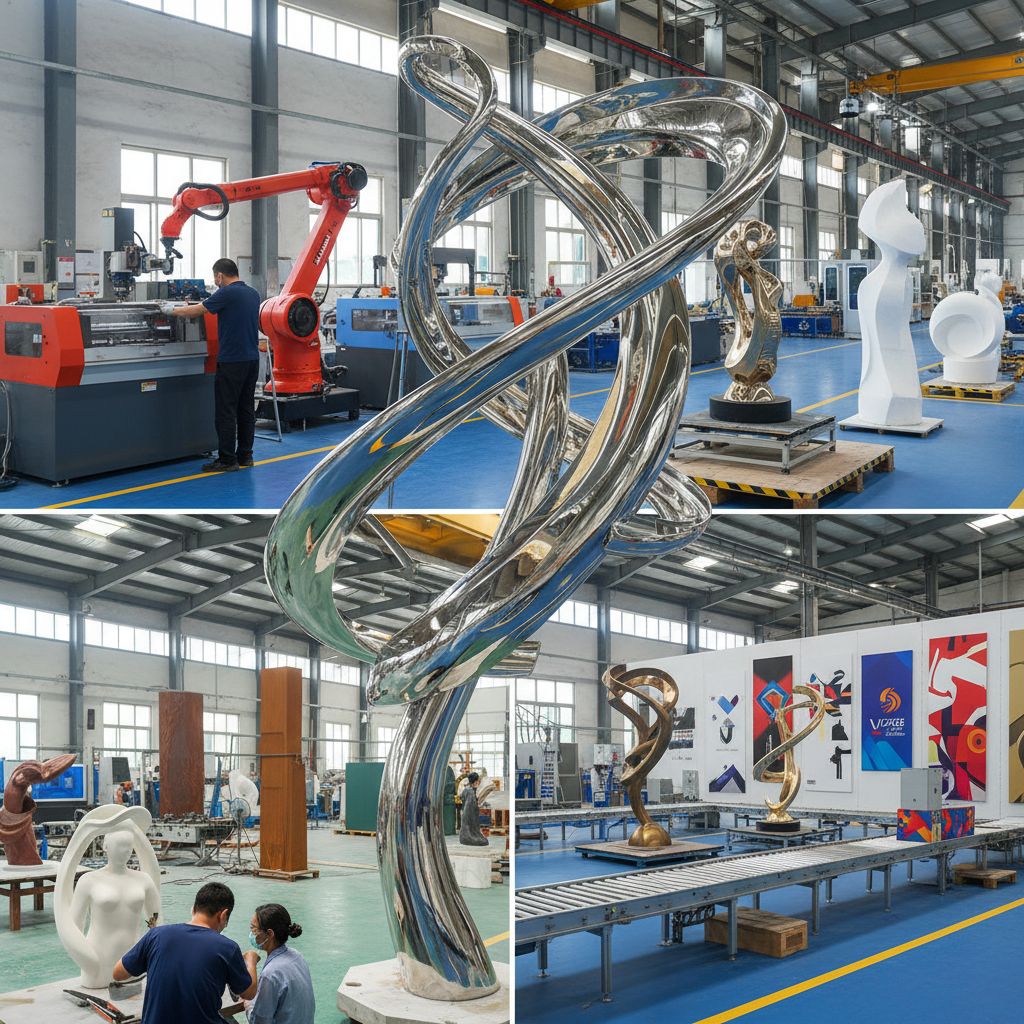
Modern sculpture art represents a dynamic intersection of human emotion, industrial innovation, and spatial philosophy. Unlike traditional sculpture, which often focused on literal representation and classical perfection, the modern approach embraces abstraction, mixed media, and the exploration of negative space. By challenging the boundaries of form and material, it transforms static objects into experiential journeys that resonate with the complexities of the contemporary world.
Across the globe, the integration of modern sculpture art in urban planning and private collections has seen a significant surge. From massive corten steel installations in metropolitan plazas to delicate marble abstract pieces in boutique galleries, these works serve as landmarks of cultural identity and intellectual curiosity. The ability of a sculpture to evoke a visceral reaction while occupying a physical environment makes it one of the most powerful tools for architectural enhancement.
Understanding the nuances of modern sculptural practices is essential for architects, interior designers, and art collectors alike. By mastering the balance between material durability and aesthetic fluidity, one can create spaces that not only look visually stunning but also provide emotional grounding. Whether utilizing the timelessness of bronze or the avant-garde appeal of fiberglass, the goal is to create a lasting dialogue between the viewer and the artwork.
The Evolution of Modern Sculpture Art Materials
The transition from classical stone carving to modern sculpture art was driven by a desire to break free from the constraints of tradition. While marble and bronze remain staples due to their prestige and longevity, the introduction of industrial materials like stainless steel and corten steel has redefined what is possible. These materials allow artists to create sweeping, gravity-defying curves and sharp, geometric angles that were physically impossible with traditional chiseling methods.
Furthermore, the rise of polymers and fiberglass has democratized the medium, offering lightweight alternatives for massive installations. This evolution isn't just about aesthetics; it's about structural integrity. Modern casting techniques allow for intricate details in bronze abstract sculptures while ensuring that the piece can withstand extreme weather conditions in outdoor public spaces.
Core Components of Contemporary Sculptural Design
At the heart of any successful piece of modern sculpture art is the relationship between form and void. Contemporary designers focus heavily on "negative space"—the area around and between the subjects of an image. This approach allows the environment to become part of the artwork, making the sculpture feel integrated into its surroundings rather than just placed upon them.
Material scalability is another critical component. A design must be viable whether it is a small bronze bust for a private study or a towering stainless steel figure for a corporate headquarters. This requires a deep understanding of load-bearing mathematics and the chemical properties of the chosen medium to prevent warping or structural failure over time.
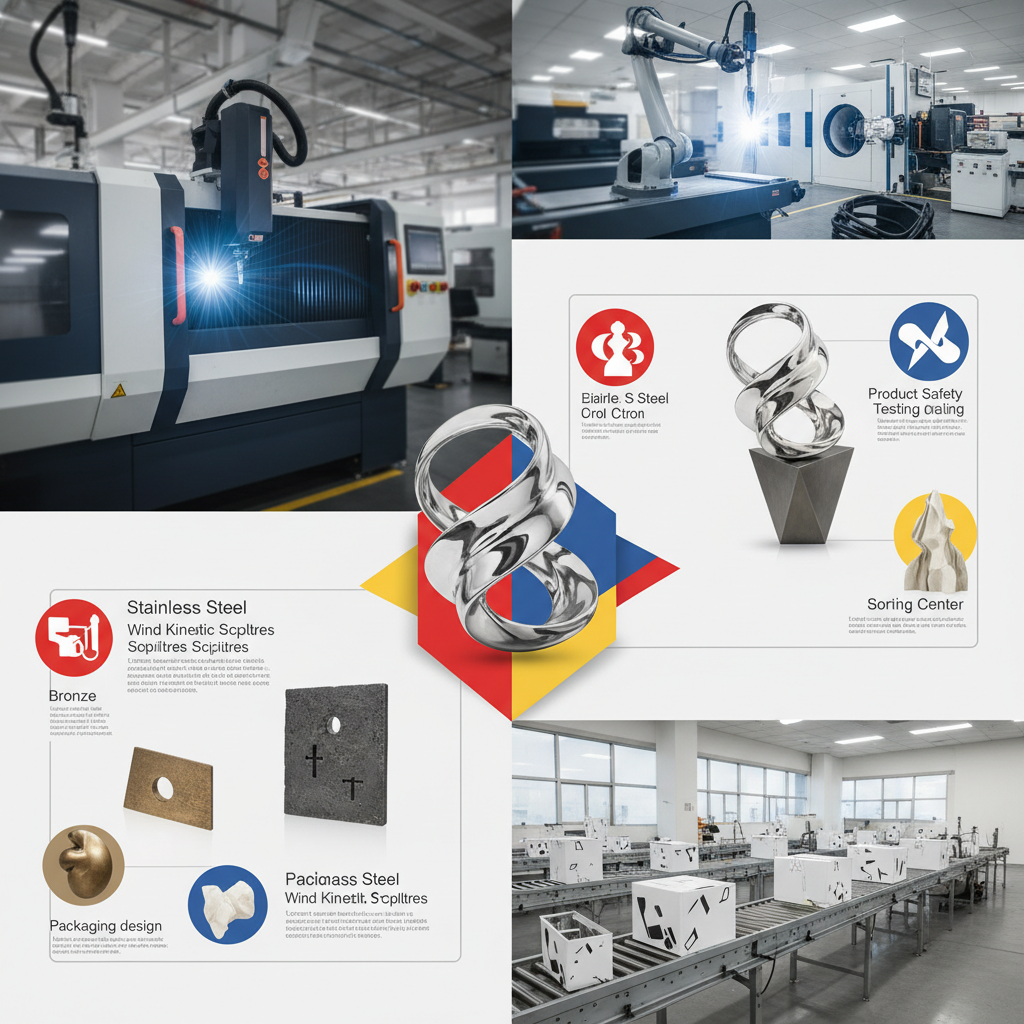
Finally, cost efficiency in production has become a key driver. By utilizing CNC milling and 3D printing for initial prototypes, manufacturers can refine the artistic vision before committing to expensive casting processes. This synergy between technology and art ensures that high-concept designs can be realized without compromising the budget or the artist's original intent.
Global Applications of Abstract Installations
In the realm of urban revitalization, modern sculpture art is frequently used to transform desolate industrial zones into vibrant cultural hubs. By installing large-scale abstract works, cities can create a "sense of place," attracting tourists and increasing the economic value of the surrounding real estate.
From the sprawling gardens of Singapore to the corporate plazas of New York, bronze and marble installations serve as anchors of stability and sophistication. These works often reflect the local identity—incorporating regional flora or fauna into abstract forms—thereby bridging the gap between global modernism and local tradition.
Beyond public spaces, these artworks are increasingly found in healthcare environments. The calming effect of flowing, organic shapes in fiberglass or stone is used in modern hospitals to reduce patient anxiety and provide a meditative focal point, proving that art has a tangible impact on human well-being.
Comparative Performance of Sculptural Mediums
Selecting the right material for a modern sculpture art project involves balancing aesthetic goals with environmental realities. For instance, while marble offers an unparalleled luxury feel, it is susceptible to acid rain in highly polluted urban areas, making stainless steel or treated bronze a more logical choice for longevity.
Each medium brings a different "energy" to the space. Bronze evokes a sense of history and timelessness, whereas polished stainless steel reflects the surroundings, creating a futuristic and interactive experience. The following data illustrates how different materials score across key industry performance metrics.
Material Performance Analysis for Modern Sculpture Art
Long-Term Value and Sustainability in Art
Investing in modern sculpture art is not merely an aesthetic choice but a strategic financial decision. High-quality bronze and marble pieces tend to appreciate over time, especially when they are commissioned from renowned studios that employ traditional craftsmanship paired with modern design.
From a sustainability perspective, the industry is shifting toward eco-friendly casting methods and the use of recycled metals. By reducing the carbon footprint of the smelting process and utilizing non-toxic patinas, the modern sculpture industry is aligning itself with global green building standards (such as LEED), ensuring that art contributes to a healthier planet.
Future Trends in Digital and Kinetic Sculpture
The next frontier for modern sculpture art is the integration of motion and intelligence. Kinetic sculptures, which use wind, water, or electronic motors to create changing forms, are becoming increasingly popular in public parks. These pieces transform the viewer from a passive observer into an active participant in a living artwork.
Simultaneously, the rise of Augmented Reality (AR) is allowing artists to create "hybrid" sculptures. A physical bronze piece can be enhanced with a digital layer that viewers access via their smartphones, adding narrative depth, animation, or educational data to the physical form.
Automation and AI are also playing a role in the design phase. Generative design algorithms can now suggest structural optimizations that human artists might never consider, resulting in organic, bone-like structures that are incredibly strong yet use minimal material, pushing the limits of structural efficiency.
Overcoming Technical Challenges in Large-Scale Art
The primary challenge in executing large-scale modern sculpture art is managing the tension between artistic vision and physical reality. Wind loading, seismic activity, and thermal expansion can all compromise a massive installation. Expert engineers must work alongside artists to develop internal armatures—often made of high-grade galvanized steel—to support the outer skin of the artwork.
Another common hurdle is the logistics of transportation and installation. Moving a multi-ton marble or bronze piece requires specialized rigging and precision cranes. The solution lies in modular design, where the sculpture is cast in sections and seamlessly welded or bolted together on-site, ensuring a flawless finish without the risk of transport damage.
Finally, surface degradation remains a constant battle. To combat this, the industry has developed advanced nano-coatings and hydrophobic sealants that protect the sculpture from UV rays and pollution, significantly extending the intervals between professional restorations.
Technical Analysis of Modern Sculpture Art Implementation
|
Material Type
|
Primary Challenge
|
Engineering Solution
|
Maintenance Level
|
| Bronze |
Oxidation/Patina Shift |
Wax-based Protective Coatings |
Moderate |
| Stainless Steel |
Surface Fingerprints/Smudges |
Electropolishing |
Low |
| Marble |
Structural Fragility/Cracks |
Internal Steel Pinning |
High |
| Corten Steel |
Rust Run-off Staining |
Controlled Drainage Bases |
Very Low |
| Fiberglass |
UV Degradation/Fading |
Automotive-Grade Gel Coats |
Moderate |
| Cast Iron |
Extreme Weight/Brittleness |
Reinforced Concrete Footings |
Moderate |
FAQS
The choice depends on the desired mood and environment. Bronze is ideal for a classic, organic, or timeless feel and develops a natural patina over time. Stainless steel is better for a sleek, modern, and futuristic look. From a technical standpoint, stainless steel offers superior corrosion resistance in coastal areas with high salt content, whereas bronze requires more regular waxing to maintain its finish.
Yes, especially when purchasing works from established studios or artists with a proven track record. Quality materials like marble and bronze hold their intrinsic value well, and the artistic value often increases as the artist's reputation grows. For commercial properties, these installations increase the "prestige value" of the location, often leading to higher property valuations.
The timeline varies based on complexity. A standard installation typically takes 1-2 weeks on-site, but this follows months of planning. The process includes site surveying, foundation pouring (concrete footings), transporting the piece via flatbed, and final precision hoisting and bolting. Modular pieces can often be installed more quickly than single-block marble works.
In terms of absolute longevity (centuries), bronze and stone are superior. However, high-grade industrial fiberglass with UV-resistant coatings is incredibly durable for 20-50 year cycles. It is particularly advantageous for very large, complex shapes where the weight of bronze would be structurally prohibitive or too expensive to transport.
Marble is porous and sensitive to pollutants. The best practice is to apply a professional-grade breathable sealant that prevents water and oil penetration without trapping moisture inside the stone. Regular gentle cleaning with pH-neutral soap and water is recommended, avoiding harsh chemicals that can etch the surface.
Absolutely. Most professional sculpture studios work through a collaborative process: conceptual sketching, 3D modeling, a small-scale maquette (prototype), and finally full-scale production. This ensures the final piece aligns perfectly with the corporate identity, architectural style, and the specific values the company wishes to project.
Conclusion
Modern sculpture art is far more than a decorative addition to a space; it is a sophisticated blend of material science, engineering, and emotional expression. From the enduring strength of bronze and marble to the avant-garde flexibility of stainless steel and fiberglass, these artworks bridge the gap between human imagination and physical reality. By focusing on durability, scalability, and the intelligent use of space, contemporary sculpture enhances our urban environments and provides a lasting legacy of cultural innovation.
As we move toward a future defined by digital integration and sustainable manufacturing, the role of the sculptor continues to evolve. We encourage architects, developers, and art enthusiasts to embrace the transformative power of abstract forms to create spaces that inspire and provoke thought. To explore our extensive collection and commission your next landmark piece, visit our website: www.firststatue.com