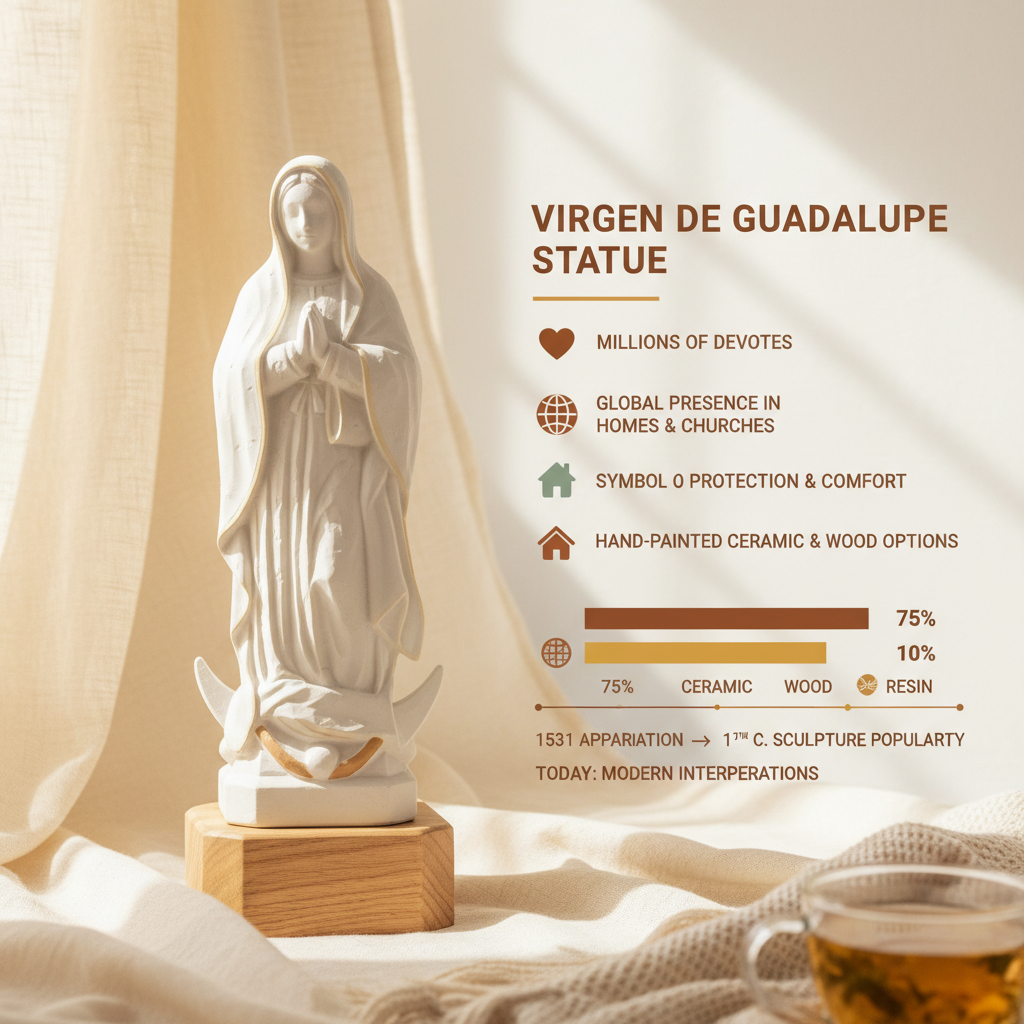
The Virgen de Guadalupe statue holds profound cultural and religious significance, particularly within Mexico and amongst the Mexican diaspora worldwide. More than just a religious icon, it represents hope, compassion, and a powerful historical narrative that resonates deeply with millions. This statue embodies the blending of indigenous beliefs with Catholicism, offering a unique artistic and spiritual expression. Understanding its creation, symbolism, and historical context provides insights into Mexican identity, artistry, and faith, driving demand for high-quality replicas and original sculptures like those crafted by virgen de guadalupe statue artisans.
The global market for religious art and statues is substantial, fueled by devotional practices and the increasing appreciation for cultural artifacts. Demand for the virgen de guadalupe statue extends beyond religious consumers, attracting collectors and art enthusiasts drawn to its intricate details and historical importance. The statue’s enduring appeal necessitates skilled craftsmanship and a commitment to preserving the authenticity of the original iconography. This translates into a need for reputable manufacturers and suppliers capable of delivering exceptional virgen de guadalupe statue pieces that meet the diverse needs of a global clientele.
The increasing global demand for culturally significant pieces like the virgen de guadalupe statue highlights the importance of ethical sourcing, skilled artistry, and accurate representation. Ensuring the quality and authenticity of these statues is paramount, as they serve not only as religious objects but also as valuable cultural heirlooms. This demand drives innovation in materials and sculpting techniques, while also emphasizing the need for sustainable practices and responsible manufacturing processes to support the continued creation of these significant works of art, including high-quality virgen de guadalupe statue.
The Historical Development of virgen de guadalupe statue
The story of the virgen de guadalupe statue is deeply rooted in the accounts of Juan Diego, an indigenous Mexican peasant, who purportedly received apparitions of the Virgin Mary on Tepeyac Hill in 1531. These appearances coincided with the early years of Spanish colonization and the evangelization of Mexico, making the virgen de guadalupe statue a crucial symbol in the conversion of the indigenous population. The image imprinted on Juan Diego’s tilma (cloak) became the basis for the iconic depiction of the Virgen de Guadalupe.
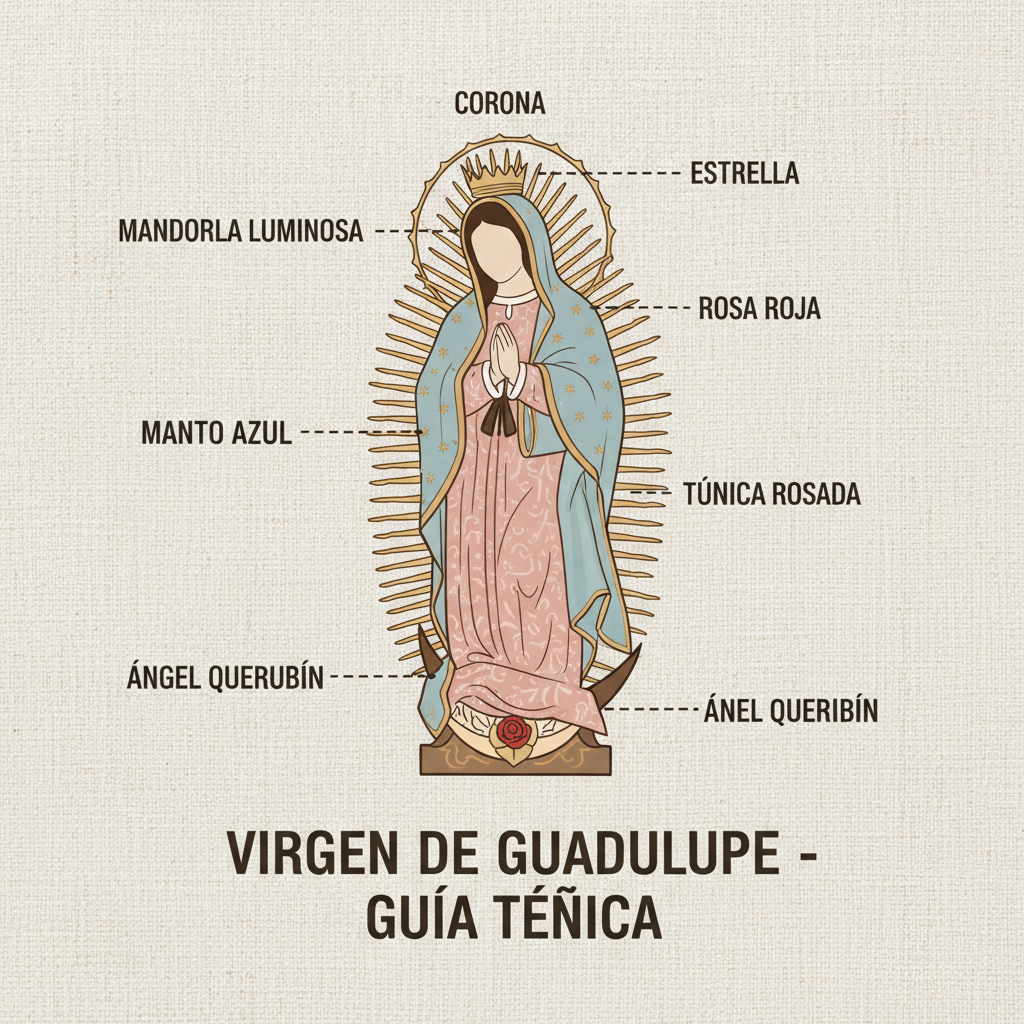
Over the centuries, the virgen de guadalupe statue has undergone various artistic interpretations, yet always maintains key elements like the dark complexion of the Virgin, the crescent moon, the stars, and the tilma’s design. The evolution of the statue's creation reflects advancements in sculpting techniques and materials, from early wood carvings to the use of bronze, marble, and more contemporary materials. These variations illustrate a continuous adaptation of tradition while retaining the core spiritual meaning embodied in the virgen de guadalupe statue.
Cultural and Religious Significance of virgen de guadalupe statue
The virgen de guadalupe statue is far more than a religious icon; it's a powerful symbol of Mexican identity and a representation of the blending of cultures. For many Mexicans, she is a patron saint, offering comfort, hope, and protection. The statue embodies a sense of national unity and pride, transcending social and economic boundaries. Pilgrimages to the Basilica of Guadalupe in Mexico City, home to the original tilma, are among the most significant religious events in the world.
The symbolism embedded within the virgen de guadalupe statue is multifaceted. The dark skin tone is believed to represent solidarity with the indigenous population, while the Nahuatl language elements incorporated into the image further demonstrate this cultural connection. The stars and moon allude to biblical passages and hold specific meanings within indigenous cosmology. The statue serves as a visual reminder of faith, resilience, and the enduring power of cultural heritage, and is reflected in every meticulously crafted virgen de guadalupe statue.
The religious importance extends to the diaspora communities, where the virgen de guadalupe statue serves as a vital link to their ancestral roots. The statue is often displayed prominently in homes, churches, and cultural centers, fostering a sense of community and preserving traditions for future generations. This enduring devotion drives continued demand for high-quality, authentically crafted virgen de guadalupe statue.
Artistic Styles and Materials Used in virgen de guadalupe statue Creation
Traditionally, virgen de guadalupe statue sculptures were crafted from wood, offering an accessible and readily available material for artisans. However, over time, more durable and aesthetically refined materials like bronze, marble, and ceramic became increasingly popular. Bronze provides a lasting quality and allows for intricate detailing, while marble offers a sense of elegance and permanence. The choice of material often reflects the intended purpose and the financial resources available.
Artistic styles range from traditional, highly detailed depictions faithfully replicating the image on the tilma, to more modern and abstract interpretations. Some artisans incorporate indigenous motifs and techniques into their work, blending traditional iconography with contemporary artistic expression. Regardless of the style, the objective remains consistent: to capture the spiritual essence and cultural significance of the virgen de guadalupe statue. virgen de guadalupe statue artisans utilize these materials and styles to reflect that meaning.
The level of craftsmanship varies widely, from mass-produced statues to those created by individual artisans employing time-honored techniques. Hand-carved statues, particularly those made from high-quality materials, are often considered more valuable and sought after by collectors and devotees. The attention to detail, the precision of the sculpting, and the overall artistic quality are key factors that determine the value and significance of a virgen de guadalupe statue.
Factors Influencing the Value of virgen de guadalupe statue
Several factors contribute to the value of a virgen de guadalupe statue. The material used is a primary determinant, with bronze and marble statues generally commanding higher prices than those made from wood or resin. The size and intricacy of the sculpture also play a significant role, as larger and more detailed statues require more time and skill to create.
The artist’s reputation and provenance significantly impact value. Statues created by well-known or historically significant artisans are often highly prized by collectors. The age of the statue and its historical context can also increase its value, particularly if it has been associated with important events or individuals. The condition of the statue – free from damage or restoration – is paramount.
Factors Contributing to virgen de guadalupe statue Value
Global Production and Distribution of virgen de guadalupe statue
Mexico remains the primary center for the production of virgen de guadalupe statue sculptures, with numerous workshops and artisans dedicated to creating these religious icons. However, production has expanded to other countries, including China and the Philippines, where lower labor costs can lead to more affordable statues.
The distribution network for virgen de guadalupe statue sculptures is extensive, encompassing religious supply stores, online retailers, and direct sales from artisans. Large-scale distributors often serve wholesale clients, supplying statues to churches, schools, and other institutions. Online platforms have significantly expanded access to virgen de guadalupe statue, allowing consumers worldwide to purchase directly from manufacturers and artisans.
Maintaining Authenticity and Quality in virgen de guadalupe statue
Ensuring the authenticity and quality of virgen de guadalupe statue sculptures is crucial, especially given the proliferation of mass-produced replicas. Consumers should look for statues crafted by reputable artisans or manufacturers who adhere to traditional techniques and use high-quality materials.
Certifications and hallmarks can provide assurance of authenticity and quality. Examining the details of the sculpture, such as the precision of the carving and the finish, can also help determine its value and authenticity. Supporting artisans who prioritize craftsmanship and ethical production practices is essential for preserving the artistic heritage associated with the virgen de guadalupe statue.
Transparency in sourcing and production processes also builds trust and assures buyers that the statue aligns with their values. Purchasing directly from artisans or reputable retailers who can provide detailed information about the statue's origin and creation is a great way to guarantee authenticity.
Future Trends in virgen de guadalupe statue Design and Manufacturing
Emerging trends in virgen de guadalupe statue design include the incorporation of contemporary artistic styles and the use of sustainable materials. Artisans are experimenting with new techniques, such as 3D printing and digital sculpting, to create innovative and affordable statues.
There’s a growing demand for eco-friendly statues made from recycled materials or sustainably sourced wood. The use of technology to enhance the artistic process, like virtual reality for design visualization, is also gaining traction. A renewed emphasis on preserving traditional craftsmanship while embracing innovation is expected to drive future developments in virgen de guadalupe statue production.
Personalization and customization are also emerging trends, with consumers seeking statues tailored to their specific preferences and devotional practices. This shift towards individualized expression is driving demand for bespoke designs and handcrafted pieces.
A Summary of Factors Influencing the Future of virgen de guadalupe statue Production
| Material Innovation |
Technological Integration |
Consumer Customization |
Sustainability Practices |
| Exploring recycled materials |
Implementation of 3D printing |
Offering personalized size options |
Sourcing wood from sustainable forests |
| Developing bio-degradable resins |
Utilizing VR for design previews |
Allowing custom pose requests |
Reducing waste in the manufacturing process |
| Testing alternative metal alloys |
Employing digital sculpting software |
Offering custom color finishes |
Using eco-friendly packaging materials |
| Researching eco-friendly pigments |
Automating intricate carving tasks |
Creating personalized inscription options |
Implementing carbon-neutral shipping practices |
| Focus on durable, long-lasting materials |
Improving precision in casting processes |
Offering personalized accessory options |
Adopting circular economy principles |
| Promoting material transparency |
Streamlining production workflow |
Providing custom design consultations |
Investing in renewable energy sources |
FAQS
Hand-carved statues typically exhibit a higher level of detail, artistry, and uniqueness, as each piece is individually crafted. Mass-produced statues, while more affordable, often lack the nuance and individual character of handcrafted works. The materials used can also differ, with hand-carved statues often utilizing higher-quality wood or stone. This impacts both the aesthetic appeal and the long-term durability of the virgen de guadalupe statue.
To maintain the luster of a bronze statue, regular dusting with a soft cloth is essential. Avoid using abrasive cleaners, as they can damage the patina. Periodically applying a thin coat of beeswax or bronze polish can help protect the surface and prevent tarnishing. Avoid exposing the statue to excessive moisture or direct sunlight, as these can accelerate the oxidation process. Proper care ensures your virgen de guadalupe statue remains beautiful for generations.
Modern virgen de guadalupe statue production utilizes a wide range of materials, including bronze, marble, ceramic, resin, and even fiberglass. Increasingly, artisans are exploring sustainable materials like recycled plastics and sustainably sourced wood. The choice of material often depends on the desired aesthetic, budget, and environmental considerations. virgen de guadalupe statue manufacturers prioritize durability and aesthetic appeal.
While there isn’t a single universal certification, looking for statues from established artisans or manufacturers with a proven track record of quality is essential. Some artisans may include hallmarks or signatures on their work, verifying its authenticity. Reputable retailers often provide certificates of authenticity or detailed information about the statue's origin and materials. When purchasing a virgen de guadalupe statue, always inquire about the artist and provenance.
The size of a virgen de guadalupe statue significantly impacts its price due to several factors. Larger statues require more materials, increased labor hours, and often specialized equipment for sculpting and finishing. They also tend to be more complex in design and require greater artistic skill. As a result, larger statues are generally considerably more expensive than smaller ones. The intricacy of the details adds to the value of any virgen de guadalupe statue.
Reputable sources include established religious supply stores, art galleries specializing in religious art, and online retailers with a proven track record. Directly purchasing from artisans, either through their workshops or online platforms, can also ensure authenticity and quality. When searching online, look for retailers with detailed product descriptions, customer reviews, and secure payment options. virgen de guadalupe statue can be found on our reputable website.
Conclusion
The virgen de guadalupe statue remains a powerful symbol of faith, culture, and artistic expression. Its enduring appeal transcends geographical boundaries and continues to inspire devotion and appreciation worldwide. Understanding its historical roots, artistic techniques, and evolving trends allows for a deeper appreciation of its significance and ensures the preservation of this cultural treasure.
As consumer demand evolves, a commitment to sustainability, authenticity, and innovative design will be crucial for the future of virgen de guadalupe statue production. Supporting skilled artisans, embracing ethical sourcing practices, and preserving the artistry associated with these sculptures will ensure their continued relevance and cultural significance for generations to come. Explore our collection of exquisitely crafted statues and experience the enduring beauty of virgen de guadalupe statue today!
Post time:Apr . 06, 2026 06:21