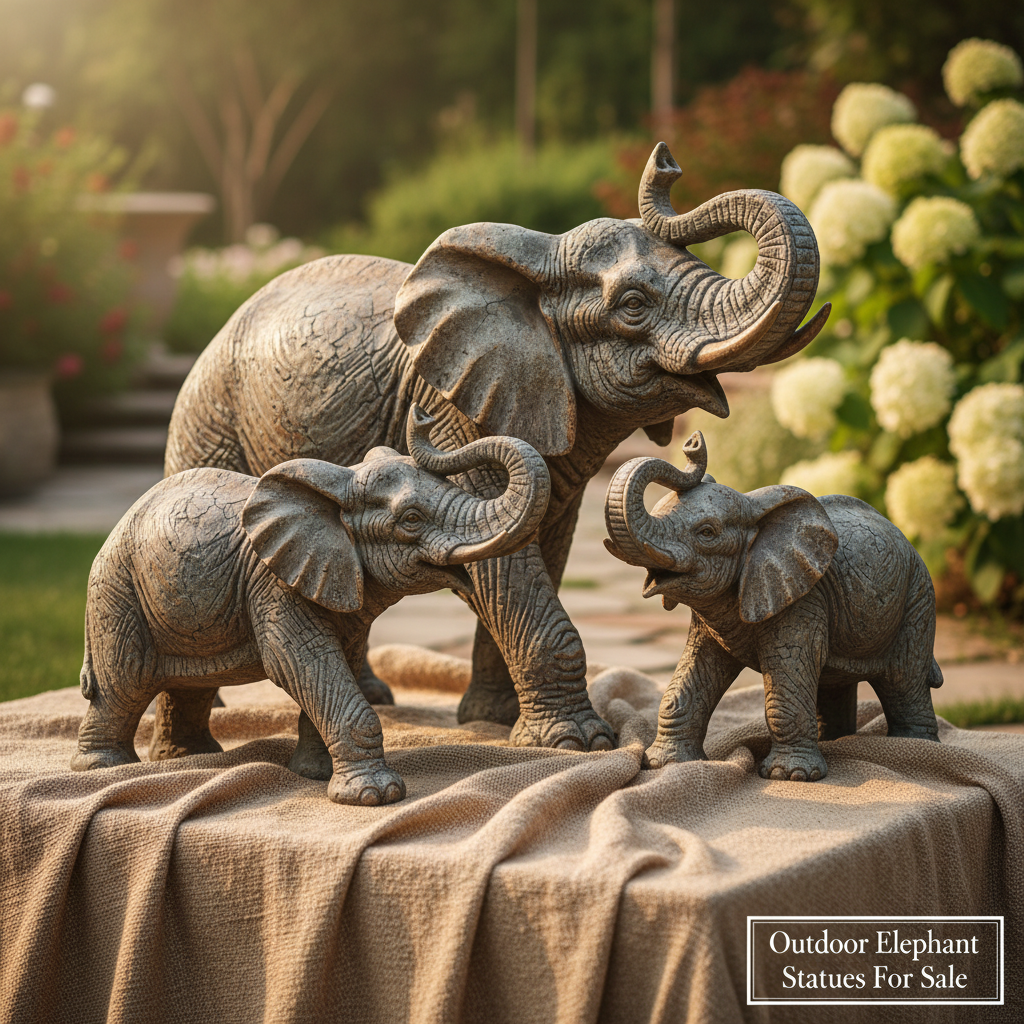
Look, after running around construction sites all year, you start to see patterns. Lately, everyone’s talking about prefabrication, right? Modules, assemblies… it’s all about getting stuff done offsite and minimizing disruption. Seems straightforward, doesn't it? To be honest, it's not. There’s a rush to adopt, but a lot of folks are overlooking the basics.
Have you noticed how everyone wants everything "smart" now? Even the simplest components. It’s like adding Bluetooth to a hammer. Completely unnecessary, and honestly, just adds another point of failure. I encountered this at a factory in Ningbo last time – they were trying to integrate sensors into their metal statue frames for “stress monitoring”. Stress monitoring! On a statue. Anyway, I think the real challenge isn’t about adding bells and whistles, it's about durable, reliable manufacturing.
The Current Landscape of metal statue manufacturer
The market for metal statues is… surprisingly robust. It's not just public art anymore. It's architectural elements, high-end interior design, even bespoke commemorative pieces. There’s a huge demand, especially from overseas. Strangely, a lot of the clients are coming from the entertainment industry - film props, theme park installations… It’s a good time to be a metal statue manufacturer, that's for sure.
But it's getting harder to find skilled labor. The old-guard welders and sculptors are retiring, and the younger generation… well, they’re more interested in coding than casting bronze. That’s a real problem. We’re trying to bridge the gap with training programs, but it’s slow going.
Common Pitfalls in Design and Manufacturing
I’ve seen it time and time again: over-complicated designs. Architects and designers get carried away with curves and angles that are just nightmares to fabricate. They draw it beautifully on paper, but they haven’t thought about how you’re actually going to make it. Then you get into stress points, weld integrity, all sorts of headaches. Another big one? Underestimating the weight. Metal is heavy. Really heavy. You need to factor in the structural support from the start. Otherwise, it’ll just topple over. It’s embarrassing, honestly.
And then there’s the tolerance issue. Clients want everything perfect. But metal expands and contracts with temperature changes. There’s always going to be some slight movement. Trying to achieve absolute perfection is a waste of time and money. You have to design for it.
And don’t even get me started on finishing. People want specific patinas, specific textures… It’s an art form in itself. It requires a lot of experience and a keen eye. You can’t just slap on some paint and call it a day.
Materials Matter: A Hands-On Perspective
We primarily work with bronze, stainless steel, and aluminum. Bronze, of course, is the classic. It has that rich, warm color. But it’s expensive and requires a lot of maintenance. Stainless steel is more durable and weather-resistant, but it can be difficult to weld and polish. Aluminum is lightweight and relatively inexpensive, but it’s not as strong as the others. You really feel the difference when you’re handling it. Bronze smells… metallic, almost sweet. Stainless steel is cold and smooth. Aluminum feels a bit flimsy.
We source our materials from a few key suppliers. It's important to build those relationships. You need to trust your suppliers. You need to know they’re delivering quality materials. I remember one time, we got a bad batch of stainless steel from a new supplier… it was full of impurities. The welds were weak, the polish was uneven. A complete disaster. We haven’t used them since.
The feel of the metal tells you a lot, truly. A good piece of bronze has a certain weight and resonance. When you tap it, it rings. A cheap piece… it just thuds. You learn to recognize the difference after a while. And the smell of the welding fumes? It's awful, of course, but even that tells you something about the metal you're working with. Different alloys have different fumes. Later… Forget it, I won’t mention it. It’s just something you pick up after years on the shop floor.
Real-World Testing and Quality Assurance
Lab tests are okay, but they don’t tell the whole story. We put our statues through real-world conditions. We expose them to extreme temperatures, harsh weather, even vandalism. We simulate years of wear and tear in a matter of weeks.
For example, we have a testing ground where we bury sections of our metal in various soils. We check for corrosion, erosion, and structural integrity. We also conduct stress tests. We apply loads to the statues to see how much weight they can handle before they fail. We’re looking for weak points, potential failure modes. It's not glamorous work, but it's essential.
Metal Statue Manufacturer – Key Quality Metrics
Understanding Actual User Application
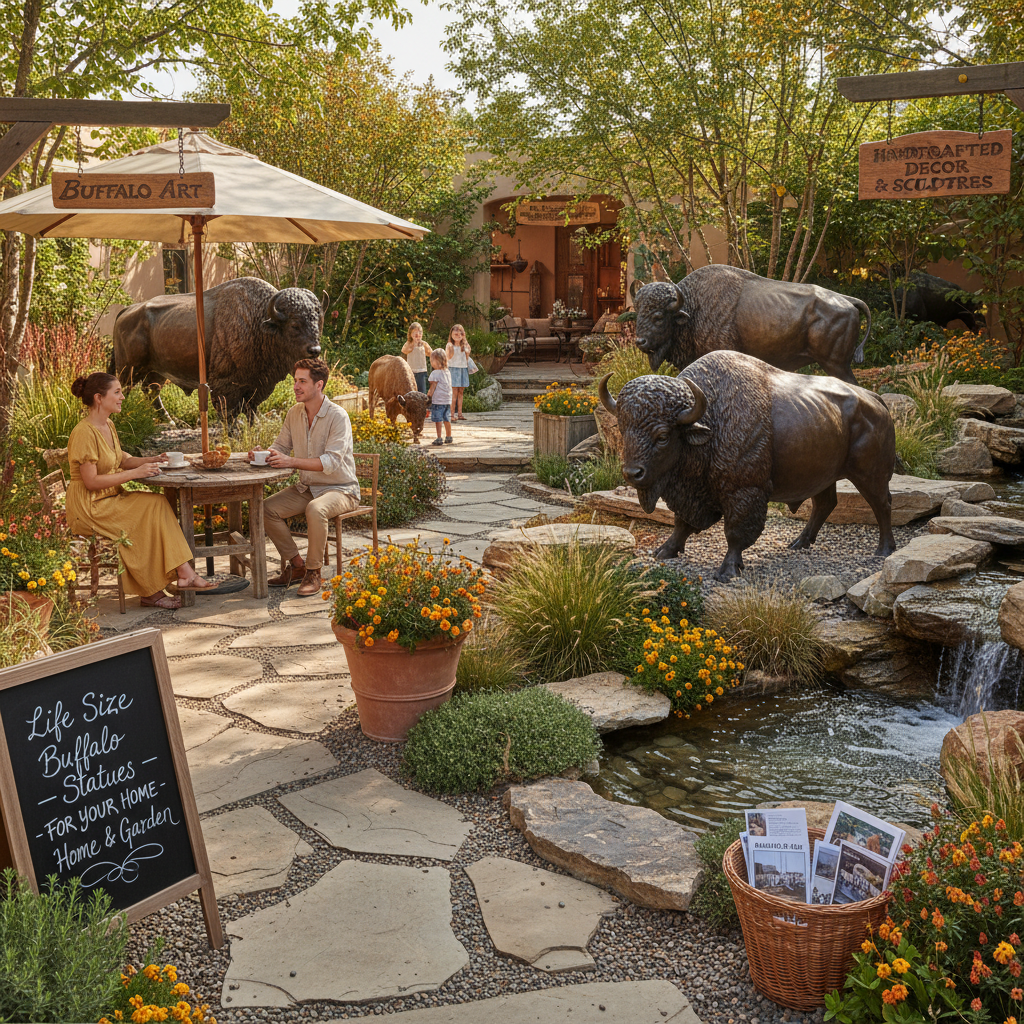
It’s rarely what you expect, honestly. We built a huge bronze statue of a lion for a casino in Macau. The client wanted it to be imposing, majestic. But it turns out, people were climbing on it, taking selfies with it. They were treating it like a playground. We had to reinforce the base and add a protective coating to prevent scratches.
Then there’s the outdoor installations. People try to steal bits and pieces. They vandalize them. You have to design for that. You have to make them as tamper-proof as possible. It's frustrating, but it’s the reality.
Advantages, Disadvantages, and Customization
The biggest advantage of metal statues is their durability. They can last for generations. They’re weather-resistant, vandal-resistant (to a certain extent), and they require relatively little maintenance. The downside? The cost. Metal is expensive. And the fabrication process is labor-intensive.
We can customize just about anything. Size, shape, material, finish… you name it. Last month, that small boss in Shenzhen who makes smart home devices insisted on changing the interface to , and the result was…well, a very expensive, non-functional metal statue with a USB-C port. He thought it would look "modern." It didn’t.
But seriously, we’ve done everything from replicating historical figures to creating abstract sculptures. We've even incorporated lighting and water features into some of our designs. It’s all about collaboration with the client and pushing the boundaries of what’s possible.
A Customer Story: The Debacle
It was last month, in Shenzhen, as I mentioned. This tech guy, Mr. Li, runs a smart home company, and he wanted a metal sculpture for his lobby. He had this crazy idea to integrate a port into the base, claiming it symbolized connectivity. I tried to explain it was impractical, aesthetically jarring, but he wouldn’t listen. He insisted.
So we built it. It looked… awful. And the port didn't even work. It was just a decorative element. He was furious, demanding we remove it. We ended up charging him extra for the rework. It taught me a valuable lesson: sometimes, you just have to let the client make a mistake.
Anyway, I think he eventually understood. He’s now commissioning us for a more…traditional… piece. A simple, elegant bronze sculpture. No USB ports in sight.
Summary of Key Performance Indicators for Metal Statue Manufacturing
| Material Quality |
Welding Integrity |
Surface Finish |
Dimensional Accuracy |
| Bronze – Purity and Composition |
Penetration Depth (mm) |
Gloss Level (GU) |
Deviation from Design (mm) |
| Stainless Steel – Corrosion Resistance |
Tensile Strength (MPa) |
Surface Roughness (Ra) |
Tolerance Achieved (+/- mm) |
| Aluminum – Alloy Grade |
Weld Porosity (%) |
Coating Thickness (µm) |
Geometric Dimensioning & Tolerancing (GD&T) |
| Material Traceability – Supplier Certification |
Impact Resistance (Joule) |
Color Consistency (ΔE) |
Conformance to 3D Model |
| Incoming Material Inspection Rate (%) |
Fatigue Life (Cycles) |
UV Resistance (Hours) |
Compliance with Engineering Drawings |
| Batch Analysis for Impurities |
Non-Destructive Testing (NDT) Results |
Adhesion Strength (MPa) |
Overall Quality Score (1-10) |
FAQS
Lead times vary significantly depending on the size and complexity of the project. A simple, smaller piece might take 6-8 weeks from design approval to delivery. A large, intricate sculpture could easily take 6-12 months, or even longer. It really depends on material sourcing, fabrication time, and finishing requirements. We always try to provide a realistic timeline upfront, but unexpected delays can happen, especially with custom designs. Communication is key - we keep clients informed throughout the process.
Maintenance depends on the material and the environment. Bronze statues, for example, will develop a patina over time. Some people like this natural aging process, while others prefer to keep the bronze looking polished. Stainless steel requires occasional cleaning to remove dirt and grime. Aluminum is relatively low-maintenance. Regardless of the material, it’s important to protect the statues from harsh chemicals and abrasive cleaners. Regular inspection for any signs of damage is also recommended.
Yes, but proper preparation is crucial. We use marine-grade stainless steel and corrosion-resistant coatings to protect the statues from the elements. The foundation is also important – it needs to be strong and stable enough to withstand wind and weather. We always recommend consulting with a structural engineer to ensure the statue is properly anchored and supported. We also advise clients on appropriate protective measures, such as applying a sealant or wax coating.
The cost varies wildly. A small tabletop sculpture might cost a few hundred dollars. A life-size bronze statue could easily cost tens of thousands of dollars, or even more. The price depends on the size, complexity, material, and finishing requirements. Labor costs are also a significant factor. It’s hard to give a precise estimate without knowing the specifics of the project. We provide detailed quotes based on each client’s individual needs.
We prefer 3D models in .STL, .OBJ, or .STEP formats. Detailed 2D drawings in .DWG or .DXF are also helpful. The more information you can provide, the better. We also work with sketches and concepts, but they may require additional development time. It’s important to ensure the design is clear, accurate, and manufacturable. We’re happy to provide feedback on designs and suggest modifications if necessary.
We do not directly offer installation services, but we can recommend qualified installers in your area. Installation is a specialized skill, and it's important to use someone who is experienced and knowledgeable. We provide detailed installation instructions and can work with the installer to ensure the statue is properly installed and secured. We also offer remote support during the installation process.
Conclusion
So, where does that leave us? The world of metal statues is surprisingly complex, a blend of artistry, engineering, and good old-fashioned hard work. It's not just about aesthetics; it's about durability, practicality, and understanding the forces that will act upon these creations for years to come. It's a field that demands expertise, attention to detail, and a willingness to adapt to changing technologies and client expectations.
Ultimately, whether this thing works or not, the worker will know the moment he tightens the screw. And if that screw doesn't hold… well, we start all over again. Visit our website at www.firststatue.com to learn more about our capabilities.
Post time:Jan . 30, 2026 06:10