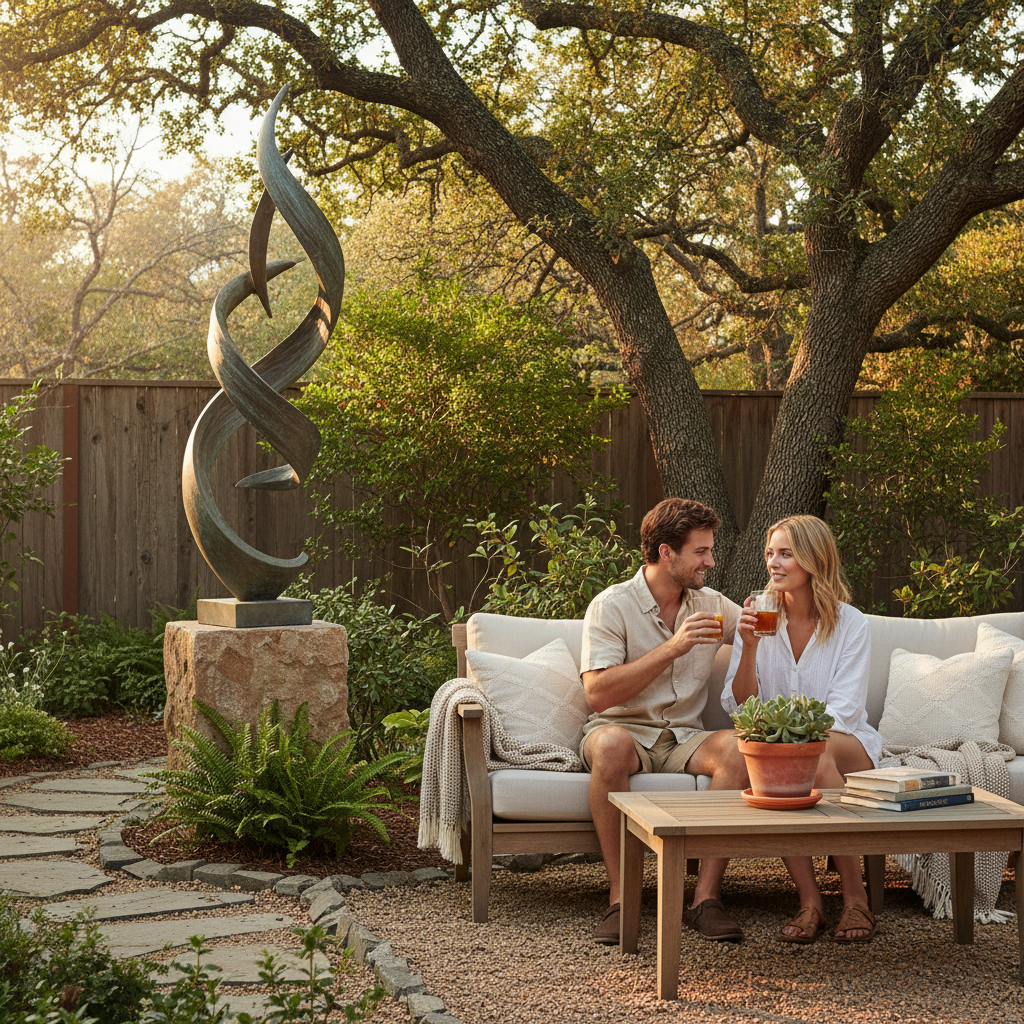
Integrating a high-quality garden art sculpture into an outdoor space is more than a simple act of decoration; it is an investment in the emotional and aesthetic atmosphere of a home or public square. By blending form, material, and environment, these artistic pieces serve as focal points that bridge the gap between human creativity and the organic beauty of nature, creating a sanctuary for reflection and inspiration.
Globally, the demand for bespoke outdoor art has surged as urban populations seek to reclaim a sense of tranquility and connection with the earth. Whether through the timeless elegance of marble or the industrial strength of stainless steel, the right piece of art transforms a dormant backyard into a curated gallery, enhancing property value while providing a timeless legacy of taste and cultural appreciation.
Understanding the nuances of material selection, scale, and placement is crucial for anyone looking to elevate their landscape. From the spiritual serenity of a Buddha statue to the dynamic movement of a wind kinetic piece, the world of garden art offers an infinite palette for personal expression, ensuring that every outdoor space can tell a unique story of harmony and sophistication.
Global Relevance of Garden Art Sculpture
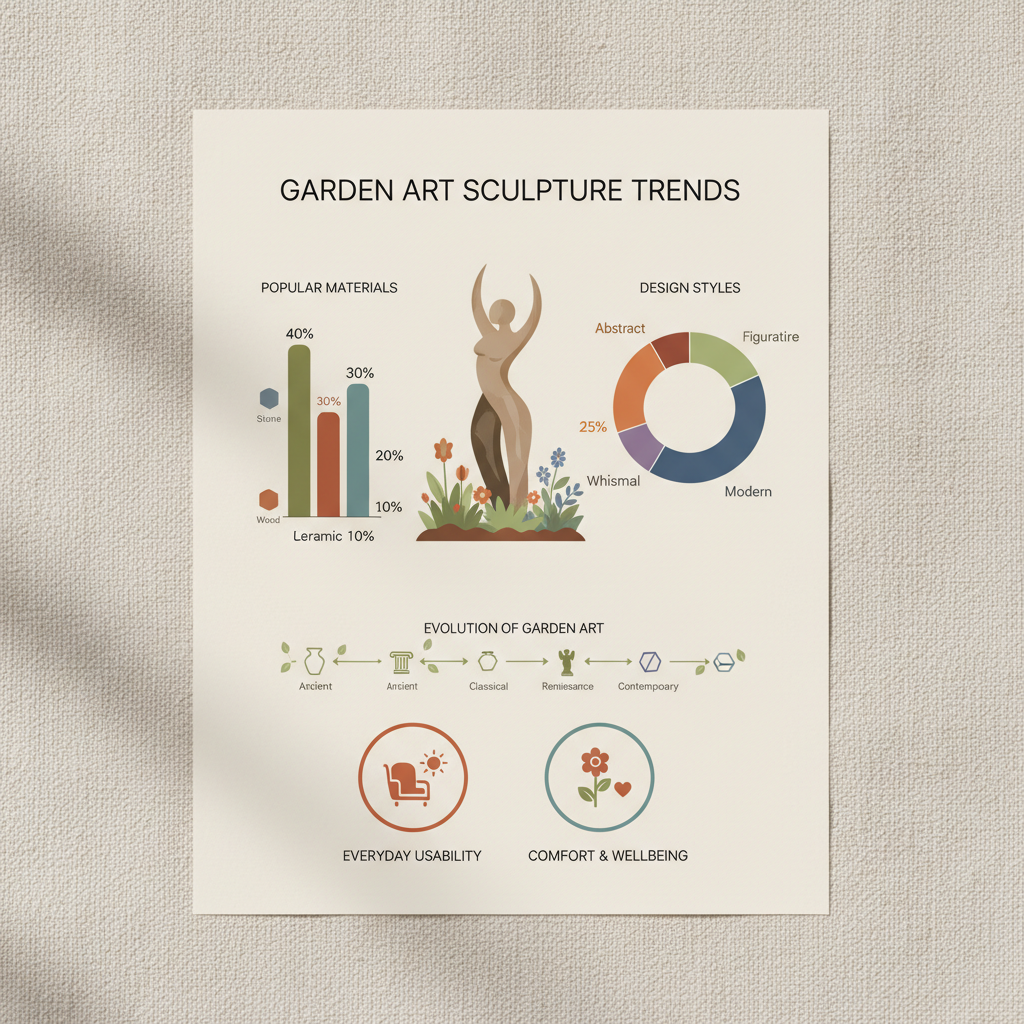
In the modern architectural landscape, the garden art sculpture has evolved from a luxury reserved for the aristocracy to a global symbol of wellness and environmental harmony. According to international design trends and urban planning data, there is a measurable increase in "biophilic design," where art is used to trigger positive psychological responses by mimicking natural forms or enhancing natural surroundings.
The primary challenge facing today's homeowners and urban planners is the "sterility" of modern construction. Industrialized building materials often lack warmth, leading to spaces that feel cold and impersonal. Outdoor sculpture addresses this by introducing organic curves, cultural narratives, and textural depth, effectively humanizing the built environment.
Defining Modern Garden Art Sculpture
At its core, a garden art sculpture is a three-dimensional artistic expression specifically engineered to withstand outdoor elements while enhancing the visual narrative of a landscape. Unlike indoor art, garden sculpture must negotiate a complex relationship with light, weather, and biological growth, making the choice of medium—be it bronze, marble, or corten steel—as important as the artistic vision itself.
In the context of modern industry, these sculptures represent a fusion of traditional craftsmanship and advanced metallurgy. The transition from hand-carved stone to CNC-milled molds and 3D-printed prototypes allows for a level of precision and scale that was previously unattainable, enabling the creation of massive abstract forms or hyper-realistic figures that seamlessly integrate into public parks and private estates.
Beyond the physical, garden art fulfills a deep humanitarian need for serenity and spiritual connection. In an age of digital saturation, a physical piece of art in a garden serves as a "grounding" mechanism, encouraging viewers to slow down, observe the play of shadows on a bronze surface, and engage with the tactile reality of their environment.
Core Components of High-End Sculptures
The durability of a garden art sculpture is the foremost technical consideration. Materials like Bronze and Stainless Steel are preferred for their innate resistance to oxidation and corrosion. A high-quality sculpture is not just about the initial appearance but about how the patina develops over decades, ensuring the piece ages gracefully within its ecological niche.
Scalability and proportion play a vital role in the success of any installation. A sculpture that is too small disappears into the foliage, while one that is too large overwhelms the space. The relationship between the height of the artwork and the surrounding canopy or architecture determines the visual flow and the "breathing room" of the garden.
Cost efficiency in garden art is found in the longevity of the material. While an initial investment in a marble or bronze piece may be higher than fiberglass, the lifecycle cost is significantly lower due to minimal maintenance requirements. Value is further derived from the artistic provenance and the emotional resonance the piece creates for the owner.
Global Applications and Use Cases
The application of garden art sculpture spans various sectors, from private luxury villas in the Mediterranean to corporate plazas in Singapore. In corporate environments, large-scale abstract stainless steel sculptures are often used to project a brand image of innovation, stability, and forward-thinking leadership, turning a simple entrance into a landmark.
In public sectors, such as botanical gardens or memorial parks, religious and figure statues provide a sense of continuity and heritage. For instance, in European plaza designs, classical marble sculptures are utilized to maintain a link with historical art movements, while in modern Asian urban centers, Zen-inspired bronze figures are integrated into "pocket parks" to offer stressed commuters a moment of meditative peace.
Material Performance in Garden Art Sculpture
Tangible Advantages and Long-Term Value
The primary advantage of investing in a professional garden art sculpture is the immediate increase in aesthetic and financial equity. A well-placed sculpture acts as a visual anchor, organizing the landscape and creating a sense of intention. Beyond the visual, these pieces offer psychological benefits, reducing stress and enhancing the overall quality of life for residents.
From a sustainability perspective, high-grade materials like stone and bronze are eco-friendly choices compared to plastic alternatives. They do not leach chemicals into the soil and possess a lifespan that spans generations. This longevity transforms the sculpture from a mere purchase into a family heirloom, providing a sense of dignity and permanence in an ever-changing world.
Future Trends in Outdoor Art Fabrication
The future of garden art sculpture is being shaped by the integration of "smart materials" and digital design. We are seeing the rise of kinetic sculptures that move with the wind or react to solar energy, turning the garden into an interactive experience. Automation in the casting process is also allowing for more complex, organic geometries that were previously impossible to mold.
Sustainability is also driving innovation in material science. The use of recycled metals and "green" concrete is becoming standard, as clients demand that their art reflects their commitment to the environment. Digital twins—creating a 3D virtual model of the sculpture in the actual garden before production—are now used to ensure perfect placement and lighting.
Furthermore, there is a growing trend toward "experiential art," where sculptures are designed to be touched, entered, or walked through. This shift moves the viewer from a passive observer to an active participant, making the garden a space of exploration and discovery rather than just a view.
Overcoming Challenges in Sculpture Installation
One of the most common challenges in deploying a garden art sculpture is the structural integrity of the foundation. Heavy materials like marble and bronze require reinforced concrete pads to prevent sinking or tilting over time. Expert engineers must analyze soil composition and drainage to ensure the artwork remains stable across all seasons.
Another limitation is the impact of local wildlife and environmental pollutants. Acid rain and bird droppings can erode certain types of stone or alter the finish of metal. The solution lies in the application of professional-grade sealants and a scheduled maintenance program, which protects the surface without compromising the artistic integrity.
Finally, the logistical challenge of transporting oversized pieces requires specialized rigging and transport solutions. By utilizing modular designs—where large sculptures are cast in sections and assembled on-site—manufacturers can reduce shipping costs and minimize the risk of damage during transit.
Comparative Analysis of Installation Factors for Garden Art Sculpture
| Material Type |
Foundation Requirement |
Maintenance Level |
Lifespan Expectancy |
| Cast Bronze |
Heavy Concrete Base |
Low (Waxing) |
100+ Years |
| Carved Marble |
Reinforced Slab |
Medium (Cleaning) |
80+ Years |
| Stainless Steel |
Standard Anchor |
Very Low |
50+ Years |
| Corten Steel |
Standard Anchor |
None (Self-Protecting) |
40+ Years |
| Fiberglass |
Lightweight Base |
High (Repainting) |
15-20 Years |
| Cast Iron |
Heavy Concrete Base |
Medium (Anti-rust) |
60+ Years |
FAQS
For rainy or humid climates, Bronze and Stainless Steel are the superior choices. Bronze develops a protective patina that prevents deep corrosion, while Stainless Steel is virtually impervious to moisture. Marble is also a strong contender, provided it is treated with a high-quality water-repellent sealant to prevent staining and moss growth.
The key is the "Rule of Proportion." For a focal point, the sculpture should occupy roughly 1/3 of the visual field of that specific area. If placing it in a corner, a vertical piece (like a figure statue) works best. For open lawns, a broader abstract piece creates a better balance. Always consider the sculpture's height relative to nearby trees and fences.
Yes, especially when the pieces are high-quality and well-integrated into the landscaping. Custom sculptures add "character" and "prestige" to a property, which are intangible assets that highly appeal to luxury homebuyers. A curated outdoor art collection transforms a house into an estate, significantly enhancing its marketability and perceived value.
Generally, a professional inspection and waxing every 1-2 years is recommended for bronze. This prevents atmospheric pollutants from pitting the metal and maintains the luster of the patina. For most homeowners, a gentle cleaning with water and a mild soap every few months is sufficient to remove dust and organic debris.
It is not recommended without significant structural reinforcement. Marble is extremely heavy and can cause wooden decks to sag or collapse over time. We suggest installing a concrete pad beneath the deck or reinforcing the joists with steel beams. Alternatively, consider a fiberglass sculpture, which offers a similar look with a fraction of the weight.
Figurative art (like animals or humans) provides a direct narrative and emotional connection, often creating a sense of guardianship or spiritual presence. Abstract art focuses on form, line, and material, encouraging the viewer to project their own meaning onto the piece. The choice depends on whether you want your garden to tell a specific story or evoke a general mood.
Conclusion
A garden art sculpture is far more than an ornament; it is a synthesis of material science, artistic vision, and environmental planning. By carefully selecting materials that balance durability with aesthetics—such as the timelessness of bronze or the modern edge of stainless steel—owners can create outdoor spaces that are not only visually stunning but also emotionally enriching and financially valuable.
As we move toward a future of sustainable and interactive design, the integration of art into our natural surroundings will only become more vital for our mental well-being. Whether you are seeking a piece of spiritual serenity or a bold architectural statement, investing in professional outdoor sculpture is a commitment to beauty that transcends time. Visit our website: www.firststatue.com to discover the perfect piece for your sanctuary.