Exploring the World of Stainless Steel Sculpture Manufacturers and Their Impact


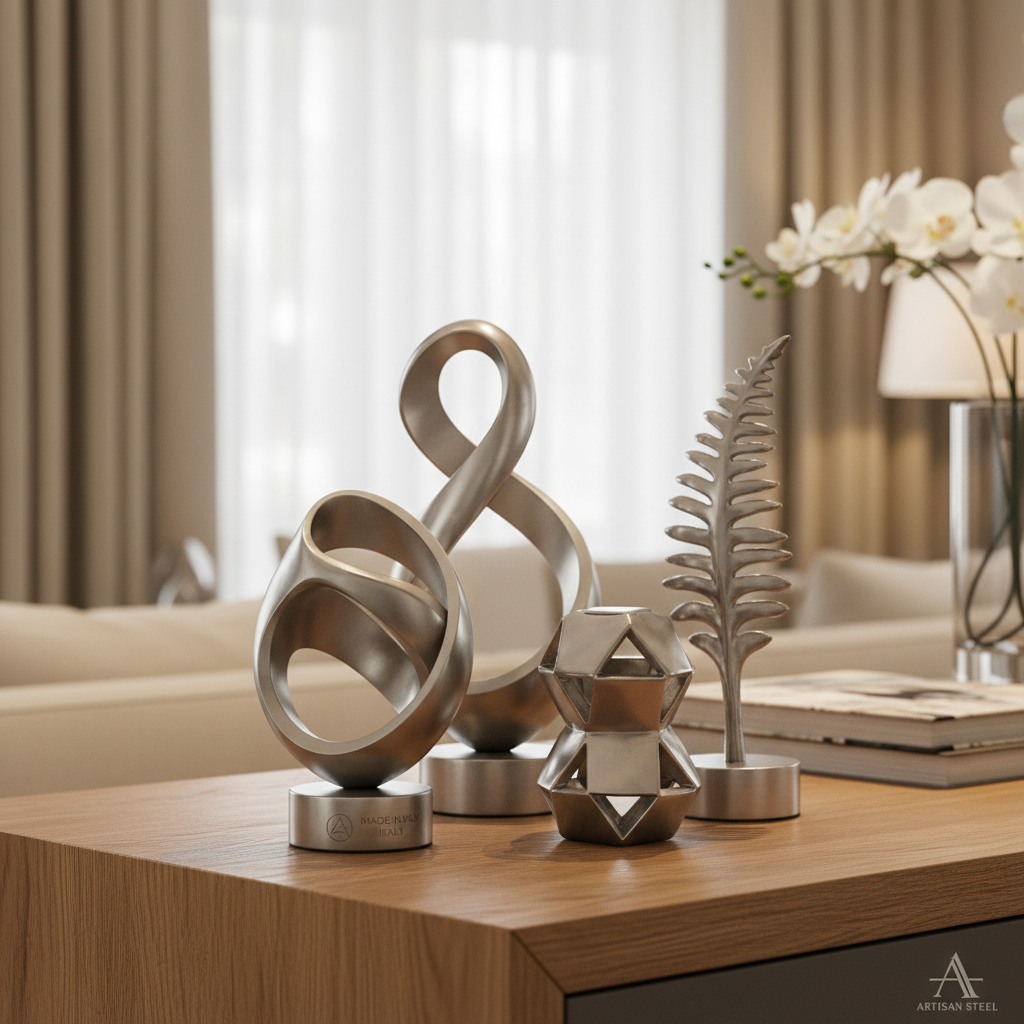
Stainless steel sculpture manufacturers play a crucial role in the global art and architectural landscape. They are the backbone of bringing artistic visions to life, transforming raw materials into enduring symbols of culture, commemoration, and aesthetic beauty. From iconic public installations to bespoke private commissions, these manufacturers combine technical expertise, artistic sensitivity, and logistical prowess to deliver exceptional sculptural works worldwide. Understanding the capabilities and nuances of these manufacturers is vital for artists, architects, urban planners, and collectors alike.

The demand for high-quality stainless steel sculptures has surged in recent decades, driven by factors such as its inherent durability, resistance to corrosion, and modern aesthetic appeal. This surge has prompted significant growth within the stainless steel sculpture manufacturing industry, with companies constantly innovating in techniques, materials, and scale. The industry's impact extends beyond aesthetics, contributing to economic development, job creation, and the revitalization of public spaces.

Selecting the right stainless steel sculpture manufacturer is paramount to the success of any project. Factors such as fabrication expertise, project management capabilities, quality control procedures, and adherence to timelines all contribute to a positive outcome. This guide will delve into the core aspects of stainless steel sculpture manufacturers, outlining their key capabilities, global applications, future trends, and the challenges they face.
Top Blog

The Significance of Stainless Steel Sculpture Manufacturers
Top Blog

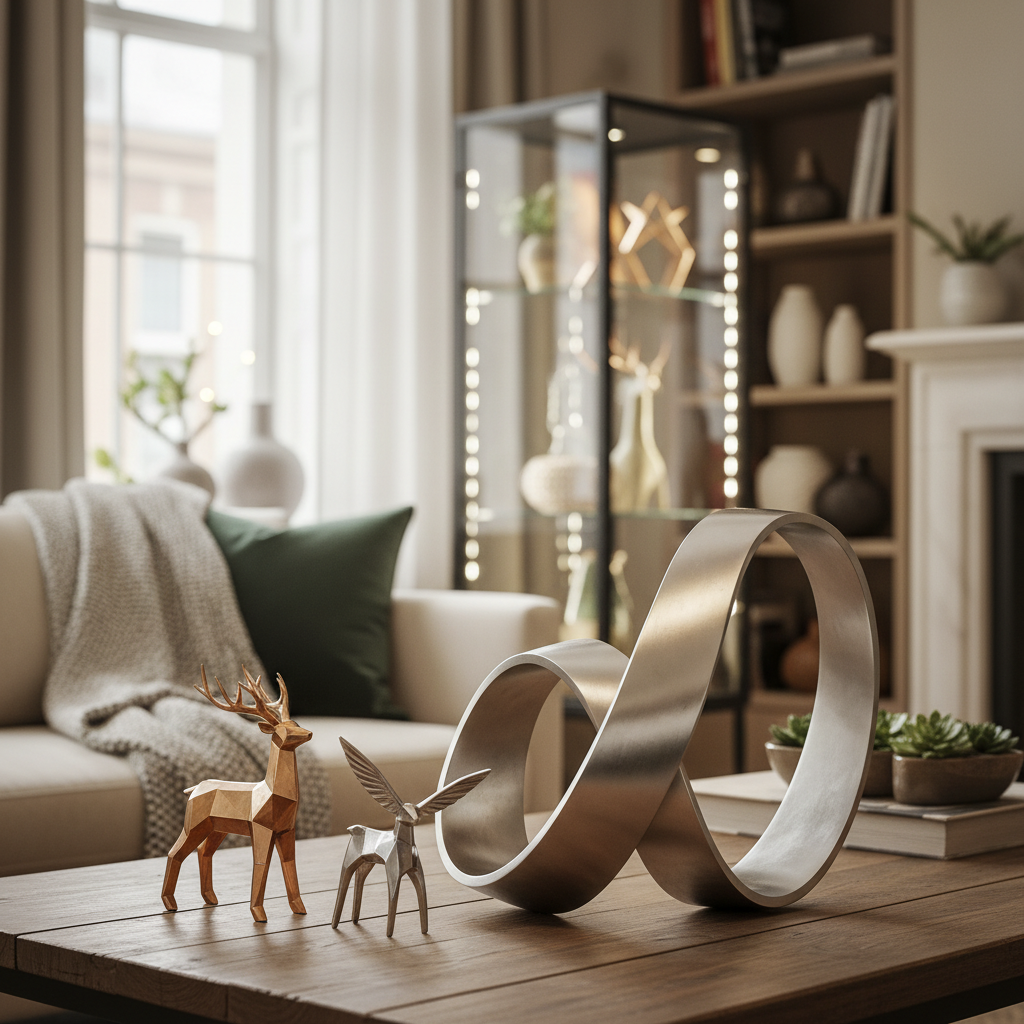
Stainless steel sculpture manufacturers are more than just fabricators; they are partners in the creative process. They possess a unique blend of engineering skill, artistic understanding, and project management expertise. Their ability to translate conceptual designs into tangible, enduring artworks is critical for public art initiatives, architectural embellishments, and private collections around the globe. Without these manufacturers, many ambitious sculptural projects would simply not be feasible.

The importance of these manufacturers extends to the economic realm. They support a network of suppliers, artists, and skilled laborers, fostering job creation and economic growth. As the demand for public art and architectural features continues to rise, the role of stainless steel sculpture manufacturers will only become more significant. They are essential for transforming urban landscapes and preserving cultural heritage.

Defining Stainless Steel Sculpture Manufacturing

Stainless steel sculpture manufacturing encompasses the entire process of creating three-dimensional artworks using stainless steel as the primary material. This includes design interpretation, material selection, fabrication techniques (welding, cutting, forming, polishing), surface finishing, and installation. These manufacturers often work closely with artists and designers to realize their visions, providing technical advice and ensuring structural integrity.

Unlike traditional bronze or stone sculpture, stainless steel offers unique advantages in terms of durability, corrosion resistance, and aesthetic possibilities. Modern stainless steel sculpture manufacturing utilizes a range of technologies, including CNC machining, laser cutting, and waterjet cutting, allowing for intricate designs and precise execution. The process demands a high level of skill and attention to detail.

The connection to modern industry lies in the application of advanced manufacturing techniques and materials science. These manufacturers bridge the gap between artistic expression and industrial production, bringing innovative solutions to complex sculptural challenges. This is why choosing experienced stainless steel sculpture manufacturers is paramount.

Core Capabilities of Stainless Steel Sculpture Manufacturers

Effective stainless steel sculpture manufacturers possess a diverse range of core capabilities. Firstly, they require strong design interpretation skills – the ability to understand an artist’s concept and translate it into a manufacturable plan. This includes creating detailed shop drawings, considering structural engineering principles, and anticipating potential fabrication challenges.

Secondly, expertise in various fabrication techniques is crucial. This encompasses welding (TIG, MIG, spot welding), cutting (plasma, laser, waterjet), forming (bending, rolling, stretching), and polishing (mechanical, electrochemical). The choice of technique depends on the complexity of the design, the thickness of the steel, and the desired aesthetic finish.

Finally, project management and quality control are essential. Managing timelines, coordinating logistics, and ensuring consistent quality throughout the fabrication process are critical for delivering successful projects. This includes rigorous inspections, adherence to industry standards, and proper documentation.

Key Factors Influencing Sculpture Quality

Several key factors directly impact the quality of stainless steel sculptures. Material selection is paramount; different grades of stainless steel offer varying levels of corrosion resistance, strength, and weldability. The manufacturer must choose the appropriate grade based on the sculpture’s intended environment and structural requirements.

Welding quality is another critical factor. Improper welding can lead to structural weaknesses, corrosion, and aesthetic defects. Skilled welders with specialized training in stainless steel welding are essential. Finally, surface finishing significantly impacts the sculpture’s appearance and durability. Proper polishing and passivation treatments enhance corrosion resistance and create a visually appealing finish.

Stainless Steel Sculpture Manufacturing Quality Metrics

Global Applications and Industry Impact

Stainless steel sculptures are ubiquitous in public spaces worldwide, adorning city squares, parks, museums, and architectural landmarks. They serve as cultural icons, commemorative monuments, and artistic expressions. Many cities commission public art from reputable stainless steel sculpture manufacturers to enhance their aesthetic appeal and cultural identity.

Beyond public art, stainless steel sculptures are increasingly used in architectural embellishments, such as facade panels, decorative screens, and lobby installations. These applications require a high level of precision and attention to detail. Furthermore, the industry supports a growing market for bespoke sculptures for private collections and corporate offices.

Advantages and Long-Term Value Proposition

The primary advantage of stainless steel sculptures is their exceptional durability and resistance to corrosion. Unlike bronze or iron, stainless steel does not rust, requiring minimal maintenance over its lifespan. This longevity translates into significant long-term cost savings. Moreover, stainless steel's aesthetic versatility allows for a wide range of design possibilities.

The long-term value proposition extends to sustainability. Stainless steel is 100% recyclable, minimizing environmental impact. Investing in a high-quality stainless steel sculpture is not merely an aesthetic choice; it's a commitment to enduring art, sustainable practices, and lasting value.

Future Trends and Innovations in Manufacturing

The future of stainless steel sculpture manufacturing is likely to be shaped by several key trends. Advancements in digital modeling and 3D printing are enabling more complex and intricate designs. The use of augmented reality (AR) and virtual reality (VR) is streamlining the design review process and improving collaboration between artists and manufacturers.

Sustainability will also be a driving force, with increased adoption of eco-friendly materials and manufacturing processes. Automation and robotics are poised to enhance efficiency and precision. These innovations will empower stainless steel sculpture manufacturers to create even more stunning and enduring works of art.

Furthermore, exploring new surface treatments and finishes will open up even greater aesthetic possibilities for stainless steel sculptures, solidifying its position as a premier material in the world of art.

FAQS

What is the typical lead time for a custom stainless steel sculpture?

Lead times vary depending on the complexity and size of the sculpture. Generally, smaller sculptures can be completed within 8-12 weeks, while larger, more intricate projects may take 6-9 months or longer. Factors like material availability and fabrication capacity also influence the timeline. Communicating clearly with your chosen manufacturer is crucial for establishing a realistic schedule.

What maintenance is required for stainless steel sculptures?

Stainless steel sculptures require minimal maintenance. Regular cleaning with mild soap and water is usually sufficient to remove dirt and debris. In coastal environments, more frequent cleaning may be necessary to remove salt spray. Periodic polishing can restore the original shine. Avoid abrasive cleaners, as they can damage the surface finish.

Can stainless steel sculptures be installed outdoors in harsh climates?

Yes, stainless steel is highly resistant to corrosion and can withstand harsh climates. However, selecting the appropriate grade of stainless steel is crucial. Marine-grade 316 stainless steel is recommended for coastal areas, as it offers superior resistance to saltwater corrosion. Proper installation techniques are also essential to prevent water pooling and damage.

What file formats do stainless steel sculpture manufacturers typically accept for design submissions?

Most manufacturers prefer 3D models in formats such as .STL, .OBJ, .STEP, or .IGES. 2D drawings in .DWG or .DXF format are also helpful for providing detailed dimensions and specifications. It’s best to confirm the preferred file formats with the manufacturer before submitting your design.

What are the typical costs associated with stainless steel sculpture fabrication?

Costs vary significantly depending on the size, complexity, and materials used. Factors like design intricacy, welding requirements, surface finish, and installation also affect the price. Expect to pay per pound of stainless steel, plus labor costs for fabrication and installation. Obtaining quotes from multiple manufacturers is recommended.

How do stainless steel sculpture manufacturers handle shipping and installation?

Most manufacturers offer shipping and installation services, often subcontracting to specialized art handlers. Sculptures are typically crated and secured for safe transport. Installation often involves the use of cranes and other heavy equipment, requiring careful planning and coordination. Insurance coverage is essential during both shipping and installation.

Conclusion

Stainless steel sculpture manufacturers are indispensable partners in bringing artistic visions to life, offering a unique blend of technical expertise, artistic sensitivity, and logistical prowess. Their ability to transform durable, corrosion-resistant materials into enduring symbols of culture and beauty has a significant impact on public spaces and private collections worldwide. The industry’s commitment to innovation, sustainability, and quality ensures its continued relevance.

As technology continues to advance and artistic expression evolves, the role of stainless steel sculpture manufacturers will only become more important. By embracing new materials, techniques, and design possibilities, these manufacturers will continue to push the boundaries of sculptural art. To discover exceptional quality and artistry, visit our website at stainless steel sculpture manufacturers.


Post time:Feb . 06, 2026 06:19
If you are interested in our products, you can choose to leave your information here, and we will be in touch with you shortly.