In the contemporary pursuit of mindfulness and interior harmony, yoga figurines have emerged as more than mere decorative objects; they are symbolic anchors for mental well-being. These artistic representations of asanas serve as visual reminders of balance, flexibility, and the enduring connection between the physical body and the spiritual mind, bridging the gap between ancient Eastern philosophy and modern home aesthetics.
The global surge in wellness culture has transformed the demand for these sculptures, moving them from niche spiritual boutiques into high-end architectural projects and corporate wellness spaces. As people seek to curate environments that reduce stress and promote tranquility, the integration of thoughtfully crafted yoga figurines becomes a strategic choice in spatial psychology, fostering an atmosphere of calm and centeredness.
Understanding the nuance behind these pieces—from the precision of the posture to the choice of material—allows collectors and designers to select works that truly resonate with their personal journey. Whether cast in timeless bronze or carved from pristine marble, these figures embody the discipline of yoga, offering a tangible manifestation of peace in an increasingly chaotic digital world.
Global Relevance of Yoga Figurines
The globalization of wellness practices has led to a significant increase in the visibility of yoga-inspired art. According to global market trends in the home decor and wellness sectors, there is a marked shift toward "conscious consumption," where buyers prioritize items that evoke emotional stability and health. In this context, yoga figurines act as universal symbols of health that transcend linguistic and cultural barriers.
However, the market often faces the challenge of mass-produced, low-quality replicas that lack the anatomical precision required to truly represent a yoga pose. This gap in quality creates a demand for professional craftsmanship where the sculpture doesn't just "look" like a person exercising, but captures the actual energy (prana) and alignment of the practice.
Defining the Art of Yoga Figurines
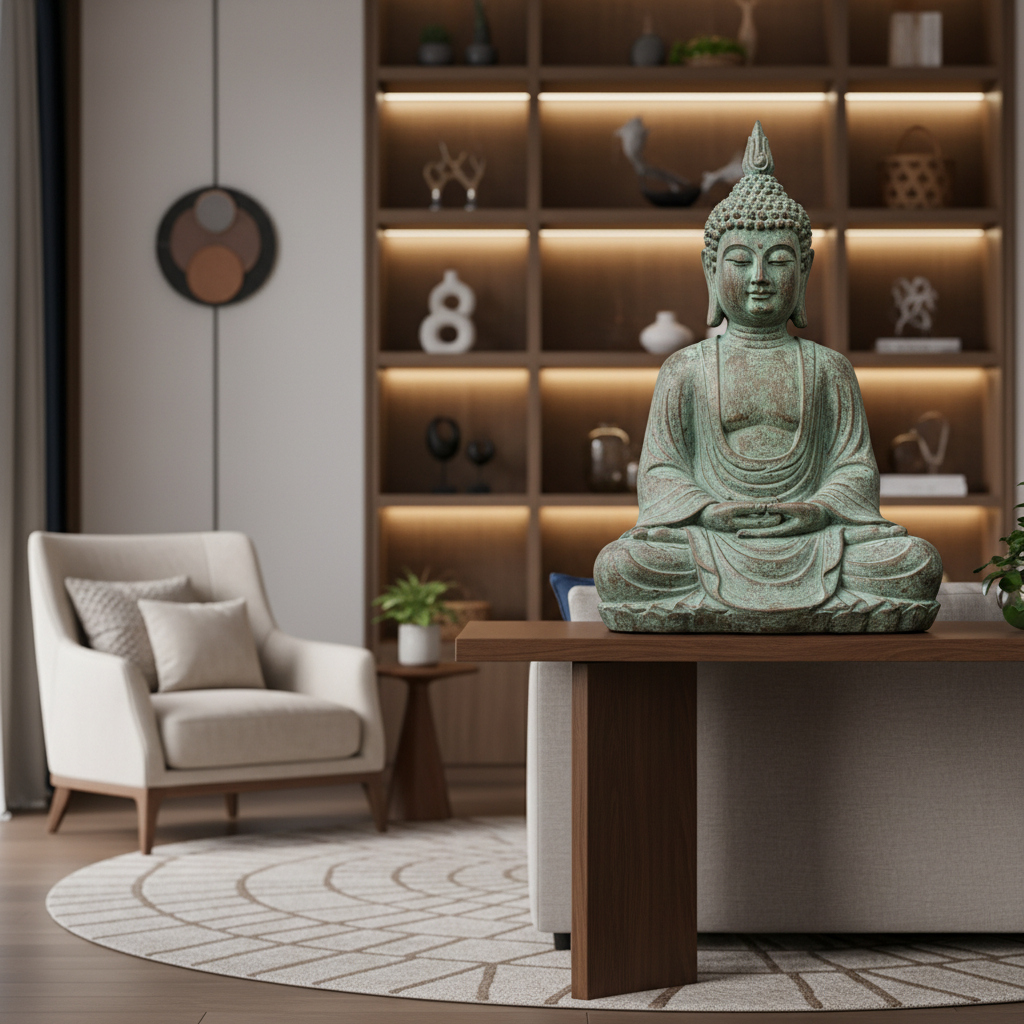
At their core, yoga figurines are three-dimensional artistic representations of the human body in various yoga postures (asanas). Unlike standard athletic sculptures, these pieces emphasize the fluid transition between strength and surrender. They are designed to encapsulate a moment of absolute stillness, making them essential for spaces dedicated to meditation, healing, and introspection.
In the modern manufacturing industry, these figurines represent a convergence of traditional sculpture techniques and contemporary ergonomic study. By utilizing materials like bronze, stainless steel, or marble, manufacturers can create a permanent record of a fleeting physical state, turning a health practice into a timeless piece of fine art.
Beyond the aesthetic, these figures address a humanitarian need for mental respite. In high-stress urban environments, the presence of a figure in a lotus or tree pose serves as a subconscious trigger for the viewer to breathe deeper and slow down, effectively acting as a non-verbal tool for stress management.
Core Components of High-Quality Sculptures
When evaluating yoga figurines, the first critical factor is Anatomical Accuracy. A professional sculpture must respect the geometry of the human body in a specific asana; an incorrectly placed joint or a skewed center of gravity can break the illusion of balance, stripping the piece of its meditative power.
Material Integrity is equally paramount. Whether using the lost-wax casting method for bronze or precision carving for marble, the material must be able to support complex, cantilevered poses without compromising structural stability. The choice of material also dictates the longevity and the "energy" of the piece—bronze offers a grounded, historical feel, while fiberglass allows for modern, ethereal translucency.
Finally, the Surface Finish and Patina define the emotional tone of the work. A polished stainless steel finish might represent the modern, sleek side of yoga, whereas a hand-applied chemical patina on bronze adds depth and a sense of antiquity, suggesting that the wisdom of yoga is an ancient treasure passed down through generations.
Practical Applications and Use Cases
The versatility of yoga figurines allows them to be integrated into a wide array of professional and private settings. In luxury hospitality, such as high-end wellness resorts in Bali or the Swiss Alps, these sculptures are often placed in entrance halls or spa corridors to signal to guests that they have entered a sanctuary of healing.
In corporate environments, specifically within "Zen rooms" or employee wellness centers in tech hubs like Silicon Valley, these figures serve as focal points for mindfulness breaks. By placing a bronze yoga figure in a communal area, companies encourage a culture of mental health awareness and balance among their workforce.
Comparative Appeal of Yoga Figurines by Material
Long-Term Value and Emotional Impact
Investing in high-quality yoga figurines provides a dual return: aesthetic appreciation and psychological support. Unlike temporary decor, a bronze or stone sculpture appreciates in value as a piece of art, while simultaneously providing a permanent visual cue for the owner to return to a state of mindfulness. This creates a sustainable cycle of well-being within the home.
From an emotional perspective, these sculptures offer a sense of dignity and stability. In times of crisis or high anxiety, the unwavering posture of a figure in meditation can provide a grounding effect, reminding the observer of their own inner strength and capacity for resilience. It is this intersection of art and psychology that gives these pieces their true lasting value.
Future Innovations in Spiritual Art
The future of yoga figurines is being shaped by the integration of smart materials and digital design. We are seeing the rise of 3D-scanned models where actual yoga masters are digitized to ensure 100% anatomical perfection before the sculpture is cast in metal. This eliminates the margin of error and allows for hyper-realistic representations of complex asanas.
Sustainability is also driving material innovation. There is a growing trend toward using recycled bronze and eco-friendly resins to create figurines that align with the yoga philosophy of Ahimsa (non-harming). This ensures that the process of creating a symbol of peace does not come at the cost of the planet.
Furthermore, we anticipate the integration of subtle technology, such as embedded LED lighting that mimics breathing rhythms, turning a static yoga figurine into an interactive meditation guide. This fusion of traditional sculpting and modern tech will make these pieces even more effective in therapeutic environments.
Challenges and Expert Solutions
One of the primary challenges in producing yoga figurines is the "balance paradox"—creating a figure that looks light and effortless but remains physically stable. Expert sculptors solve this by strategically distributing weight and using internal armatures made of high-strength alloys, ensuring the statue does not tip over despite a daring pose.
Another common issue is the loss of detail during the casting process, especially in the fluid folds of the clothing or the subtle muscle tension of the body. To overcome this, professional manufacturers employ the lost-wax method with high-precision ceramic shells, allowing for a level of detail that captures the very essence of the physical exertion and release.
Finally, shipping fragile or heavy sculptures internationally often leads to damage. The solution lies in custom-engineered crates and vacuum-sealed foam packaging, ensuring that the tranquility embodied by the figurine is not interrupted by the chaos of logistics.
Analysis of Yoga Figurine Production Standards and Outcomes
| Material Type |
Durability Score (1-10) |
Detail Precision |
Market Segment |
| Cast Bronze |
10 |
Very High |
Luxury Collectors |
| White Marble |
8 |
High |
Wellness Centers |
| Stainless Steel |
9 |
Medium-High |
Modern Offices |
| Fiberglass |
6 |
High |
Commercial Studios |
| Cast Iron |
9 |
Medium |
Outdoor Gardens |
| Alabaster |
5 |
Exceptional |
Private Galleries |
FAQS
For outdoor settings, cast bronze or stainless steel are the premier choices. Bronze develops a natural patina over time that blends beautifully with garden landscapes and resists corrosion. Stainless steel offers a modern, weather-proof finish that requires minimal maintenance. Both materials ensure that the sculpture remains structurally sound despite exposure to wind, rain, and temperature fluctuations.
Yes, professional manufacturers can create fully customized pieces. By providing photos of the specific asana or a 3D scan, artisans can create a clay mold and subsequently a metal or stone sculpture. This process allows you to immortalize your own personal progress or a specific spiritual milestone in a permanent, artistic medium.
Maintaining a bronze figure involves periodic dusting with a soft, dry cloth. For outdoor pieces, applying a high-quality microcrystalline wax once a year can protect the patina from atmospheric pollutants. Avoid using harsh chemical cleaners, as these can strip the intentional coloration and damage the protective layers applied during production.
When crafted by experienced artisans using premium materials like bronze or marble, these sculptures fall under the category of fine art. Limited edition pieces or those with exceptional anatomical detail tend to hold or increase their value over time, making them both a spiritual asset and a tangible financial investment.
The key is to work with a manufacturer that employs both artists and anatomical consultants. Look for portfolios that demonstrate a deep understanding of weight distribution and joint alignment. Requesting a 3D render or a clay prototype before final casting is the best way to ensure the posture is authentic to the yoga tradition.
A custom high-end sculpture typically takes between 4 to 12 weeks. This includes the design phase (sketches and 3D modeling), the creation of the mold, the casting process, hand-finishing, and the application of the patina. The timeline varies based on the complexity of the pose and the chosen material.
Conclusion
Yoga figurines represent the perfect synergy between ancient spiritual discipline and master-level craftsmanship. By transforming the ephemeral nature of a yoga pose into a permanent sculpture, we create powerful visual tools that promote mindfulness, balance, and peace in our daily environments. From the rigorous lost-wax casting process to the precise anatomical study, these pieces are not just ornaments, but monuments to human potential and inner tranquility.
As we move toward a future where mental health is prioritized as much as physical health, the role of spiritual art will only grow. Whether you are looking to enhance a professional wellness space or find a personal anchor for your home, investing in a high-quality sculpture is a commitment to a more balanced life. We invite you to bring this timeless beauty into your space and experience the calming presence of professional artistry. Visit our website: www.firststatue.com