Choosing the Right Stone Sculpture Supplier for Artistic and Architectural Needs


Stone sculpture suppliers play a pivotal role in the global art market and architectural landscape. These suppliers aren’t simply vendors; they are integral partners in bringing artistic visions to life, providing the raw materials and skilled craftsmanship necessary for creating enduring works of art. The demand for unique and high-quality stone sculptures continues to grow, driven by a desire for aesthetic beauty, cultural expression, and durable architectural elements. Understanding the intricacies of sourcing from a reliable stone sculpture supplier is crucial for artists, architects, and collectors alike.

The global stone sculpture industry is a multi-billion dollar market, with key players located in countries like Italy, China, India, and Brazil. These nations boast rich geological resources and generations of skilled stone carvers. However, navigating the supply chain can be complex, involving sourcing materials, managing logistics, and ensuring ethical labor practices. Increasingly, buyers are prioritizing suppliers who demonstrate a commitment to sustainability and responsible sourcing, reflecting a broader industry trend towards eco-conscious practices. Selecting a suitable stone sculpture supplier is about more than just price; it’s about guaranteeing quality, authenticity and responsible sourcing.

The importance of a dependable stone sculpture supplier stems from the fact that stone is a naturally variable material. Differences in color, veining, and structure can significantly impact the final artwork. A skilled supplier understands these nuances and can assist clients in selecting the ideal stone for their specific project, ensuring consistent quality and a visually harmonious result. Furthermore, efficient logistics are paramount, as shipping costs and lead times can heavily influence project budgets and timelines.
Top Blog

The Significance of Stone Sculpture Suppliers

Top Blog

A skilled stone sculpture supplier provides more than just raw materials; they offer expertise in stone selection, carving techniques, and logistical support. They can guide clients through the complexities of choosing the right stone type – marble, granite, limestone, sandstone, and more – based on the desired aesthetic, durability, and budget. Their knowledge extends to understanding the structural properties of various stones and ensuring they are suitable for the intended application.

Furthermore, a reputable stone sculpture supplier will prioritize ethical sourcing and sustainable practices, ensuring that the materials are obtained responsibly and that the carving process minimizes environmental impact. This commitment to ethical and sustainable operation is increasingly valued by clients and contributes to the long-term viability of the industry.

Defining a Stone Sculpture Supplier

A stone sculpture supplier is an organization or company specializing in the sourcing, processing, and distribution of various types of stone materials used for sculpting. This encompasses everything from quarrying the raw stone to cutting, shaping, and polishing it to meet the specific requirements of artists and clients. Beyond materials, many suppliers also offer carving services, employing skilled artisans to create custom sculptures.

The role of a stone sculpture supplier is critical in bridging the gap between stone producers and end-users. They act as intermediaries, managing the complex logistics of transporting heavy materials, ensuring quality control, and providing technical support. They also play a vital role in preserving traditional carving techniques and fostering innovation in the art of stone sculpture.

In a modern context, a successful stone sculpture supplier often integrates technology into their operations, utilizing online platforms for showcasing products, managing orders, and facilitating communication with clients worldwide. This digitalization enhances accessibility and streamlines the procurement process, making it easier for artists and architects to source the materials they need.

Core Factors in Supplier Selection

When choosing a stone sculpture supplier, several core factors must be carefully considered. Stone Quality is paramount – consistent color, texture, and freedom from flaws are essential. Artisan Skill is vital if you require custom carving; experienced carvers can translate your vision into reality.

Pricing Transparency is crucial, with a clear breakdown of costs including materials, labor, and shipping. Logistical Capabilities determine the supplier's ability to deliver materials efficiently and on time. Reputation and References offer valuable insights into the supplier’s reliability and customer satisfaction. Finally, Ethical Sourcing & Sustainability demonstrate a commitment to responsible practices.

These factors contribute to ensuring you receive the best possible value for your investment and forge a lasting partnership with a supplier capable of meeting your long-term needs. Evaluating each of these components thoroughly will save you time, money, and potential frustration down the line.

Applications Across Diverse Sectors

The applications of stone sculptures supplied by companies like stone sculpture supplier are incredibly diverse. In Architecture, stone sculptures are integrated into building facades, monuments, and interior design elements, adding elegance and grandeur. The Art World relies on these suppliers for creating individual pieces, installations, and museum exhibits.

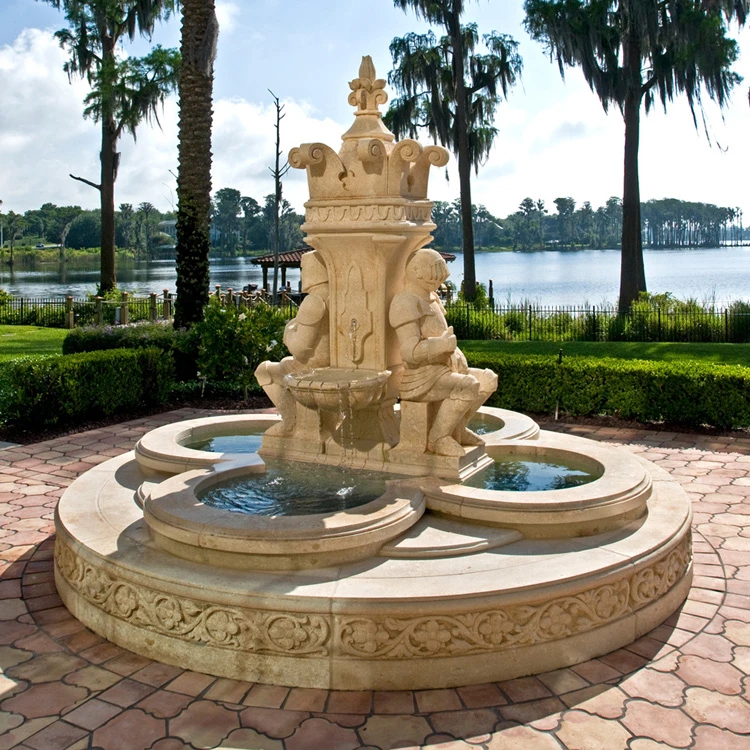
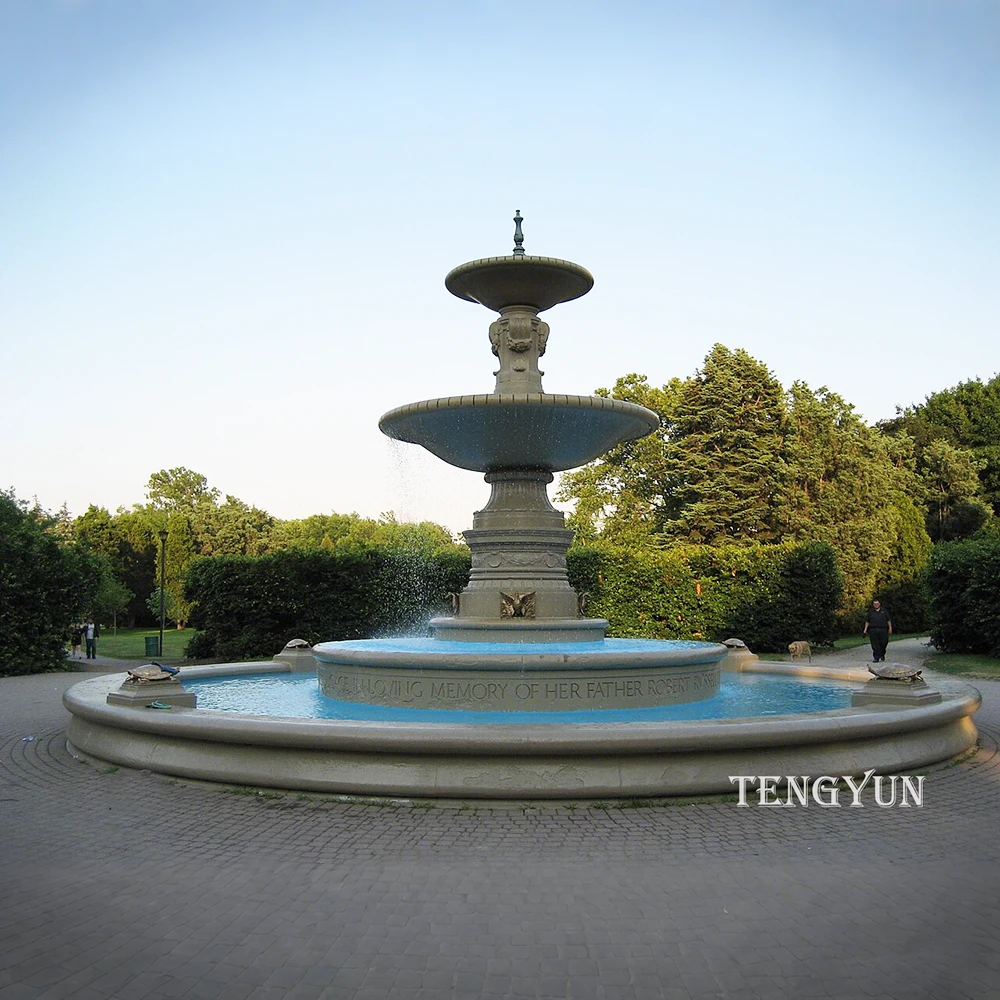
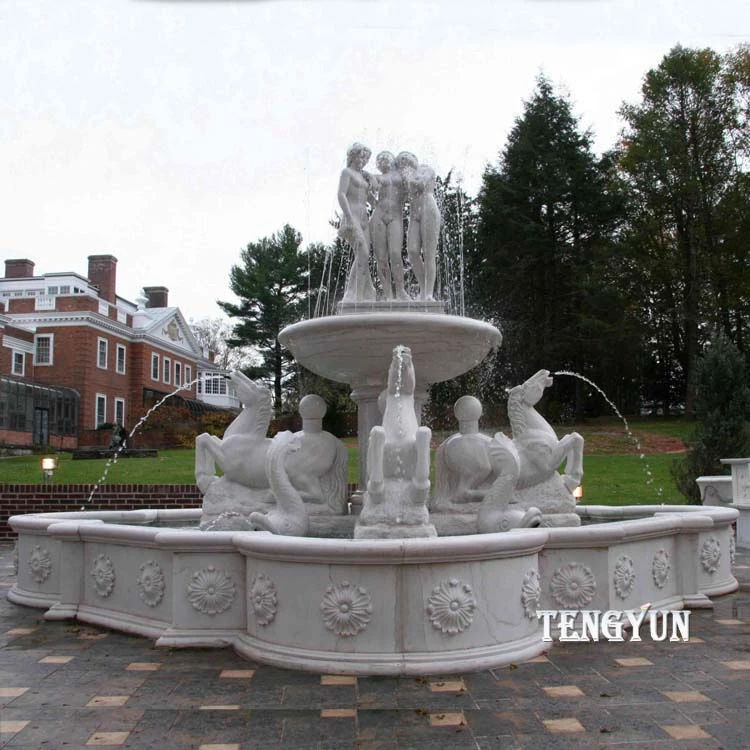
Within Landscaping, stone sculptures enhance outdoor spaces, creating focal points and adding artistic flair to gardens and parks. The Memorial Industry utilizes stone for creating lasting tributes and commemorative structures. Furthermore, Religious Institutions frequently commission stone sculptures for altars, statues, and decorative elements.

Stone Sculpture Supplier Application Distribution

Advantages and Long-Term Value

Choosing a quality stone sculpture supplier translates to significant long-term benefits. From a Cost Perspective, establishing a relationship with a reliable supplier can lead to favorable pricing and reduced shipping expenses. Sustainability is enhanced through responsible sourcing practices, minimizing environmental impact.

The Social Impact is positive when suppliers prioritize fair labor practices and support local communities. Furthermore, Reliability ensures timely delivery and consistent quality, minimizing project delays and rework. This creates peace of mind, allowing artists and architects to focus on their creative endeavors.

Future Trends in the Industry

The stone sculpture industry is undergoing a period of innovation. Digital Sculpting Technologies, like 3D modeling and CNC machining, are increasingly integrated into the carving process, allowing for greater precision and complexity. Sustainable Materials and eco-friendly carving techniques are gaining prominence, driven by environmental concerns.

Virtual Reality (VR) and Augmented Reality (AR) are emerging tools for visualizing sculptures in situ, enabling clients to preview the final product before it's created. The rise of Online Marketplaces is expanding access to stone sculptures and connecting artists with a global audience.

Finally, we are seeing a trend towards Customization and Personalization, with clients seeking unique and bespoke sculptures that reflect their individual tastes and preferences. Stone sculpture supplier are adapting to these changes by offering tailored services and embracing new technologies.

Addressing Challenges and Finding Solutions

Despite its growth, the stone sculpture industry faces challenges. Supply Chain Disruptions, due to geopolitical events or natural disasters, can impact material availability and lead times. Skilled Labor Shortages threaten the preservation of traditional carving techniques.

Transportation Costs can be substantial, especially for heavy stone materials. Quality Control Issues can arise from inconsistent stone sources or inadequate carving practices. Addressing these challenges requires proactive solutions. Diversifying Sourcing reduces reliance on single suppliers. Investing in Training Programs can cultivate the next generation of skilled carvers. And finally, Embracing Technology can improve efficiency and enhance quality control.

Ultimately, a collaborative approach between stone sculpture supplier, artists, and clients is essential to overcome these hurdles and ensure the long-term sustainability of the industry.

Summary of Solutions to Common Stone Sculpture Supplier Challenges

Challenge Impact on Stone Sculpture Supplier Proposed Solution Implementation Timeline
Supply Chain Disruptions Delayed projects, increased costs Diversify sourcing, build buffer stock 6-12 months
Skilled Labor Shortage Reduced carving capacity, quality concerns Invest in training programs, apprenticeships Ongoing
High Transportation Costs Reduced profit margins, increased prices Optimize logistics, negotiate rates 3-6 months
Inconsistent Stone Quality Rework, customer dissatisfaction Implement rigorous quality control measures Immediately
Environmental Concerns Negative public perception, regulatory scrutiny Adopt sustainable sourcing and carving practices Ongoing
Rising Energy Costs Increased operational expenses Invest in energy-efficient equipment, explore renewable energy sources 12-24 months

FAQS

What qualifications should I look for in a stone sculpture supplier?

When choosing a stone sculpture supplier, prioritize those with a proven track record of quality, experience in handling your desired stone type, and a commitment to ethical sourcing. Look for suppliers who offer transparent pricing, efficient logistics, and excellent customer service. Don’t hesitate to request references and view examples of their past work. A reputable stone sculpture supplier will be happy to provide this information.

How can I ensure the stone I receive is of consistent quality?

Consistency is key when working with stone. Request samples before placing a large order to assess the color, texture, and overall quality. Ask the supplier about their quality control procedures and whether they offer any guarantees against defects. Look for suppliers who carefully inspect each stone block before shipment and provide detailed documentation outlining its characteristics.

What shipping options are available, and what are the associated costs?

Shipping costs for stone sculptures can vary significantly based on weight, distance, and shipping method. Most suppliers offer a range of options, including sea freight, air freight, and land transport. Obtain detailed quotes from multiple suppliers to compare prices and transit times. Be sure to factor in any customs duties or taxes that may apply.

What is the typical lead time for custom stone sculpture orders?

Lead times for custom sculptures vary depending on the complexity of the design, the availability of materials, and the supplier’s workload. Typically, expect a lead time of several weeks to several months. Discuss your project timeline with the supplier upfront to ensure they can meet your deadlines. Providing detailed drawings and specifications will help expedite the process.

What are the best practices for storing stone sculptures to prevent damage?

Proper storage is crucial to prevent damage. Store sculptures in a dry, well-ventilated area, away from direct sunlight and extreme temperatures. Use protective padding to prevent scratches and chips. For outdoor sculptures, consider applying a sealant to protect against the elements. A trusted stone sculpture supplier can provide detailed storage guidelines.

How do I know if a stone sculpture supplier is ethically sourcing their materials?

Ethical sourcing is increasingly important. Ask the supplier about their sourcing practices and whether they adhere to any industry standards. Look for suppliers who can provide documentation verifying the origin of their stone and who demonstrate a commitment to fair labor practices and environmental responsibility. Certification from reputable organizations can be a good indicator of ethical sourcing.

Conclusion

In conclusion, selecting the right stone sculpture supplier is paramount for artists, architects, and collectors seeking to bring their visions to life. From ensuring stone quality and ethical sourcing to navigating complex logistics, a reliable supplier acts as a vital partner throughout the creative process. By understanding the core factors involved in supplier selection, embracing innovative technologies, and addressing industry challenges proactively, we can ensure the continued vibrancy and sustainability of this ancient art form.

Looking ahead, the stone sculpture industry is poised for further growth and innovation. By prioritizing sustainability, embracing digital technologies, and fostering collaboration between suppliers, artists, and clients, we can unlock new possibilities and create enduring works of art that inspire and enrich our lives. Visit our website at www.firststatue.com to explore our extensive collection and discover how we can help you bring your sculpting projects to fruition.


Post time:Feb . 13, 2026 09:15
If you are interested in our products, you can choose to leave your information here, and we will be in touch with you shortly.