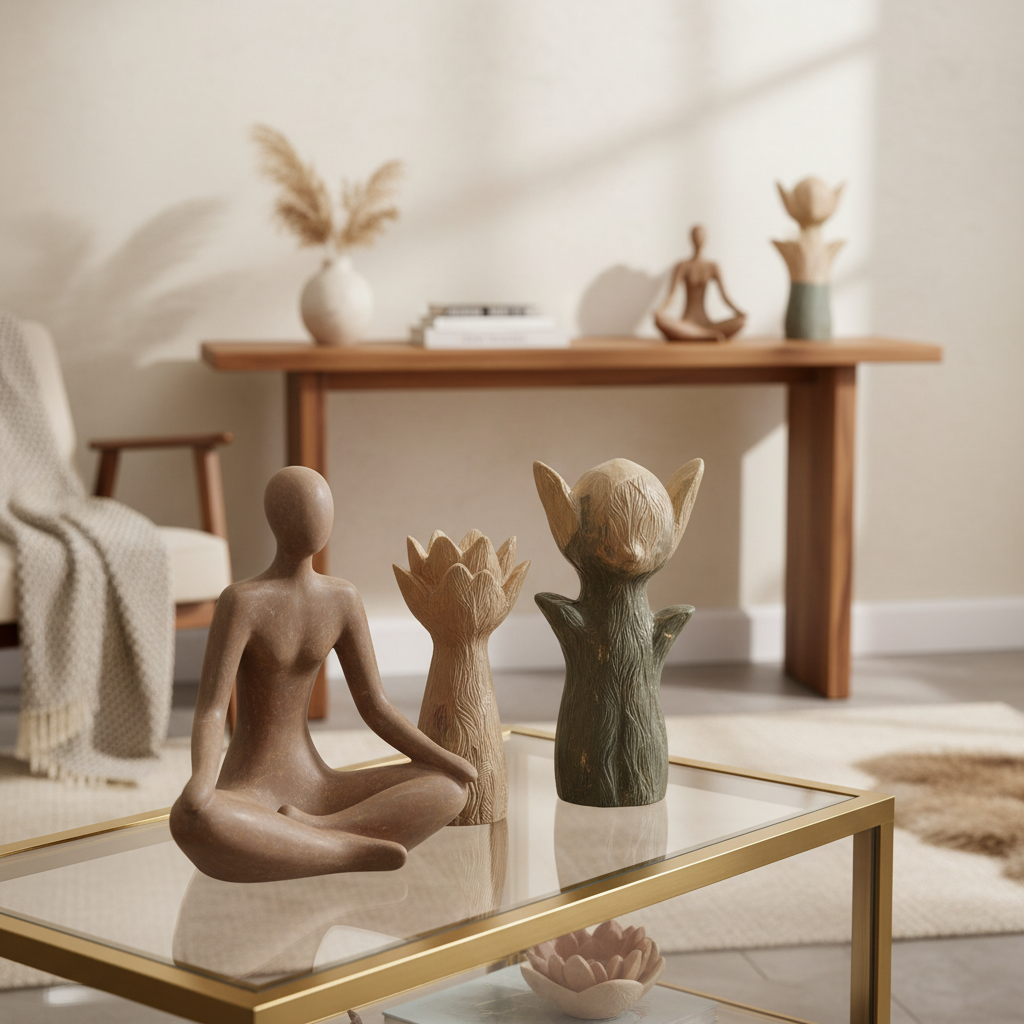
The allure of a small sculpture lies in its ability to condense profound emotion and intricate detail into a compact form. In the world of high-end art and interior design, these miniature masterpieces serve as focal points that bridge the gap between architectural grandeur and personal intimacy, allowing collectors to bring the essence of a gallery into their private living spaces.
Across the globe, the demand for a high-quality small sculpture has evolved from mere decoration to a strategic investment in cultural capital. Whether it is a meticulously cast bronze figure or a delicately carved marble bust, these pieces reflect the owner's aesthetic discernment and a deep appreciation for the craftsmanship that defines the fine arts manufacturing industry.
Understanding the nuances of selecting and maintaining a small sculpture is essential for ensuring the longevity of the artwork. By focusing on material purity, artist technique, and environmental compatibility, enthusiasts can transform a simple object into a timeless heirloom that preserves artistic legacy for generations to come.
Global Relevance of Small Scale Art
In the current global art market, the small sculpture has emerged as a highly liquid asset class. Market trends analyzed by international art indices suggest a significant shift toward "collectible miniatures," driven by the urbanization of living spaces where large-scale installations are impractical. This trend is mirrored in the ISO standards for luxury goods, where precision and material density in smaller formats are increasingly prioritized.
The primary challenge facing the industry is the balance between miniaturization and detail. Achieving the same emotional resonance in a small sculpture as one would in a life-sized monument requires a heightened level of technical skill and a deeper understanding of proportions, making the production process both a science and an art.
Defining the Small Sculpture Concept
A small sculpture is defined not merely by its physical dimensions—typically ranging from a few inches to three feet—but by its capacity to encapsulate a complex narrative within a limited volume. Unlike larger monuments that dominate a landscape, these pieces are designed for a proximal experience, inviting the viewer to observe the tactile nuances and the delicate play of light across the surface.
In the context of modern industry, the production of these artworks often blends traditional lost-wax casting with contemporary precision engineering. This intersection allows for the creation of intricate bronze figures or marble busts that maintain structural integrity while pushing the boundaries of delicate detailing, meeting the humanitarian need for accessible beauty in daily environments.
Ultimately, these artworks serve as bridges between the monumental and the personal. By translating grand themes—such as spirituality, nature, or human struggle—into a manageable scale, the small sculpture becomes an intimate companion to the collector, fostering a deeper, more personal connection to the art form.
Core Components of Quality Craftsmanship
Material Purity is the cornerstone of any enduring small sculpture. Whether using high-grade bronze, Carrara marble, or stainless steel, the absence of impurities ensures that the piece can withstand environmental stressors and maintain its luster over centuries, which is critical for investment-grade art.
Anatomical Precision and Proportion are where the artist's skill is most visible. In a small sculpture, a deviation of even a few millimeters can distort the entire expression of a figure. The ability to scale down a human form or an animal while preserving the "soul" of the subject is what separates a commercial trinket from a work of fine art.
Surface Finishing and Patina application provide the final emotional layer. The chemical treatment of bronze or the polishing of marble determines how the light interacts with the curves of the small sculpture, creating depths of shadow and highlights that guide the viewer's eye and evoke specific moods.
Performance Metrics of Sculptural Materials
Selecting the right material for a small sculpture involves a trade-off between aesthetic desire and practical durability. For instance, bronze offers unparalleled timelessness and strength, while marble provides a soft, ethereal quality that is ideal for religious or classical figures.
Understanding these metrics allows collectors to choose materials that suit their specific environment, whether it is a humid coastal home or a temperature-controlled office gallery.
Material Performance Comparison for Small Sculpture
Global Applications and Artistic Use Cases
In corporate environments, a strategically placed small sculpture often serves as a symbol of stability and sophistication. Law firms and financial institutions in hubs like New York and London frequently utilize bronze busts or abstract stainless steel pieces to convey a sense of permanence and intellectual rigor to their clients.
Beyond the corporate world, these pieces are vital in the realm of private spirituality. Small Buddha or Christian statues are used globally in meditation corners and home altars, providing a tactile point of focus for prayer and reflection. This application highlights the sculpture's role not just as art, but as a tool for mental and emotional well-being.
Long-Term Value and Emotional Impact
The long-term value of a small sculpture is derived from the convergence of material rarity and artistic provenance. Unlike mass-produced decor, a hand-finished sculpture appreciates as the artist's reputation grows and as the specific casting or carving becomes a rare example of a particular period's style.
From an emotional standpoint, these pieces provide a sense of continuity. A small sculpture passed down through generations becomes a vessel for family history, carrying the stories and tastes of ancestors into the modern era, thus offering a psychological anchor in a rapidly changing digital world.
Furthermore, the act of owning such a piece encourages a slower pace of appreciation. The tactile nature of sculpture—the coolness of marble or the weighted presence of bronze—engages the senses in a way that digital art cannot, fostering a deeper state of mindfulness and trust in physical craftsmanship.
Future Trends in Miniature Sculpting
The future of the small sculpture is being shaped by the integration of additive manufacturing (3D printing) with traditional finishing. We are seeing a rise in "hybrid sculptures" where the initial complex geometry is 3D printed in wax and then cast in traditional bronze, allowing for levels of intricacy that were previously impossible for human hands to carve.
Sustainability is also driving a shift in material science. There is a growing trend toward the use of recycled metals and eco-friendly resins, ensuring that the creation of art does not come at the cost of the planet. This "Green Art" movement is particularly influential among younger collectors in Europe and North America.
As digital transformation continues, we expect to see the rise of "Phygital" art—where a physical small sculpture is paired with a digital twin (NFT), providing a verifiable certificate of authenticity and a digital history of the piece's ownership and restoration.
Comparison of Future Sculptural Technologies and Material Trends
| Technology/Material |
Production Speed |
Artistic Detail |
Market Demand |
| Hybrid 3D Bronze |
Medium |
Ultra-High |
High |
| Recycled Corten Steel |
Fast |
Moderate |
Growing |
| CNC Marble Carving |
Medium |
High |
Steady |
| Bio-Resin Composites |
Very Fast |
Medium |
Emerging |
| Traditional Lost-Wax |
Slow |
High |
Premium |
| Smart-Material Alloys |
Medium |
Moderate |
Experimental |
FAQS
Check for the artist's signature and a numbered edition (e.g., 1/10). Genuine fine art sculptures typically show subtle variations in the patina and a higher weight-to-volume ratio due to solid casting. Additionally, request a Certificate of Authenticity (COA) which should detail the material, date of creation, and the casting foundry used.
For bronze, avoid harsh chemicals or abrasive cloths. Use a soft, dry microfiber cloth to remove dust. If the piece is displayed outdoors, a professional wax coating applied once a year can protect the patina from oxidation and pollutants. For indoor pieces, keeping them away from direct sunlight and extreme humidity is sufficient.
Yes, provided you focus on three factors: the reputation of the artist, the rarity of the edition, and the quality of the material. Miniature works by renowned sculptors often appreciate more rapidly than larger works because they have a larger pool of potential buyers who have the space to display them, increasing liquidity in the secondary market.
Bronze and Stainless Steel are the top choices for outdoor durability. Bronze develops a natural, protective patina over time that adds to its aesthetic value. Stainless steel is ideal for a modern, sleek look and is virtually immune to corrosion. Avoid marble or fiberglass for harsh climates unless they have been specifically treated with industrial sealants.
The key is directional lighting. Use a spotlight or a focused LED lamp from a 45-degree angle to create contrast between highlights and shadows. This "chiaroscuro" effect emphasizes the three-dimensional form and brings out the intricate textures of the material, making the piece appear more dynamic.
Marble is susceptible to impact and temperature shocks. Ensure the piece is wrapped in acid-free tissue paper, followed by several layers of bubble wrap, and placed in a custom-fit double-walled crate with foam cushioning. Always use a specialized art courier rather than standard postal services to ensure climate control and careful handling.
Conclusion
The enduring appeal of the small sculpture lies in its unique capacity to merge industrial precision with raw human emotion. From the selection of premium materials like bronze and marble to the integration of future-forward technologies like 3D hybrid casting, these artworks continue to evolve while maintaining their core purpose: to bring beauty, contemplation, and value into the intimate spaces of our lives.
As we move toward a more digital future, the tangible presence of a finely crafted sculpture becomes even more significant. Investing in these pieces is not merely an act of decoration, but a commitment to preserving the heritage of human craftsmanship. We invite you to explore the intersection of art and industry by visiting our website: www.firststatue.com