Enhancing Serenity with an Outdoor Buddha Statue A Comprehensive Guide
The serene presence of an outdoor buddha statue has resonated across cultures for centuries, embodying peace, tranquility, and enlightenment. Globally, these statues serve not only as religious icons for Buddhists but also as symbols of mindfulness and wellbeing embraced by diverse communities. The growing interest in outdoor meditation spaces and garden décor, coupled with the increasing desire for peaceful retreats, has fueled a worldwide demand for these beautiful and meaningful sculptures. Understanding the intricacies of sourcing, installing, and maintaining an outdoor Buddha statue is crucial for individuals and organizations seeking to create lasting and impactful spaces.
The industry surrounding outdoor Buddha statues has expanded considerably, moving beyond traditional religious contexts to encompass landscaping, interior design, and even therapeutic settings. According to market research, the global garden ornament market is projected to reach significant growth in the coming years, with religious statues representing a considerable segment. However, challenges remain in ensuring ethical sourcing of materials, sustainable production practices, and the preservation of cultural authenticity.
Investing in an outdoor buddha statue represents a commitment to creating a space of serenity and reflection. From enhancing personal gardens to enriching public parks, these statues offer a tangible connection to ancient wisdom and a reminder of the importance of inner peace. This guide provides comprehensive insights into the world of outdoor Buddha statues, covering everything from selecting the right material to understanding the symbolism behind each pose.
The Significance of Outdoor Buddha Statues
An outdoor buddha statue is more than just a decorative element; it’s a powerful symbol of spiritual practice and mindful living. The presence of a Buddha statue in an outdoor space encourages contemplation, reduces stress, and fosters a sense of peace. Historically, Buddha statues were often placed in gardens and natural settings to create sacred spaces for meditation and reflection.
The positioning of a Buddha statue can also be significant. Different mudras (hand gestures) represent different aspects of Buddhist teachings. For example, the Abhaya Mudra (gesture of fearlessness) offers protection, while the Dhyana Mudra (gesture of meditation) symbolizes inner peace. Understanding these nuances can enhance the spiritual impact of the statue.
FAQS
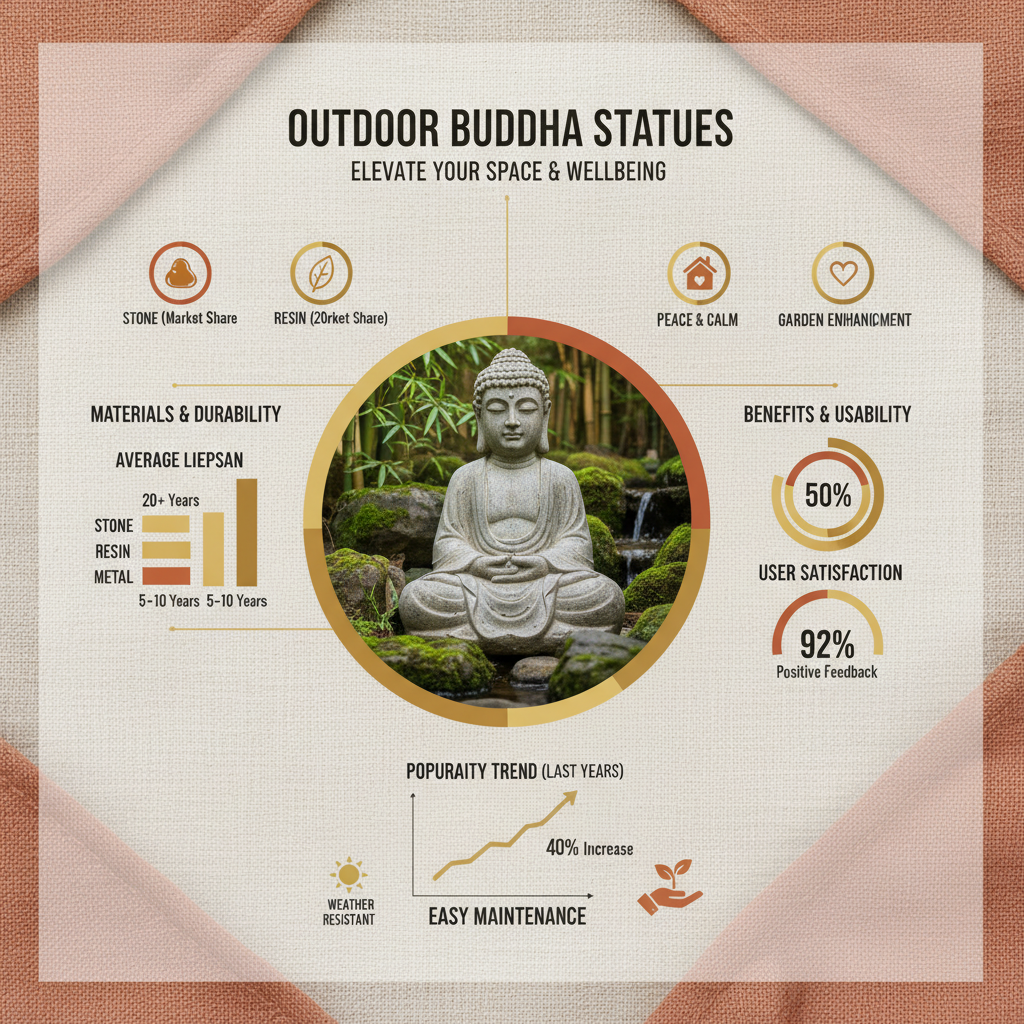
For long-lasting outdoor use, bronze, granite, and high-quality resin are excellent choices. Bronze is incredibly durable and develops a beautiful patina. Granite is naturally weather-resistant and timeless. Resin is a more affordable option but may require more frequent maintenance. Consider your climate and budget when selecting a material. Fiberglass can be used, but is often less durable than the other materials. A well-made outdoor buddha statue should withstand the elements.
Regular cleaning is crucial. Use mild soap and water to remove dirt and debris. For bronze statues, apply a wax coating annually to prevent corrosion. Marble statues benefit from sealing to protect against staining. Inspect the statue periodically for cracks or damage and address them promptly. Protecting your investment ensures its longevity and beauty.
Different mudras carry specific meanings in Buddhist tradition. The Abhaya Mudra (gesture of fearlessness) offers protection, while the Dhyana Mudra (gesture of meditation) symbolizes inner peace. The Bhumisparsha Mudra (earth-touching gesture) signifies enlightenment. Understanding the mudra can deepen your connection to the statue and its symbolism.
The cost of an outdoor Buddha statue varies greatly depending on the size, material, and level of detail. Smaller resin statues may start around $200, while large bronze statues can cost several thousand dollars. Granite statues fall in between, typically ranging from $1,000 to $5,000. Budget accordingly and prioritize quality to ensure a lasting investment.
Yes, professional installation is highly recommended for larger, heavier statues. Proper installation ensures stability and prevents damage. Professionals have the necessary equipment and expertise to handle the statue safely and securely. They can also advise on the best placement to maximize its aesthetic impact and ensure a level foundation.
Look for suppliers who prioritize ethical sourcing of materials and fair labor practices. Ask about the origin of the materials and the manufacturing process. Support companies that are transparent about their supply chain and committed to sustainability. Choosing an ethically sourced outdoor buddha statue is a responsible and mindful choice.
Conclusion
In conclusion, the outdoor buddha statue is a multifaceted symbol, offering aesthetic beauty, spiritual significance, and lasting value. From selecting the appropriate material to understanding the cultural context, careful consideration is key to ensuring a harmonious addition to any space. The enduring appeal of these statues lies in their ability to evoke peace, mindfulness, and a connection to ancient wisdom.
As trends shift towards sustainability and personalization, the future of outdoor Buddha statues is bright. By embracing innovation and prioritizing ethical sourcing, we can ensure that these timeless symbols continue to inspire and enrich lives for generations to come. We encourage you to explore our collection at www.firststatue.com to discover the perfect statue for your space.
Post time:Mar . 09, 2026 17:54