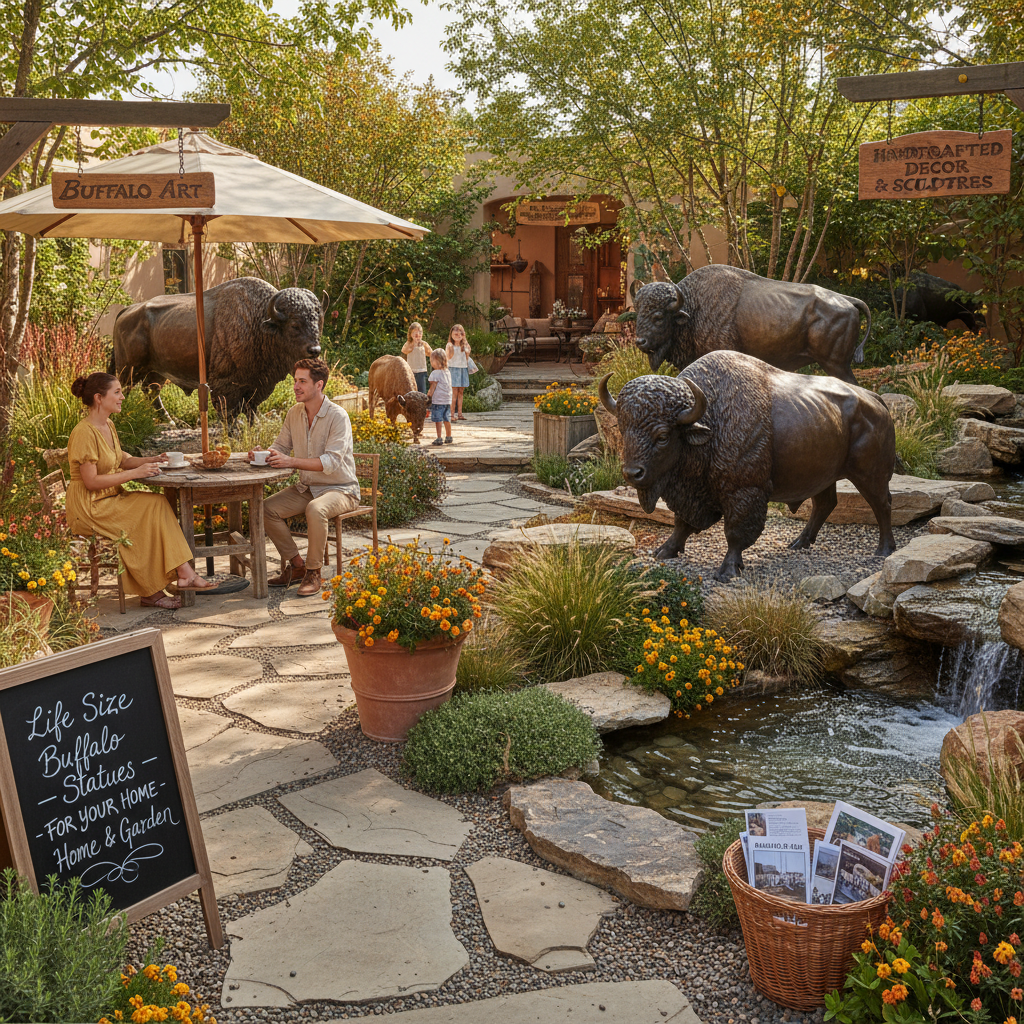
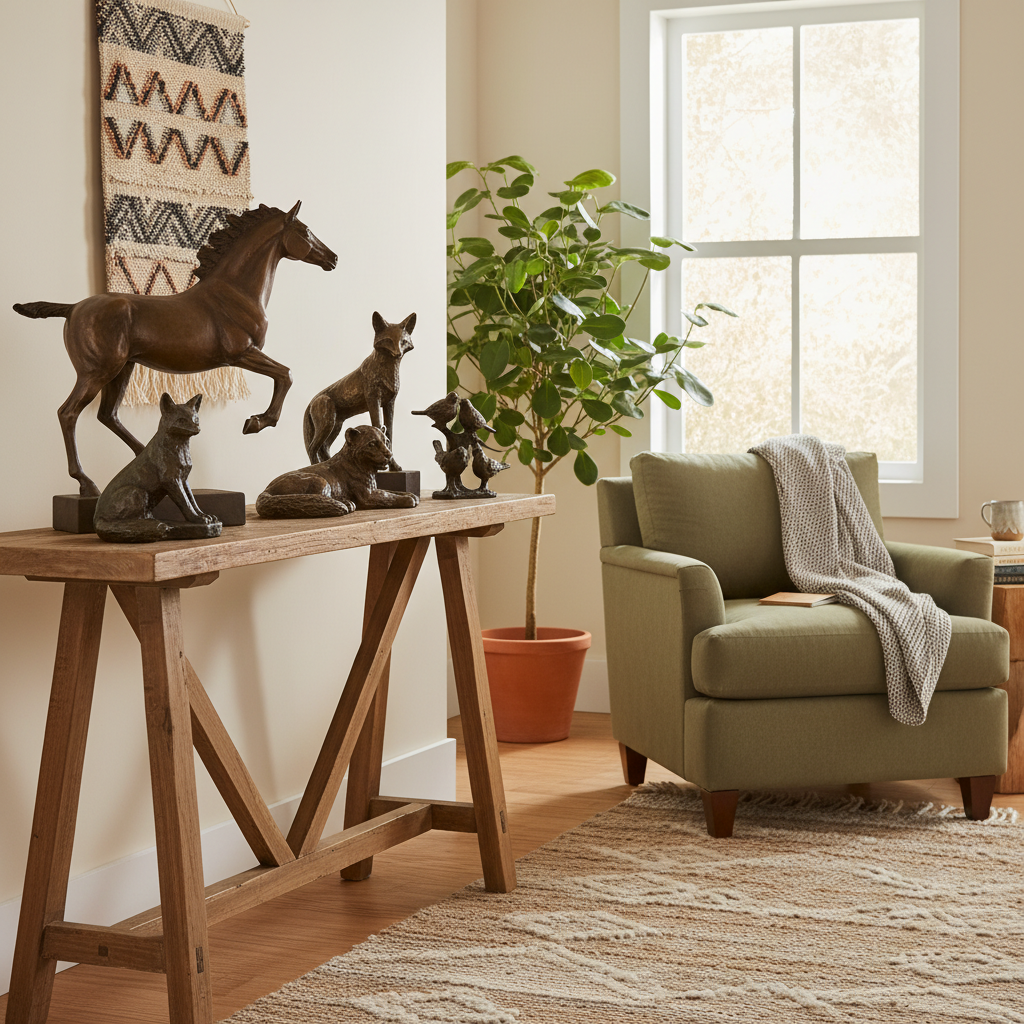
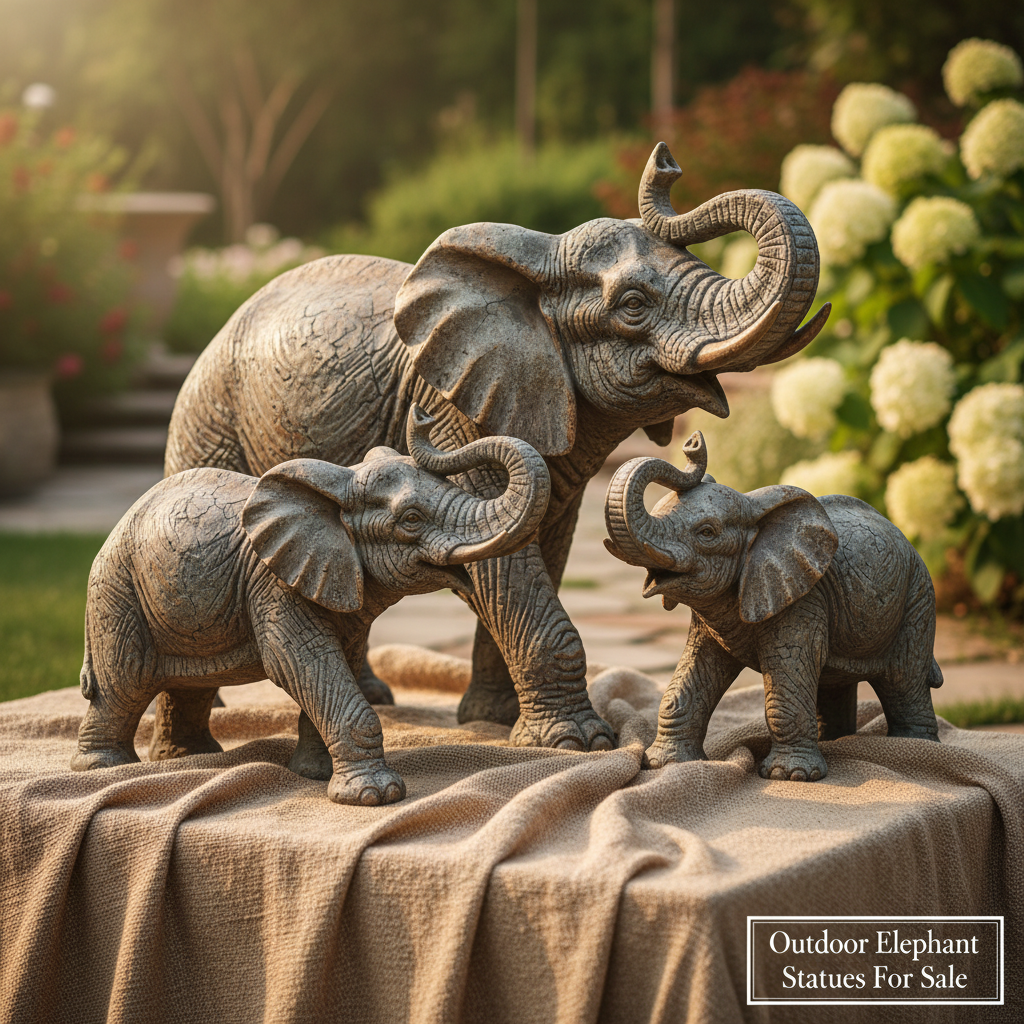
Look, I've spent the last fifteen years elbows-deep in dust and concrete, watching things get built. And I'll tell you, there’s a growing demand for bringing some real personality – and durability – to outdoor spaces. That's where resin garden statues come in. They're not your grandma’s fragile concrete cherubs anymore. We’re talking about a material that can withstand the elements, hold its color, and still give a yard some serious character. It’s a shift, and a smart one, because people want their outdoor spaces to be an extension of their homes, not just… green stuff.
The industry’s really picking up steam. Global demand for home and garden décor is booming, and resin statues are a significant chunk of that. Reports show consistent growth in the outdoor living market – we’re talking billions globally – driven by everything from increased urbanization to a renewed focus on wellbeing. But there’s a challenge: a lot of folks are still stuck on the idea that 'garden decor' means expensive, high-maintenance stuff. We need to change that perception and showcase the value and versatility of good quality resin pieces.
Simply put, resin garden statues are decorative sculptures made from a synthetic resin – usually polyresin – designed for outdoor use. They come in every shape and size you can imagine, from classic animal figures to more modern abstract designs. This isn’t just about pretty things though. It’s about creating inviting outdoor areas, and even supporting community projects. We've seen these statues used in therapy gardens, school projects, and even as wayfinding markers in parks. It’s a small thing, but it can make a big difference in how people experience a space.
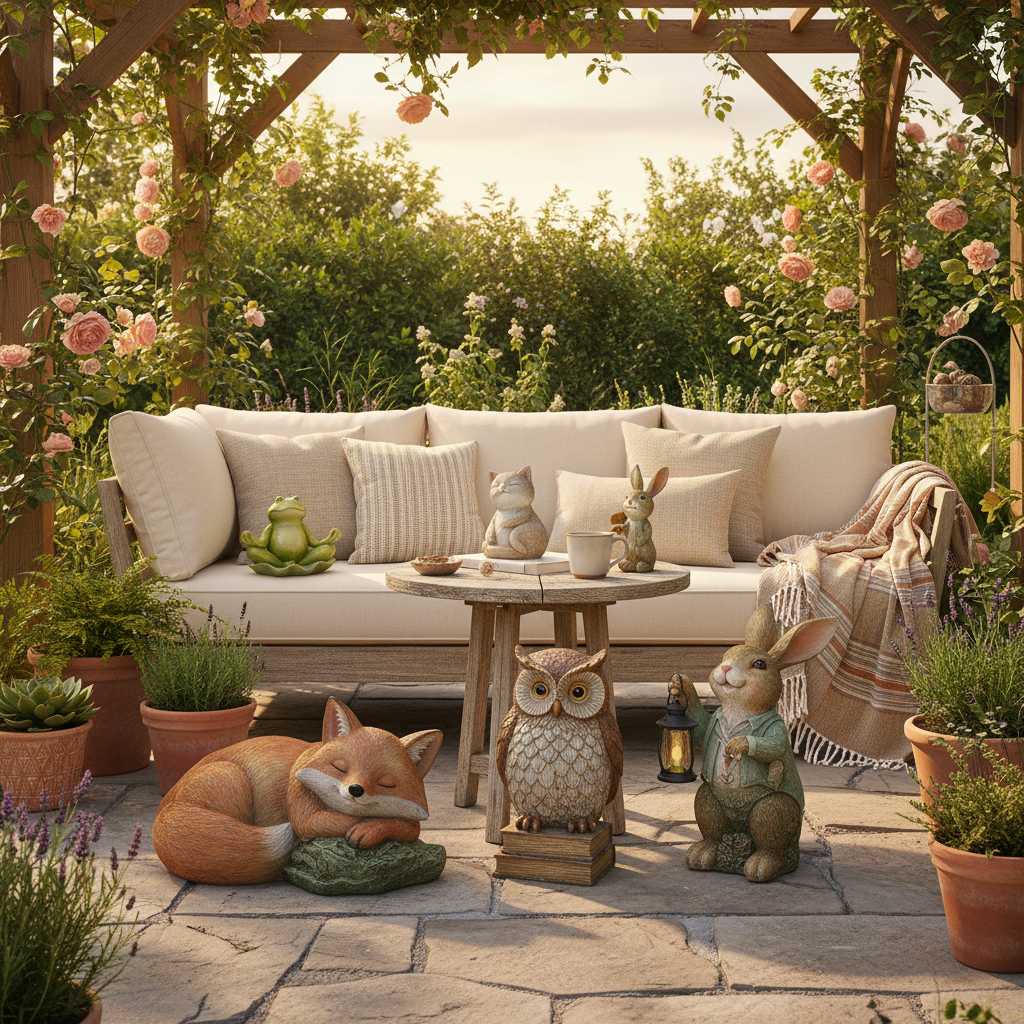
Key Factors and Core Components of Resin Garden Statues
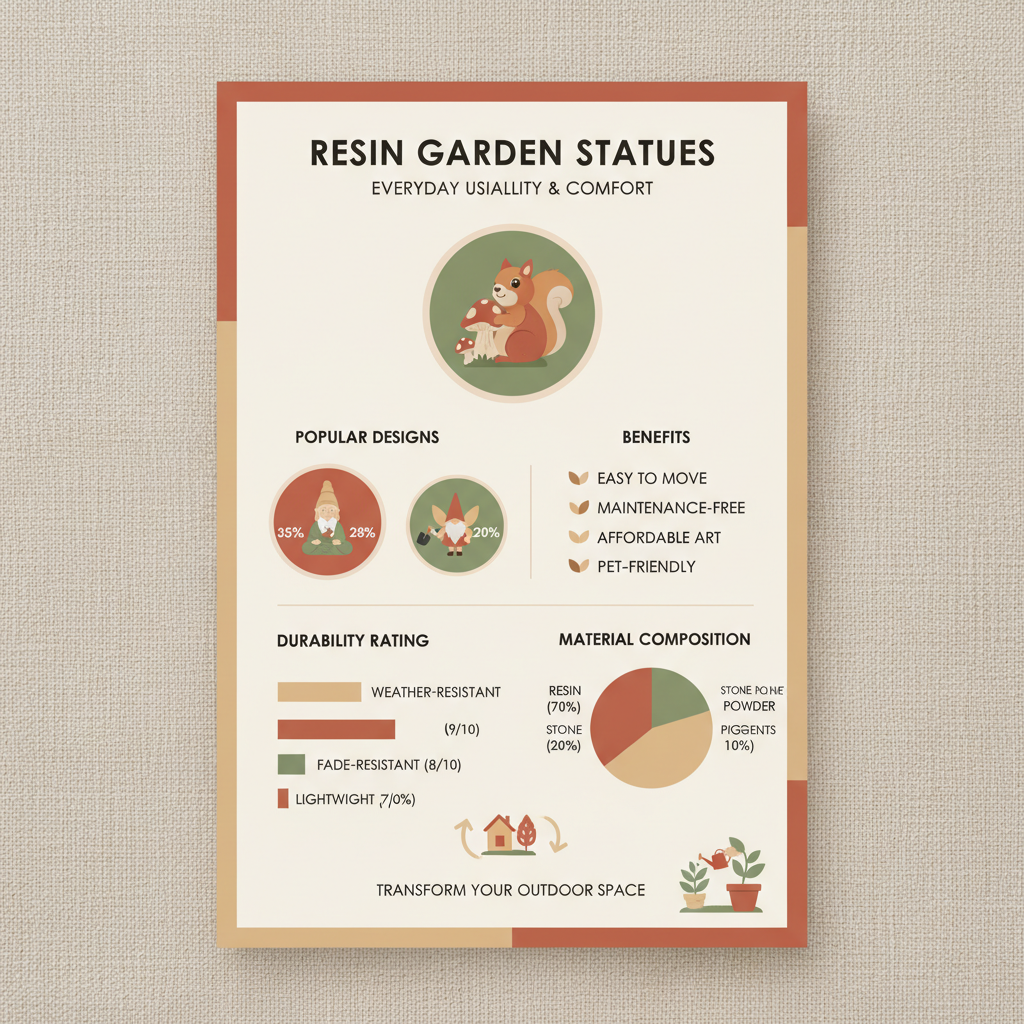
Let’s talk materials. It’s not just ‘resin’, it’s a blend. Polyresin, fiberglass, and even stone powder are often combined to create different textures and strengths. The ratio matters – more fiberglass means greater impact resistance, while stone powder adds weight and a more natural feel. Understanding these blends is key to knowing what you’re getting. It's the difference between a statue that lasts a season and one that lasts a decade.
Then there’s the pigmentation. UV resistance is critical. Cheap pigments fade quickly in sunlight. We look for statues made with pigments that are specifically formulated for outdoor use, because frankly, nobody wants a pink flamingo turning white after six months. And the mold itself? That dictates the detail. High-quality molds mean sharper lines and more intricate designs, and that’s what people are paying for.
Global Applications & Use Cases
You see these statues popping up everywhere, honestly. In the US and Europe, they’re big in residential landscaping, creating focal points in gardens and on patios. But it’s not just about private gardens. Parks and public spaces are using them more and more, often as thematic elements in children’s areas or to add a touch of whimsy. In Asia, particularly in countries like Japan and Korea, there’s a strong tradition of garden ornamentation, and resin statues are fitting right in.
We’re even seeing interesting applications in therapeutic settings. Hospitals and rehabilitation centers are using garden statues as part of sensory gardens, creating calming and restorative environments. And in some developing countries, they're being used in community projects – decorating public spaces and creating a sense of ownership and pride. It's a versatile product, that's for sure.
I recently worked with a team installing statues in a retirement community. The residents absolutely loved having something cheerful to look at, and the lightweight nature of the resin made them easy to move around for different events. That's a practical benefit that often gets overlooked – they’re not back-breaking to reposition like concrete!
Advantages & Long-Term Value
The biggest win with resin statues? Maintenance. Unlike concrete, they don't crack easily. Unlike metal, they don’t rust. A simple wash with soap and water is usually all they need to look good as new. That translates to real savings for homeowners and landscape maintenance crews. They’re also significantly lighter than comparable materials, making them easier and cheaper to transport and install.
From a sustainability standpoint, resin can be a surprisingly good option. Many manufacturers are now using recycled materials in their resin blends, reducing their environmental footprint. And because they last longer than cheaper alternatives, you're reducing the need for frequent replacements, which means less waste overall. The long-term value isn't just about saving money; it's about making a responsible choice.
There’s also the creative aspect. Resin is incredibly versatile, allowing for a huge range of designs and finishes. You can get statues that look like aged bronze, weathered stone, or even vibrant, modern art pieces. It allows people to express their personal style and create a truly unique outdoor space.
Durability and Weather Resistance
Look, I’ve seen statues get hammered by hail, baked by the sun, and frozen solid by winter. The key to durability is the quality of the resin and the UV protection. A good statue will have a protective coating that prevents fading and cracking. We’ve been testing different resins for years, and the ones with fiberglass reinforcement consistently outperform the others.
It's not just about the material itself, though. The design matters too. Statues with thin limbs or delicate features are more prone to damage. We look for designs that are structurally sound and can withstand the stresses of outdoor life. And proper anchoring is crucial – a beautiful statue is no good if it gets blown over in a storm.
Resin Garden Statue Weather Resistance Ratings (1-10)
Cost-Effectiveness and Production Scalability
Compared to materials like bronze or carved stone, resin is incredibly cost-effective. That’s because the production process is much faster and requires less skilled labor. The molds can be reused countless times, reducing the cost per unit. This allows manufacturers to offer statues at a wide range of price points, making them accessible to a broader audience.
And the scalability is a huge advantage. If demand spikes, we can ramp up production quickly without significant investment in new equipment or personnel. That's critical in a market that's sensitive to seasonal trends and changing consumer preferences. It’s the reason we can respond to large orders from retailers and municipalities without missing a beat.
Future Trends & Innovations
We're starting to see some really exciting developments in the resin statue world. Manufacturers are experimenting with new resin blends that are even more durable and environmentally friendly. Bio-resins, made from renewable resources, are gaining traction. And there’s a growing demand for statues with integrated lighting – solar-powered LEDs that illuminate gardens at night.
3D printing is also going to be a game-changer. It allows for the creation of highly customized statues, opening up new possibilities for designers and consumers alike. Imagine being able to order a statue that’s a perfect replica of your pet! It’s not science fiction anymore; it’s happening right now.
Challenges & Solutions
One of the biggest challenges is quality control. There are a lot of cheap, poorly made resin statues flooding the market, and that can damage the reputation of the entire industry. We address this by working closely with our manufacturers, conducting rigorous inspections, and offering a satisfaction guarantee.
Another issue is environmental concerns. While resin itself isn’t inherently harmful, the production process can generate waste. We're actively working with our suppliers to minimize waste and explore more sustainable manufacturing practices, like closed-loop recycling systems.
Finally, there's the challenge of educating consumers. Many people still don’t understand the benefits of resin statues and are hesitant to invest in them. We're addressing this through online content, social media marketing, and partnerships with garden centers and landscapers.
Overview of Key Challenges and Proposed Solutions for Resin Garden Statues
| Challenge Category |
Specific Challenge |
Impact Level (1-5) |
Proposed Solution |
| Quality Control |
Prevalence of low-quality statues |
4 |
Rigorous supplier audits and product testing |
| Environmental Impact |
Waste generation during production |
3 |
Implementing closed-loop recycling systems |
| Consumer Education |
Lack of awareness regarding benefits |
3 |
Targeted marketing and informational content |
| Material Costs |
Fluctuations in resin and pigment prices |
2 |
Diversifying supplier base and exploring alternative materials |
| Design Innovation |
Limited variety in statue styles |
2 |
Investing in design research and collaborating with artists |
| Supply Chain Resilience |
Potential disruptions due to global events |
1 |
Establishing regional manufacturing hubs |
FAQS
Resin, especially high-quality polyresin, is less porous than concrete, meaning it absorbs less water. This prevents cracking and spalling during freeze-thaw cycles. Also, resin is more flexible, so it can withstand impacts without shattering. I’ve seen concrete statues crumble after just a few years, while resin ones are still looking good after a decade, with minimal care.
That’s a common concern, and it’s a valid one. The key is UV protection. Good manufacturers use pigments that are specifically formulated to resist fading from sunlight exposure. Look for statues that are labeled as “UV resistant” or “fade resistant.” Even with UV protection, some slight fading may occur over many years, but it should be minimal.
Cleaning is a breeze. Just use mild soap and water, and a soft brush or cloth. Avoid using harsh chemicals or abrasive cleaners, as these can damage the finish. For stubborn stains, you can try a gentle scrub with baking soda paste. Regular cleaning will help keep your statues looking their best for years to come.
Generally, yes, but it depends on your climate. In areas with severe winters and frequent freeze-thaw cycles, it’s best to bring your statues indoors or cover them to protect them from the elements. While resin is more durable than concrete, extreme temperatures can still cause damage over time.
That's a growing consideration. While traditional resin isn't biodegradable, many manufacturers are now using recycled materials in their blends, reducing their environmental impact. Also, the durability of resin statues means they need to be replaced less frequently, which reduces waste. Look for products made with bio-resins for an even more sustainable option.
The price varies widely depending on the size, detail, and quality of the statue. You can find small, basic statues for under $20, while larger, more intricate pieces can cost several hundred dollars. Generally, you get what you pay for – higher-quality resin statues will last longer and look better over time.
Conclusion
So, there you have it. Resin garden statues aren’t just a fleeting trend – they’re a practical, versatile, and increasingly sustainable way to add personality and value to outdoor spaces. From their durability and cost-effectiveness to their aesthetic appeal and environmental benefits, they offer a compelling alternative to traditional garden décor. It’s a market that's evolving rapidly, driven by innovation and a growing demand for high-quality, long-lasting products.
Looking ahead, I expect to see even more advancements in resin technology, with a greater focus on sustainable materials and customized designs. The key to success will be focusing on quality, innovation, and customer satisfaction. If you’re looking to enhance your outdoor space, or find a reliable supplier for your business, I encourage you to explore the world of resin garden statues. Visit our website at resin garden statues to learn more!
Post time:Apr . 03, 2026 06:21