The art of creating statues and sculptures has served as a timeless bridge between human imagination and physical reality for millennia. From the monumental stone carvings of ancient civilizations to the intricate bronze casts of the Renaissance, these works of art do more than just decorate a space; they preserve history, embody cultural values, and evoke profound emotional responses. Understanding the nuances of materials and craftsmanship is essential for anyone seeking to integrate these timeless pieces into modern architecture or private collections.
In today's global market, the demand for high-quality artistic replicas and custom commissions has grown as people seek to bring the grandeur of classical art into contemporary settings. Whether it is a reproduction of a Greek masterpiece or a bespoke modern abstract piece, the intersection of traditional artistry and modern manufacturing technology ensures that the spirit of the original creator is preserved. This evolution allows for greater accessibility to world-class art without compromising the integrity of the form.
For those looking to invest in statues and sculptures, the choice of material and the expertise of the manufacturer are the most critical factors. From the timeless strength of bronze to the versatility of fiberglass and marble, each medium offers unique advantages in terms of durability, aesthetics, and cost. By focusing on precision in the molding process and a deep understanding of historical proportions, professional sculptors can create works that stand the test of time.
The Material Excellence of Bronze and Fiberglass
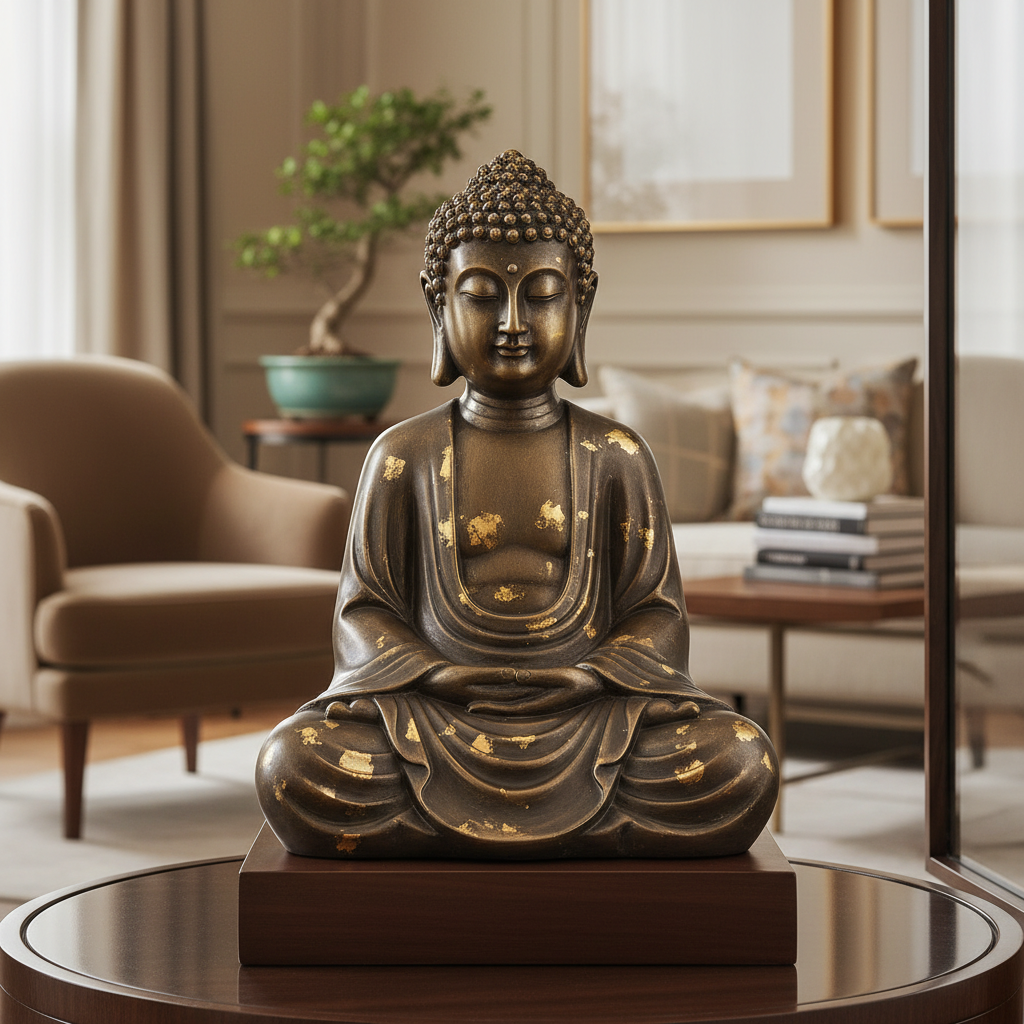
Bronze is widely regarded as the premier material for high-end artistic works due to its exceptional physical properties. Characterized by high strength, hardness, and a relatively low melting point, bronze allows for incredible plasticity during the casting process, enabling artists to capture the finest details of a sculpture. Its inherent corrosion resistance ensures that bronze works can survive for hundreds of years, making it the ideal choice for outdoor monuments and historical replicas like the Zeus of Cape Artemision.
For clients seeking a more cost-effective alternative without sacrificing the visual impact, fiberglass offers a compelling solution. While bronze provides unparalleled longevity and prestige, fiberglass is lightweight and highly versatile, making it easier to transport and install in indoor commercial spaces. The choice between these materials typically depends on the intended environment, the budget of the project, and the desired lifespan of the artwork.
Precision Engineering in Bronze Casting Techniques
The quality of a final bronze piece is fundamentally determined by the casting method employed. Traditional lost-wax casting has been the industry standard for centuries, but modern advancements have introduced silica sol casting. This improved method enhances the precision of the cast and is specifically designed to prevent patina surface irregularities, resulting in a smoother, more consistent finish that more accurately reflects the artist's original vision.
Silica sol casting represents a significant leap in metallurgical art, reducing the risk of surface defects and ensuring that the intricate textures of the sculpture are preserved. By controlling the cooling process and the composition of the mold, manufacturers can achieve a level of detail that was previously unattainable in mass-scale production, blending industrial efficiency with artisanal quality.
This technical precision is especially vital when recreating famous ancient works. When producing a replica of a piece like the "God from the Sea," the casting must be flawless to maintain the historical authenticity of the musculature and posture. The synergy between high-grade bronze alloys and advanced casting technology ensures that each piece is not just a copy, but a masterpiece in its own right.
The Critical Role of Clay Molding and Artistry
Before any metal is poured, the success of the project depends entirely on the initial clay mold. In the creation of professional statues and sculptures, the 1:1 clay model serves as the definitive blueprint. Skilled clay artists spend hundreds of hours refining the proportions and expressions, as any error made in the clay stage will be permanently magnified in the final bronze or marble cast.
Experienced mold artists, often with over 25 years of expertise, bring a level of nuance to the work that digital designs alone cannot replicate. By manually sculpting the clay, they can capture the "soul" of the piece, ensuring that the final product possesses a lifelike quality. This manual process is the most basic and important step in ensuring that a replica is truly similar to the original masterpiece.
Once the clay mold is perfected, it allows the manufacturer to offer free design modifications to the customer's satisfaction. This flexibility ensures that the final statues and sculptures meet the exact specifications of the client, whether they are providing a detailed 3D design or simply a few reference photographs from an archive.
Scalability and Customization for Diverse Applications
One of the greatest advantages of modern sculpture manufacturing is the ability to scale a design to fit any environment. Whether a client requires a miniature desk piece, a life-size museum replica, or a monumental public installation, the production process is designed for scalability. This flexibility allows the same artistic vision to be translated across different magnitudes without losing the integrity of the proportions.
Customization extends beyond size to include a full suite of design services. For clients without a ready-made blueprint, professional design teams provide 3D drawing, CAD, and rendering services to visualize the project before production begins. This one-stop service model—spanning from pre-sales consultation to door-to-door transportation—removes the logistical hurdles typically associated with importing large-scale artworks.
Comparison of Material Performance for Statues and Sculptures
Global Applications of Classical and Modern Art
The application of high-quality sculpture extends far beyond museums. In urban planning, bronze and stone sculptures are used to create landmarks that foster a sense of community and historical pride. Government projects often utilize these pieces to commemorate national heroes or cultural milestones, requiring a manufacturer with a proven track record of delivering large-scale, durable works for public spaces.
In the private sector, the use of decorative sculptures has become a hallmark of luxury real estate and corporate landscaping. From bronze water fountains in hotel courtyards to marble pillars in private estates, these elements add a layer of sophistication and timelessness to a property. The versatility of materials allows for a seamless blend between traditional classical styles and bold, modern abstract forms.
Long-Term Value and Durability of Fine Art
Investing in premium materials like bronze and marble is a decision based on long-term value. Unlike temporary decorations, a well-crafted bronze statue is an asset that can last for centuries. This durability is not only a physical attribute but an emotional one, as these pieces often become family heirlooms or permanent fixtures of a city's architectural identity.
The sustainability of these materials also contributes to their long-term appeal. Bronze is highly recyclable and resistant to the elements, reducing the need for frequent replacement or costly maintenance. When combined with professional finishing techniques, these artworks maintain their luster and detail even in harsh outdoor environments, ensuring that the initial investment continues to pay dividends in aesthetic value.
Furthermore, the prestige associated with custom-made sculptures enhances the perceived value of the surrounding environment. Whether it is a meticulously carved marble figure or a contemporary stainless steel piece, the presence of high-art suggests a commitment to quality, culture, and stability, which is invaluable for both government institutions and private collectors.
Future Innovations in Sculpture Manufacturing
The future of the industry lies in the integration of digital precision with traditional hand-craftsmanship. While the "soul" of a piece is still found in the clay mold, the use of 3D scanning and CAD rendering allows for an unprecedented level of accuracy in the planning phase. This digital transformation enables artists to experiment with complex geometries and proportions before a single ounce of material is cast.
Sustainability is also driving innovation in material science. The development of eco-friendly resins for fiberglass and the refinement of casting processes to reduce waste are becoming industry priorities. By combining these "green" technologies with the timeless beauty of statues and sculptures, manufacturers can meet the demands of a modern, environmentally-conscious global market.
Ultimately, the goal remains the same: to create objects of beauty that inspire and endure. As we move toward a more automated world, the value of human artistry—the touch of the mold artist and the eye of the master caster—will only increase, ensuring that the legacy of classical sculpture continues to evolve and thrive.
Analysis of Material Suitability for Various Sculpture Environments
| Material Type |
Ideal Environment |
Durability Score |
Cost Efficiency |
| Bronze |
Outdoor Public Parks |
10/10 |
Moderate |
| Marble |
Indoor Galleries/Courtyards |
8/10 |
Low |
| Fiberglass |
Commercial Interiors |
6/10 |
High |
| Stainless Steel |
Modern Urban Plazas |
9/10 |
Moderate |
| Cast Iron |
Industrial Gardens |
7/10 |
High |
| Corten Steel |
Architectural Landscapes |
9/10 |
Moderate |
FAQS
Bronze is a premium metal known for its extreme durability, hardness, and ability to last for centuries, making it ideal for high-value outdoor monuments. Fiberglass is a composite material that is much lighter and more cost-effective, making it a better choice for indoor decorations or projects with tighter budgets, though it lacks the long-term prestige and weather-resistance of bronze.
Yes, absolutely. Professional manufacturers can create custom sculptures from simple reference photographs. The process begins with highly skilled clay artists who create a 1:1 physical mold based on your images. Additionally, a professional design team can provide CAD drawings and renderings to ensure the final piece matches your vision perfectly before casting begins.
Bronze is one of the most durable materials used in art. Due to its high corrosion resistance and strength, a well-cast bronze sculpture can last for hundreds, and even thousands, of years. This is why many of the world's most famous ancient Greek and Roman artworks were made of bronze; they are built to withstand the elements and the passage of time.
Silica sol casting is an advanced version of the lost-wax casting method. It utilizes a specialized ceramic shell that provides higher stability and precision during the pouring of molten metal. The primary advantage is that it prevents unsightly patina surface defects and allows for much finer detail in the final sculpture, resulting in a more professional and authentic finish.
Yes, specifically those made from bronze, stainless steel, or Corten steel. These materials are chosen for their ability to resist oxidation and weather-related wear. Bronze develops a natural patina over time that actually protects the metal, while stainless steel remains pristine. Our production process ensures that outdoor pieces are structural sound and weather-proof.
We can produce sculptures in virtually any size. Our capabilities range from small-scale tabletop pieces to life-size replicas (like the Zeus of Artemision) and even monumental, very large-scale installations. Because we use 1:1 clay molding, we can accurately scale a design up or down to meet the specific spatial requirements of your project.
Conclusion
The creation of high-quality statues and sculptures is a sophisticated blend of historical artistry and modern engineering. By leveraging premium materials like bronze and marble, and employing advanced techniques such as silica sol casting and precise clay molding, it is possible to create works that are both aesthetically breathtaking and structurally permanent. From the initial concept and 3D rendering to the final door-to-door delivery, the journey of a sculpture is one of precision, passion, and enduring value.
As we look toward the future, the integration of digital design will only enhance the ability of artists to push the boundaries of form and scale. For those seeking to elevate their environment, whether through a classical Greek replica or a bold modern statement, investing in expert craftsmanship is the only way to ensure a legacy of beauty. We invite you to explore the possibilities of custom artistry and bring your vision to life. Visit our website: www.firststatue.com