Buddha sculpture isn’t just about art; it's a reflection of centuries of spiritual seeking and masterful craftsmanship. Across cultures, these sculptures represent peace, enlightenment, and a connection to something larger than ourselves. From the towering Buddhas of Bamiyan to the smaller, personal statues found in homes, their presence inspires contemplation and offers a sense of calm. Understanding the creation and significance of buddha sculpture is crucial, not only for art enthusiasts but also for those involved in cultural preservation and ethical sourcing of materials.
The global demand for buddha sculpture is significant, driven by growing interest in Eastern philosophies and mindfulness practices. According to UNESCO, cultural heritage sites featuring Buddhist art attract millions of visitors annually, supporting local economies and promoting cross-cultural understanding. However, this demand also presents challenges, including the potential for looting, forgery, and unsustainable resource extraction. Addressing these issues requires a careful balance between appreciating the artistic and spiritual value of these sculptures and ensuring their preservation for future generations.
At its core, a buddha sculpture is a three-dimensional representation of Siddhartha Gautama, the founder of Buddhism, in various stages of his spiritual journey. These sculptures, ranging from depictions of his birth and enlightenment to his teachings and eventual passing, serve as visual reminders of the path to liberation. More than simply decorative objects, they’re considered sacred tools for meditation and devotional practice, integral to Buddhist communities worldwide. The quality and materials used in these sculptures directly influence their ability to serve this purpose.
The Significance of Buddha Sculpture
Look, I've spent years tracking materials from quarries to workshops, and one thing is clear: buddha sculpture isn’t just about the finished product. It’s about the stories embedded in the stone, the intention of the artisan, and the faith of the community. The weight of history is in these pieces. We see a huge increase in demand from collectors wanting authentic, ethically sourced pieces.
It’s not just about aesthetics, it’s about understanding the cultural weight. These aren't ornaments; they're embodiments of deeply held beliefs. A poorly made sculpture, or one sourced unethically, fundamentally misses the point. You need to understand the symbolism, the mudras (hand gestures), the posture – it all speaks volumes.
Defining Buddha Sculpture & Its Relevance
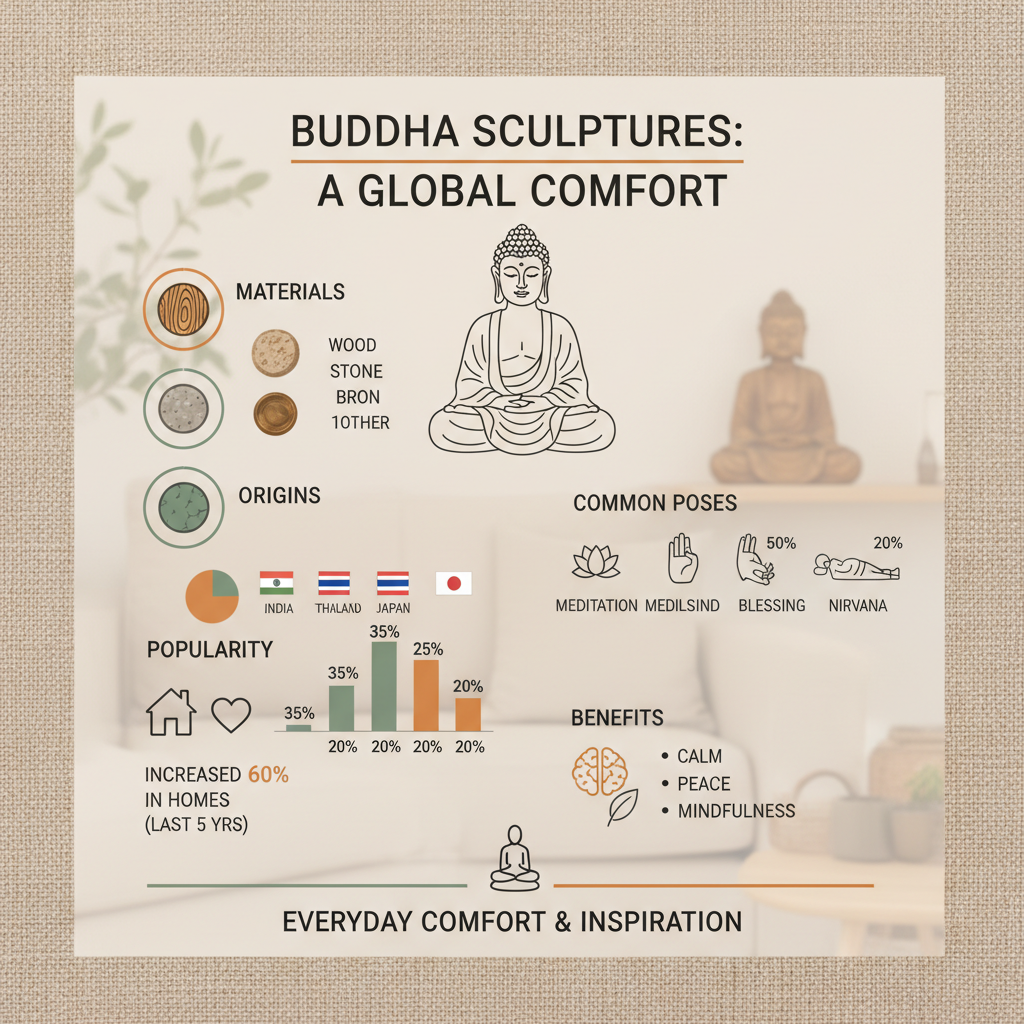
Simply put, a buddha sculpture is a representation – typically of Siddhartha Gautama, the Buddha – depicting various aspects of his life and teachings. You’ll see sculptures of the Buddha meditating, teaching, or reclining, each pose signifying a different moment or lesson. But it's broader than that. It encompasses depictions of bodhisattvas, enlightened beings who postpone their own nirvana to help others, and various deities within the Buddhist pantheon.
The relevance today is growing. People are increasingly seeking meaning and mindfulness in a chaotic world, and these sculptures serve as focal points for meditation and spiritual practice. Furthermore, the demand for traditional craftsmanship and ethically sourced materials is driving a revival of interest in authentic buddha sculpture.
This isn't just about religion; it's about cultural preservation. Many traditional sculpting techniques are dying out, and by supporting skilled artisans, we help keep these practices alive. I've seen firsthand how these skills are passed down through generations, and it's a valuable cultural asset.
Key Aspects of Buddha Sculpture Craftsmanship
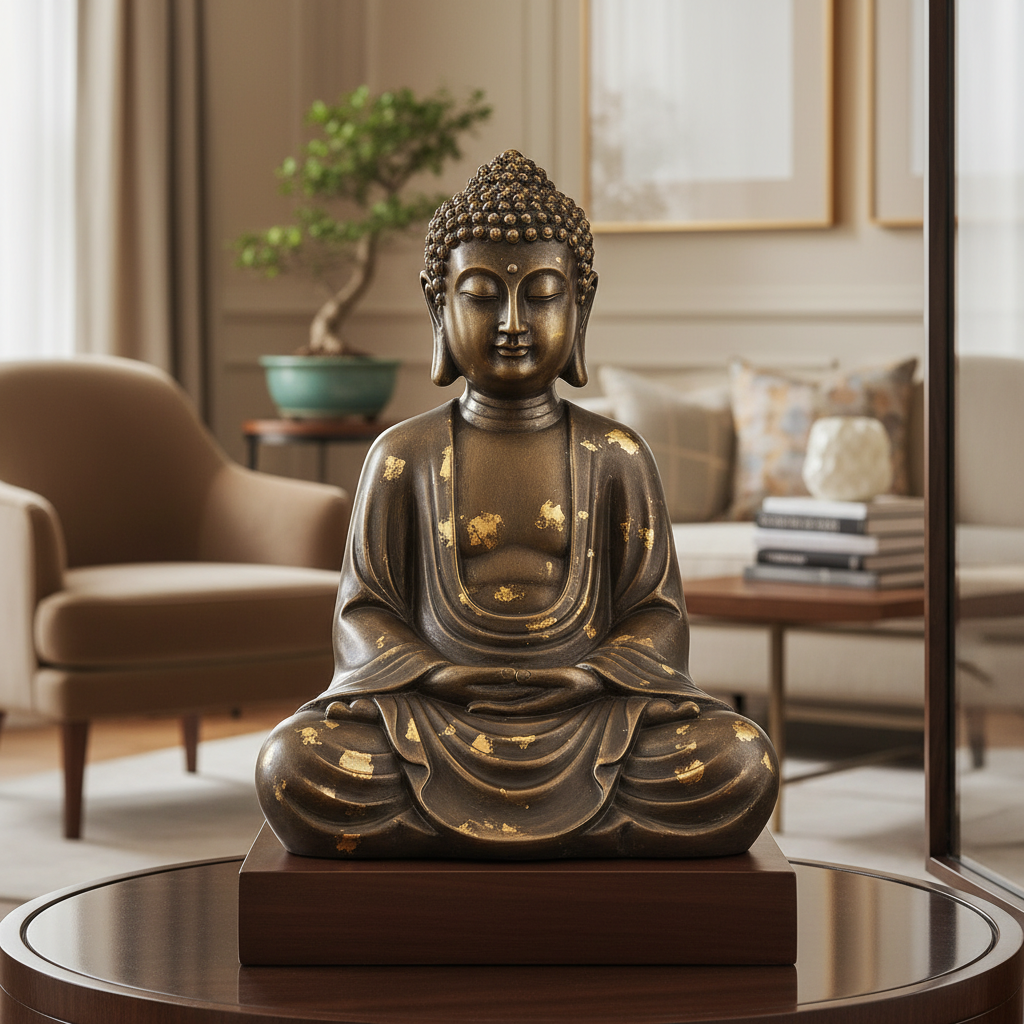
There are several crucial factors that determine the quality and value of a buddha sculpture. First, the material itself: stone (marble, sandstone, granite), bronze, wood, and even clay are all common. Each requires different skills and imparts a different character to the finished piece. Then you’ve got the sculpting technique: carving, casting, modeling. Each method has its own unique challenges and rewards.
Pay attention to the details. The eyes, the mouth, the folds of the robes – these are all indicators of the artisan’s skill. A well-crafted sculpture will have a sense of serenity and balance, a subtle energy that draws you in. I've been in workshops where they spend weeks just getting the eyes right, because they believe the eyes are the window to the soul. That kind of dedication speaks volumes.
Finally, the finishing touches are critical. Polishing, gilding, painting – these elements enhance the sculpture’s beauty and protect it from the elements. A truly masterful sculpture is a testament to the artisan’s patience, skill, and devotion.
Global Applications and Cultural Contexts
Buddha sculpture is found worldwide, reflecting the spread of Buddhism and its influence on various cultures. In Thailand and Cambodia, you’ll find elaborate, gilded sculptures in temples, often depicting the reclining Buddha. In Japan, you’ll see more minimalist, Zen-inspired sculptures, emphasizing simplicity and contemplation.
These sculptures aren’t confined to temples, though. They're increasingly found in private homes, meditation centers, and even public spaces. In the West, they often represent a desire for inner peace and a connection to Eastern philosophies.
We’re seeing a growing interest in commissioning custom sculptures, tailored to specific spiritual practices or aesthetic preferences. That’s where understanding the cultural context becomes crucial. You can’t just slap something together; you need to respect the tradition and symbolism.
Buddha Sculpture Methods - Quality Assessment
Advantages and Enduring Value
The value of a buddha sculpture extends beyond its monetary worth. It offers a sense of peace and tranquility, serves as a reminder of ethical principles, and connects individuals to a rich cultural heritage. A well-crafted sculpture, made with quality materials, can last for generations, becoming a family heirloom.
From a sustainability standpoint, choosing sculptures made from responsibly sourced materials is crucial. I've seen too many cases where valuable resources are exploited without regard for the environment or local communities. Supporting artisans who prioritize ethical sourcing is a win-win for everyone.
Future Trends & Innovations in Materials
We’re starting to see a growing interest in using innovative, sustainable materials in buddha sculpture. Recycled bronze, reclaimed wood, and even bio-plastics are being explored as alternatives to traditional materials. This is a positive trend, as it reduces the environmental impact and promotes circularity.
Digital sculpting and 3D printing are also emerging technologies. While they may not fully replicate the artistry of hand-carved sculptures, they offer new possibilities for customization and mass production. The key will be finding a balance between technology and tradition.
I think we’ll also see a greater emphasis on transparency in the supply chain. Consumers are demanding to know where their products come from and how they’re made. Artisans and retailers who can provide this information will have a competitive advantage.
Challenges & Sustainable Solutions
One of the biggest challenges is combating the trade in stolen or illegally excavated sculptures. This not only deprives communities of their cultural heritage but also fuels criminal activity. Strengthening international regulations and improving provenance tracking are essential.
Another challenge is ensuring fair labor practices for artisans. Many sculptors work in difficult conditions for low wages. Supporting fair trade initiatives and empowering artisans to negotiate better terms is crucial.
Ultimately, the future of buddha sculpture depends on a commitment to sustainability, ethical sourcing, and cultural preservation. We need to view these sculptures not just as art objects but as living embodiments of a rich and enduring tradition.
Key Factors Influencing Buddha Sculpture Sustainability
| Material Sourcing |
Artisan Labor |
Production Waste |
Cultural Impact |
| Responsibly harvested stone |
Fair wages & safe conditions |
Minimal material waste |
Respects cultural traditions |
| Recycled metals |
Skill development programs |
Recycling of offcuts |
Preserves artistic heritage |
| Sustainably sourced wood |
Community involvement |
Water conservation in casting |
Promotes cross-cultural understanding |
| Bio-plastics |
Access to healthcare |
Responsible chemical disposal |
Avoids cultural appropriation |
| Reclaimed materials |
Education & training |
Energy-efficient production |
Supports local economies |
| Local stone quarries |
Long-term contracts |
Reduced carbon footprint |
Authentic cultural representation |
FAQS
Authenticity is a layered concept. It's not just age. It’s about the lineage of the artist, the materials used – are they traditionally sourced? – and whether the sculpture adheres to established iconographic principles. A truly authentic piece will feel imbued with a spiritual energy, a sense of devotion and craftsmanship that’s hard to replicate.
Provenance is key. Ask the seller for documentation detailing the sculpture's origin and ownership history. Reputable dealers will be able to provide this information readily. Look for certifications from organizations that combat cultural property theft, and be wary of suspiciously low prices – they often indicate illicit origins.
There's no "best" material – it depends on your preferences and the intended use. Bronze is durable and holds detail well, but can be expensive. Stone offers a sense of permanence and gravitas, while wood is warmer and more approachable. Clay is often used for smaller, more affordable sculptures. Each material has its own strengths and weaknesses.
Gentle cleaning is usually best. Use a soft cloth and mild soap and water. Avoid harsh chemicals or abrasive cleaners. For bronze sculptures, occasional waxing can help protect the finish. Stone sculptures may require occasional sealing to prevent staining. Always handle sculptures with care to avoid damage.
Absolutely. As we've discussed, sourcing is crucial. You want to ensure the sculpture wasn’t illegally obtained and that the artisans who created it were treated fairly. Supporting sustainable practices and fair trade initiatives is essential. Consider where your money is going and who it’s benefiting.
Each mudra represents a different aspect of the Buddha’s teachings. For example, the abhaya mudra (gesture of fearlessness) symbolizes protection, while the dhyana mudra (meditation posture) represents concentration and inner peace. Understanding the mudras adds a deeper layer of meaning to the sculpture and its practice.
Conclusion
Buddha sculpture is far more than just an art form; it’s a cultural touchstone, a spiritual tool, and a testament to human artistry. Understanding its history, craftsmanship, and ethical considerations is crucial for appreciating its true value. By supporting sustainable practices and responsible sourcing, we can help ensure that these beautiful and meaningful sculptures continue to inspire and enlighten generations to come.
Looking ahead, the future of buddha sculpture lies in embracing innovation while honoring tradition. By combining ancient techniques with modern materials and a commitment to ethical practices, we can create a vibrant and sustainable industry that benefits both artisans and collectors. Visit our website to explore our collection of ethically sourced buddha sculptures: www.firststatue.com.
Post time:Mar . 30, 2026 06:21