The global market for ecclesiastical art is currently experiencing a shift toward high-durability materials and direct-from-manufacturer procurement models to balance artistic integrity with budgetary constraints. For institutions and distributors focusing on catholic saint statues wholesale, the challenge lies in sourcing pieces that maintain classical theological proportions while utilizing weather-resistant materials for outdoor installation.
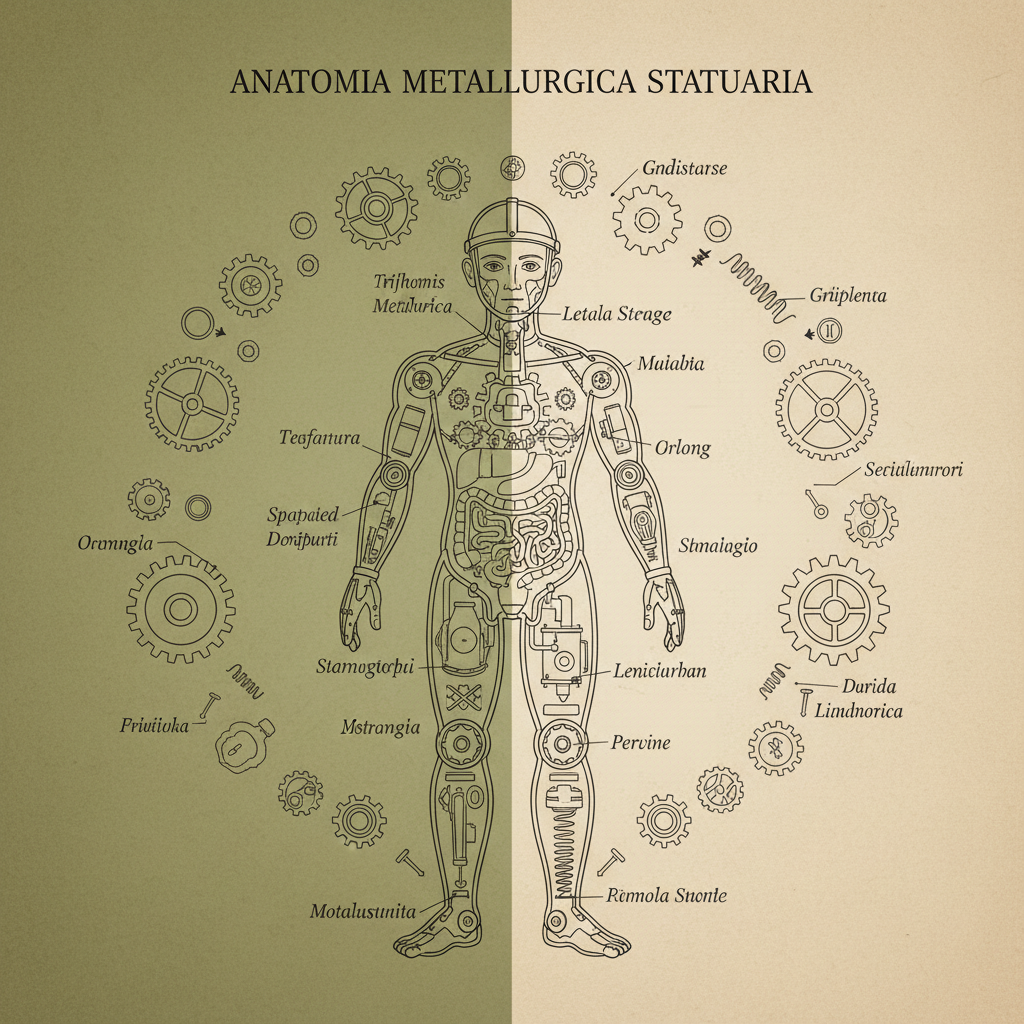
This transition is driven by a growing need for sustainable landscape ornaments that can withstand diverse climates without frequent restoration. The complexity of producing large-scale religious figures requires a deep understanding of both traditional iconography and modern metallurgy, ensuring that the final product serves as a lasting spiritual beacon.
This article analyzes the critical engineering and procurement considerations for sourcing large-scale religious sculptures, exploring the trade-offs between materials like bronze, marble, and stainless steel to help buyers make informed decisions for their architectural projects.


The selection of material fundamentally dictates the lifespan and aesthetic impact of religious art. Traditional bronze remains the gold standard for its nobility and ability to develop a protective patina over time, while marble is preferred for indoor sanctuaries due to its luminosity and soft texture.
Modern requirements have introduced stainless steel and fiberglass as viable alternatives. Stainless steel, particularly grades 304 and 316L, offers superior corrosion resistance and a contemporary mirror-polished finish, making it ideal for urban environments with high pollution or salt spray.
When evaluating partners for catholic saint statues wholesale, buyers must look beyond the visual catalog and examine the technical capabilities of the manufacturer. A critical factor is the casting method; for instance, the use of silica sol casting technology is essential for preventing permanent rust in bronze works, a process only a limited number of specialized factories can execute with precision.
Dimensional accuracy and scale are also paramount. The transition from a clay model to a full-scale statue requires precise volumetric calculations to ensure structural stability, especially for figures exceeding 3 meters in height. Buyers should request detailed specifications regarding the internal armature and support structures used to prevent sagging or structural failure.
Furthermore, the finishing process—whether it be mirror polishing, plating, or traditional patina—affects the maintenance cycle of the piece. High-grade finishes reduce the need for frequent chemical sealing, thereby lowering the total cost of ownership for the church or municipality.
Large-scale sculpture production involves complex thermal management during the casting process. Uneven cooling can lead to internal stresses and microscopic fractures, which may manifest as visible cracks after several seasons of thermal expansion and contraction in outdoor settings.
Integrating modern elements, such as built-in LED lighting for night-time visibility, adds another layer of complexity. This requires the seamless integration of electrical conduits within the sculpture's core without compromising the artistic flow or creating weak points in the metal structure.
Understanding the relative performance of materials is key to selecting the right product for a specific environment. Factors such as UV exposure, humidity, and atmospheric acidity play a decisive role in how a statue ages.
The following data provides a normalized engineering assessment of various materials commonly used in religious wholesale, evaluating them across key durability and maintenance metrics.
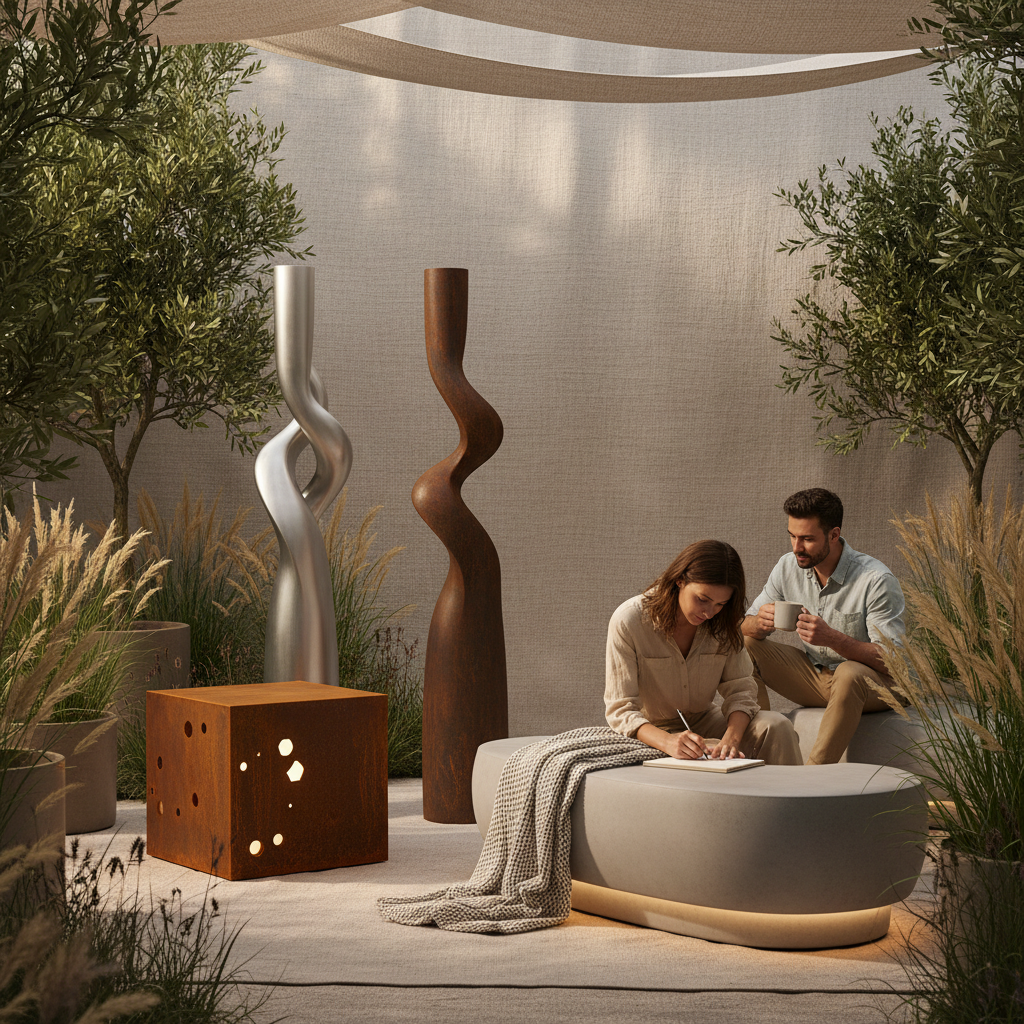
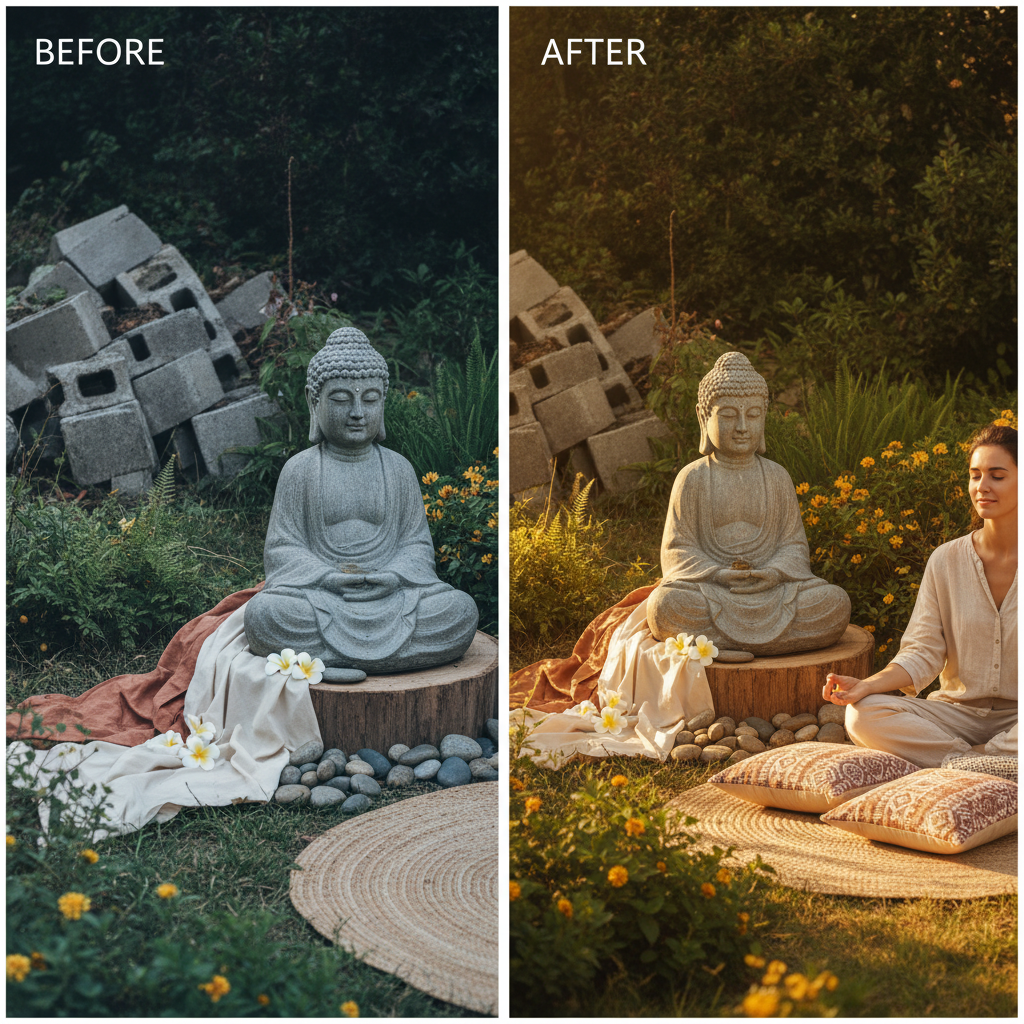
The deployment of religious sculptures varies significantly based on the intended interaction with the public. For garden installations, the sculpture must be coordinated with the landscape, ensuring that the scale is proportionate to the surrounding architecture and that the orientation maximizes visual impact from primary walkways.
In corporate or institutional atriums, a more contemporary approach is often adopted. For example, the use of abstract stainless steel elements or polished religious figures can blend traditional spirituality with modern office aesthetics, creating a calming environment that emphasizes serenity and artistic flair.
The industry has evolved from purely hand-carved methods to a hybrid approach combining traditional artistry with mechanical precision. Today, customized solutions allow clients to specify the exact pose, finish, and dimensions based on conceptual drawings or historical photographs.
Advanced 3D modeling now enables a "digital twin" of the sculpture to be reviewed and approved by the client before any material is cast. This reduces the risk of errors and ensures that the theological and artistic requirements are met with exceptional accuracy.
Furthermore, the ability to customize bases—from classic marble plinths to modern stainless steel supports—allows the sculpture to be seamlessly integrated into diverse architectural styles, whether it be a gothic cathedral or a modern museum garden.
For procurement officers and landscape architects, comparing different configurations is essential for budget optimization. The decision should be based on a weighted analysis of expected lifespan, installation complexity, and initial investment.
It is important to distinguish between "off-the-shelf" wholesale options and fully customized commissions. While standard figures offer faster delivery, custom works provide the unique narrative nature required for significant landmark projects.
The following matrix outlines the typical trade-offs across different production profiles commonly encountered in the sculpture industry.
| Configuration Type | Primary Material | Maintenance Level | Recommended Use Case |
|---|---|---|---|
| Basic Configuration | Fiberglass | Moderate | Indoor Chapels / Temporary Exhibits |
| Standard Configuration | Cast Bronze | Low | Public Squares / Church Gardens |
| High-Duty Configuration | 316L Stainless Steel | Very Low | Coastal Areas / High-Pollution Urban Zones |
| Precision Configuration | White Marble | High | Indoor Sanctuaries / Luxury Villas |
| Architectural Configuration | Corten Steel | Low | Modernist Landscape Art / Parks |
| Industry Baseline | Mixed Metal | Moderate | General Commercial Installations |
For outdoor environments, Bronze and Stainless Steel are the superior choices. Bronze is valued for its timeless aesthetic and natural patina, while Stainless Steel (Grade 316L) offers the highest resistance to corrosion, particularly in coastal or industrial areas. Fiberglass is an option for budget-conscious projects but requires more frequent UV-protective coating updates to prevent fading and degradation over time.
Silica sol casting is an advanced precision casting technique that creates a much finer and more stable mold surface compared to traditional sand casting. This results in a sculpture with higher surface detail and, more importantly, a denser metal structure that is significantly less prone to permanent rust and internal porosity, ensuring a longer lifespan for the artwork.
Yes, professional manufacturers can customize sculptures based on a client's design, photographs, or conceptual drawings. The process typically involves creating a small-scale maquette, followed by a full-scale clay model for approval before the final casting or carving begins. This ensures that the final piece aligns perfectly with the intended architectural space and theological requirements.
Installation of heavy marble or bronze statues requires a reinforced concrete foundation to prevent sinking or tilting over time. The foundation's depth and strength should be calculated based on the statue's total weight and the soil's load-bearing capacity. Additionally, using stainless steel anchor bolts is recommended to secure the sculpture and prevent tipping during extreme weather events.
Oversized sculptures are typically secured using custom-built, fumigated wooden crates that provide internal bracing to prevent movement during transit. For very large pieces, sea freight in open-top containers or flat-rack containers is used. Experienced manufacturers provide end-to-end logistics support, including export documentation and coordination with local installation teams.
Polished stainless steel is relatively low-maintenance. For most environments, a quarterly cleaning with mild soap and water is sufficient to remove surface contaminants. In high-salt coastal areas, monthly rinsing with fresh water is recommended to prevent salt buildup. Professional polishing may be required every few years to restore the original mirror finish if the sculpture is exposed to abrasive airborne particles.
The successful procurement of catholic saint statues wholesale requires a balanced approach that weighs artistic tradition against material engineering. By prioritizing technical specifications such as casting methods and material grades over simple cost metrics, institutions can ensure their investments remain structurally sound and visually inspiring for generations.
Ultimately, the integration of high-precision manufacturing and custom design allows for the creation of ecclesiastical art that not only honors spiritual heritage but also withstands the rigors of the modern environment. For those seeking a blend of classical artistry and industrial durability, collaborating with a manufacturer that masters both marble and metal is the most effective path forward.