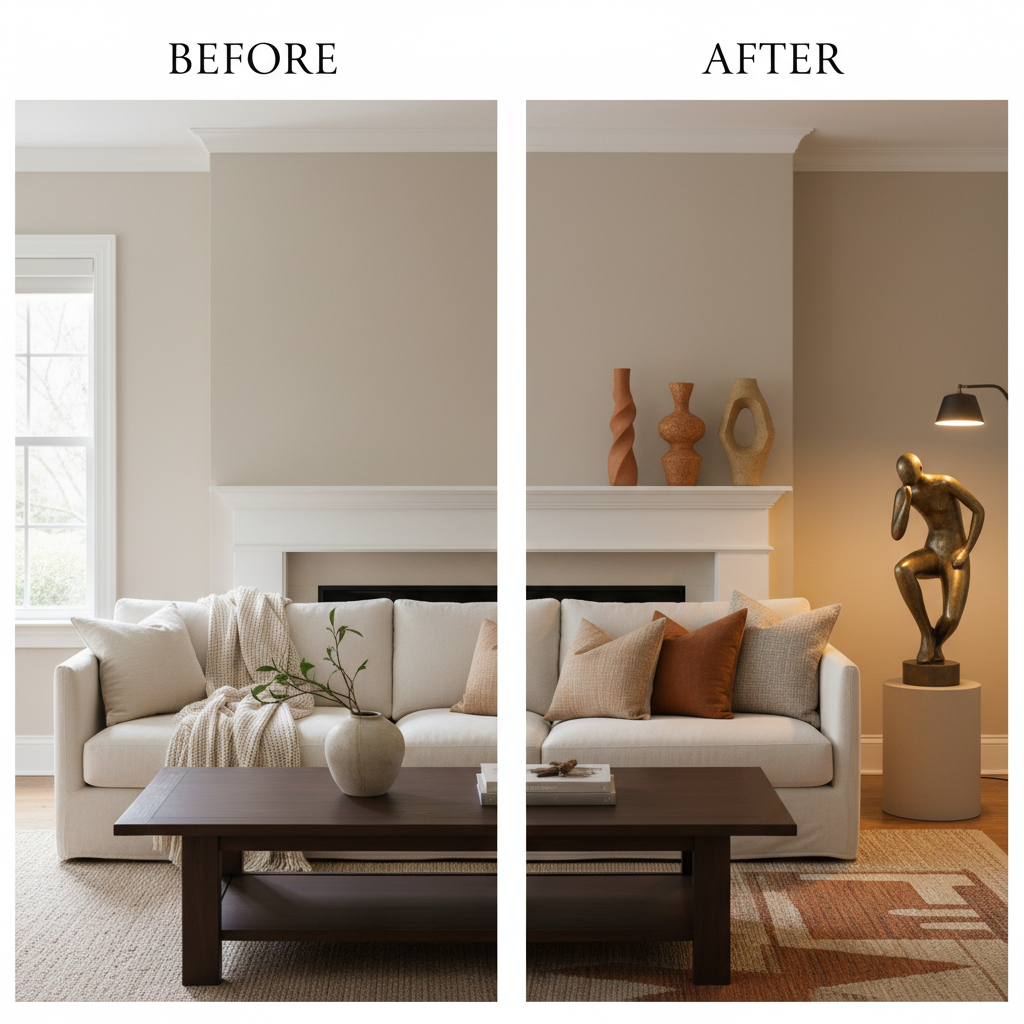
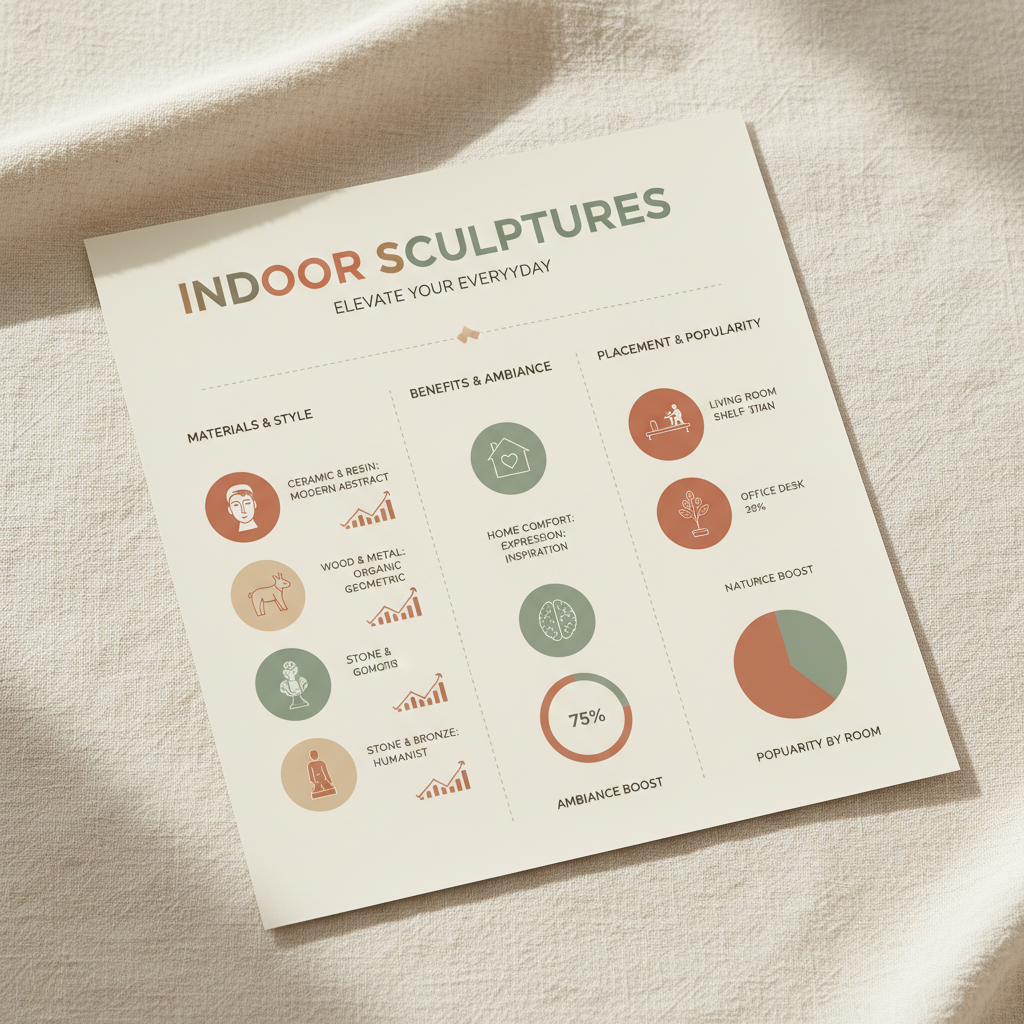
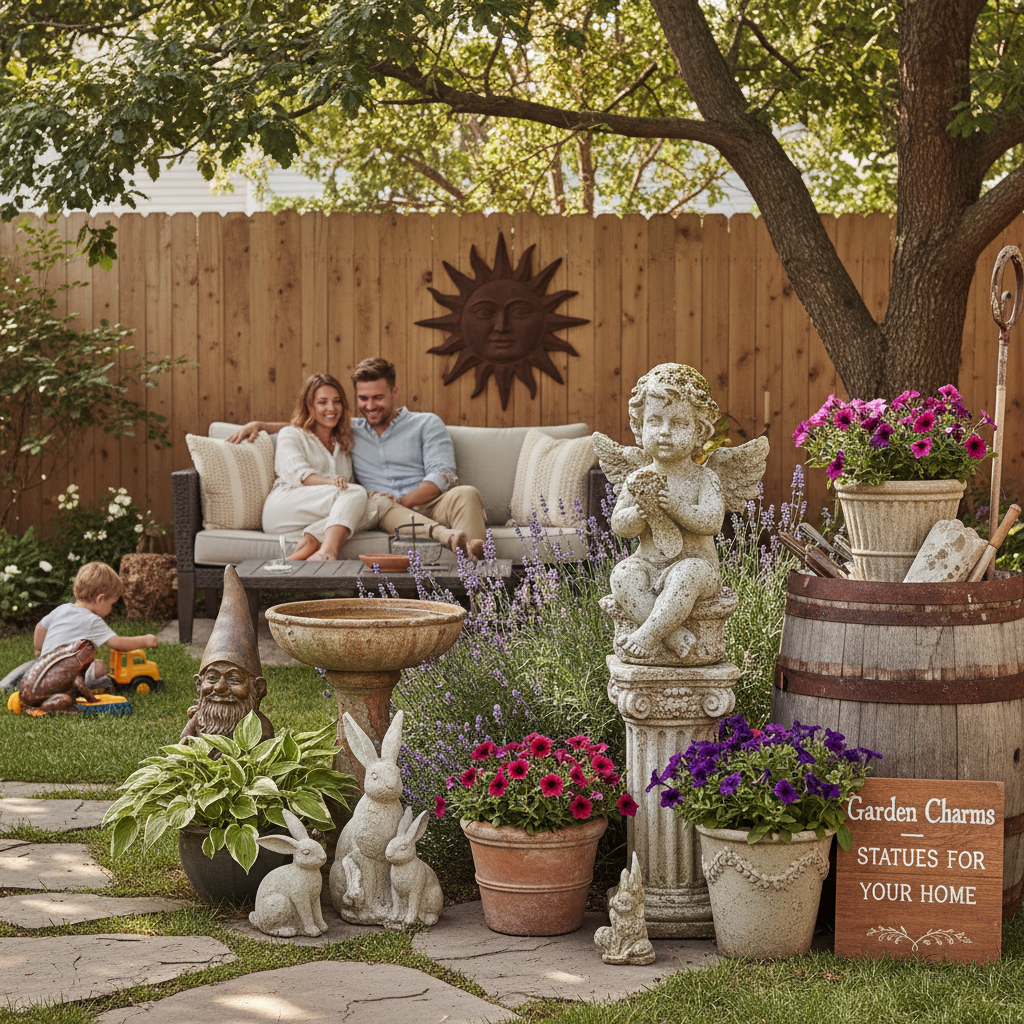
Integrating high-quality indoor statues into interior design is more than a mere decorative choice; it is an expression of cultural identity and personal philosophy. From the minimalist appeal of contemporary abstract forms to the timeless grandeur of classical marble figures, these pieces serve as focal points that define the atmosphere of a room, bridging the gap between architectural rigidity and artistic fluidness.
On a global scale, the demand for sophisticated interior sculpture has seen a resurgence as homeowners and corporate entities seek to create environments that promote wellness, reflection, and prestige. By incorporating curated sculptural elements, spaces are transformed from simple functional areas into galleries of emotion and history, reflecting a growing global trend toward "slow living" and the appreciation of tangible, handcrafted artistry.
Understanding the nuances of material selection, scale, and thematic coherence is essential for anyone looking to elevate their space. Whether it is a serene Bronze Buddha for a meditation room or a bold Stainless Steel figure for a modern lobby, the right choice of indoor statues can significantly enhance the psychological comfort and aesthetic value of any indoor environment.
The Materiality and Essence of Indoor Statues
The essence of indoor statues lies in the dialogue between the chosen medium and the surrounding light. Bronze, for instance, offers a timeless depth with its patina, evoking a sense of heritage and permanence, while marble provides a luminosity that mimics the softness of human skin or the purity of celestial forms. The material is not just a carrier of the shape but a communicator of the piece's emotional weight.
In the realm of contemporary design, the use of stainless steel and fiberglass has introduced a new language of sleekness and versatility. These materials allow for daring geometric experiments and oversized installations that would be prohibitively heavy in stone. By balancing traditional craftsmanship with modern industrial materials, artists can create indoor statues that resonate with both the historical past and the futuristic vision of the inhabitant.
Determining the Right Scale and Proportion
One of the most common challenges when selecting indoor statues is achieving a harmonious balance between the artwork and the room's dimensions. A piece that is too small can be swallowed by a vast living room, appearing insignificant rather than intimate, whereas an oversized sculpture in a tight corridor can create a feeling of claustrophobia and tension. The goal is to create a visual anchor that guides the eye without dominating the space.
Proportion should be considered not only in relation to the floor area but also in terms of ceiling height and furniture scale. For high-ceilinged foyers, vertical pieces such as a Bronze Figure Statue or a tall Marble Pillar provide a necessary upward lift, drawing the viewer's gaze and emphasizing the architectural volume. Conversely, in low-profile modern apartments, abstract desktop sculptures or horizontal bronze pieces maintain the room's flow.
Expert curators often suggest the "Rule of Thirds" or the "Golden Ratio" when positioning indoor statues. Placing a sculpture slightly off-center can create a more dynamic energy, encouraging movement within the room. By carefully calculating the negative space around the statue, the artwork is allowed to "breathe," ensuring that the sculptural form remains the undisputed protagonist of the interior narrative.
The Psychological Impact of Sculptural Art
The presence of indoor statues significantly alters the mood of a living or working space. Figurative sculptures, particularly those depicting serene expressions like a Bronze Buddha or a Marble Angel, induce a state of tranquility and mindfulness. This psychological anchoring is particularly valuable in high-stress urban environments, where a single piece of art can serve as a meditative catalyst.
Abstract indoor statues, on the other hand, stimulate cognitive flexibility and creativity. By presenting forms that are open to interpretation, they encourage the viewer to engage in an internal dialogue, sparking curiosity and intellectual exploration. This makes abstract pieces ideal for creative studios, corporate boardrooms, or modern living rooms where innovation and forward-thinking are prioritized.
Furthermore, the tactile nature of sculpture adds a layer of sensory richness that 2D art cannot provide. The physical presence of a heavy stone or a polished metal surface provides a grounding effect, connecting the occupant to the physical world. This intersection of visual beauty and physical mass fosters a sense of security and stability within the home, reinforcing the feeling of the space as a sanctuary.
Comparative Analysis of Popular Sculpture Materials
When selecting the ideal material for indoor statues, one must weigh aesthetic preference against practical considerations such as weight, durability, and light interaction. Bronze remains the gold standard for prestige and detail, while marble is preferred for its classical purity and timelessness. The choice often depends on whether the goal is to evoke a sense of ancient luxury or a sharp, contemporary edge.
To better understand the trade-offs between different materials, we have analyzed key performance indicators including longevity, maintenance ease, and visual impact. This data helps collectors decide which material aligns best with their lifestyle and the intended environment of the artwork.
Material Performance Rating for Indoor Statues
Global Applications in Modern Architecture
The integration of indoor statues is observed in diverse architectural styles across the globe. In the luxury hospitality sector of Dubai and Singapore, massive stainless steel and bronze installations are used in lobbies to signal wealth and cosmopolitan ambition. These pieces often act as landmarks within the building, providing a sense of arrival and prestige for guests.
Conversely, in the residential interiors of Northern Europe, there is a preference for understated marble and stone sculptures that complement the "Scandi" aesthetic of light woods and neutral tones. Here, the focus is on organic forms and a seamless integration with nature, where a small animal sculpture or an abstract stone piece brings a touch of the outdoors inside, promoting a holistic sense of wellbeing.
Preservation and Maintenance of Interior Art
While indoor statues are shielded from the harsh elements of the outdoors, they are not immune to degradation. Dust accumulation, humidity fluctuations, and direct sunlight can all affect the surface quality of a sculpture. For bronze pieces, the oxidation process can be managed or encouraged through specific waxes, whereas marble requires a cautious approach to avoid staining from oils or acidic cleaners.
A professional maintenance routine involves regular dusting with soft, non-abrasive cloths and the occasional application of museum-grade protectants. For high-value collections, controlling the ambient humidity is crucial to prevent the "bronze disease" (chloride corrosion) or the cracking of delicate marble veins. Understanding these technical requirements ensures that the artwork remains an asset for generations.
Lighting also plays a dual role: it enhances the visual appeal but can cause fading or thermal stress. Utilizing UV-filtered lighting and strategically positioning statues away from direct sunlight prevents the deterioration of finishes. By treating interior sculptures with the same rigor as museum artifacts, collectors can preserve the original intent and value of the artist's work.
Future Trends in Bespoke Indoor Sculptures
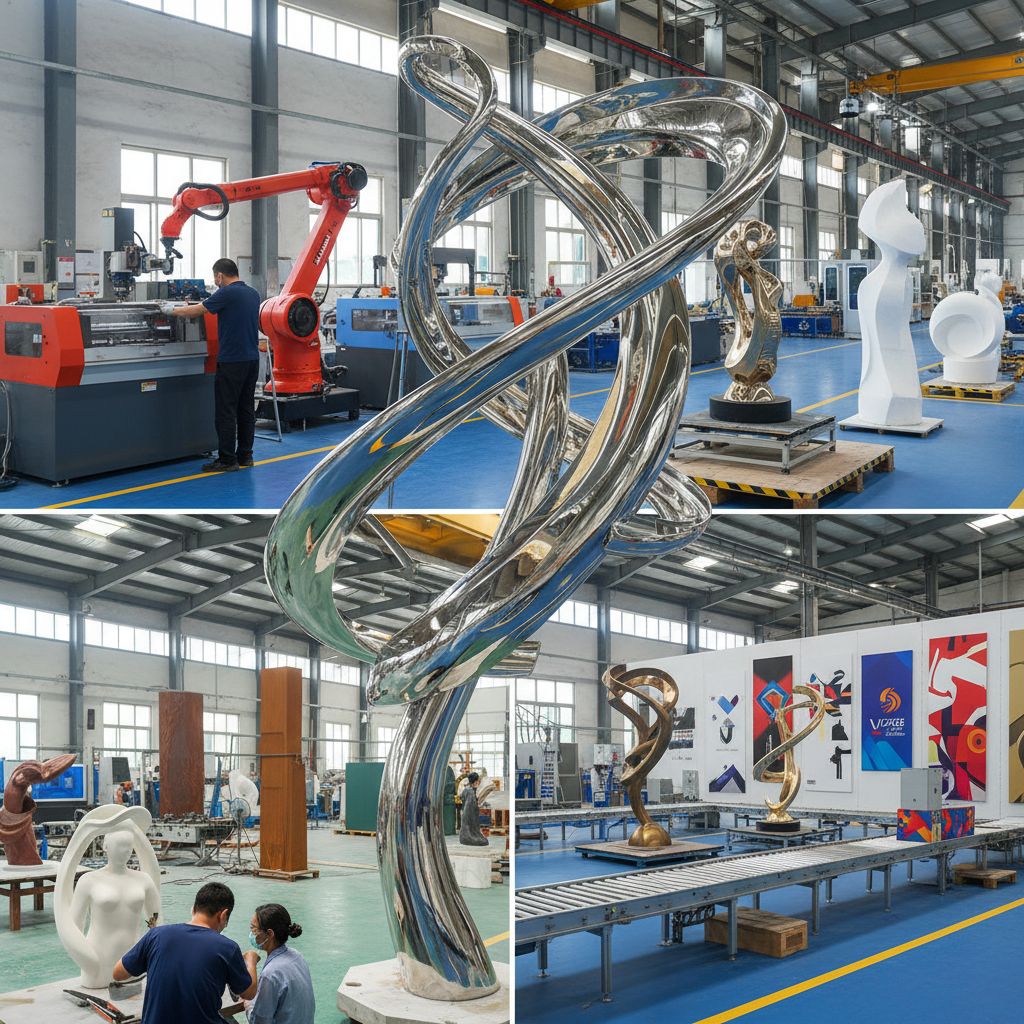
The future of indoor statues is being reshaped by the intersection of traditional craftsmanship and digital fabrication. 3D scanning and CNC milling are allowing artists to create complex geometries that were previously impossible to carve by hand. This "digital craftsmanship" enables a new level of personalization, where a statue can be perfectly tailored to the specific dimensions and lighting of a client's room.
Sustainability is also becoming a primary driver in material selection. We are seeing a rise in the use of recycled metals and bio-resins that mimic the appearance of traditional stone but with a significantly lower carbon footprint. The shift toward "Green Art" reflects a broader global movement where luxury is defined not just by the rarity of the material, but by the ethicality of its production.
Furthermore, the integration of kinetic elements—sculptures that move with the air currents or are controlled by smart-home systems—is transforming statues from static objects into interactive experiences. As we move forward, the indoor statue will evolve from a passive decoration into a dynamic component of the living environment, blending art, technology, and wellness.
Analysis of Material Suitability and Value for Interior Sculptures
|
Material Type
|
Aesthetic Vibe
|
Durability Score (1-10)
|
Investment Potential
|
|
Investment Bronze
|
Classical, Prestigious
|
10
|
Very High
|
|
Carrara Marble
|
Pure, Timeless
|
8
|
High
|
|
Polished Stainless Steel
|
Modern, Futuristic
|
9
|
Moderate
|
|
Artistic Fiberglass
|
Versatile, Bold
|
6
|
Low
|
|
Cast Iron
|
Industrial, Rugged
|
9
|
Moderate
|
|
Alabaster/Onyx
|
Translucent, Ethereal
|
7
|
Moderate
|
FAQS
For small rooms, focus on verticality or "negative space." Instead of a wide, bulky piece, choose a slender figure or an abstract sculpture with open gaps. Ensure the statue doesn't block walkways; a pedestal-mounted piece can often make the room feel larger by lifting the art off the floor. Ideally, the sculpture should occupy no more than 10-15% of the visual field in that specific corner.
Compared to marble, bronze is quite durable. However, it requires occasional dusting with a soft cloth to prevent grime buildup. Depending on the finish, some may need a periodic application of microcrystalline wax to preserve the patina and prevent oxidation. Avoid using chemical cleaners, as they can strip the artistic finish and damage the metal's surface.
Marble is porous and can absorb moisture and oils, making it susceptible to staining or mildew in very humid environments like bathrooms. If you wish to place a marble statue in such a space, it is highly recommended to have it professionally sealed with a high-quality impregnating sealer. Even then, avoid direct contact with soaps or acidic cleaning agents.
The goal is to create depth through highlights and shadows. A directional spotlight from above (top-lighting) emphasizes the form and volume, while side-lighting can highlight the texture of the material. For abstract pieces, consider using soft, diffused light to reduce harsh glares, especially on polished stainless steel or glass surfaces.
Always look for a signature or a foundry mark on the base of the piece. Request a Certificate of Authenticity (COA) and a provenance record that tracks the sculpture from the artist's studio to the current owner. For bronze, checking the casting method (e.g., lost-wax casting) can also provide clues about the quality and authenticity of the work.
Recycled stainless steel and bio-based resins are currently the most eco-friendly options. Many contemporary studios are also utilizing "upcycled" stone or reclaimed wood. When purchasing, ask about the foundry's energy consumption and whether the materials were ethically sourced, as the "green" value of a statue now contributes to its overall appeal.
Conclusion
The strategic integration of indoor statues transcends simple home decoration, acting as a powerful tool for emotional expression and architectural enhancement. By carefully considering the interplay between material, scale, and placement, one can transform any interior into a sanctuary of culture and serenity. Whether through the timelessness of marble or the daring edge of modern metals, these sculptures serve as enduring legacies of human creativity within our private spaces.
Looking ahead, the evolution of bespoke sculpture will likely merge the physical and digital realms, offering even more personalized ways to bring art into the home. For those seeking to elevate their environment, we recommend starting with a single statement piece that resonates with your personal philosophy. To explore a world-class collection of curated sculptures, visit our website: www.firststatue.com