The integration of modern wall sculpture into contemporary architecture has evolved from simple decoration to a profound statement of identity and artistic expression. In an era where urban spaces often feel sterile, these three-dimensional artworks breathe life into vertical surfaces, transforming blank walls into immersive experiences that engage the viewer's emotions and intellect.
From a global perspective, the demand for high-quality wall-mounted art reflects a broader shift toward "human-centric" design. By blending industrial precision with artisanal creativity, a well-placed sculpture can redefine the acoustics, lighting, and psychological atmosphere of a room, making it an essential element for luxury residential projects and corporate headquarters alike.
Understanding the nuances of materials, scale, and installation is key to maximizing the impact of these pieces. Whether utilizing the timeless elegance of bronze or the sleekness of stainless steel, the goal of a modern wall sculpture is to create a dialogue between the physical environment and the imaginative realm of the artist.
Global Relevance of Modern Wall Sculpture
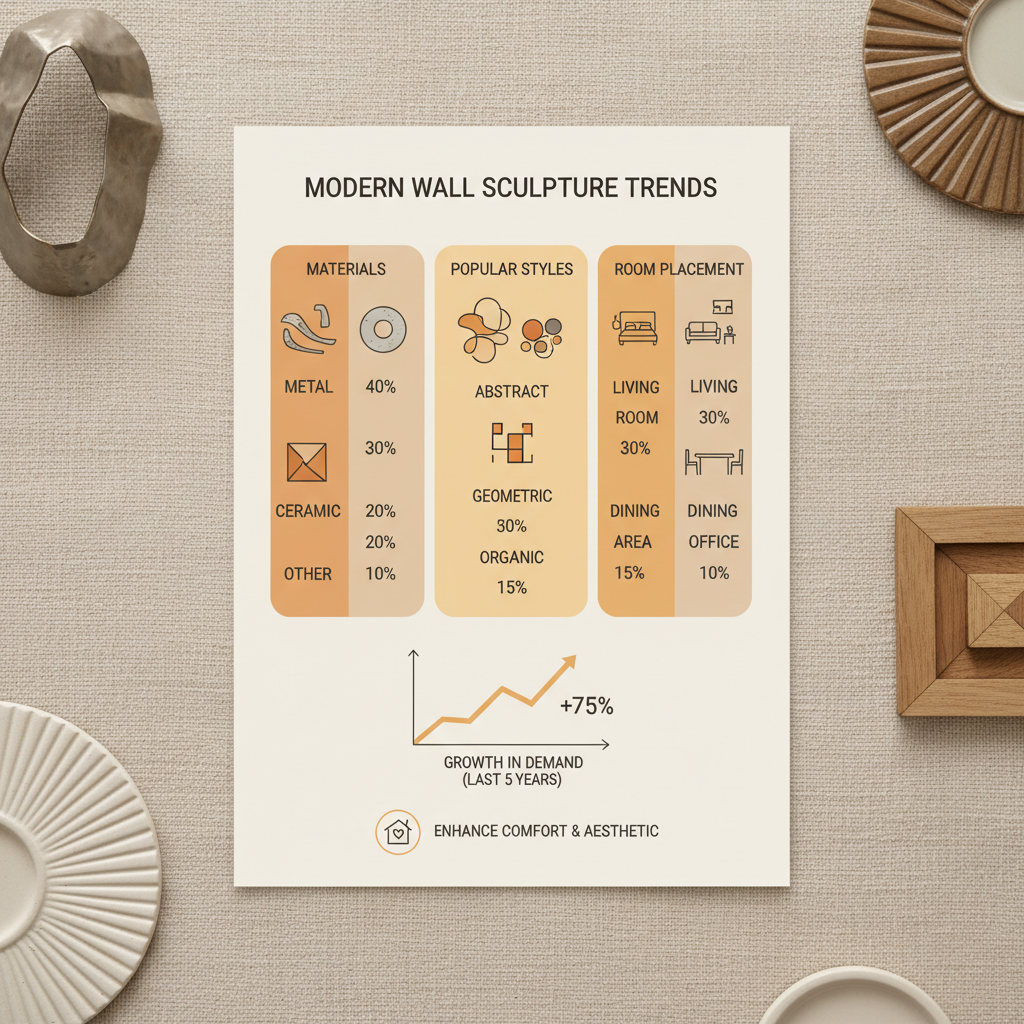
On a global scale, the market for decorative arts has seen a significant resurgence, with an emphasis on bespoke, large-scale installations. According to international design trends, there is a growing preference for "statement pieces" that utilize industrial-grade materials to ensure longevity. The modern wall sculpture serves as a bridge between traditional craftsmanship and the minimalist requirements of 21st-century architecture.
However, the industry faces a recurring challenge: the tension between artistic vision and structural feasibility. Many architects struggle to integrate heavy metallic or stone works into lightweight modern wall systems without compromising safety or aesthetics. This has led to an increased demand for engineered mounting solutions and lightweight alloy alternatives that maintain the visual weight of traditional bronze or marble.
Defining the Essence of Wall-Mounted Art
In simple terms, a modern wall sculpture is a three-dimensional artwork designed specifically to be attached to a vertical surface. Unlike traditional freestanding statues, these pieces interact directly with the plane of the wall, using shadows, depth, and negative space to create a dynamic visual experience. They range from low-relief panels to high-projection abstract forms that seem to erupt from the architecture itself.
The connection to modern industry is evident in the adoption of advanced casting and CNC milling techniques. These technologies allow artists to execute complex geometries that were previously impossible, meeting the humanitarian need for beauty and inspiration in high-stress environments like hospitals, airports, and urban transit hubs.
Ultimately, the essence of these works lies in their ability to transform a functional boundary—the wall—into a medium for storytelling. Whether it is a bronze abstract piece representing fluidity or a stainless steel installation reflecting the surrounding light, these sculptures serve as focal points that anchor the entire interior design scheme.
Core Components of High-End Sculptures
When evaluating a modern wall sculpture, durability is the primary technical consideration. The use of marine-grade stainless steel or treated bronze ensures that the piece can withstand humidity and oxidation, especially when installed in semi-outdoor corridors or coastal regions.
Scalability is equally vital, as these artworks must be proportional to their environment. A piece that looks stunning in a studio may vanish in a corporate lobby; therefore, precision in scaling allows the sculpture to maintain its emotional impact regardless of the wall's dimensions.
Cost efficiency is achieved through the strategic choice of materials and fabrication methods. By combining a high-value face material, such as polished bronze, with a lightweight internal structural frame, manufacturers can provide luxury aesthetics without prohibitive weight or shipping costs.
Practical Applications Across Industries
The application of these artworks extends far beyond the private gallery. In the corporate world, multinational firms utilize large-scale abstract wall pieces to convey brand values such as innovation, stability, and growth. For instance, in the financial districts of London or Singapore, sleek metal installations are often used in lobbies to evoke a sense of futuristic precision and reliability.
In the hospitality sector, luxury hotels integrate themed sculptures into their corridors and suites to create a "sense of place." Whether it is a fiberglass decorative piece in a tropical resort or a marble relief in a European boutique hotel, these works enhance the guest experience by providing a tangible link to art and culture.
Material Performance in Modern Wall Sculpture
Tangible Benefits and Long-Term Value
Investing in a modern wall sculpture provides significant long-term value, not only as a financial asset but as a tool for psychological well-being. Art-integrated spaces are proven to reduce stress and increase productivity in workplace settings, offering employees a visual reprieve from the digital screens that dominate their day.
Furthermore, high-quality sculptures made from timeless materials like bronze or marble tend to appreciate in value over time. Unlike trendy interior decor, an authentic piece of sculptural art transcends fashion cycles, providing a permanent sense of dignity and sophistication to any property.
Future Trends in Sculptural Innovation
The future of wall art is leaning heavily toward the integration of "smart" materials and kinetic elements. We are seeing the emergence of sculptures that respond to environmental changes—such as light-sensitive alloys that shift color throughout the day or wind-kinetic components that introduce subtle movement to an otherwise static wall.
Digital transformation is also playing a role, with 3D scanning and additive manufacturing (3D printing) allowing for unprecedented customization. Architects can now "test-fit" a sculpture in a virtual BIM (Building Information Modeling) environment before a single gram of metal is cast, ensuring perfect alignment with lighting and structural supports.
Sustainability is the final frontier. There is a growing movement toward using recycled metals and eco-friendly resins in the production of modern wall sculpture, aligning the art world with global green energy policies and the circular economy.
Overcoming Installation and Material Challenges
One of the primary challenges in installing heavy wall sculptures is the risk of structural failure or wall degradation. The solution lies in the use of hidden steel chassis and chemical anchoring systems, which distribute the weight across multiple wall studs or directly into the concrete slab, ensuring a seamless "floating" appearance without compromising safety.
Material compatibility is another hurdle, particularly when mixing different metals which can lead to galvanic corrosion. Expert fabricators overcome this by utilizing isolation gaskets and specialized coatings that prevent direct contact between dissimilar metals, thereby extending the lifespan of the installation.
Lastly, the challenge of maintenance in public spaces is addressed through the application of nano-ceramic clear coats. These coatings protect the modern wall sculpture from graffiti, pollutants, and UV degradation, reducing the need for frequent chemical cleaning and preserving the artist's original patina.
Comparison of Material Suitability for Wall Installations
| Material Type |
Weight-to-Strength Ratio |
Weather Resistance |
Installation Complexity |
| Cast Bronze |
High (Heavy) |
Excellent |
High (Requires Support) |
| Stainless Steel |
Medium |
Superior |
Medium |
| Carved Marble |
Low (Very Heavy) |
Good (Indoor) |
Very High |
| Fiberglass |
Very High (Light) |
Moderate |
Low |
| Corten Steel |
Medium |
High (Self-Protecting) |
Medium |
| Aluminum Alloy |
High (Light) |
Excellent |
Low |
FAQS
The general rule of thumb is that a sculpture should occupy approximately 60% to 75% of the available wall space to create a balanced focal point. You should consider the viewing distance; if the piece is viewed from across a large hall, larger scales and bolder projections are necessary to prevent the artwork from being "swallowed" by the architecture.
While lightweight fiberglass pieces can often be mounted on reinforced drywall, heavy bronze or marble works require structural support. We typically recommend anchoring into the wall studs or installing a secondary steel support plate behind the drywall to transfer the load safely to the building's primary structure.
A relief sculpture is essentially "carved" or molded into a flat plane, where the figures project only slightly from the background. A 3D wall sculpture has much deeper projections and often wraps around corners or extends significantly into the room, creating a more dramatic interplay of light and shadow.
To maintain the original luster, we recommend a high-grade microcrystalline wax coating applied every 12-24 months. For pieces in high-traffic areas, a permanent clear lacquer can be applied during fabrication to seal the metal from oxygen and moisture, though this limits the natural aging process (patina) of the bronze.
Yes, most high-end manufacturers specialize in bespoke commissions. This process involves conceptual sketches, 3D digital modeling, and material sampling to ensure the sculpture reflects the company's brand identity, colors, and core values before final casting.
Absolutely, provided you choose the correct materials. Stainless steel, bronze, and Corten steel are ideal for outdoor environments. We ensure these pieces are treated with UV-resistant coatings and mounted with corrosion-resistant hardware to withstand wind loads and temperature fluctuations.
Conclusion
In summary, the modern wall sculpture represents the perfect synergy between architectural function and artistic emotion. By carefully selecting materials such as bronze, stainless steel, or marble, and employing modern engineering for installation, these works provide an enduring legacy of beauty and sophistication that enhances the value of any physical space.
As we move toward a more sustainable and digitally integrated future, the role of tactile, physical art becomes even more critical. We encourage architects, designers, and homeowners to look beyond flat surfaces and embrace the depth and dynamism of wall-mounted sculpture to create environments that truly inspire. For world-class sculptural solutions, visit our website: www.firststatue.com