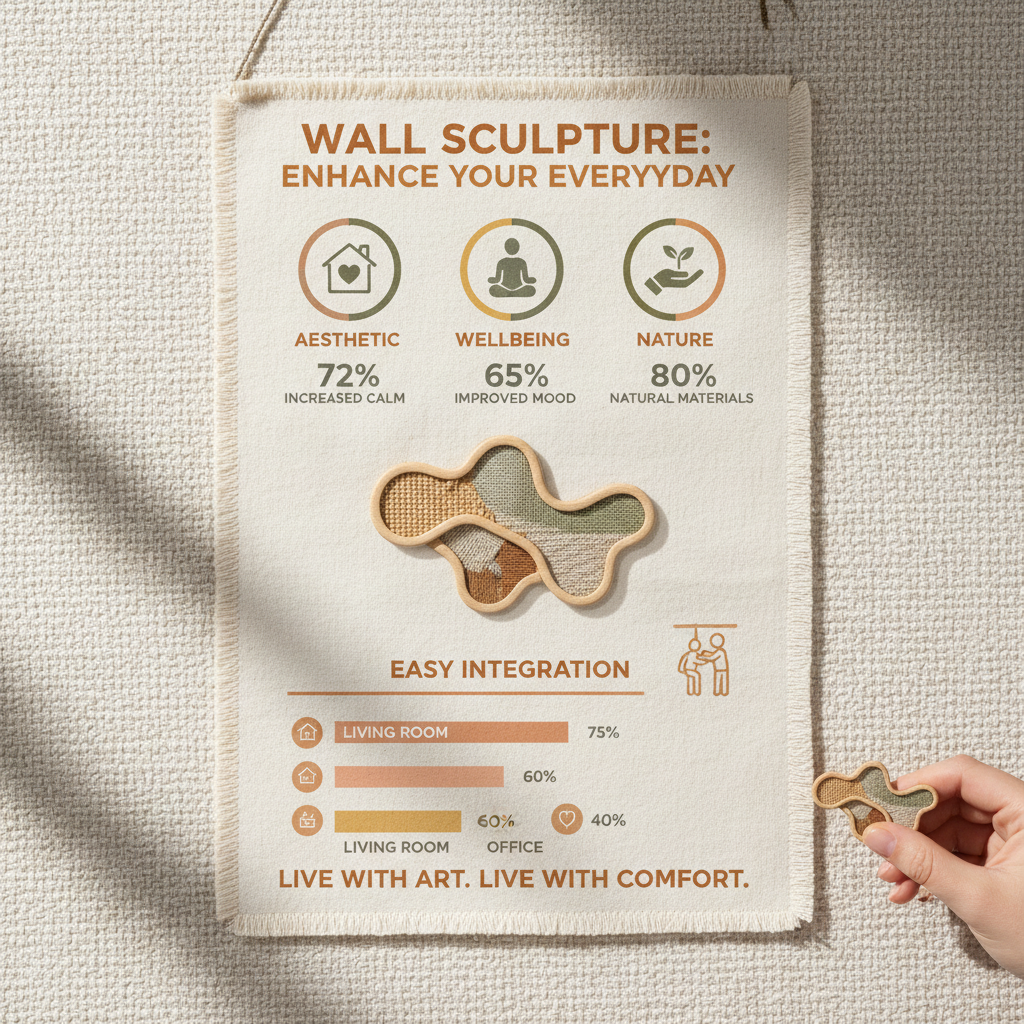
Wall sculpture, a captivating art form, transcends mere decoration, becoming a statement of aesthetic vision and spatial design. Globally, its appeal is rooted in the human desire to transform environments, express creativity, and imbue spaces with personality. From ancient cave paintings to modern installations, wall art has consistently served as a visual language, reflecting cultural values and individual expression. Understanding the nuances of wall sculpture – its materials, techniques, and design principles – unlocks a deeper appreciation for its impact on interior design, public art, and even therapeutic applications.
The contemporary market for wall sculpture is experiencing significant growth, driven by increasing disposable incomes, a renewed focus on home aesthetics, and the rising popularity of bespoke art pieces. The United Nations Sustainable Development Goals (SDGs) also indirectly influence this sector, with a growing demand for ethically sourced materials and sustainable production practices. According to a 2023 report by Allied Market Research, the global art and antiques market was valued at $68.4 billion, and wall art represents a substantial portion of this.
This exploration delves into the world of wall sculpture, examining its core components, diverse applications, future trends, and inherent challenges. By understanding the factors that contribute to successful wall sculpture design and implementation, we can unlock its full potential to enhance our lives and enrich our surroundings.
The Definition and Significance of wall sculpture
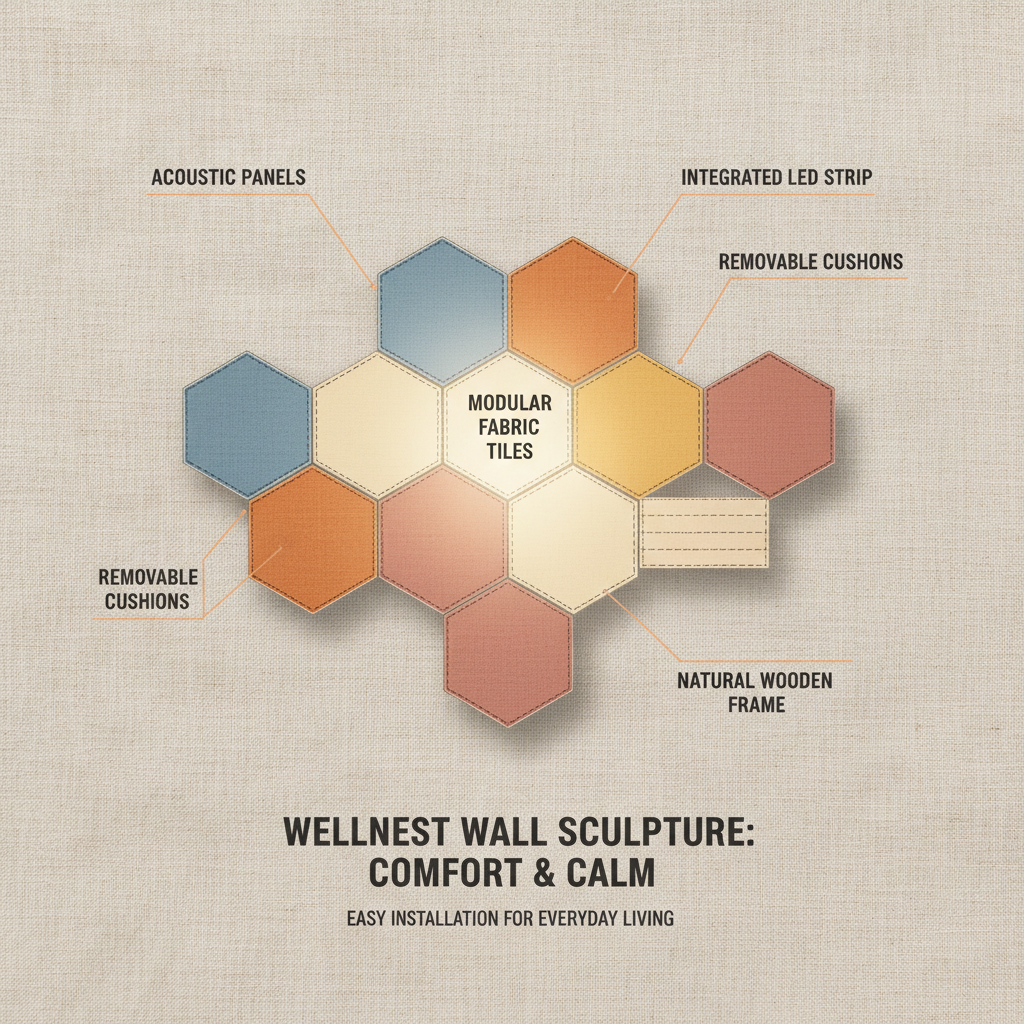
At its core, wall sculpture is three-dimensional art designed to be mounted on or project from a wall. It differs from paintings in its dimensionality, creating shadow and texture that engages the viewer in a more tactile way. Wall sculptures can range from small, delicate pieces to large, imposing installations, incorporating a wide variety of materials and techniques.
The significance of wall sculpture extends beyond aesthetics. It serves a vital role in interior design, influencing the perception of space and creating focal points. In modern architecture, wall sculpture is increasingly integrated into building designs, transforming static surfaces into dynamic artistic statements. Its therapeutic benefits are also gaining recognition, with art therapy utilizing the creation of wall sculptures to promote emotional well-being and self-expression.
The Historical Development of wall sculpture
The roots of wall sculpture can be traced back to ancient civilizations. Cave paintings, while technically two-dimensional, represent an early attempt to adorn walls and convey meaning through visual art. Ancient Egyptians incorporated relief carvings into temple walls, depicting scenes of mythology and daily life. These reliefs, while attached to a larger structure, functioned as early forms of wall-mounted art.
During the Renaissance, artists began experimenting with stucco and other materials to create three-dimensional decorations on walls. The Baroque period saw an explosion of ornate plasterwork, with elaborate sculptures adorning ceilings and walls alike. In the 20th and 21st centuries, modern and contemporary artists have pushed the boundaries of wall sculpture, exploring new materials, techniques, and conceptual approaches.
From the abstract forms of post-war sculpture to the mixed-media installations of today, wall sculpture has continually evolved, reflecting changes in artistic styles, cultural values, and technological advancements. Its rich history demonstrates its enduring appeal and its capacity to adapt to new contexts and creative visions.
Materials and Techniques in wall sculpture
The range of materials used in wall sculpture is incredibly diverse. Traditional materials include wood, stone, metal (bronze, iron, steel), and ceramics. These materials offer durability, texture, and the ability to be shaped and sculpted into a variety of forms. Contemporary artists often incorporate unconventional materials like glass, plastic, textiles, and found objects, expanding the possibilities for creative expression.
Techniques employed in creating wall sculpture are equally varied. Carving, modeling, casting, welding, and assemblage are all common approaches. Relief carving, as seen in ancient Egyptian art, involves removing material to create a raised design. Modeling utilizes additive processes, building up forms with clay or other malleable materials. Casting involves creating a mold and filling it with a liquid material, such as metal or resin.
More recent techniques include laser cutting, 3D printing, and the use of digital fabrication tools. These technologies allow artists to create intricate and complex designs with greater precision and efficiency. The choice of material and technique often depends on the artist's aesthetic vision, the desired effect, and the scale of the sculpture.
Factors Influencing the Aesthetic Appeal of wall sculpture
Several key factors contribute to the aesthetic appeal of wall sculpture. Texture plays a crucial role, adding depth and visual interest. Rough, uneven surfaces can create a sense of organic energy, while smooth, polished surfaces evoke elegance and sophistication. Color is another important element, influencing the mood and emotional impact of the sculpture.
The interplay of light and shadow is critical in highlighting the three-dimensional nature of wall sculpture. Strategic placement of lighting can accentuate textures, create dramatic effects, and draw the viewer's eye to specific details. Scale and proportion are also important considerations, ensuring that the sculpture is appropriately sized for the space it occupies.
Aesthetic Quality Ratings of Different wall sculpture Styles
Global Applications of wall sculpture
Wall sculpture finds applications in a wide range of settings across the globe. In residential interiors, it serves as a focal point, adding personality and style to living spaces. Hotels and resorts often utilize large-scale wall sculptures to create a luxurious and inviting atmosphere. Public art installations, featuring wall sculptures, enrich urban environments and engage communities.
In commercial spaces, wall sculpture can enhance branding and create a positive impression on clients and customers. Hospitals and healthcare facilities are increasingly incorporating art, including wall sculpture, to promote healing and reduce stress. In regions like Italy and Spain, traditional craftsmanship in metal and ceramics continues to drive the production of intricate wall sculptures. Japan's minimalist aesthetic also influences the design of contemporary wall art.
Benefits and Long-Term Value of wall sculpture
Investing in wall sculpture offers numerous benefits. Aesthetically, it elevates the visual appeal of any space, creating a more inviting and inspiring environment. From a financial perspective, original artworks, including wall sculptures, can appreciate in value over time, making them a potentially sound investment. Furthermore, purchasing from local artists supports the creative economy and fosters community growth.
Beyond monetary value, wall sculpture provides emotional and psychological benefits. Exposure to art has been shown to reduce stress, improve mood, and stimulate creativity. A carefully chosen wall sculpture can become a cherished heirloom, passed down through generations, representing a lasting legacy of artistic appreciation and cultural significance.
Future Trends in wall sculpture
The future of wall sculpture is likely to be shaped by several emerging trends. Sustainable materials and eco-friendly production practices will become increasingly important, driven by growing environmental awareness. The integration of technology, such as interactive lighting and augmented reality, will create dynamic and immersive art experiences.
We can expect to see a greater emphasis on site-specific installations, tailored to the unique characteristics of a particular space. Digital fabrication techniques will enable artists to create increasingly complex and intricate designs. The blurring of boundaries between art, design, and architecture will lead to innovative approaches to wall sculpture, transforming walls into living canvases.
Furthermore, the rise of online art marketplaces and social media will expand access to wall sculpture, connecting artists with a wider audience and fostering a more democratic art world. 3D printed wall sculptures will also become more accessible to the average consumer, enabling a more personalized and affordable art experience.
Summary of Challenges and Potential Solutions in wall sculpture Production
| Challenge |
Material Sourcing |
Production Costs |
Installation Complexity |
| Limited Access to Sustainable Materials |
Difficulty in finding ethically sourced wood and metals. |
Higher prices for eco-friendly materials. |
May require specialized tools or expertise. |
| High Production Costs |
Labor-intensive techniques and material expenses. |
Limited economies of scale for unique designs. |
Potential for damage during transit. |
| Skill Gap in Traditional Techniques |
Decline in artisans proficient in carving and molding. |
Need for specialized training and apprenticeship programs. |
Preserving cultural heritage and craftsmanship. |
| Design Complexity and Innovation |
Balancing artistic vision with structural integrity. |
Exploring new materials and fabrication techniques. |
Incorporating technology and interactivity. |
| Installation Challenges |
Ensuring secure mounting and structural stability. |
Addressing wall compatibility and load-bearing capacity. |
Minimizing damage to surrounding surfaces. |
| Market Accessibility |
Reaching target audiences and promoting artwork. |
Competing with mass-produced art pieces. |
Building brand recognition and establishing a customer base. |
FAQS
For outdoor wall sculptures, durability is paramount. Materials like stainless steel, bronze, and certain types of stone (granite, slate) are highly resistant to weathering and corrosion. Powder-coated aluminum is another excellent option, offering lightweight strength and protection against the elements. Proper sealing and maintenance are crucial for all materials to ensure long-term resilience against rain, sun, and temperature fluctuations.
Consider your existing décor when selecting a wall sculpture. For minimalist spaces, choose abstract or geometric pieces with clean lines. Traditional interiors benefit from classic motifs or sculptures with ornate detailing. Pay attention to color palettes – a sculpture should either harmonize with or provide a striking contrast to the surrounding colors. Scale is also important; a larger wall requires a more substantial sculpture to maintain visual balance.
Delicate wall sculptures require gentle care. Dust regularly with a soft, lint-free cloth. Avoid using harsh chemicals or abrasive cleaners. For sculptures with intricate details, a small brush can help remove dust from crevices. If the sculpture is made of metal, occasional polishing with a metal polish can restore its shine. Always test cleaning products in an inconspicuous area first to ensure they don't cause damage.
Absolutely! Many artists offer custom wall sculpture services. This allows you to specify the dimensions, materials, and design details to create a unique piece tailored to your space and preferences. Working directly with an artist ensures that your vision is fully realized. Be prepared to discuss your requirements in detail and provide accurate measurements for a seamless fit.
Secure mounting is crucial, especially for heavier sculptures. Identify the wall's stud locations and use appropriate mounting hardware (screws, anchors) designed to support the sculpture's weight. For drywall, use wall anchors designed for the sculpture's weight. Consider the surface of your wall and use the correct tool. If unsure, consult with a professional installer to ensure a safe and secure installation.
Several financial assistance programs and initiatives support the arts. Some cities and states offer grants or tax incentives for purchasing original artwork, including wall sculptures. Art councils and foundations may also provide funding opportunities. Additionally, many galleries offer payment plans or financing options to make art more accessible. Research local art organizations and funding sources to explore available options.
Conclusion
Wall sculpture represents a powerful intersection of art, design, and human expression. From its historical roots in ancient civilizations to its contemporary innovations, this art form continues to evolve and inspire. By understanding the materials, techniques, and aesthetic principles that govern wall sculpture, we can appreciate its profound impact on our surroundings and enrich our lives with its beauty and meaning.
As we look to the future, the integration of sustainable practices, technological advancements, and collaborative creativity will undoubtedly shape the next chapter in the history of wall sculpture. Whether you are an art enthusiast, an interior designer, or simply seeking to enhance your living space, exploring the world of wall sculpture offers a rewarding journey of discovery and artistic appreciation. Visit our website at www.firststatue.com to explore our stunning collection of wall sculptures!
Post time:Feb . 21, 2026 06:22