Selecting the right centerpiece for a luxury interior often comes down to the balance between architectural scale and artistic detail. Whether it is a sprawling hotel lobby or a private residential study, the decision to buy sculpture is rarely just about filling a void; it is about defining the character of the environment.
The global market for high-end ornamental stonework and metal casting has shifted toward a demand for "functional art." This means pieces that serve a purpose—such as a marble fireplace or a water fountain—while maintaining the prestige of a museum-grade sculpture. The intersection of natural materials and hand-carved craftsmanship remains the gold standard for premium spaces.
This guide examines the critical factors in acquiring professional sculpture, from material durability and symbolic design to the logistical complexities of transporting heavy stone and bronze works across borders.


The choice of medium defines both the longevity and the emotional resonance of a piece. Natural marble is prized for its unique veining and timelessness, while bronze offers a versatility that allows for intricate detail and weather resistance. In contemporary architectural projects, we see a rising trend in blending these with Corten steel and stainless steel for a more industrial yet sophisticated aesthetic.
Each material carries a different weight of prestige. Marble suggests classical antiquity and purity, whereas bronze often evokes power and permanence. For those who buy sculpture for outdoor public squares, the focus shifts toward materials like silica sol cast bronze, which prevents permanent rust and maintains surface integrity over decades.
True luxury in sculpture is found in the details that machines cannot replicate. Hand-carving, particularly in marble, requires an intimate understanding of the stone's natural fractures and grain. Every strike of the chisel must be calculated to ensure that the final form—whether it is a delicate angel wing or a powerful lion's mane—possesses a lifelike fluidity.
The process begins with a clay model, which serves as the conceptual blueprint. For bronze works, the lost-wax casting method is often employed, ensuring that the artist's original touch is preserved in the final metal pour. The subsequent polishing and patina application are what give the piece its final depth, allowing the sculpture to interact with light and shadow in a way that flat surfaces cannot.
Precision is not just about the visual output but also about structural integrity. In large-scale installations, such as the 4.6m statues created for the Guam Museum, the engineering must account for center-of-gravity and wind loads, blending the role of the artist with that of the structural engineer.
Symbols in sculpture serve as a silent language, communicating the values of the space they occupy. The lion, for instance, is a universal symbol of strength, protection, and dignity. When integrated into a fireplace mantel or a building entrance, these figures do more than decorate; they establish an atmosphere of authority and security.
The integration of animal motifs, such as eagles or horses, transforms a functional architectural element into a narrative piece, bridging the gap between raw utility and cultural storytelling.
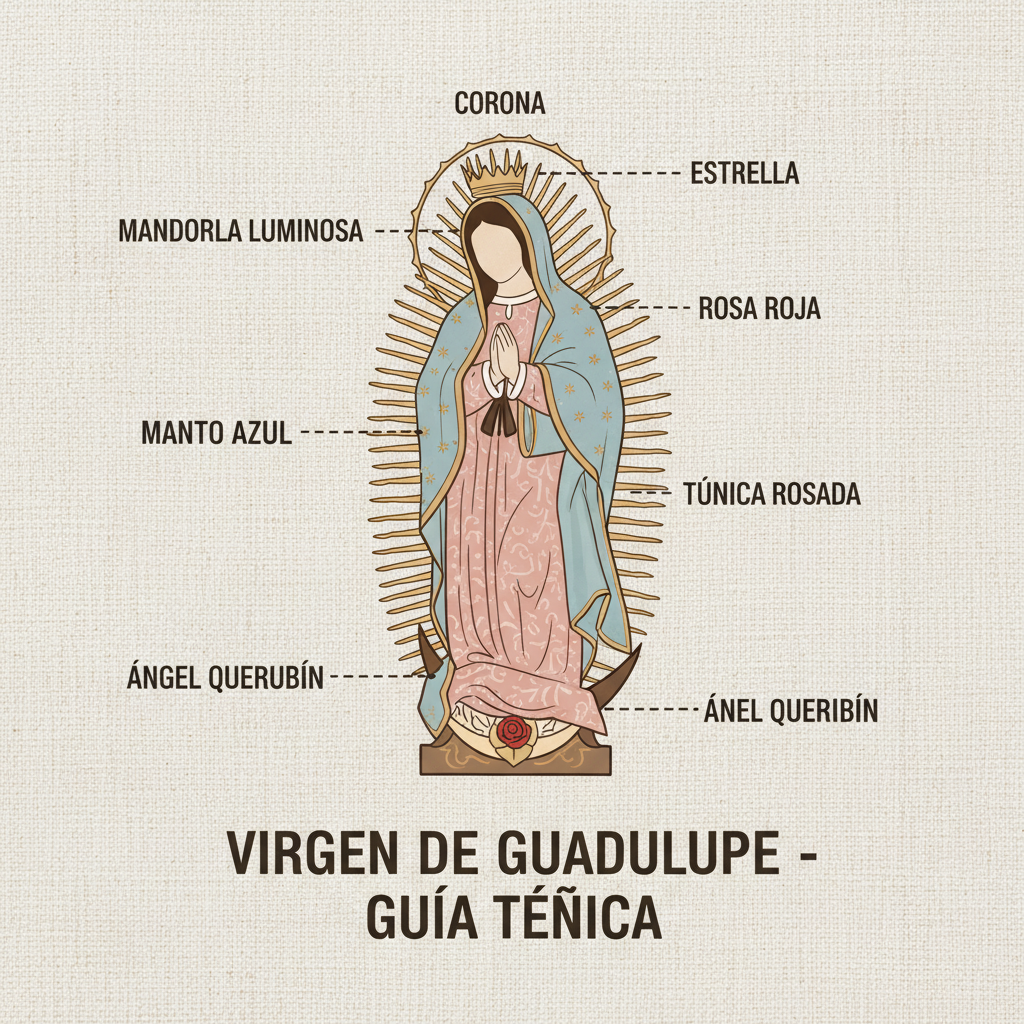
Similarly, religious and figure statues—such as Buddha or Christian icons—are often selected to instill a sense of peace, reflection, and spiritual grounding. The choice of a double-layer design in these works often adds a sense of majesty and dimension, creating a focal point that commands attention without overwhelming the surrounding interior design.
When deciding which material to use, buyers must consider the environmental exposure of the installation site. Indoor pieces can prioritize aesthetic delicacy, such as high-polish marble, while outdoor pieces require a focus on chemical stability and resistance to oxidation.
The following relative index illustrates how different materials perform across key durability and aesthetic dimensions. This framework helps in aligning the material choice with the expected lifespan and maintenance capacity of the venue.
The impact of a sculpture is heavily dependent on its spatial context. In high-end hotels and luxury villas, a double-layer marble fireplace acts as more than a heating source; it becomes an architectural anchor for the living room or VIP lounge. Placing such a piece in a study creates a sense of intellectual weight and tradition, while in a lobby, it signals a commitment to quality and artistic patronage.
For commercial leisure venues, such as upscale clubs or restaurants, the focus often shifts to water fountains or abstract bronze works. These pieces introduce movement and sound, which can be used to subtly guide guest traffic or create secluded zones of tranquility within a bustling environment. The key is to match the scale of the piece to the volume of the room to avoid "crowding" the architecture.
Current trajectories in the sculpture industry show a move away from generic catalog pieces toward fully customized architectural integrations. Clients are increasingly requesting a synchronization of the sculpture's style with the overall building facade or interior theme. This requires a manufacturer to not only be a carver but also a design partner.
Technological integration is also appearing in the form of rotating sphere fountains and combined material installations. The use of silica sol casting technology is a notable advancement, as it allows for a level of rust prevention that ensures bronze works remain pristine in humid or coastal environments without requiring constant chemical treatments.
Furthermore, there is a growing appreciation for "hybridity"—mixing the organic softness of hand-carved marble with the sharp, clean lines of stainless steel or the weathered texture of Corten steel. This contrast reflects a broader architectural trend of blending the classical with the contemporary.
When preparing to buy sculpture, it is essential to establish a set of non-negotiable criteria. The most common mistake is prioritizing the visual form without considering the installation constraints. A marble piece that is visually stunning may be impossible to install if the floor load-bearing capacity has not been verified.
Evaluating the manufacturer's experience is equally critical. A company that has handled government-level projects—such as large-scale museum statues—is more likely to have the logistical capability to manage seaworthy packing and international customs for oversized works. Proper packing, using soft bubble wrap, pearl cotton, and hard wooden crates, is the only way to ensure a handcrafted masterpiece arrives intact.
The final decision should be a trade-off between material longevity, artistic detail, and budget. The following table provides a comparative look at the considerations for different project types.
| Project Type | Recommended Material | Primary Goal | Maintenance Level |
|---|---|---|---|
| Luxury Villa Interior | Natural Marble | Aesthetic Prestige | Low (Indoor) |
| Hotel Main Lobby | Bronze / Marble | Brand Identity | Moderate |
| Public Urban Square | Silica Sol Bronze | Civic Permanence | Low (Weather-res) |
| Corporate Garden | Corten Steel / Stone | Modern Sophistication | Low |
| VIP Private Lounge | Custom Marble/Bronze | Exclusivity | Low |
| Museum Exhibition | Mixed Media | Artistic Narrative | High (Curated) |
For coastal environments with high salinity, silica sol cast bronze is highly recommended. This technology creates a more stable surface that resists the permanent rust typically associated with traditional bronze. Stainless steel and high-grade natural stone are also viable options, though bronze offers superior artistic detailing for figure and animal statues.
Examine the fluidity of the lines and the consistency of the polish. In high-quality carving, there should be no visible tool marks in the finished areas, and the anatomy of the figure or animal should be accurate. Check the natural veining of the marble; a premium piece integrates the natural patterns of the stone into the design rather than letting them distract from the form.
The primary risks are structural cracking during transit and surface abrasions. To mitigate this, sculptures must be packed using a multi-layer system: soft bubble wrap and pearl cotton for the immediate surface, followed by a seaworthy hard wooden crate. It is also essential to ensure the manufacturer provides accurate weight and dimension data for crane and installation planning.
Yes, professional manufacturers typically offer a custom design process that begins with the client's architectural drawings. By creating clay models first, the artist can adjust the proportions to ensure the piece fits the space perfectly. This is especially important for integrated pieces like marble fireplaces or pillars, where precise measurements are required for installation.
Value is derived from different factors: stone sculpture value lies in the rarity of the block and the subtractive skill of the carver (one mistake can ruin the piece). Bronze value lies in the complexity of the mold-making process and the additive skill of the sculptor. Generally, bronze is more durable for outdoor use, while marble is more prestigious for high-end interior architectural elements.
Depending on the complexity of the carvings—such as intricate lion-carved columns—production can take several weeks to a few months. This includes the selection of the natural marble slab, the rough carving phase, the detailed hand-finishing, and the final polishing. Customization of colors and styles can also affect the timeline based on material availability.
Acquiring a high-end sculpture is an investment in both art and architectural value. By focusing on the synergy between material selection, symbolic design, and artisanal execution, buyers can transform a space from a mere environment into a statement of taste and legacy.
Whether it is the imposing presence of a double-layer marble fireplace or the timeless elegance of a bronze figure, the key to success lies in choosing a partner who understands both the art of the carve and the science of the installation.