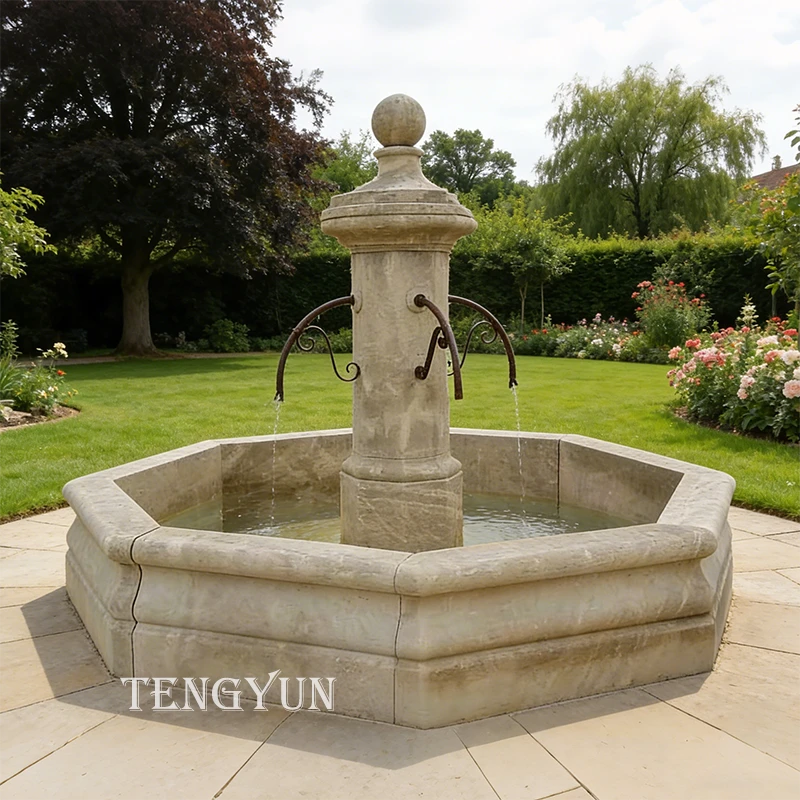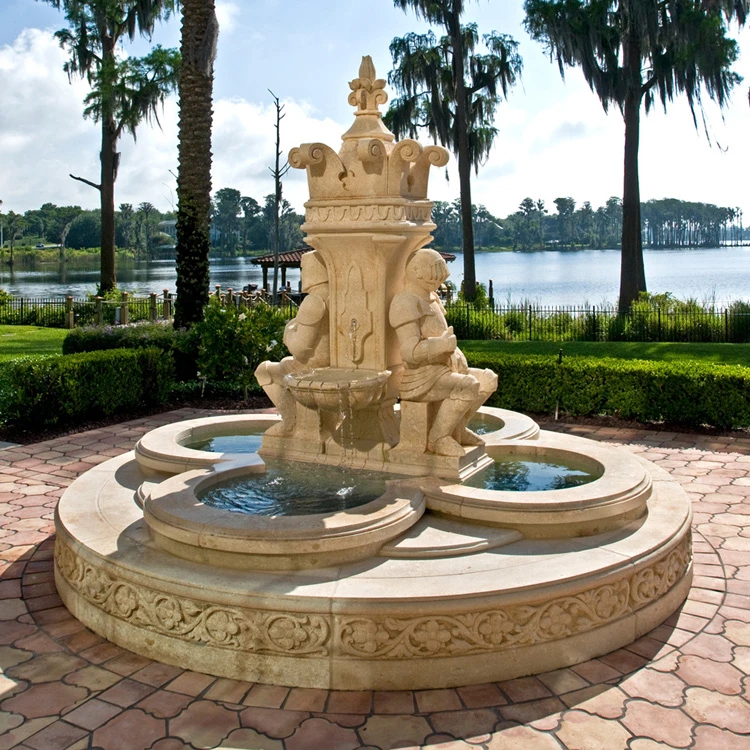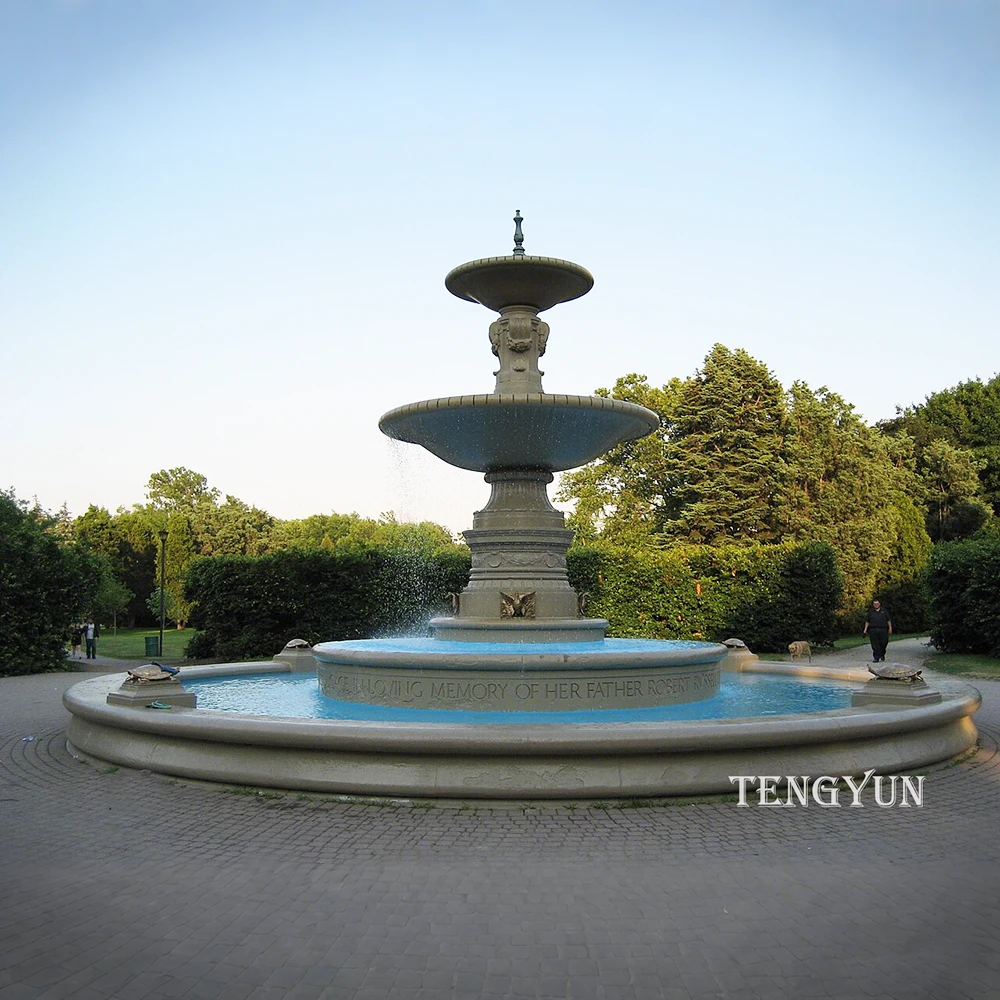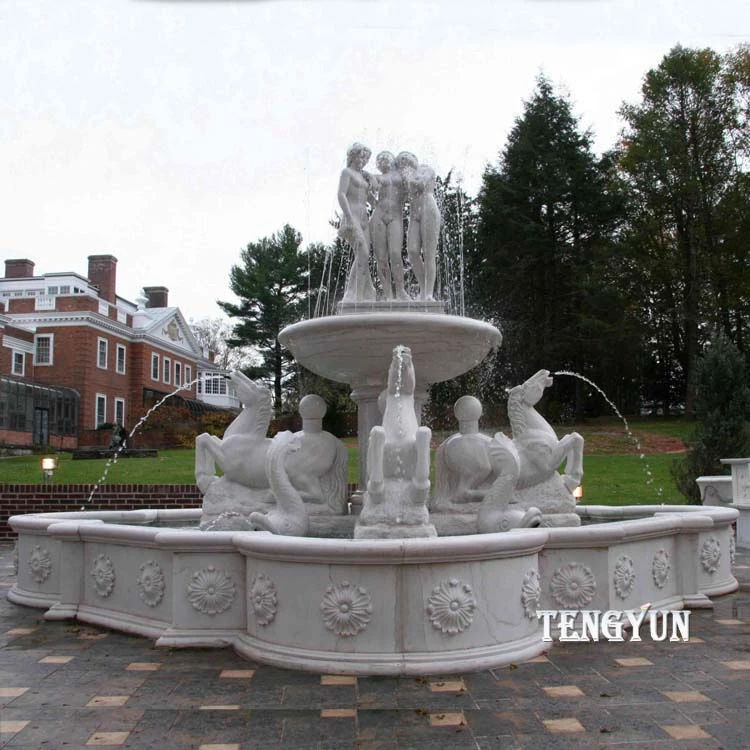
Exploring the World of Yard Statues Art Trends and Outdoor Decor
Yard statues, decorative additions to outdoor spaces, have a rich history spanning cultures and continents. From ancient garden ornaments to modern artistic expressions, these sculptures enhance the aesthetic appeal of homes, parks, and public areas. Understanding the nuances of yard statues – materials, styles, placement, and care – allows homeowners and landscape designers to create inviting and personalized outdoor environments. The global market for outdoor décor, including yard statues, is a multi-billion dollar industry demonstrating the enduring popularity and cultural significance of these art forms.
The demand for yard statues isn’t purely aesthetic; it reflects a human desire for connection with nature, artistic expression, and a sense of personal identity. Globally, the market is driven by factors like increasing disposable income, urbanization, and a growing focus on home improvement. According to Statista, the global garden ornament market was valued at approximately $14.5 billion in 2023 and is projected to grow. This growth underscores the importance of understanding the various types of yard statues available and their suitability for diverse landscapes and climates.
A key challenge within the yard statue industry is balancing affordability with durability and sustainable production practices. Consumers increasingly seek long-lasting, eco-friendly options, prompting manufacturers to innovate with new materials and production processes. The evolving market demands a greater emphasis on artistic quality, unique designs, and responsible sourcing of materials.
The Historical Significance of yard statues
The use of statues in gardens and outdoor spaces dates back to ancient civilizations. Egyptians adorned their gardens with sculptures of gods and pharaohs, while the Romans incorporated statues into elaborate villa landscapes. These early examples demonstrate a long-held human tradition of using art to enhance and personalize outdoor environments. yard statues have evolved over centuries, reflecting changing artistic styles and cultural values.
Throughout the Renaissance and Baroque periods, European gardens featured classical statues, fountains, and ornate sculptures. These elements were symbols of wealth, power, and refined taste. The Victorian era saw a surge in popularity for whimsical and sentimental garden ornaments, often made of cast iron or terracotta. This historical trajectory demonstrates the enduring appeal of yard statues as expressions of artistic and cultural identity.
FAQS
For long-lasting outdoor yard statues, materials like bronze, granite, and high-quality concrete are excellent choices. Bronze offers exceptional durability and resistance to corrosion. Granite is naturally weather-resistant and can withstand harsh conditions. High-quality concrete, properly sealed, provides good durability at a more affordable price point. Consider the climate in your area when selecting a material to ensure it can withstand local weather patterns.
Regular cleaning is essential for maintaining the appearance and longevity of your yard statues. Use a mild soap and water solution, applying it with a soft brush or cloth. Avoid abrasive cleaners that can damage the surface. For metal statues, a periodic application of wax or sealant can help protect against corrosion. Concrete statues may benefit from occasional resealing to prevent water damage.
Many yard statues can be left outdoors year-round in cold climates, but it depends on the material. Granite and bronze are generally very resistant to freezing temperatures. However, concrete statues can be susceptible to cracking from freeze-thaw cycles. Proper sealing can help mitigate this risk. It's also advisable to ensure proper drainage around the statue to prevent water from accumulating and freezing.
Yes, increasingly, eco-friendly options are becoming available. Look for statues made from recycled materials, such as recycled plastic or reclaimed metal. Some manufacturers are also using bio-based resins and sustainable production processes. Choosing durable statues that will last for many years is also a sustainable practice, as it reduces the need for frequent replacements.
Protecting your yard statues from theft can be a concern. For smaller statues, consider placing them in areas that are less visible from the street. Larger statues can be anchored to the ground using concrete or metal stakes. Security cameras and motion-sensor lights can also deter potential thieves. You can also consider insurance coverage for valuable outdoor ornaments.
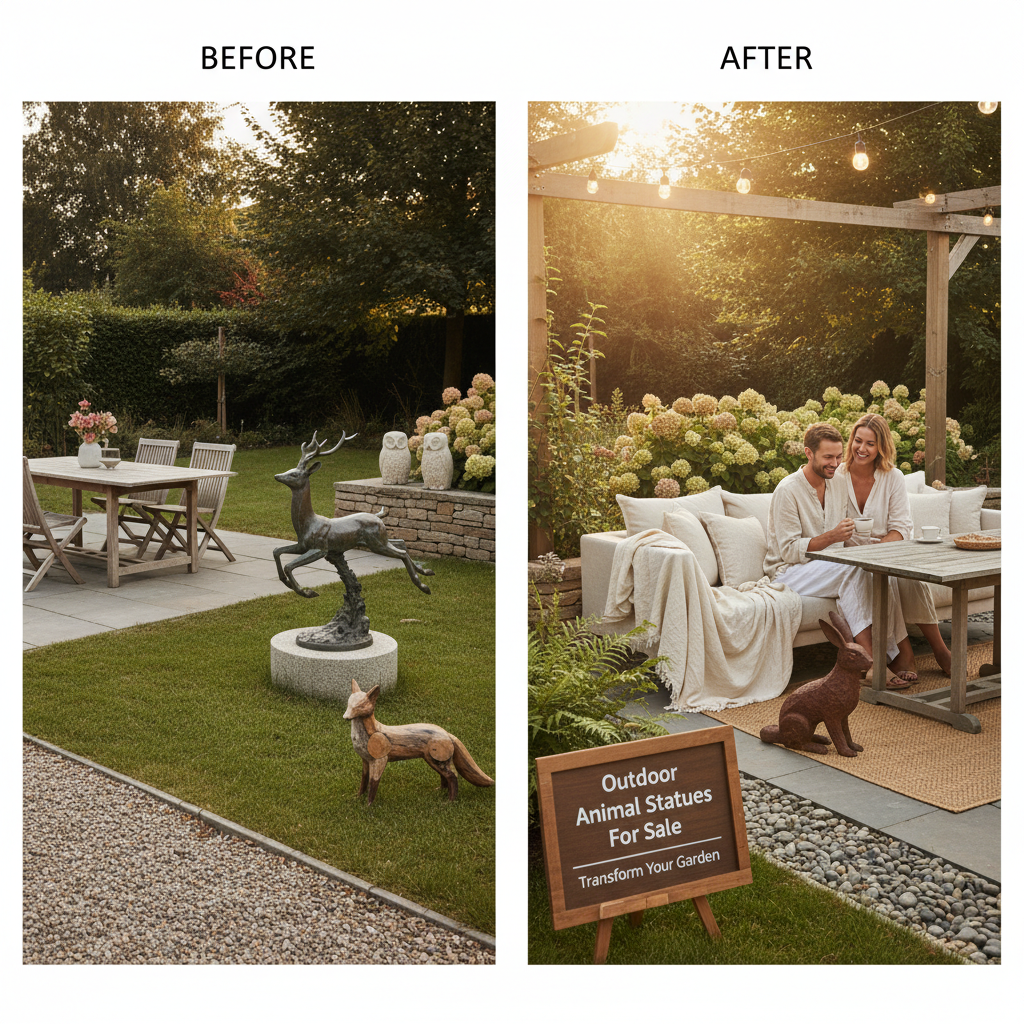
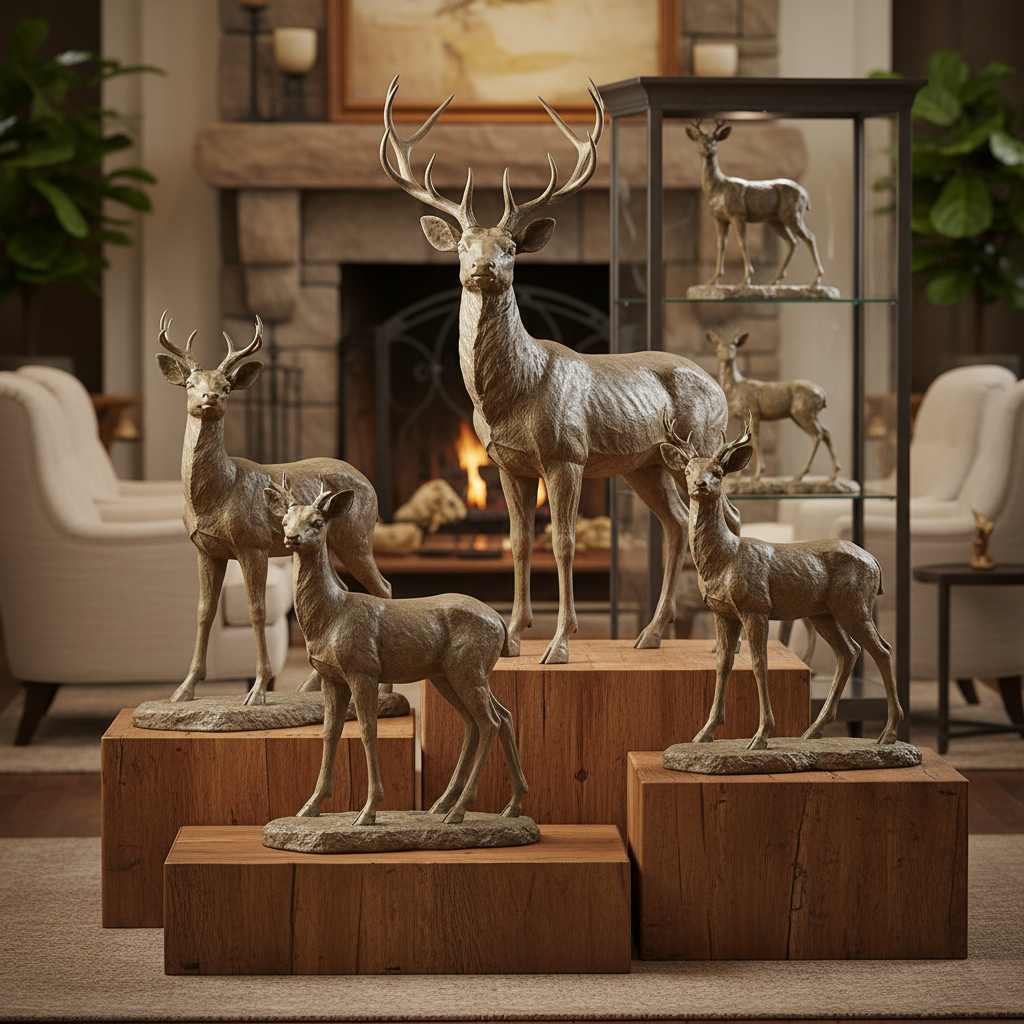
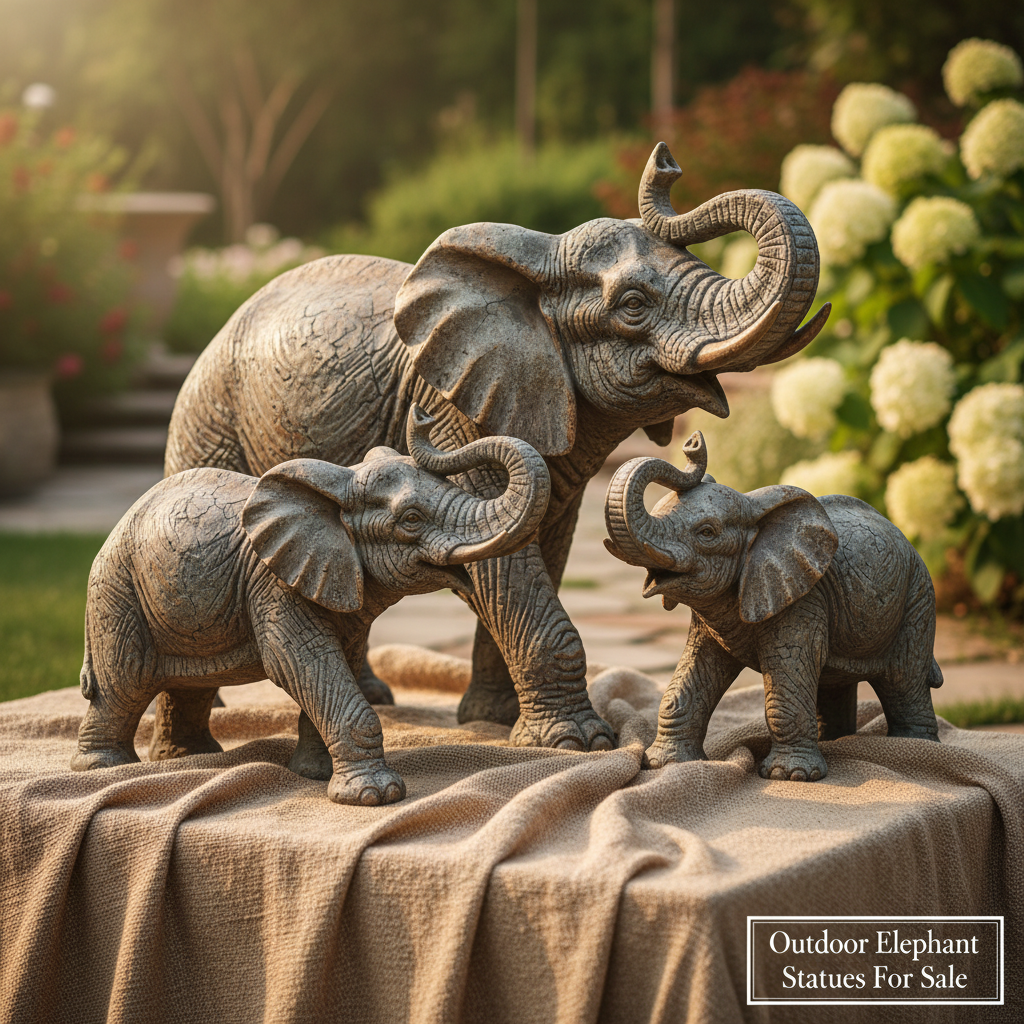
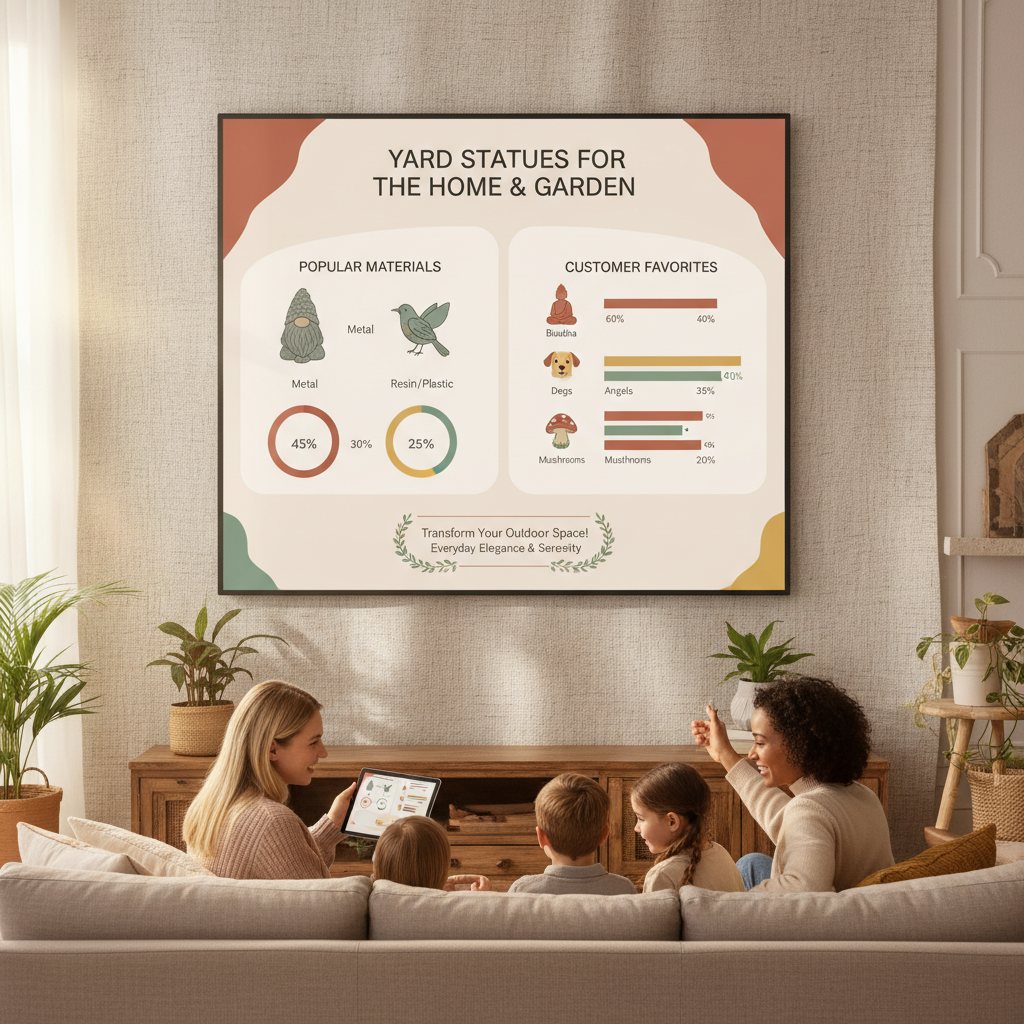
Currently, popular styles include whimsical garden gnomes, realistic animal statues, abstract sculptures, and religious figurines. There’s also a growing trend towards personalized statues, such as custom-made pet portraits. Rustic and farmhouse-inspired designs are also very popular, as are statues with integrated solar lighting for added ambiance.
Conclusion
In conclusion, yard statues represent more than just decorative elements; they embody a rich history of artistic expression, cultural significance, and a human desire to connect with beauty and nature. Choosing high-quality, durable statues crafted from weather-resistant materials offers long-term aesthetic value and sustainable benefits. Understanding the core components of quality, considering practical applications, and embracing future innovations will ensure that yard statues continue to enhance outdoor spaces for generations to come.
As the demand for personalized and sustainable home décor grows, the yard statue industry is poised for continued innovation. Exploring new materials, incorporating smart technology, and prioritizing eco-friendly practices will be crucial for meeting evolving consumer preferences. By investing in well-crafted yard statues, homeowners and landscape designers can create inviting, personalized, and environmentally responsible outdoor environments. Visit our website at www.firststatue.com to explore our extensive collection of yard statues!
Post time:Feb . 23, 2026 06:17