Exploring the Art and Manufacturing of Custom Brass Buddha Statues
Look, I've been running around construction sites for fifteen years, dealing with everything from rebar to circuit boards. And let me tell you, the stuff that’s trending right now…it’s all about customization and, honestly, shrinking things down. Everyone wants smaller, lighter, more modular. But, and this is a big but, they often forget about how it’s actually going to be used in the real world. You spend all this time perfecting a digital model, then some guy on site is trying to wrench it into place with a rusty pipe wrench. Have you noticed that?
It's a constant battle. We’re seeing a lot of demand for high-quality brass buddha statue manufacturers, especially for temples and meditation spaces, but getting the balance right is tough. People want that traditional look, that weight and feeling of permanence, but they also want easy installation and, strangely, quick turnaround times. Like they think it grows on trees.
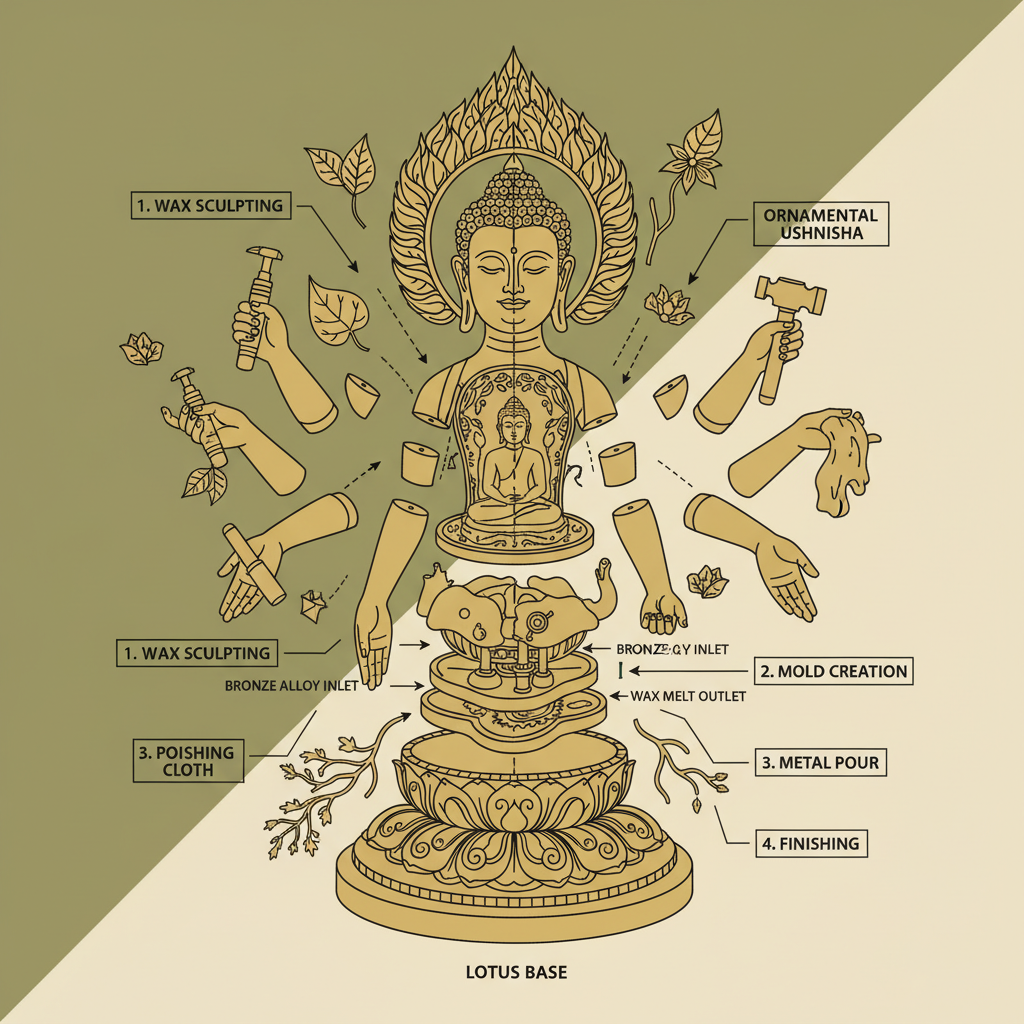
And the material selection... that's where things get interesting. Most folks assume it's just brass, right? Wrong. It's alloys. Different percentages of zinc, copper, sometimes even a little lead to make it easier to cast. The smell when they’re pouring the molten metal…it's this weird, sweet, metallic tang. I encountered this at a factory in Foshan last time, and the guy was mixing it with some secret ingredient – wouldn’t tell me what it was! Said it was a family tradition. Anyway, I think the quality of the brass really dictates the longevity and the final finish.
The Latest Trends in Brass Buddha Statue Manufacturers
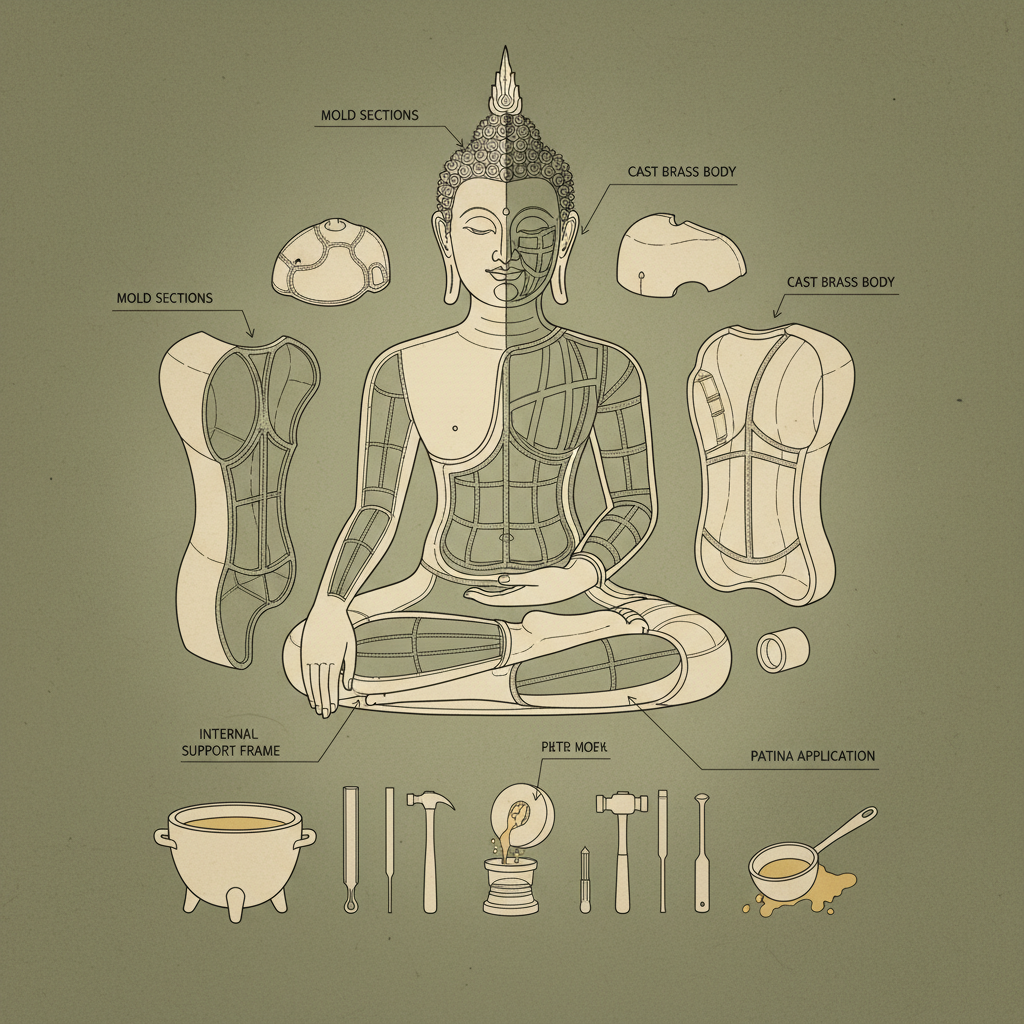
To be honest, the biggest trend I'm seeing is the move towards more intricate designs, driven by demand from both temples and individual collectors. People want detail, they want realism, they want something that truly captures the spirit of the Buddha. But that detail comes at a cost. It means more handwork, more specialized tooling, and a greater risk of defects.
We’re also seeing a rise in requests for statues made with specific types of brass – some customers are really into the color variations you get with different alloys, others want statues that are particularly resistant to tarnishing. It's a lot more nuanced than it used to be.
FAQS
Lead times vary significantly based on complexity and size. A standard, relatively simple statue might take around 3-4 weeks from design approval to shipment. More intricate designs, or larger statues, could easily take 8-12 weeks, sometimes longer if sourcing specific materials is challenging. It's best to get a detailed quote and timeline upfront, considering the current workload at the foundry. We always build in a buffer for unforeseen issues, because things always come up.
Brass is inherently quite durable, but it's not indestructible. Proper care will significantly extend its lifespan. Regular polishing is key to preventing tarnish and maintaining the shine. Avoid harsh cleaning chemicals, as these can damage the finish. For outdoor statues, consider applying a protective coating to prevent corrosion. And, surprisingly, avoid prolonged exposure to salty air – it's brutal on brass.
Absolutely! Patina is a huge part of the aesthetic. We can achieve a wide range of finishes, from a bright, polished gold tone to a more antique, weathered look. We can even replicate specific patina styles if you provide a sample. The process involves using various chemical treatments and polishing techniques, and it requires a skilled craftsman to get it just right. It's not just spraying something on; it's an art.
Shipping large statues is…an adventure. They’re heavy, obviously, so you need to use a reputable freight forwarder with experience handling delicate items. Proper packing is critical – we use a combination of custom-built wooden crates, foam padding, and bubble wrap. Insurance is essential, and you need to factor in potential customs duties and taxes. It’s more than just slapping a shipping label on it, believe me.
That's a valid question. We prioritize working with foundries that adhere to fair labor practices and environmentally responsible manufacturing processes. We verify the source of the brass to ensure it’s not illegally mined or sourced from conflict zones. It’s not always easy to trace everything back to the original source, but we do our due diligence. We also look for suppliers who are actively working to reduce their environmental impact.
Pricing is highly variable. It depends on the size, complexity, material composition, and finish. A small, simple statue might start around $500, while a large, intricately detailed statue could easily cost several thousand dollars, or even tens of thousands. We provide customized quotes based on your specific requirements. Don’t be afraid to ask – we’re happy to work within your budget if possible.
Conclusion
So, where does all this leave us? Brass buddha statue manufacturers are a fascinating blend of tradition, artistry, and engineering. The industry is evolving, with a growing demand for customization and a focus on sustainable practices. While challenges remain – sourcing materials, controlling quality, and navigating complex logistics – the demand for these beautiful and meaningful pieces shows no sign of slowing down.
Ultimately, whether this thing works or not, the worker will know the moment he tightens the screw. You can have the fanciest designs, the highest-quality materials, the most sophisticated manufacturing processes, but if it doesn’t feel right in the hands of the person who’s installing it, something’s off. That’s what I’ve learned after all these years.
Post time:Feb . 02, 2026 06:10