Exploring the Majestic World of Eagle Figurines Art and Collectibles


Eagle figurines, captivating representations of power, freedom, and majesty, hold a significant place in art, culture, and symbolic expression worldwide. From ancient civilizations recognizing the eagle's strength to modern collectors valuing their artistic merit, these sculptures embody a timeless appeal. Understanding the nuances of eagle figurines, including materials, styles, and historical context, is crucial for both collectors and those seeking to incorporate these powerful symbols into their lives.

The global demand for decorative arts, including eagle figurines, is substantial and continually growing, driven by increasing disposable incomes and a desire for unique and meaningful possessions. According to the UN Conference on Trade and Development (UNCTAD), the global trade in arts and antiques generates billions of dollars annually. The manufacturing of eagle figurines directly contributes to this economic activity, providing livelihoods and fostering artistic skill. However, issues surrounding authenticity, sustainable sourcing of materials, and fair labor practices present challenges within the industry.

These meticulously crafted pieces are not merely decorative items; they represent a connection to history, mythology, and personal values. Eagle figurines serve as powerful symbols in various cultures, often associated with courage, nobility, and spiritual enlightenment. This demand extends beyond purely aesthetic considerations, reflecting a broader appreciation for artistry and cultural heritage.
Top Blog

The Significance of Eagle Figurines

Top Blog

Eagle figurines transcend mere ornamentation; they are potent symbols deeply embedded in human history and mythology. Across diverse cultures, the eagle represents power, vision, courage, and freedom. From the Roman legions adopting the eagle as their emblem to Native American traditions revering the eagle as a messenger to the spirit world, the bird’s symbolism resonates universally. This rich historical context contributes significantly to the enduring appeal of eagle figurines.

The enduring fascination with these figures also stems from the eagle’s remarkable physical attributes. Its keen eyesight, powerful wingspan, and majestic flight inspire awe and admiration. Capturing these qualities in sculpted form requires considerable artistic skill, further enhancing the value and significance of these artistic representations.

Defining Eagle Figurines: Form and Function

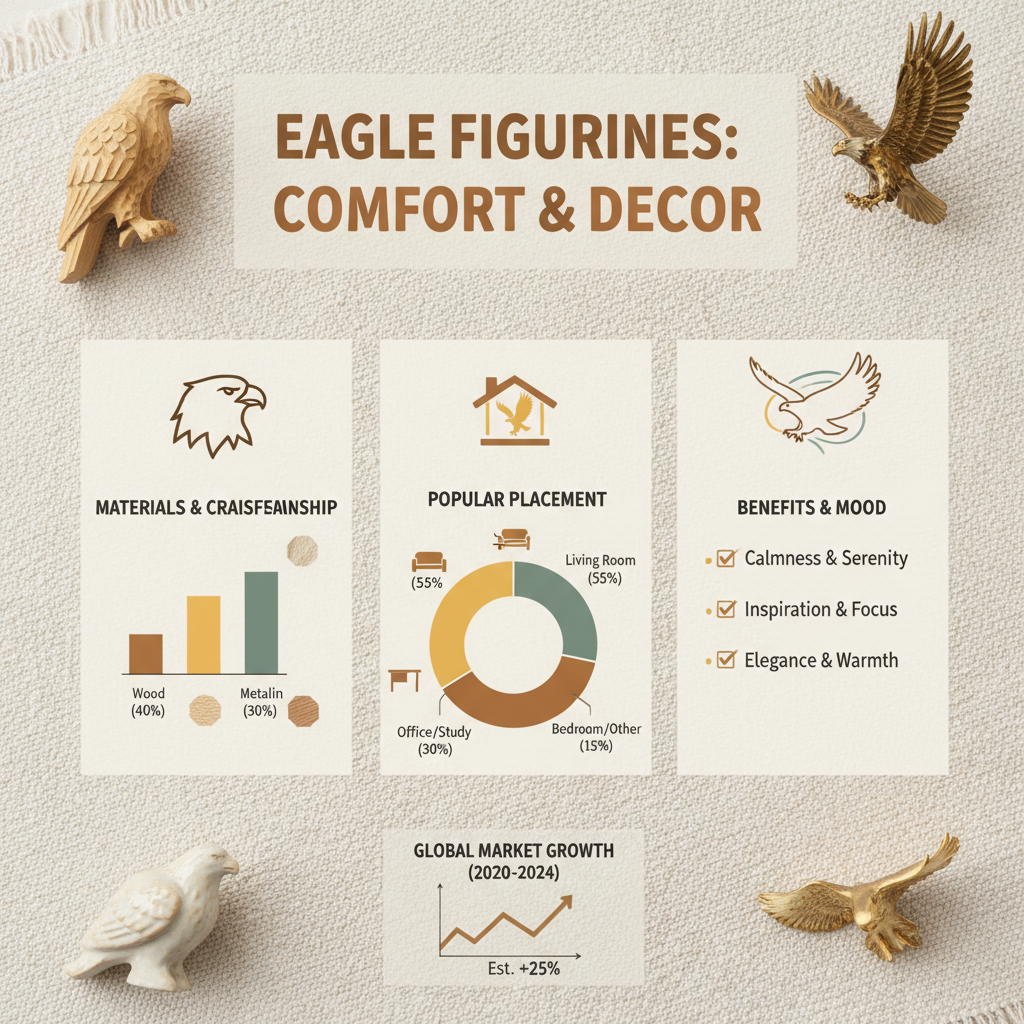
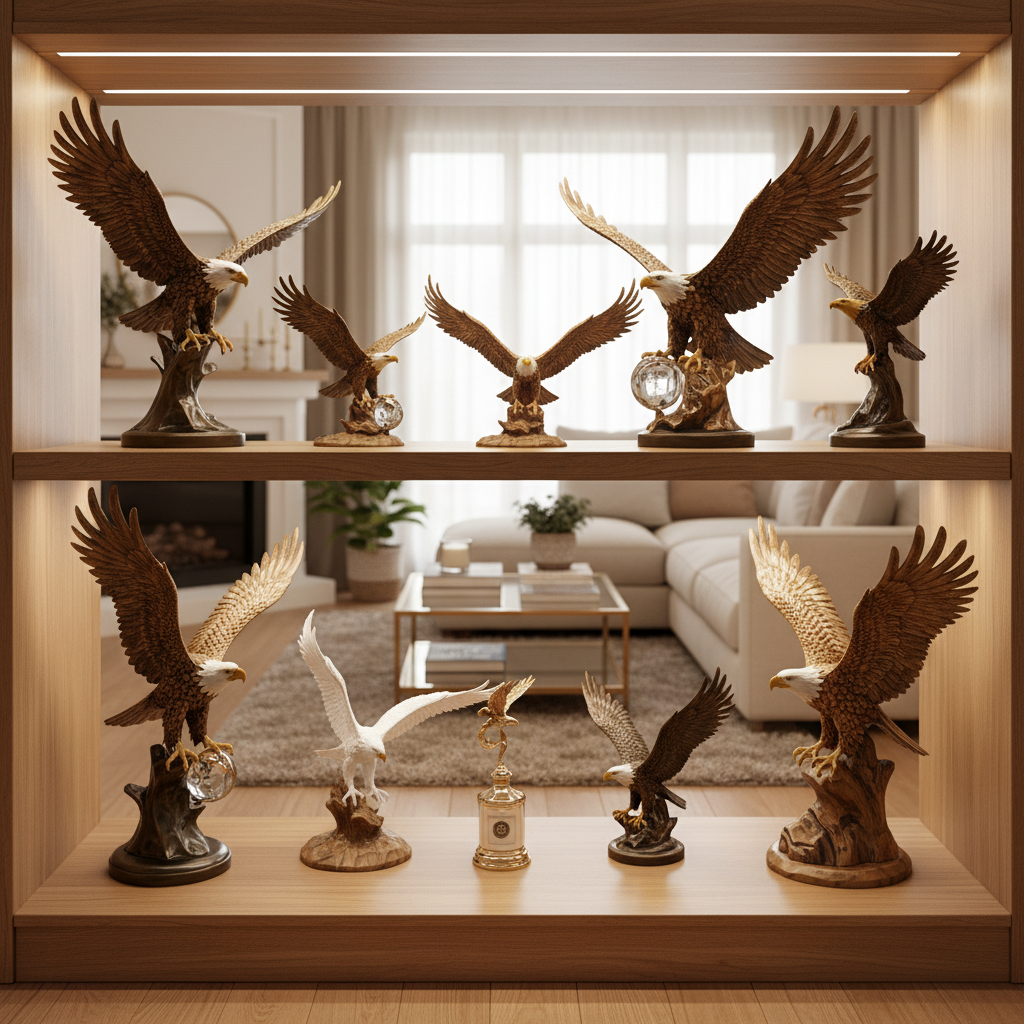
Eagle figurines are three-dimensional representations of eagles, typically crafted from materials such as bronze, marble, wood, resin, or glass. They vary dramatically in size, style, and detail, ranging from miniature collectibles to imposing statement pieces. While primarily decorative, eagle figurines often serve a symbolic or commemorative function, representing personal beliefs, cultural heritage, or historical events.

The function of an eagle figurine can range from purely aesthetic enjoyment to serving as a focal point for meditation or a symbol of personal aspiration. Historically, eagle figurines were often incorporated into religious ceremonies or used as emblems of authority. Today, they are popular choices for home décor, office displays, and gifts, often conveying messages of strength, resilience, and inspiration.

The form of eagle figurines is equally diverse. Sculptors may choose to depict eagles in dynamic flight, perched majestically, or engaged in hunting. Different artistic styles—realism, abstraction, or stylized interpretations—further contribute to the wide variety of available designs.

Core Attributes of Quality Eagle Figurines

Assessing the quality of an eagle figurine involves considering several key attributes. Firstly, the artistry of the sculpture itself is paramount. Look for anatomical accuracy, dynamic posing, and a keen attention to detail in the depiction of feathers, talons, and facial features. The skill of the sculptor directly impacts the overall aesthetic appeal and artistic value of the piece.

Secondly, the material used in the creation of the figurine significantly affects its durability and longevity. Bronze, for example, is known for its strength, corrosion resistance, and ability to hold fine detail. Marble offers a classic elegance and lasting beauty, while resin provides a more affordable alternative. The quality of the material and the craftsmanship employed in its processing are crucial indicators of value.

Finally, consider the finishing and detailing. A well-finished eagle figurine will exhibit a smooth, consistent surface texture and a thoughtfully applied patina or coloration. The overall presentation should be polished and refined, demonstrating the sculptor's commitment to excellence. Authentic eagle figurines often bear the artist’s signature or a mark of authenticity.

Global Applications of Eagle Figurine Art

Eagle figurines are integrated into diverse cultural and artistic contexts worldwide. In the United States, they are frequently used in patriotic displays and as symbols of American ideals. Native American cultures continue to hold the eagle sacred, incorporating its imagery into ceremonial objects and artwork. European traditions often feature eagles as heraldic symbols, representing power and nobility.

The application of eagle figurines extends beyond individual cultures to encompass broader artistic movements. Renaissance artists frequently depicted eagles in paintings and sculptures, celebrating their symbolism of imperial power and divine authority. Contemporary artists continue to explore the eagle as a motif, using it to comment on themes of freedom, environmental conservation, and cultural identity.

Global Demand for Eagle Figurine Styles

Long-Term Value and Benefits of Collecting

Investing in quality eagle figurines offers several long-term benefits. Firstly, these sculptures often appreciate in value over time, particularly limited-edition pieces or works by renowned artists. A well-curated collection can become a valuable asset, providing both financial and aesthetic rewards. The demand for eagle figurines remains consistently high, ensuring their enduring appeal to collectors.

Furthermore, collecting eagle figurines can foster a deeper appreciation for art, history, and cultural symbolism. Researching the origins, materials, and artistic techniques employed in their creation enhances the collector’s knowledge and understanding. This pursuit can be both intellectually stimulating and emotionally fulfilling.

Emerging Trends in Eagle Figurine Design

Contemporary eagle figurine design is experiencing a surge in innovation, blending traditional techniques with modern aesthetics. Artists are experimenting with new materials, such as recycled metals and sustainable resins, to create eco-friendly sculptures. Abstract and minimalist designs are gaining popularity, offering a fresh perspective on the eagle’s symbolic representation.

Another emerging trend is the integration of technology into eagle figurine art. Some artists are incorporating LED lighting, kinetic elements, and interactive features to create dynamic and engaging sculptures. These innovative designs appeal to a new generation of collectors seeking unique and technologically advanced artwork.

The demand for personalized and customized eagle figurines is also increasing. Collectors are commissioning artists to create bespoke sculptures tailored to their specific preferences and interests. This trend reflects a growing desire for individuality and self-expression in art collecting.

Material Analysis and Production Considerations

The choice of materials significantly impacts the production process, cost, and ultimate quality of eagle figurines. Bronze, a popular choice, requires intricate casting techniques and skilled finishing work. Marble sculptures necessitate precise carving and polishing, demanding specialized tools and expertise. Resin figurines offer greater flexibility in design but may require careful attention to detail to achieve a high-quality finish.

Sustainable sourcing of materials is becoming increasingly important. Collectors and manufacturers are seeking ethically sourced metals, responsibly harvested wood, and eco-friendly resins. Transparency in the supply chain is crucial for ensuring responsible production practices.

Production considerations also include the scale of manufacturing. Handmade eagle figurines, crafted by individual artists, are typically more expensive but offer unique artistic value. Mass-produced figurines, while more affordable, may lack the individual character and craftsmanship of handmade pieces.

Material Comparison for Eagle Figurine Production

Material Durability Cost Artistic Detail
Bronze 9/10 8/10 9/10
Marble 8/10 7/10 8/10
Resin 6/10 4/10 7/10
Wood 7/10 5/10 6/10
Glass 5/10 6/10 8/10
Stainless Steel 10/10 9/10 7/10

FAQS

What makes a bronze eagle figurine a valuable investment?

Bronze eagle figurines are considered valuable investments due to the inherent durability and aesthetic appeal of bronze, combined with the artistry involved in their creation. Limited edition pieces or those created by renowned sculptors often appreciate in value over time. Scarcity, historical significance, and the quality of craftsmanship are key factors influencing investment potential. Proper maintenance, including periodic cleaning and preservation, is essential for maximizing long-term value.

How can I determine the authenticity of an antique eagle figurine?

Determining the authenticity of an antique eagle figurine requires careful examination. Look for hallmarks, signatures, or maker’s marks. Research the artist or manufacturer associated with the piece. Consult with an expert appraiser or art historian specializing in sculptures. Consider the patina, which should develop naturally over time, and examine the casting or carving for signs of modern techniques. A thorough provenance (history of ownership) can also provide valuable clues.

What are the best ways to care for and clean an eagle figurine?

Proper care and cleaning depend on the material. For bronze figurines, gently dust regularly with a soft cloth and periodically apply a thin coat of wax to protect the surface. Avoid abrasive cleaners. Marble figurines can be cleaned with mild soap and water, followed by thorough drying. Resin figurines should be dusted gently and avoid exposure to direct sunlight. For delicate figurines, professional cleaning is recommended.

What stylistic variations are common in eagle figurine design?

Common stylistic variations include realistic, abstract, and stylized interpretations. Realistic eagle figurines aim for anatomical accuracy and lifelike detail. Abstract designs emphasize form and symbolism over literal representation. Stylized figurines incorporate artistic flourishes and unique interpretations of the eagle’s features. The choice of style reflects the artist’s vision and the collector’s personal preferences.

Where can I find reputable dealers or artists selling eagle figurines?

Reputable dealers can be found at art galleries, antique shops, and specialized sculpture exhibitions. Online marketplaces, such as reputable auction sites and art dealer websites, also offer a wide selection. Research the dealer's reputation, read customer reviews, and verify the authenticity of the figurines before making a purchase. Directly supporting artists through their websites or studios is another excellent option.

How does the size of an eagle figurine affect its value?

Generally, larger eagle figurines tend to be more valuable than smaller ones, particularly if they are highly detailed and crafted from premium materials. Size often correlates with the amount of time, skill, and material investment required for creation. However, rarity and artistic merit can outweigh size as determinants of value. A small, exquisitely crafted figurine by a renowned artist may be more valuable than a larger, mass-produced piece.

Conclusion

In conclusion, eagle figurines are more than just decorative objects; they represent a rich tapestry of cultural symbolism, artistic expression, and historical significance. Their enduring appeal stems from the eagle’s powerful imagery, the artistry involved in their creation, and their potential as valuable investments. Understanding the nuances of these sculptures – from materials and styles to historical context and market trends – empowers collectors and enthusiasts alike to appreciate their beauty and value.

As design trends continue to evolve and sustainable practices become increasingly important, we can expect to see further innovation in the world of eagle figurine art. By embracing new materials, exploring abstract forms, and prioritizing ethical sourcing, artists and manufacturers can ensure that these captivating sculptures continue to inspire and delight generations to come. Visit our website at www.firststatue.com to explore our exquisite collection of eagle figurines and discover the perfect piece to elevate your space.


Post time:Apr . 08, 2026 06:19
If you are interested in our products, you can choose to leave your information here, and we will be in touch with you shortly.