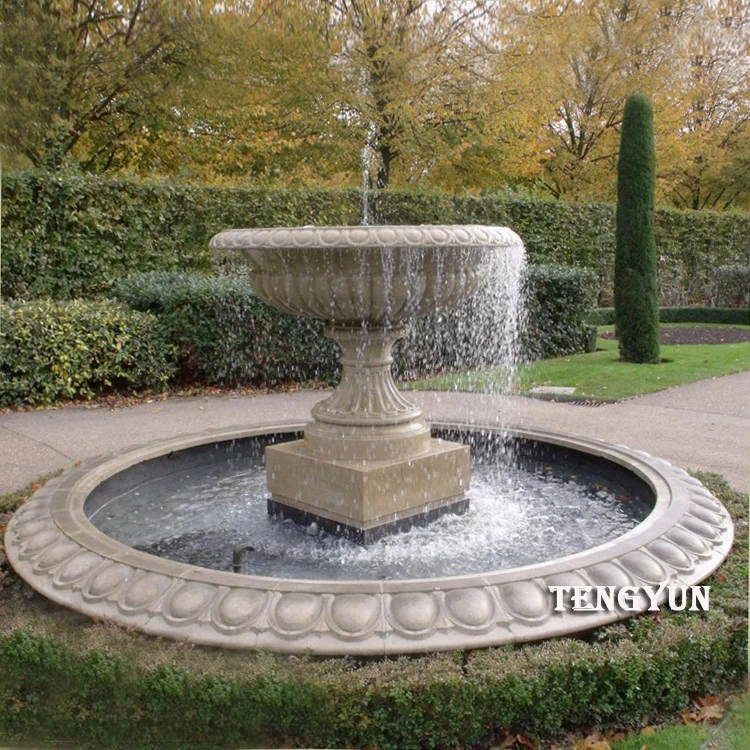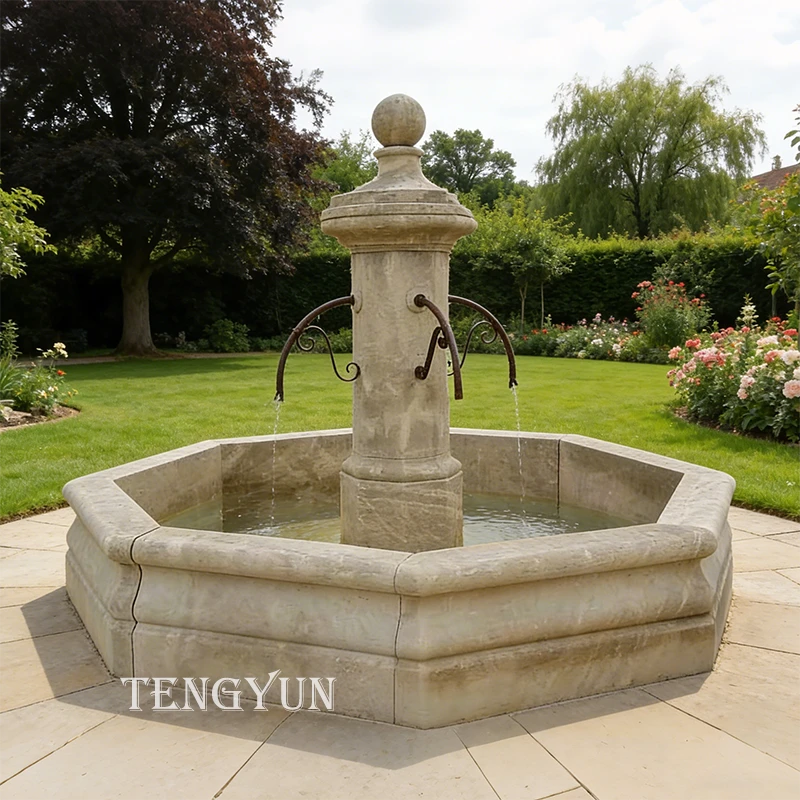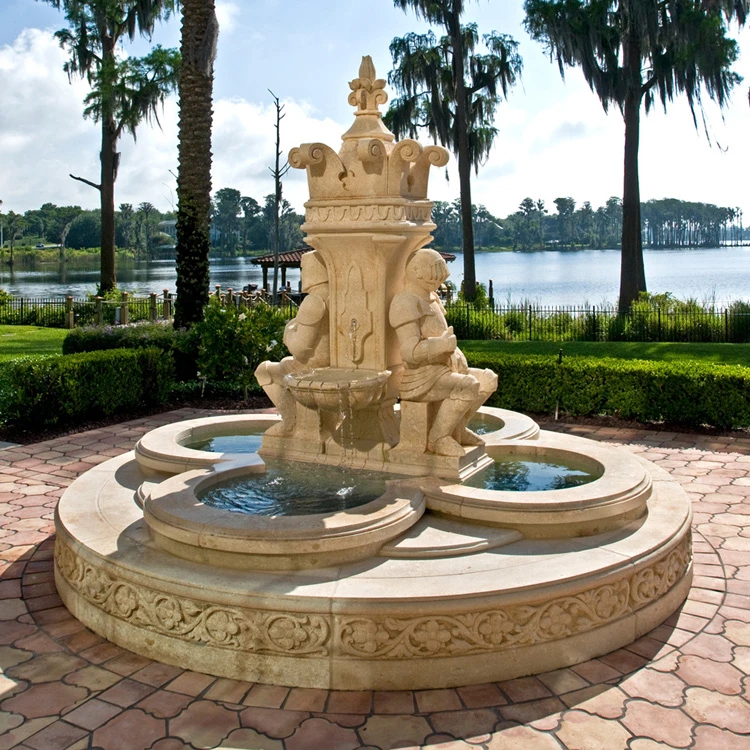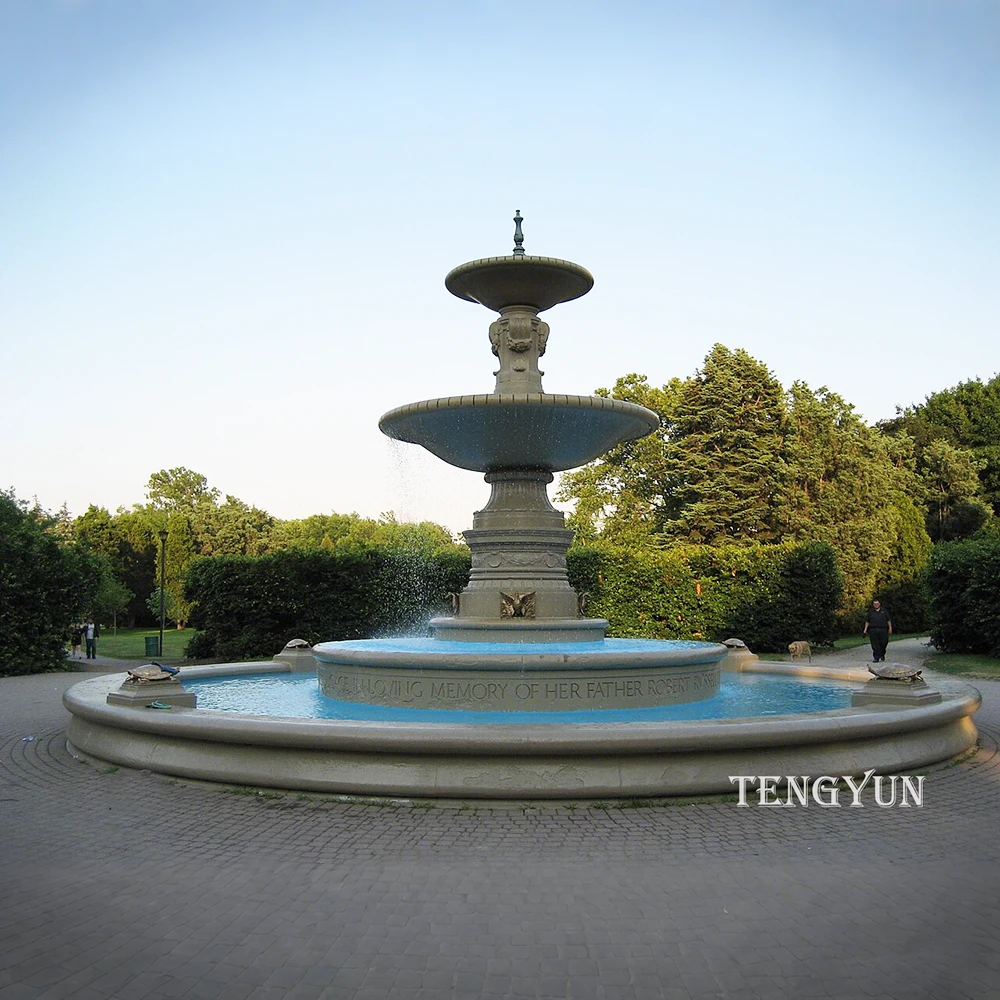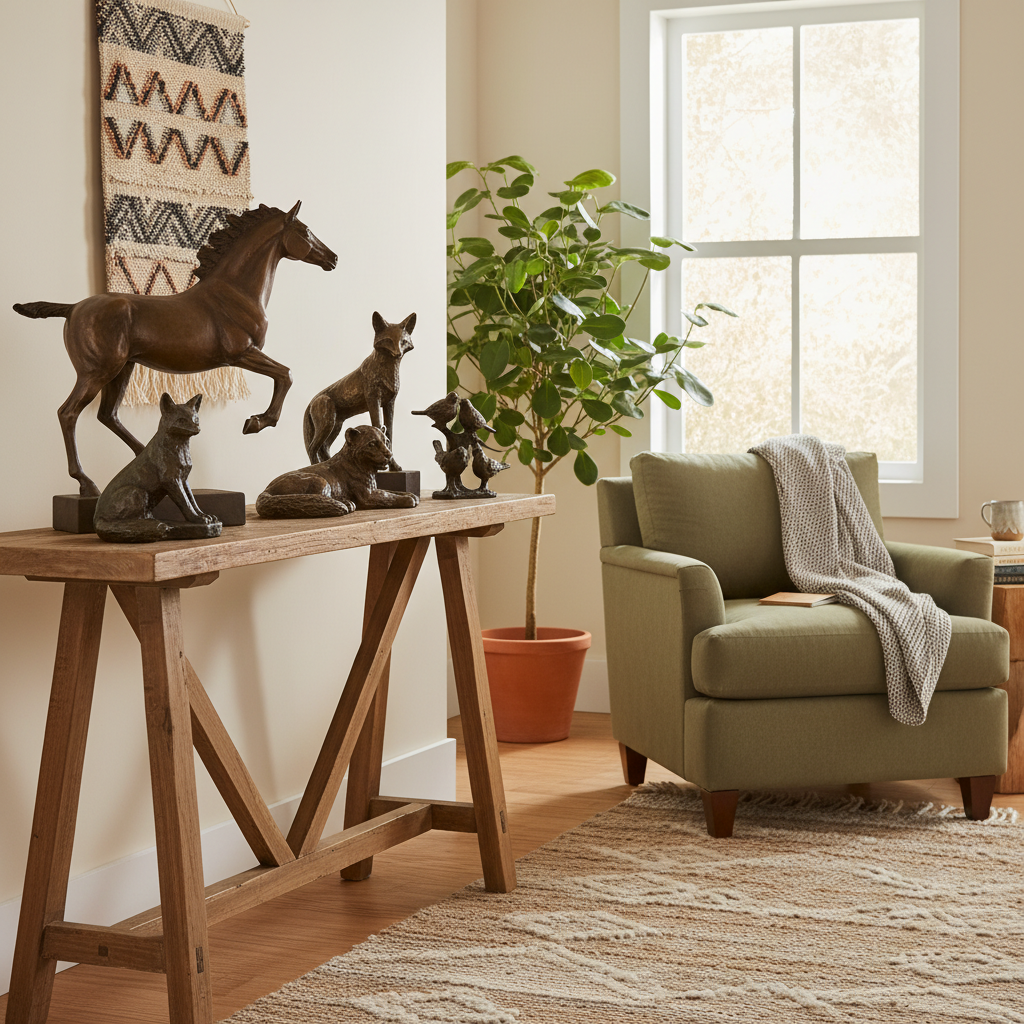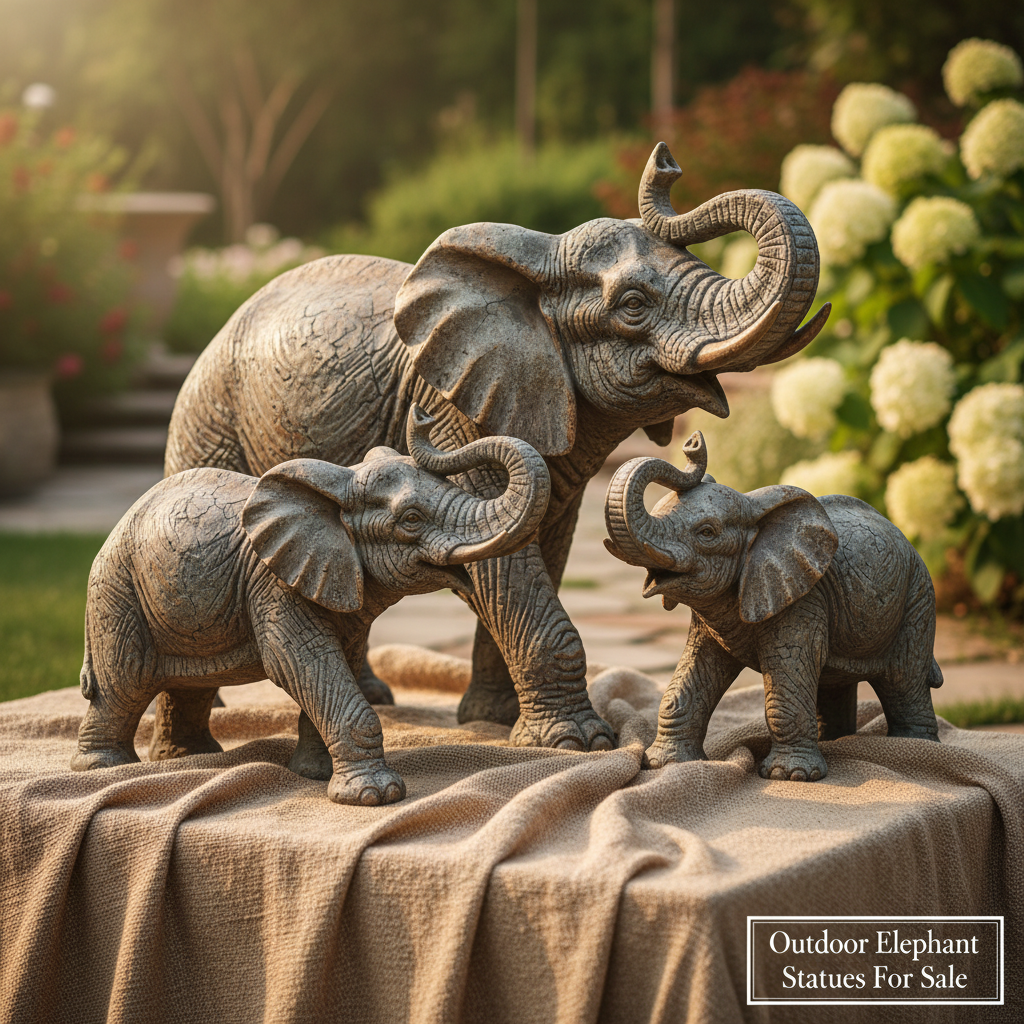
Elevate Your Living Space with Stunning Sculptures for Home Decor


Sculptures for home decor, more than just aesthetic additions, represent a growing global market driven by a desire for personalized living spaces and the increasing accessibility of artistic expression. From ancient civilizations adorning homes with carvings to the modern trend of minimalist figurines, the human impulse to surround ourselves with art is timeless. The industry’s relevance isn't merely cosmetic; it taps into broader economic trends—the rise of the middle class in emerging markets, the booming interior design sector, and a renewed focus on wellness and creating sanctuary within the home. Understanding this sphere is crucial for artists, designers, retailers, and even those involved in urban planning, as it reflects cultural shifts and consumer values.

The demand for sculptures for home decor is fueled by several converging factors. Globally, disposable income is on the rise, especially in Asia-Pacific and Latin America, driving increased spending on home improvement. According to a 2023 report by Statista, the global home decor market is projected to reach $685 billion by 2028. This growth isn’t uniform, however. There's a growing challenge to meet diverse tastes and preferences – a 'one-size-fits-all' approach simply doesn’t work anymore. This necessitates innovation in materials, design, and distribution to cater to a wider audience. Moreover, the increasing prominence of social media and online marketplaces impacts how these pieces are discovered and purchased, presenting both opportunities and challenges.

Essentially, sculptures for home decor encompass any three-dimensional artistic form intended to enhance the aesthetic appeal of a residential interior. This can range from large statement pieces like bronze statues to smaller, more subtle accents like ceramic figurines or abstract wooden carvings. It’s connected to modern industry by the complex supply chains involved in sourcing materials, the artistry of skilled craftspeople, and the logistics of global distribution. Furthermore, the demand for ethically sourced and sustainable materials reflects a wider humanitarian need for responsible consumption and production within the art and design world.
Top Blog

The Global Landscape of sculptures for home decor
Top Blog

The global market for sculptures for home decor isn’t just about art; it’s deeply embedded in economic and cultural trends. We’re seeing a shift away from mass-produced items towards pieces with unique stories and artisan craftsmanship. This is particularly evident in developing nations where a growing middle class is seeking ways to express their individuality and elevate their living spaces. I've seen firsthand, working with suppliers in Indonesia and Vietnam, that quality craftsmanship combined with compelling narratives really resonates with consumers.

However, distribution remains a major hurdle. Getting these pieces from workshops in remote areas to consumers in major cities requires a robust logistics network and a keen understanding of import/export regulations. And, honestly, the rise of online marketplaces like Etsy and Chairish, while offering access, also creates challenges for maintaining quality control and ensuring fair prices for artists.

Defining Sculptural Aesthetics

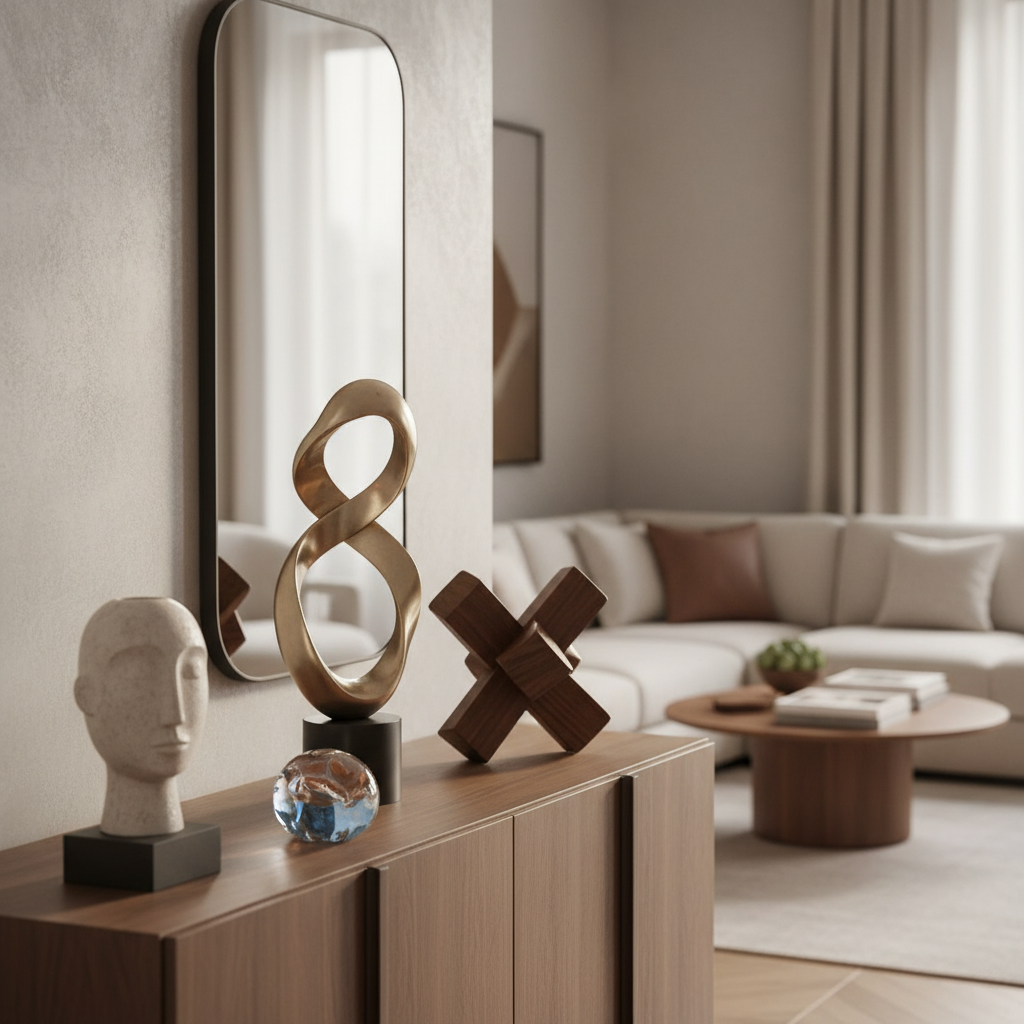
Defining sculptures for home decor is surprisingly nuanced. It’s not just about the object itself, but how it interacts with the surrounding space. A minimalist abstract piece in a clean, modern living room will have a very different impact than a detailed figurative sculpture in a traditional setting. Essentially, it's about creating a harmonious visual dialogue. We often advise clients to consider scale, form, texture, and color when selecting sculptures – these elements are crucial for achieving the desired aesthetic.

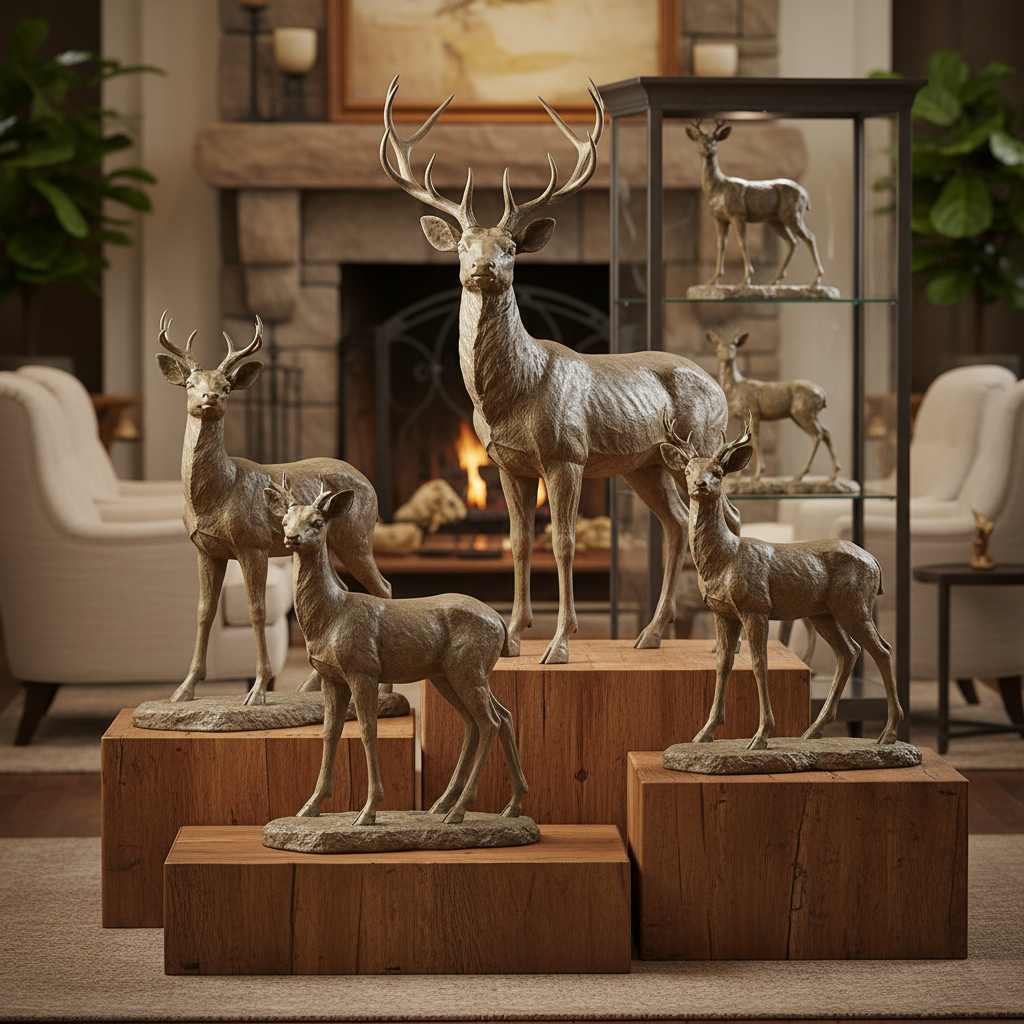
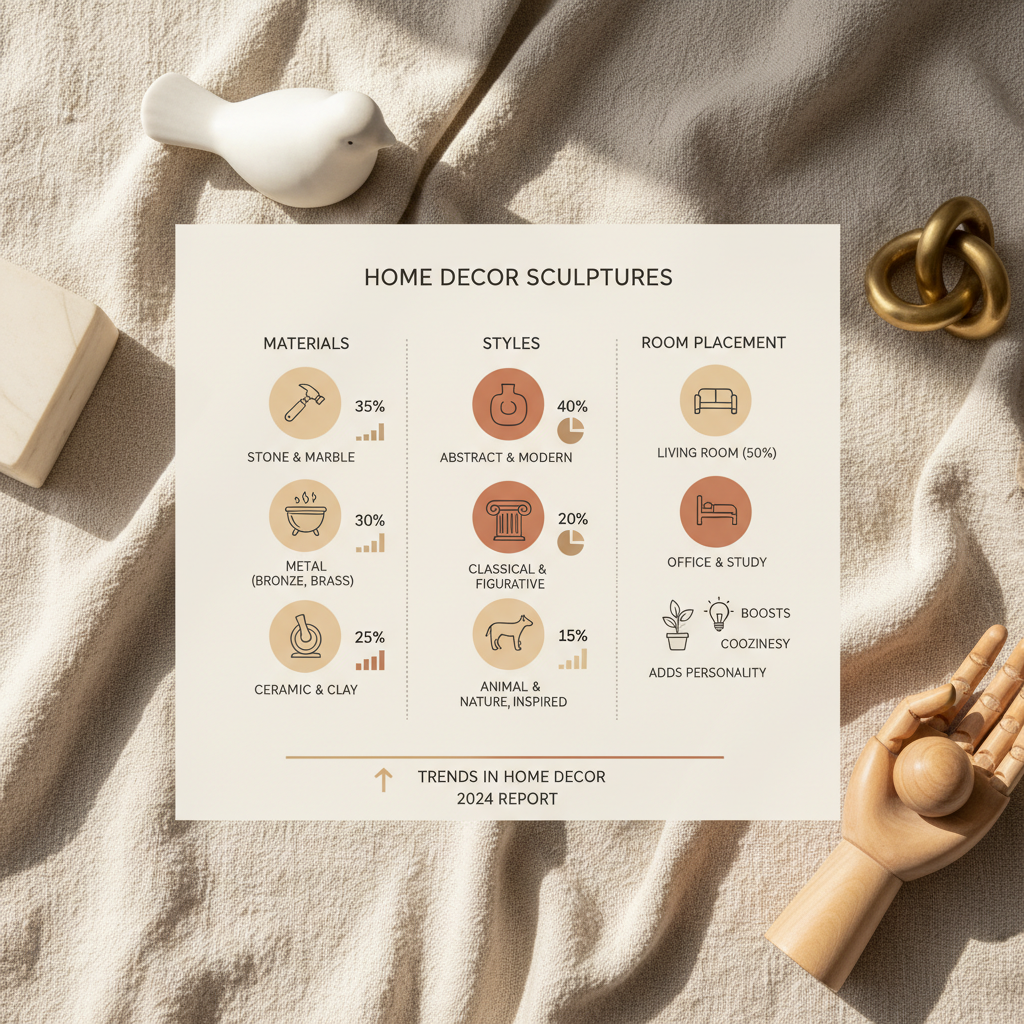
The styles themselves are incredibly diverse, encompassing everything from classical Greek and Roman replicas to contemporary abstract forms. There’s a renewed interest in Art Deco sculptures, and we're also seeing a surge in popularity of natural materials like wood and stone, reflecting a desire for authenticity and connection to nature. It's not just about trends, either; personal taste and the overall design scheme of the home are paramount.

From my experience, understanding the story behind the sculpture matters greatly. Is it a limited-edition piece? Was it created using traditional techniques? Knowing the artist’s background and inspiration adds depth and meaning to the piece, transforming it from a mere object into a conversation starter.

Key Elements of Quality Sculptures

When assessing sculptures for home decor, several key elements determine their overall quality and value. First and foremost, the craftsmanship is critical. Look for clean lines, smooth finishes, and attention to detail. A poorly executed sculpture, no matter how interesting the concept, will always detract from the overall aesthetic. I always tell new hires to run their hands over the piece, feel for imperfections, check the joinery, and scrutinize the finish.

Secondly, the material itself plays a significant role. Bronze, marble, wood, and ceramic all have unique properties and require different levels of skill to work with. The quality of the material directly impacts the sculpture’s durability and longevity. We prioritize sourcing materials from reputable suppliers who adhere to sustainable practices.

Finally, the artistic merit of the piece is subjective but equally important. Does the sculpture evoke emotion? Does it challenge conventional thinking? Does it complement the surrounding space? These are questions to consider when evaluating a sculpture’s artistic value.

Material Durability and Selection

Material choice is absolutely critical when we're sourcing sculptures for home decor. You're not just selling a pretty object; you're selling something that's intended to last. Bronze, for instance, is incredibly durable and resistant to corrosion, making it ideal for outdoor pieces or high-traffic areas. However, it's also heavy and can be expensive. Marble, while undeniably beautiful, is prone to chipping and staining and requires careful handling.

We've seen a growing demand for more sustainable materials like reclaimed wood and recycled metal. These not only reduce our environmental impact but also add a unique character to the sculptures. The trick is finding materials that are both durable and aesthetically pleasing – it’s a balancing act.

Material Durability Ratings for Sculptures for Home Decor

Global Applications and Interior Styles

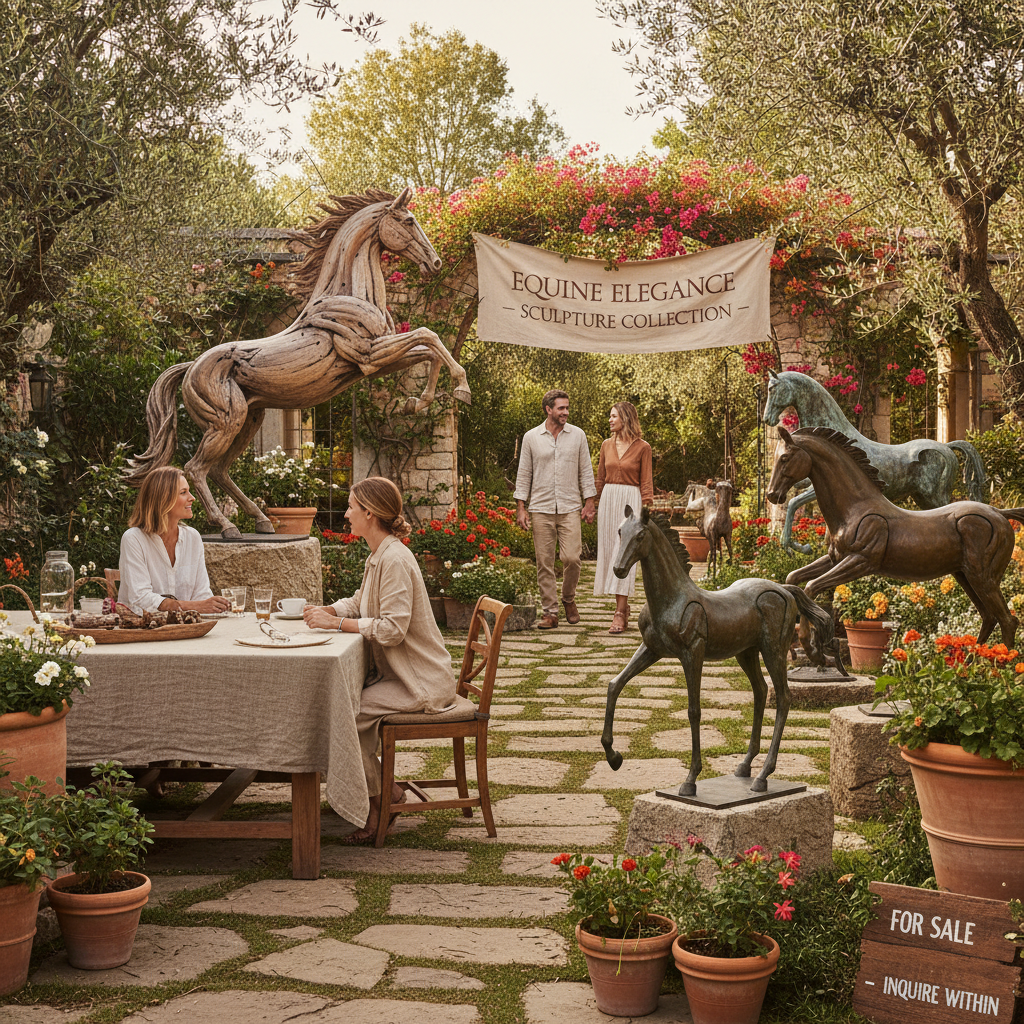
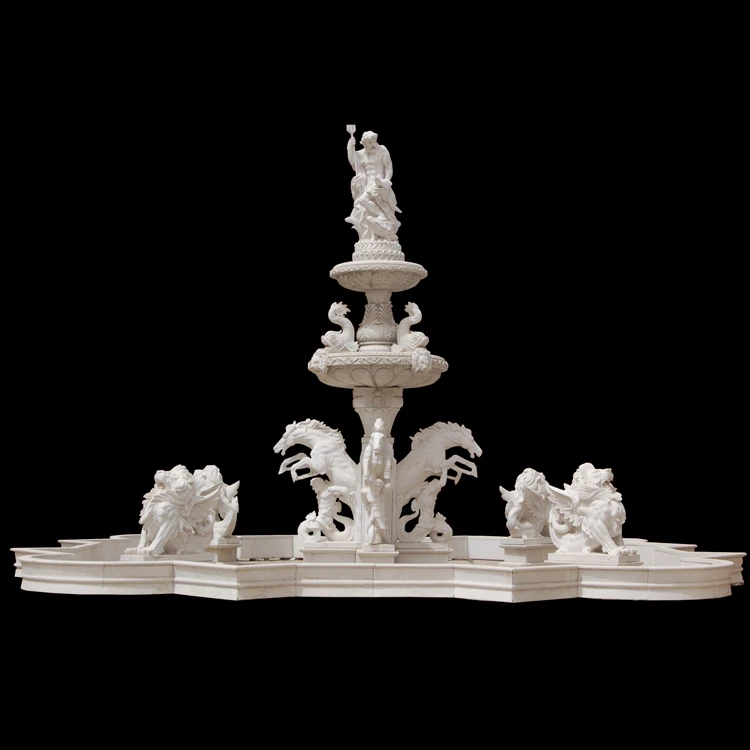
Sculptures for home decor find applications across a wide range of interior styles, from minimalist Scandinavian designs to opulent Baroque interiors. In Scandinavian spaces, you'll often see simple, organic forms crafted from natural materials like wood and stone. In contrast, Baroque interiors favor elaborate, ornate sculptures made from bronze or marble. Understanding these stylistic nuances is essential for selecting pieces that complement the existing décor.

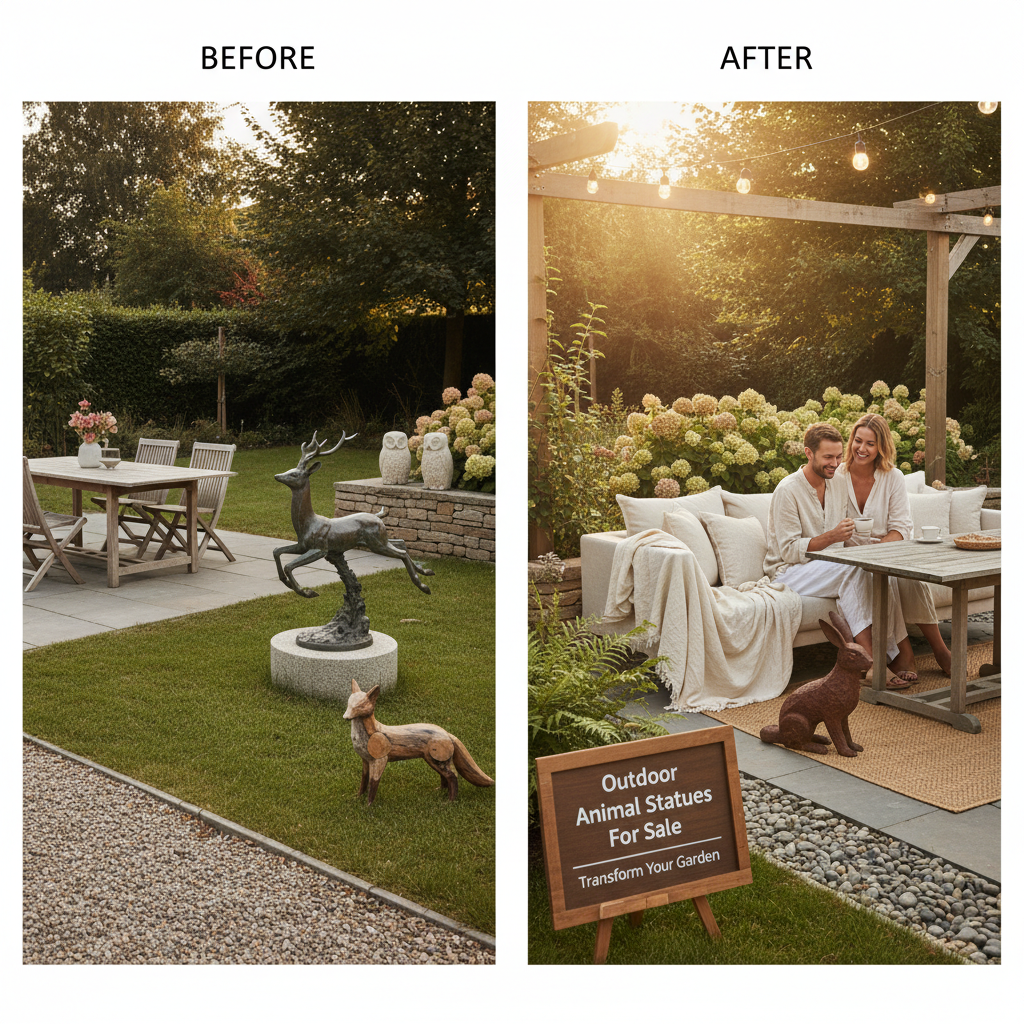
We've seen a growing trend towards incorporating sculptures into unexpected spaces – not just on pedestals or mantels, but also as focal points in hallways, bathrooms, and even outdoor gardens. The key is to create a sense of visual interest and surprise.

The Lasting Value of Artistic Investments

Investing in quality sculptures for home decor isn’t simply about acquiring beautiful objects; it’s about building a collection that will appreciate in value over time. Limited-edition pieces by established artists can become highly sought-after collectibles. But even sculptures by emerging artists can offer a good return on investment, particularly if they demonstrate exceptional talent and originality.

I've always said that art is a tangible asset, unlike many other luxury items. It can provide not only aesthetic pleasure but also financial security. The key is to do your research, buy from reputable dealers, and choose pieces that you genuinely love.

Future Trends in Sculptural Design

The future of sculptures for home decor is exciting. We're seeing a growing interest in interactive sculptures that incorporate lighting, sound, and even kinetic elements. 3D printing is also opening up new possibilities for creating complex and intricate designs. And, of course, sustainability will continue to be a major driving force, with a focus on using eco-friendly materials and ethical production practices.

I anticipate a surge in demand for bespoke sculptures – pieces that are specifically commissioned to suit the individual client’s taste and space. This requires a close collaboration between the artist, the designer, and the client to create a truly unique and meaningful work of art.

We are already seeing a push for more digital integration, with augmented reality applications allowing customers to visualize how a sculpture would look in their home before they buy. This blending of the physical and digital worlds is likely to become increasingly prevalent.

Summary of Key Factors Influencing Sculptural Design Trends

Trend Category Impact Level (1-10) Key Material Focus Consumer Preference
Sustainability 9 Reclaimed Wood, Recycled Metal High Demand for Eco-Friendly Options
Digital Integration 7 Resin, 3D-Printed Materials Interest in AR Visualization
Artisan Craftsmanship 8 Bronze, Ceramic, Stone Value placed on unique, handmade pieces
Minimalist Aesthetics 6 Concrete, Stainless Steel Preference for clean lines and simple forms
Biomorphic Design 5 Wood, Natural Stone Inspired by organic shapes and natural forms
Interactive Art 4 Mixed Media, Technology Emerging trend with a niche appeal

FAQS

What is the best way to clean delicate ceramic sculptures?

Delicate ceramic sculptures require gentle cleaning. Use a soft, dry cloth to dust regularly. For stubborn dirt, lightly dampen the cloth with distilled water and mild soap. Avoid abrasive cleaners or scrubbing, as this can damage the glaze. Always ensure the sculpture is completely dry before displaying it again. Preventative measures, like displaying away from direct sunlight and heat sources, can also help maintain its condition.

How can I protect bronze sculptures from tarnishing?

Bronze sculptures naturally tarnish over time due to oxidation. To slow down this process, handle them with clean, gloved hands to avoid transferring oils. Regularly dust with a soft cloth. For more significant tarnishing, a specialized bronze polish can be used, but follow the manufacturer’s instructions carefully. Applying a thin layer of wax can also create a protective barrier.

What are the best lighting options for showcasing sculptures?

Good lighting is crucial for showcasing sculptures. Avoid harsh, direct lighting, which can create glare and obscure details. Opt for soft, diffused lighting from multiple sources. Spotlights can be used to highlight specific features, but be careful not to create overly dramatic shadows. Consider using LED lighting, as it produces less heat and is more energy-efficient.

How do I choose the right size sculpture for my space?

Choosing the right size sculpture depends on the size and layout of your space. Larger sculptures work best in open areas, while smaller sculptures are better suited for smaller rooms or shelves. Consider the height of the ceiling and the surrounding furniture. A good rule of thumb is to ensure the sculpture is proportional to its surroundings – it shouldn't overwhelm the space or get lost in the background.

Are there any ethical considerations when purchasing sculptures?

Yes! Look for artists who are fairly compensated for their work. Inquire about the origin of the materials and ensure they are sourced responsibly. Avoid purchasing sculptures made from endangered species or materials obtained through illegal activities. Supporting artists who prioritize ethical and sustainable practices is crucial.

What’s the best way to transport a fragile sculpture?

Transporting a fragile sculpture requires careful planning. Always use a sturdy, well-padded box with ample cushioning material. Wrap the sculpture in bubble wrap or foam padding, and secure it in the box to prevent movement during transit. Clearly label the box as “Fragile” and handle it with care. Consider professional packing and shipping services for valuable or particularly delicate pieces.

Conclusion

Sculptures for home decor represent a dynamic intersection of art, design, and commerce. From their historical roots to the evolving trends of the modern market, these pieces offer more than just aesthetic appeal—they provide a tangible connection to culture, craftsmanship, and personal expression. Investing in quality sculptures is an investment in enduring beauty, a statement of individual style, and a potential financial asset.

Looking ahead, the future of the industry is bright, driven by innovation, sustainability, and a growing appreciation for the unique value of handmade art. We encourage you to explore the diverse world of sculptures for home decor and discover pieces that resonate with your personal taste and enrich your living spaces. Browse our curated collection today and find the perfect sculpture to elevate your home: sculptures for home decor.


Post time:Mar . 25, 2026 06:21
If you are interested in our products, you can choose to leave your information here, and we will be in touch with you shortly.