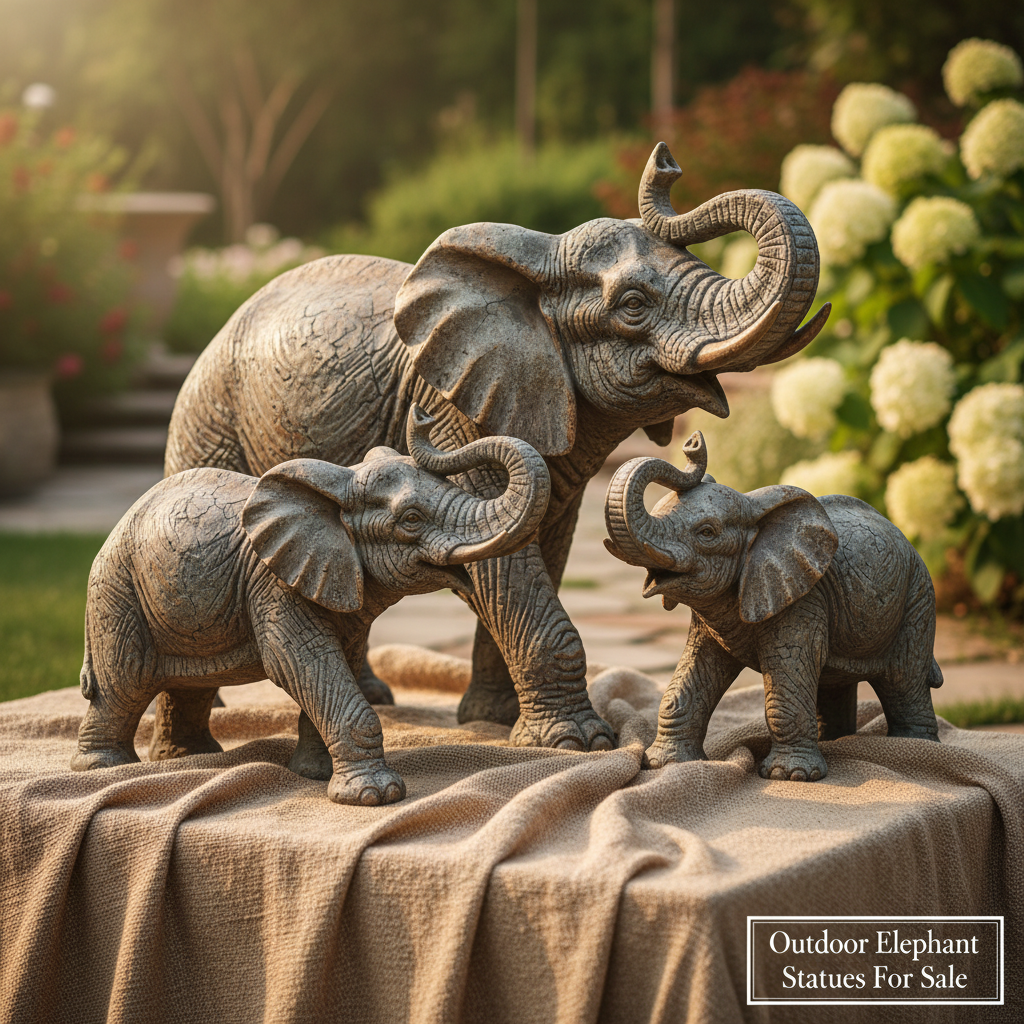
Discover the Timeless Beauty of Bronze Animals for Sale and Collectibles
Bronze Animals for Sale: A Collector's Guide
For centuries, bronze animals have captivated art lovers and collectors alike. These sculptures are not merely decorative objects; they represent artistic skill, cultural heritage, and often, a deep connection with the natural world. Whether you're a seasoned collector or just starting your journey, understanding the nuances of bronze animal sculptures – from materials and techniques to historical periods and current market trends – is essential. This guide explores the world of bronze animals for sale, offering insights into choosing, collecting, and appreciating these timeless works of art.
The Allure of Bronze: Why Animals?
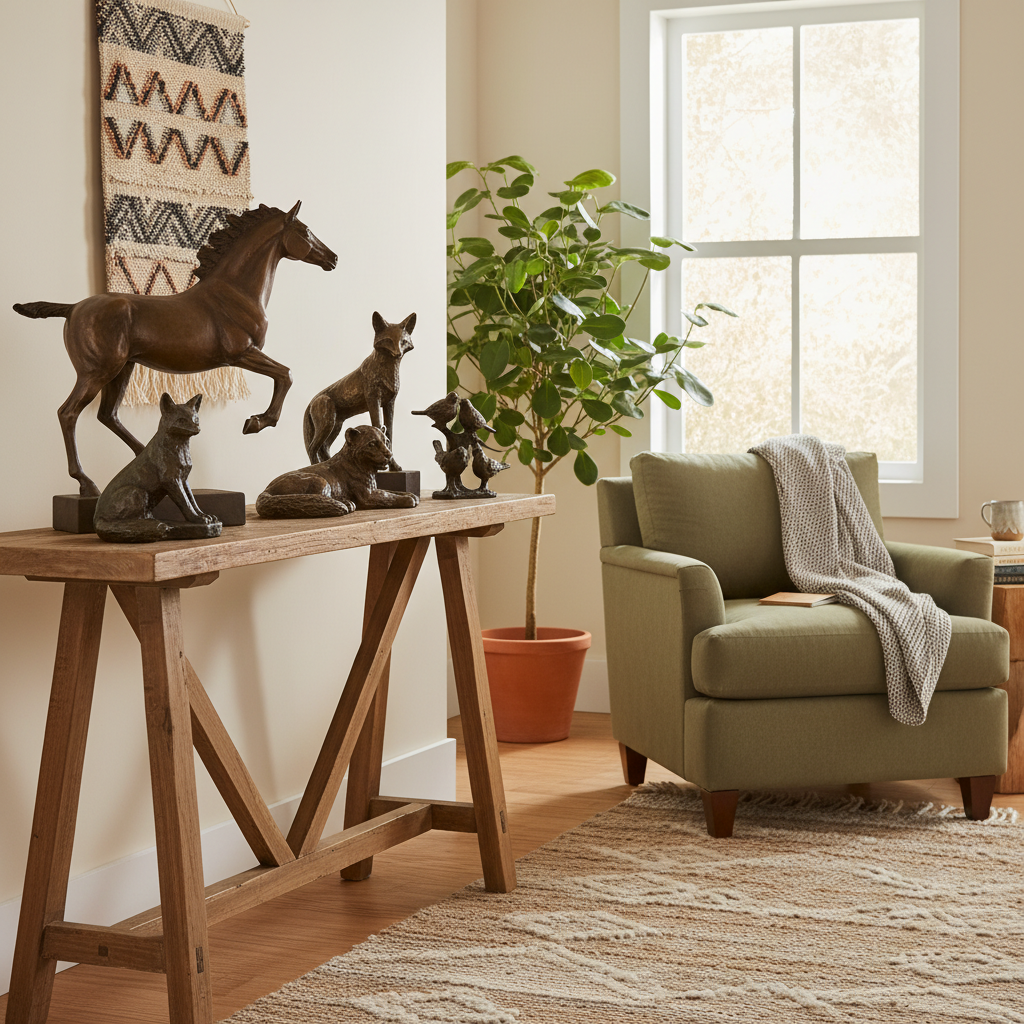
Bronze, an alloy primarily composed of copper, tin, and sometimes other metals, offers unparalleled durability and aesthetic appeal. Its rich patina – the surface layer that develops over time – adds depth and character. Animals, as subjects, have been consistently popular throughout art history. They symbolize a variety of attributes – strength, grace, loyalty, and wildness – making them emotionally resonant and visually striking. From majestic lions to playful dolphins, bronze animal sculptures embody the beauty and diversity of the animal kingdom. The enduring appeal lies in the artist's ability to capture not just the form, but the essence of each creature.
Key Benefit: Bronze's durability ensures these sculptures can be enjoyed for generations, becoming cherished heirlooms.
Exploring Different Styles of Bronze Animals for Sale
The world of bronze animal sculpture is incredibly diverse, encompassing various styles and periods. Art Nouveau sculptures often depict flowing, organic forms, while Art Deco pieces are characterized by geometric shapes and streamlined designs. Realist sculptures strive for accurate anatomical representation, while abstract pieces focus on form and texture. Knowing these distinctions will help you identify pieces that align with your personal aesthetic. At FirstStatue.com, you can find a wide range of styles, from classical representations to more contemporary interpretations.
Understanding Bronze Casting Techniques
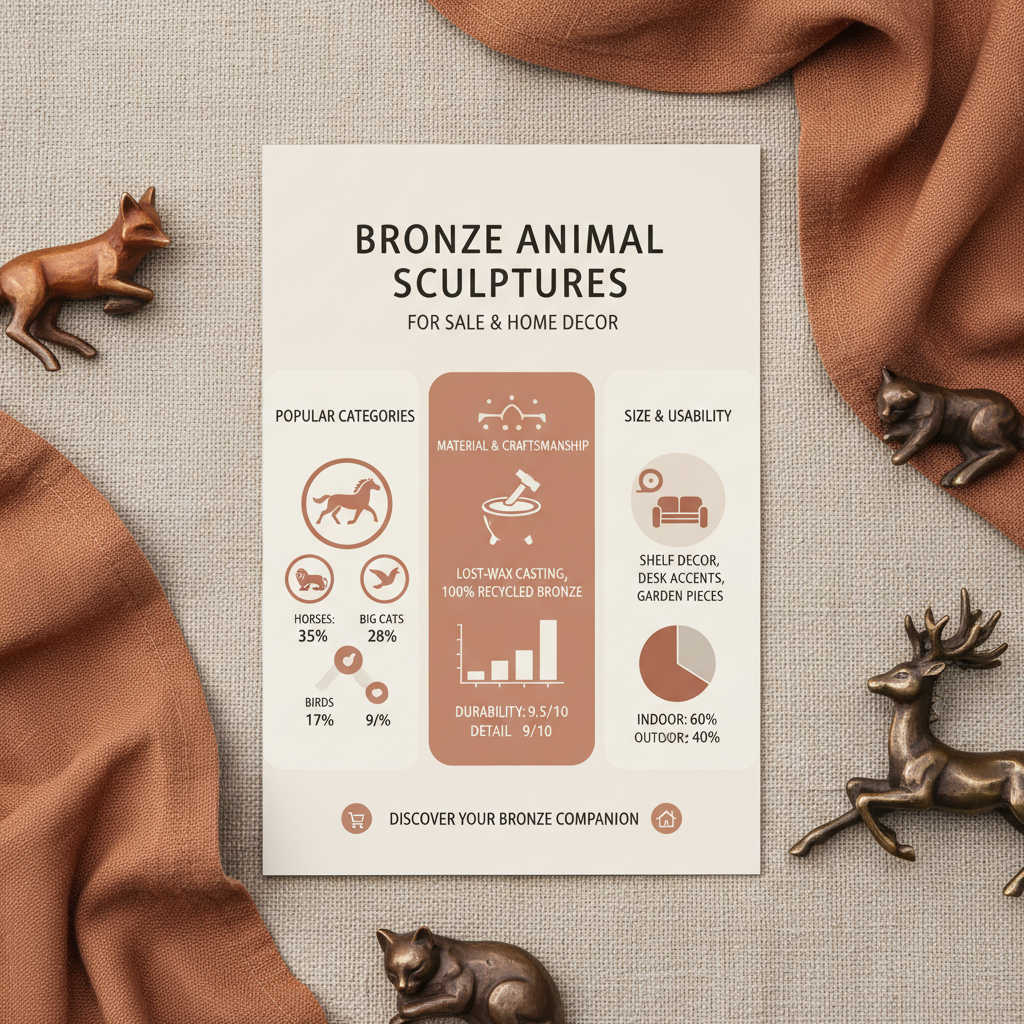
The technique used to create a bronze animal significantly impacts its value and quality. The most common method is the lost-wax casting process (cire perdue). This intricate process involves creating a wax model, encasing it in a ceramic shell, melting out the wax, and pouring molten bronze into the resulting void. Other methods include sand casting and direct metal sculpting. Limited-edition pieces, where only a specific number of sculptures are created, are often more valuable than open-edition works. Knowing the casting method and the edition size will help you assess the artwork's authenticity and potential appreciation in value.
Lost-Wax Casting: A Breakdown
• Creates highly detailed sculptures.
• Allows for complex forms and textures.
• Typically used for limited-edition pieces.
Bronze Animals for Sale: Price Ranges and Factors Influencing Value
The price of bronze animals for sale can vary dramatically, ranging from a few hundred dollars to tens of thousands. Several factors influence the value: the artist's reputation, the size and complexity of the sculpture, the casting technique used, the edition size, the condition of the piece, and its provenance (history of ownership). Here's a general guide to price ranges:
Caring for Your Bronze Animal Sculpture
Proper care will preserve the beauty of your bronze animal sculpture for years to come. Avoid harsh chemicals and abrasive cleaners. Regular dusting with a soft cloth is usually sufficient. For a deeper clean, use a mild soap solution and a soft brush. To maintain the patina, you can apply a thin coat of beeswax or a specialized bronze polish. Protect your sculpture from extreme temperatures and direct sunlight to prevent damage.
Final Thoughts: Investing in Art and Nature
Collecting bronze animal sculptures is a rewarding experience that combines aesthetic pleasure with a connection to art history and the natural world. Whether you're drawn to the artistry, the symbolism, or the investment potential, these sculptures offer enduring beauty and value. Explore the diverse offerings at FirstStatue.com and discover the perfect piece to enhance your collection and bring a touch of the wild into your home.
Frequently Asked Questions (FAQs)
What should I look for when authenticating a bronze animal sculpture?
Authenticating a bronze sculpture requires careful examination. First, check for hallmarks or signatures, which can indicate the artist and foundry. Assess the quality of the casting – look for crisp details and a smooth surface. The patina should appear natural and consistent with the age of the piece. Research the artist’s known work and compare the sculpture to documented examples. If possible, consult with a qualified appraiser or art expert. Provenance – the documented history of ownership – can also provide valuable clues to authenticity. Be wary of pieces with suspiciously low prices or lacking proper documentation.
How does the patina affect the value of a bronze sculpture?
The patina – the surface layer that forms on bronze over time – is a crucial factor in determining its value. A well-developed, natural patina is highly desirable. It adds depth, character, and a sense of age to the sculpture. Different patinas (e.g., green, brown, reddish) can be more or less valued depending on aesthetic preference and historical context. Artificial patinas, created by applying chemicals, are generally less desirable than naturally formed patinas. A stable, even patina is often preferred, while excessive corrosion or damage can detract from the value.
What are some popular bronze animal subjects among collectors?
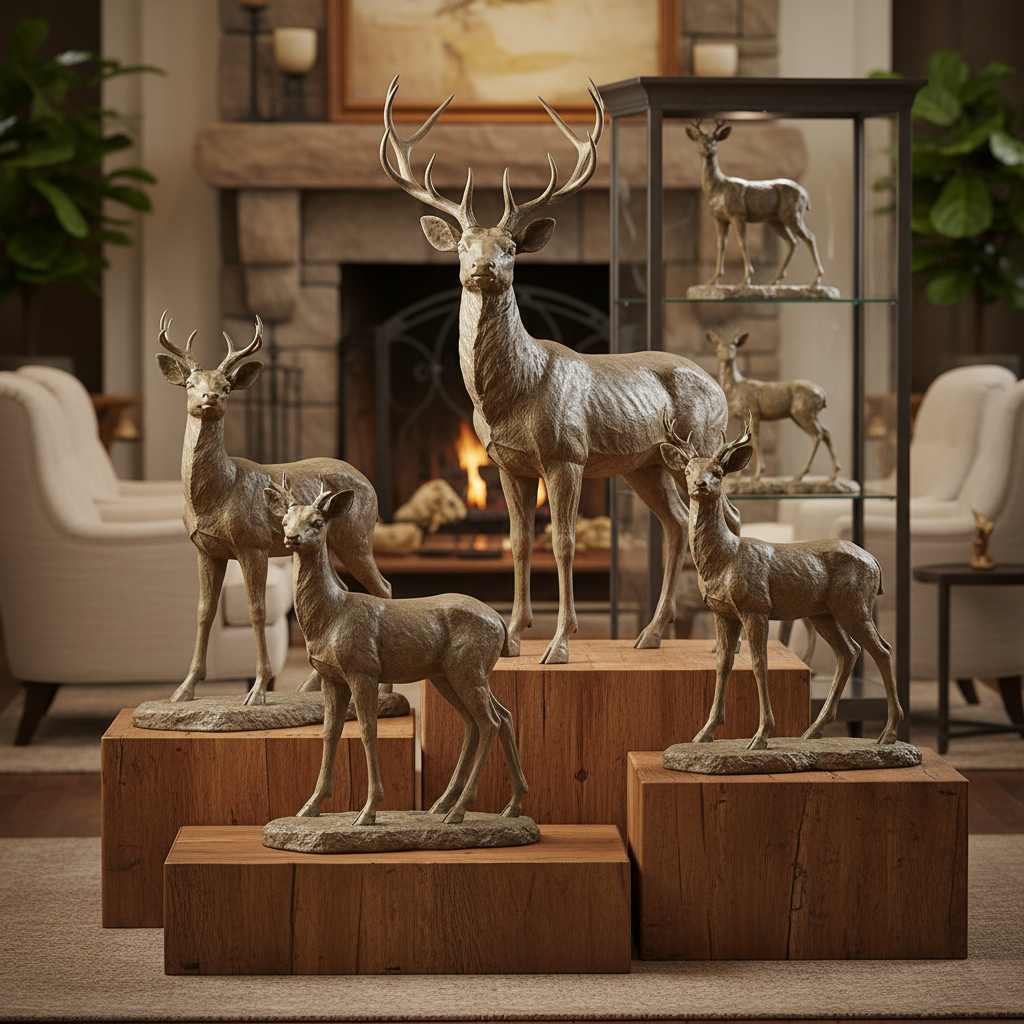
Certain bronze animal subjects consistently attract collectors. Big cats (lions, tigers, leopards) are particularly popular, symbolizing strength and grace. Birds, especially eagles and owls, are also sought after, representing freedom and wisdom. Horses are prized for their dynamic energy and historical significance. Elephants symbolize intelligence and memory. More unique subjects, like rhinoceroses, gorillas, or bears, can also be highly collectible, especially if they are well-executed and by a renowned artist. Ultimately, the most popular subjects depend on individual tastes and collecting interests.
Where can I find reliable sources for buying bronze animal sculptures?
When purchasing bronze animals, it's essential to use reputable sources. Established art galleries specializing in sculpture are an excellent starting point. Auction houses can offer a wide selection, but require careful research and due diligence. Online marketplaces, like FirstStatue.com, can provide access to a diverse range of sculptures, but verify the seller’s credibility and authenticity guarantees. Always request detailed descriptions, high-quality photographs, and provenance information before making a purchase.
Post time:Mar . 28, 2026 01:45