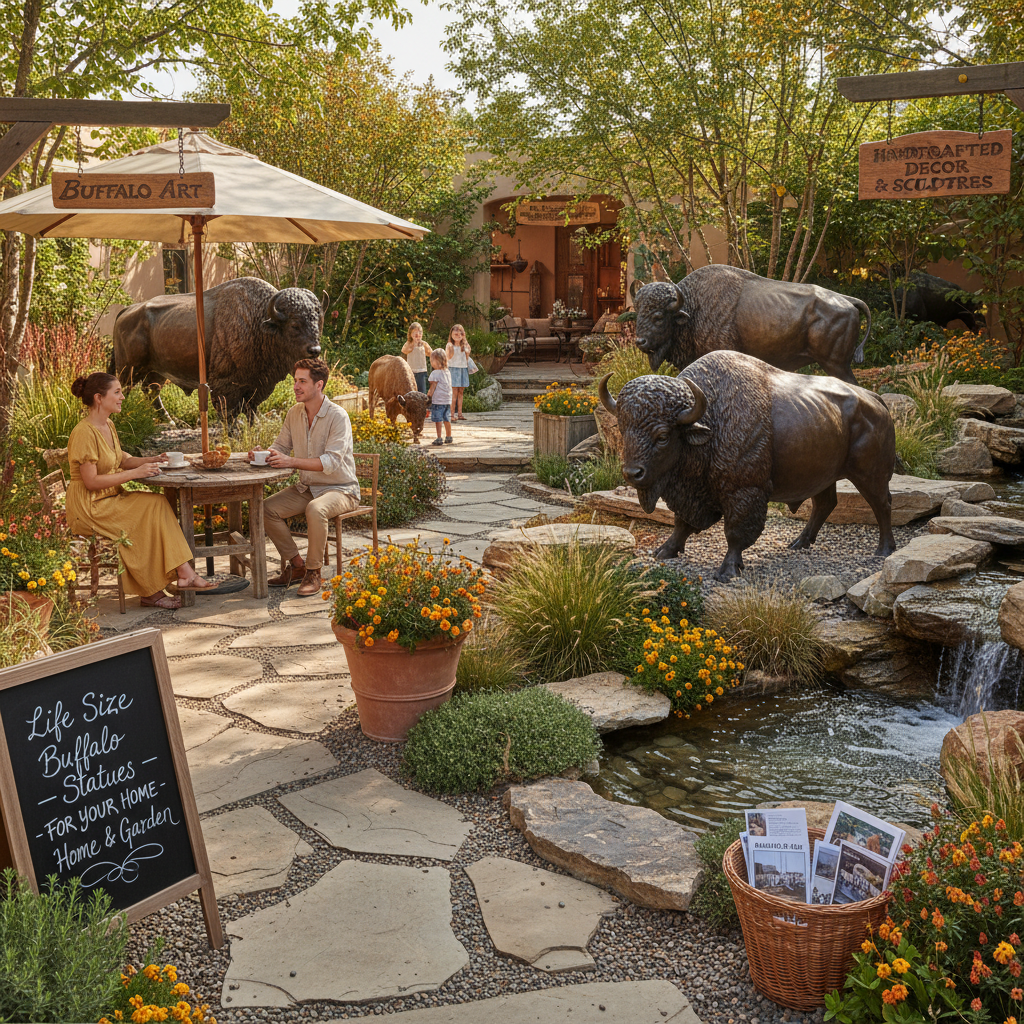
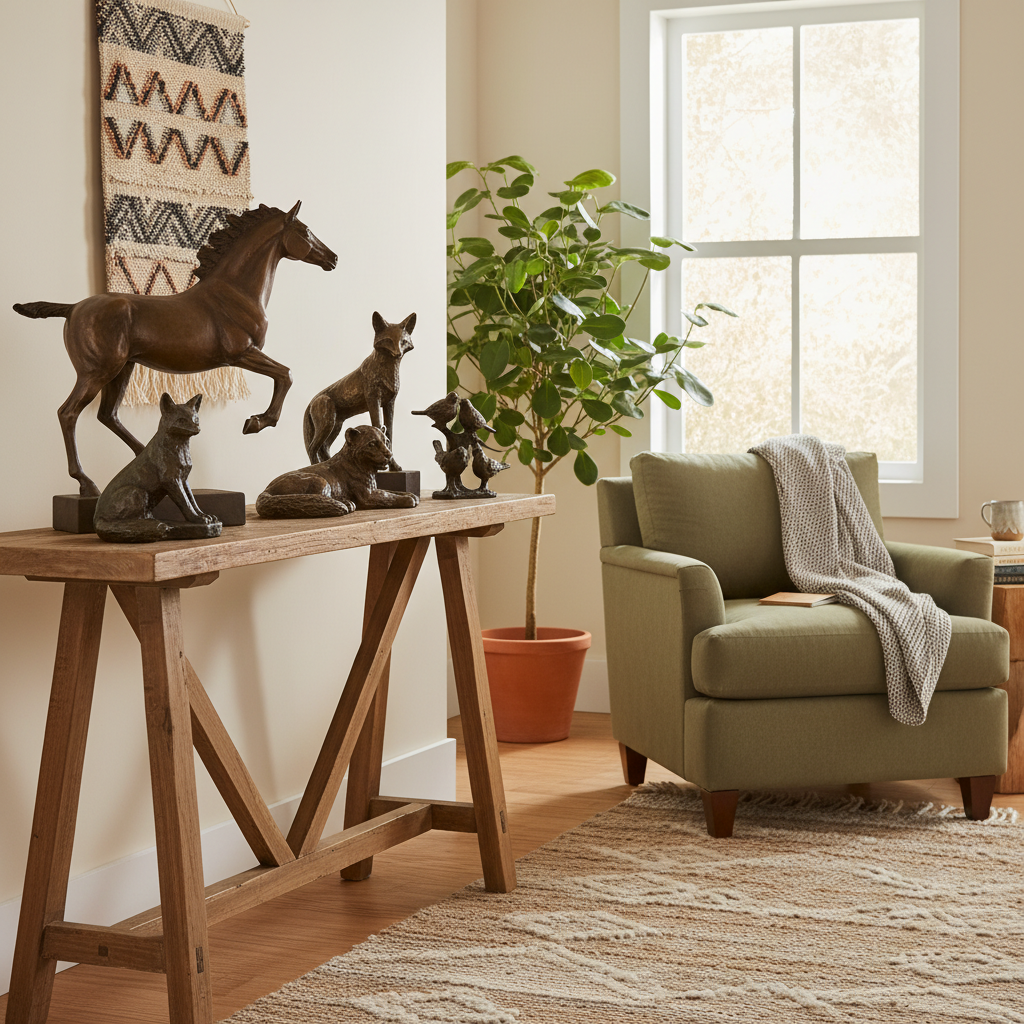
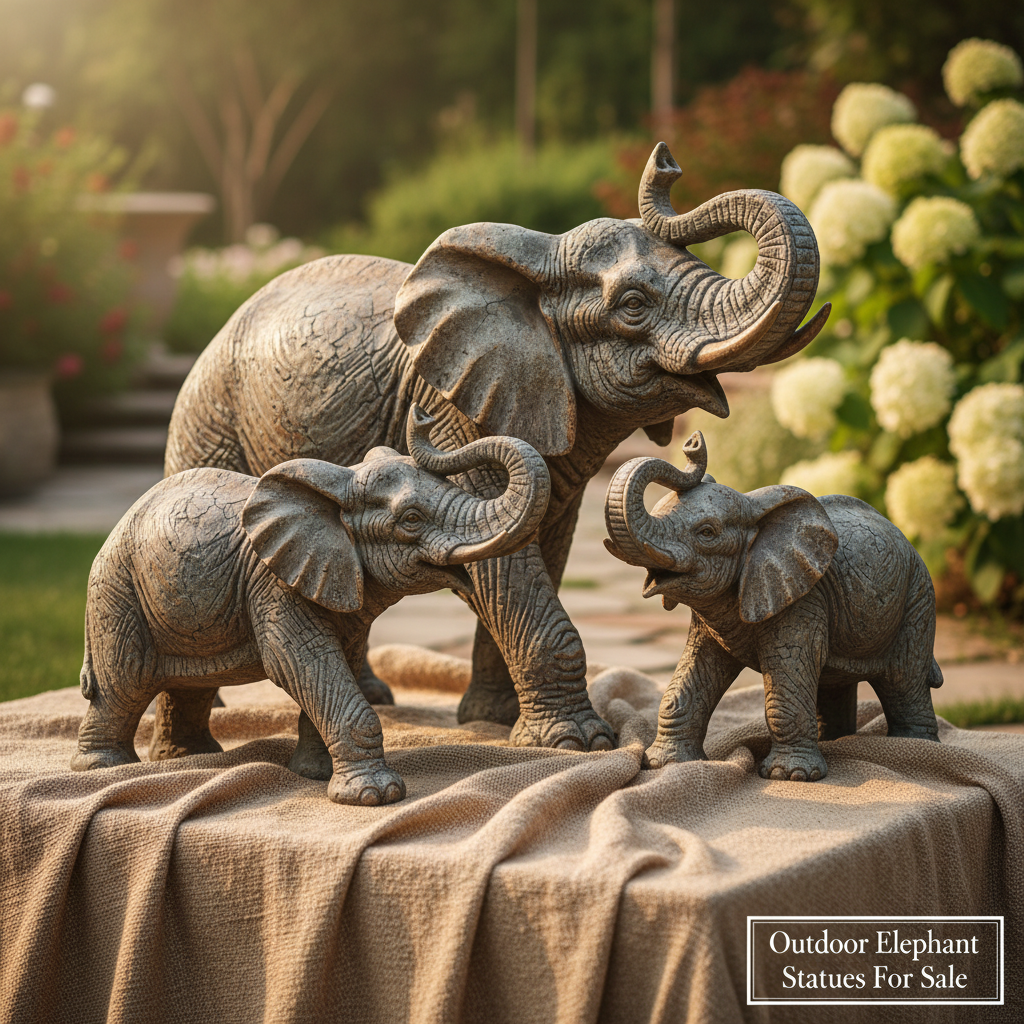
Custom statues are more than just artistic representations; they are powerful symbols of commemoration, celebration, and identity. Globally, the demand for bespoke sculptural works is steadily increasing, driven by a desire for unique, personalized pieces that reflect individual stories and collective memories. This growth isn’t limited to affluent markets; developing nations are also investing in statues as landmarks, cultural attractions, and tools for national branding. Understanding the intricacies of commissioning, creating, and maintaining custom statues is crucial for artists, designers, public officials, and anyone involved in preserving cultural heritage and fostering civic pride.
The industry surrounding custom statues is evolving rapidly, incorporating advancements in materials science, digital modeling, and fabrication techniques. From traditional bronze casting to cutting-edge 3D printing, the possibilities for realizing artistic visions are expanding. However, this progress brings challenges related to material sustainability, ethical sourcing, and the preservation of traditional craftsmanship. Navigating these complexities requires a comprehensive understanding of the entire process, from initial concept to final installation.
Ultimately, the value of custom statues extends beyond their aesthetic appeal. They contribute to the cultural landscape, stimulate local economies, and provide lasting legacies for generations to come. A clear understanding of the considerations involved in creating these monuments is essential for ensuring their enduring significance.
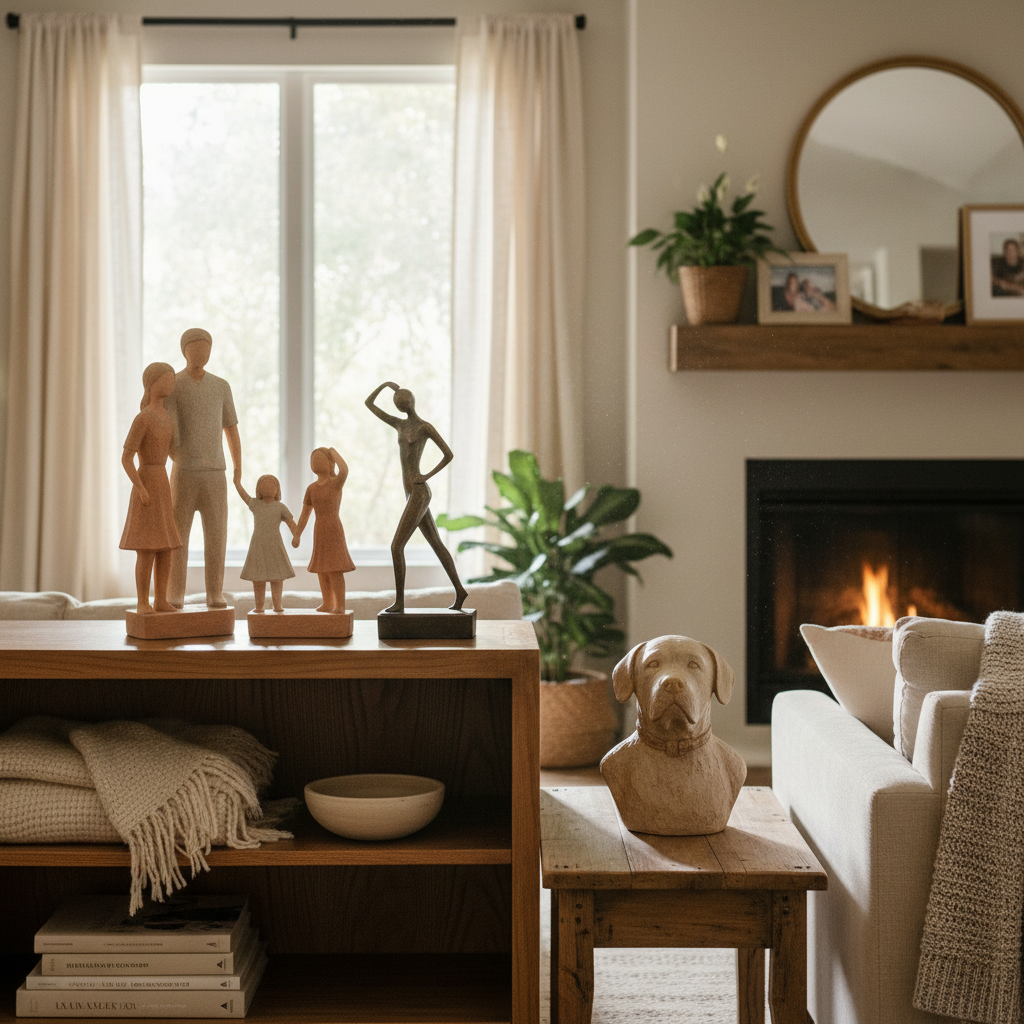
The Significance of Custom Statues
Throughout history, custom statues have served as vital expressions of cultural identity and historical narrative. From ancient monuments to modern public art, these sculptures embody the values, beliefs, and achievements of societies across the globe. Commissioning a custom statue is a deliberate act—a commitment to preserving a legacy and creating a lasting symbol for future generations. This goes beyond mere aesthetic appeal, tapping into a deep-seated human need for remembrance and representation.
The process itself is deeply collaborative, requiring a close partnership between the artist, the commissioner, and skilled artisans. This collaboration ensures that the final piece accurately reflects the vision and intent of all stakeholders. Furthermore, the creation of custom statues often stimulates local economies, supporting employment in fields like sculpting, metalworking, and transportation.
Defining Custom Statues
Custom statues are sculptural artworks created to specific client specifications. Unlike mass-produced figurines or standardized monuments, these pieces are uniquely designed and crafted to reflect the individual preferences, stories, or commemorations of the commissioning party. This customization extends to every aspect of the statue, including the subject matter, pose, materials, size, and finish.
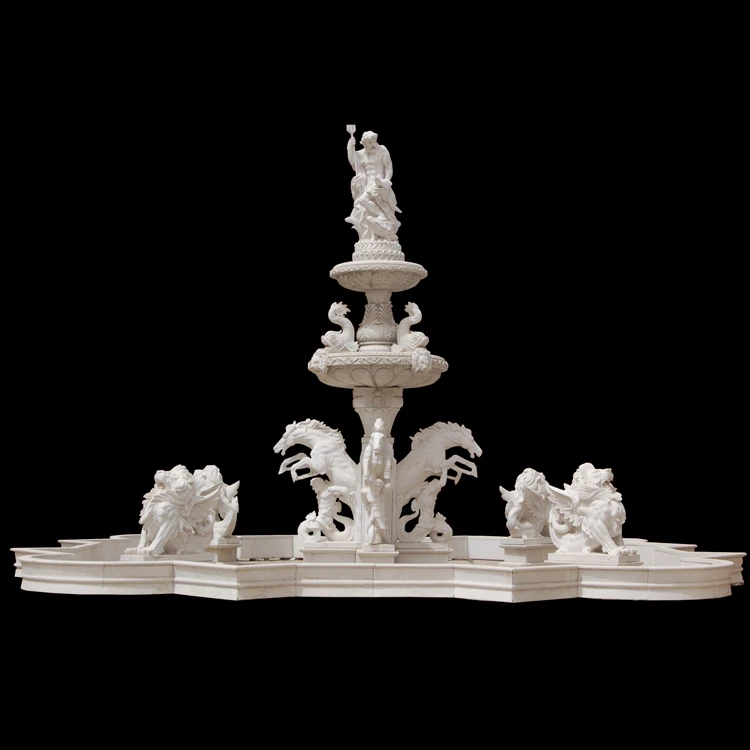
The creation of custom statues bridges the gap between artistic expression and practical application. They are often commissioned for public spaces, private collections, memorial parks, or corporate settings. A bespoke statue can become a focal point, enhancing the aesthetic appeal of a location while simultaneously conveying a powerful message or honoring a significant individual or event.
In the modern industry, custom statues are not merely relics of the past, but a thriving art form supported by advanced technologies and a renewed appreciation for handcrafted quality. This demand supports artists and specialized workshops around the world, preserving traditional sculpting skills while embracing innovative techniques.
Key Components of Custom Statue Creation
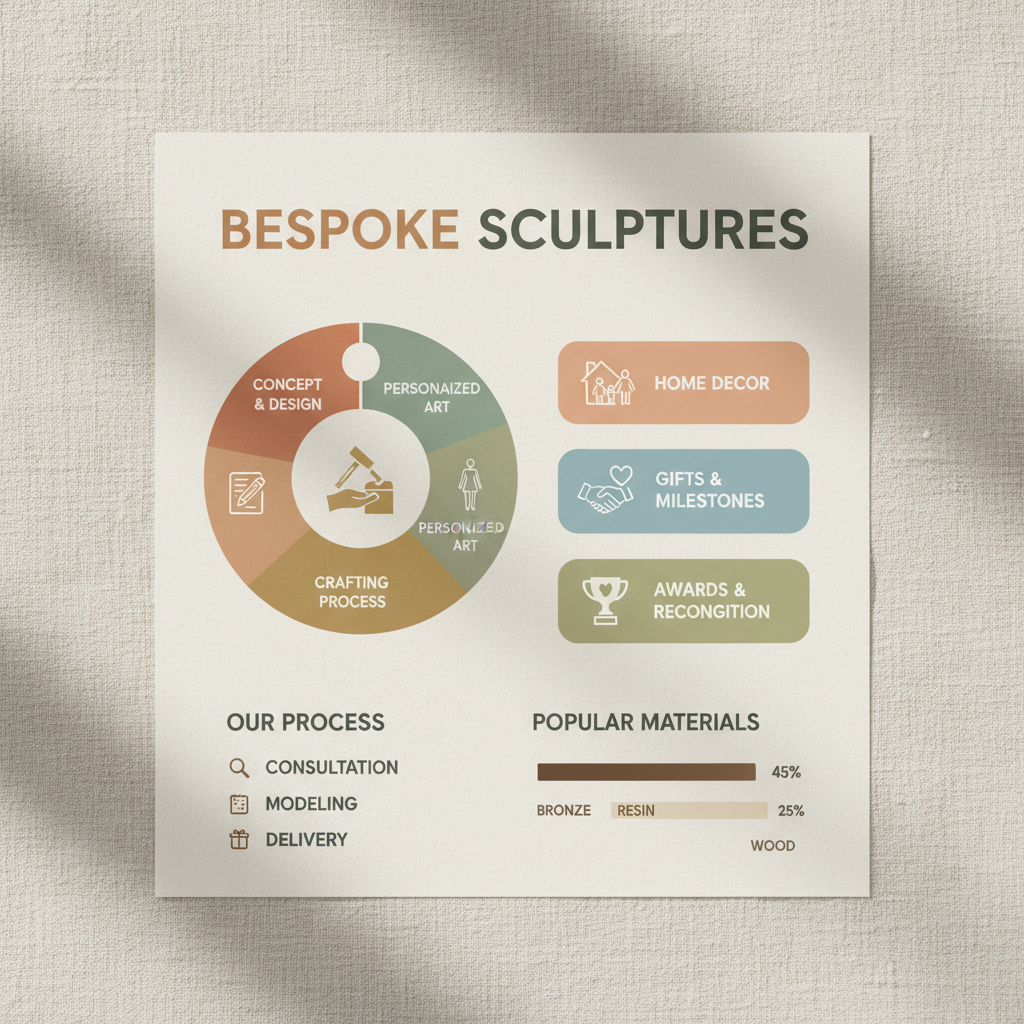
The creation of a custom statue involves a multifaceted process, reliant on several key components working in harmony. First, a comprehensive design phase, where the artist collaborates with the client to develop detailed sketches, models, and conceptual renderings. This initial phase is critical to ensuring the final product meets expectations.
Secondly, material selection is paramount. The choice of bronze, marble, stainless steel, or other materials dictates the statue’s durability, aesthetic qualities, and long-term maintenance requirements. Thirdly, the sculpting process itself—whether employing traditional hand-carving techniques or modern 3D modeling and casting—demands exceptional skill and precision.
Finally, the finishing and installation stages are crucial for ensuring the statue’s integrity and visual impact. This includes surface treatments, protective coatings, and careful placement to maximize its artistic presence and withstand environmental factors. Each of these components contributes to the overall quality and longevity of the custom statue.
Material Durability and Techniques
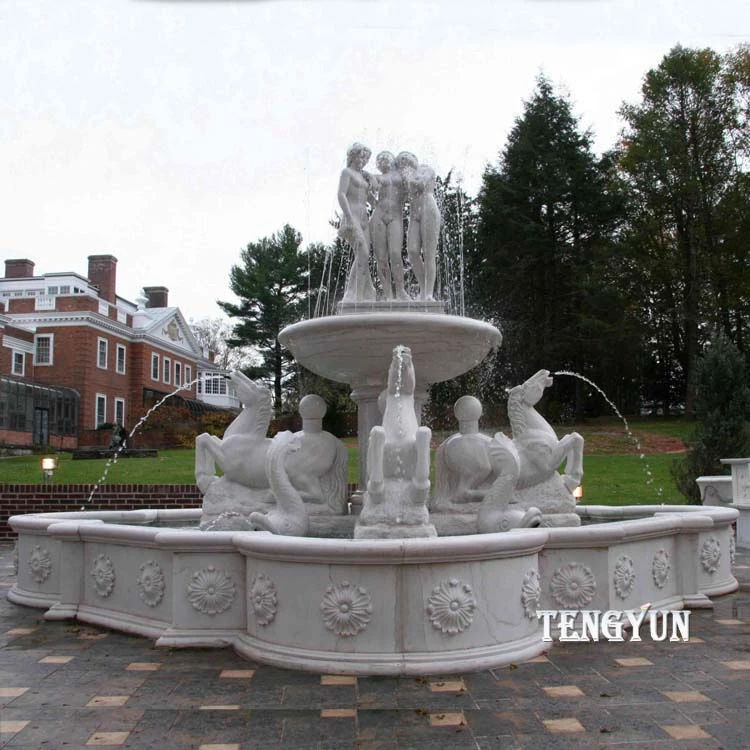
The longevity and aesthetic appeal of custom statues are heavily influenced by the materials used and the techniques employed in their creation. Bronze, renowned for its strength, corrosion resistance, and rich patina, remains a popular choice for outdoor sculptures. Stainless steel offers similar durability with a sleek, modern aesthetic. Marble, while requiring more maintenance, provides a timeless elegance and allows for incredibly detailed carving.
Modern techniques, such as 3D printing in materials like resin or metal, are revolutionizing the industry, enabling the creation of complex forms and intricate details that were previously impossible. However, it’s essential to consider the long-term performance of these newer materials and their resistance to weathering and environmental degradation. The fusion of traditional craftsmanship with innovative technology is the key to creating statues that endure for generations.
Custom Statue Material Performance Comparison
Global Applications of Custom Statues
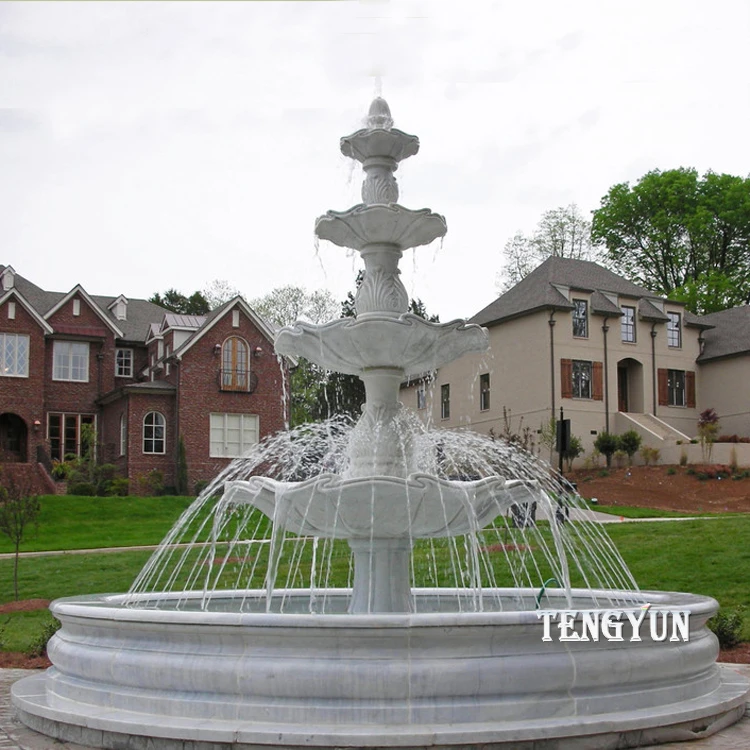
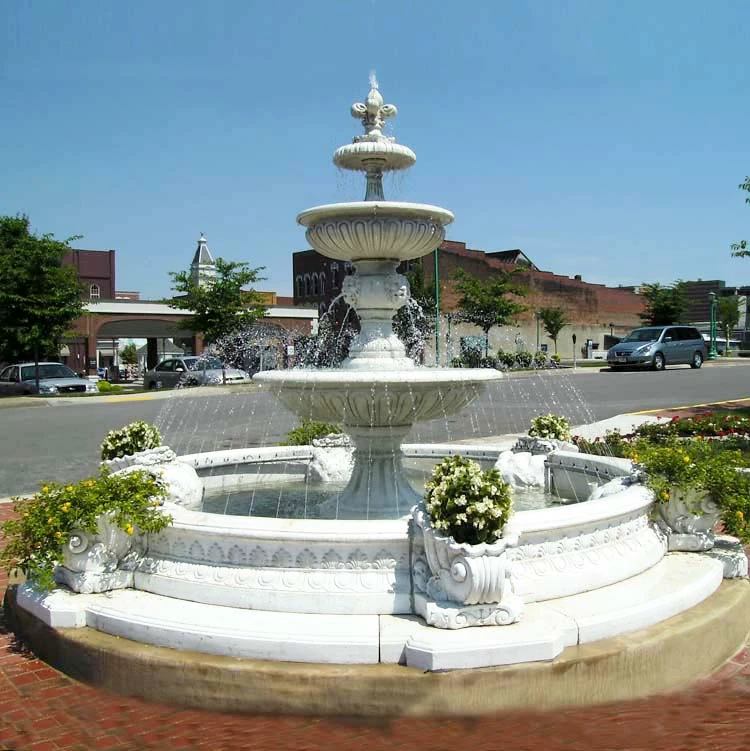
Custom statues find applications across a remarkably diverse range of settings worldwide. In public spaces, they serve as landmarks, historical markers, and tributes to important figures. Cities frequently commission statues to enhance their cultural identity and attract tourism, investing in custom statues that reflect their unique heritage.
Private collectors often commission statues to adorn their homes, gardens, or estates, seeking personalized artworks that express their individual tastes and values. Corporate entities utilize statues as branding elements, creating impressive focal points for their headquarters or public-facing spaces. Memorial parks and cemeteries also rely on custom statues to provide lasting tributes to loved ones.
Advantages and Long-Term Value
Investing in custom statues offers numerous advantages beyond aesthetic appeal. They represent a tangible, lasting asset that appreciates in value over time. A well-crafted statue can become a cherished heirloom, passed down through generations, preserving memories and cultural heritage. The durability of materials like bronze and stainless steel ensures longevity, minimizing maintenance costs and maximizing the return on investment.
Furthermore, custom statues contribute to a sense of community pride and civic engagement. They provide opportunities for storytelling, education, and artistic appreciation. From an economic perspective, commissioning a statue supports local artisans and businesses, stimulating economic growth and preserving traditional skills.
The long-term value is not merely financial, but also lies in the emotional connection they forge with viewers. A thoughtfully designed statue can inspire awe, evoke emotion, and create a lasting impression on those who encounter it.
Future Trends in Custom Statue Design
The future of custom statue design is poised for innovation, driven by advancements in technology and a growing emphasis on sustainability. We are likely to see increased use of 3D printing, allowing for more intricate and complex forms, as well as the exploration of new and eco-friendly materials, such as recycled metals and bio-based plastics. Digital sculpting techniques will become even more refined, enabling artists to create highly detailed virtual models before physical fabrication.
Augmented reality (AR) and virtual reality (VR) technologies will play an increasingly significant role in the design process, allowing clients to visualize their statues in real-world settings before commissioning. A greater focus on interactive sculptures—incorporating lighting, sound, or kinetic elements—will create more engaging and immersive experiences for viewers.
Key Factors Influencing the Future of Custom Statue Design
| Technology Integration |
Material Innovation |
Sustainability Practices |
Artistic Expression |
| Increased adoption of 3D scanning and printing for rapid prototyping. |
Exploration of recycled and bio-degradable materials. |
Reduction of carbon footprint in the manufacturing process. |
Fusion of traditional techniques with digital artistry. |
| Integration of AR/VR for client visualization. |
Development of self-healing and corrosion-resistant alloys. |
Implementation of circular economy principles for material reuse. |
Greater emphasis on storytelling and narrative in sculptural design. |
| Use of AI to assist in design optimization and structural analysis. |
Research into lightweight and high-strength composites. |
Ethical sourcing of materials and fair labor practices. |
Experimentation with kinetic elements and interactive features. |
| Automated sculpting processes for increased efficiency. |
Development of materials that mimic natural stone textures. |
Reduced waste generation through optimized manufacturing processes. |
Increased collaboration between artists and engineers. |
| Remote design and fabrication capabilities. |
Biodegradable polymer resins for temporary installations. |
Life cycle assessment of materials and processes. |
Greater integration of public art into urban planning. |
| Data-driven design based on viewer interaction analysis. |
Self-cleaning and anti-graffiti coatings. |
Promotion of local craftsmanship and traditional skills. |
Exploration of new forms and aesthetics inspired by nature. |
FAQS
The timeline for creating a custom statue varies significantly based on its size, complexity, and the materials used. However, a typical project can take anywhere from 6 to 18 months. The initial design phase and securing approvals usually take 2-3 months. Sculpting or casting can take 4-12 months, and the final finishing and installation process adds another 1-3 months. Factors like the artist's availability and material sourcing can also impact the timeline.
The cost of a custom statue is highly variable, dependent on factors such as size, material, the artist’s reputation, and the intricacy of the design. Smaller, simpler statues in materials like resin can start around $5,000. Larger, more complex statues in bronze or marble can easily exceed $100,000 or even several million dollars. A detailed proposal outlining all costs should be obtained from the artist or studio before commencing work.
For outdoor custom statues, bronze and stainless steel are the most frequently chosen materials due to their exceptional durability and resistance to weathering. Bronze develops a beautiful patina over time, while stainless steel maintains a sleek, modern appearance. Stone, like granite or marble, is also used but requires more frequent maintenance. Resin and other polymers are less suitable for long-term outdoor exposure without protective coatings.
Commissioners typically have a significant level of involvement in the design process, from initial concept development to final approval of the sculpture. The artist will work closely with you to understand your vision, preferences, and any specific requirements. Regular updates, sketches, and 3D models will be provided for your feedback. Ultimately, the goal is to create a statue that accurately reflects your intent and exceeds your expectations.
The maintenance requirements for a custom statue depend on the material and the environment. Bronze statues may benefit from occasional waxing to maintain their patina. Stainless steel statues require periodic cleaning to remove dirt and grime. Stone statues may need to be sealed to protect against water damage. Regular inspection for cracks or other damage is recommended for all materials, and professional cleaning and restoration services should be engaged as needed.
Absolutely. A reputable artist or studio will be happy to provide a portfolio of their previous work, showcasing their skills and artistic style. This allows you to assess their capabilities and determine if they are a good fit for your project. Visiting completed installations is also highly recommended, if possible, to see the quality of their work firsthand.
Conclusion
Custom statues represent a unique blend of art, craftsmanship, and cultural significance. They serve as powerful symbols of remembrance, celebration, and identity, enriching our public spaces and private collections. Understanding the complexities of their creation—from material selection and sculpting techniques to installation and maintenance—is crucial for ensuring their enduring legacy.
As technology continues to advance and sustainable practices become increasingly important, the future of custom statue design is brimming with potential. Embracing innovation while preserving traditional skills will enable artists to create increasingly stunning and meaningful works of art for generations to come. If you're considering commissioning a custom statue, we invite you to explore the possibilities and create a lasting tribute that reflects your vision. Visit our website to learn more.
Post time:Mar . 02, 2026 06:17