The pursuit of spiritual equilibrium and mental clarity has led many to integrate sacred art into their living and meditation spaces. Among the most revered symbols of peace, the shakyamuni buddha statue stands as a testament to the journey toward enlightenment, offering a visual anchor for those seeking mindfulness in an increasingly chaotic world.
Across the globe, the integration of Buddhist iconography in architecture and interior design has transitioned from purely religious contexts to holistic wellness environments. Whether placed in a dedicated temple or a modern home sanctuary, these sculptures serve as silent teachers of patience and compassion, bridging the gap between ancient wisdom and contemporary life.
Choosing a high-quality shakyamuni buddha statue requires an understanding of both the artistic craftsmanship and the spiritual symbolism involved. From the choice of natural white marble to the precision of the Dhyana Mudra, every element contributes to an atmosphere of serenity and spiritual awakening.
The Artistic Significance of the Shakyamuni Buddha Statue
The artistic creation of a shakyamuni buddha statue is not merely a process of carving stone, but a meditative act of devotion. By capturing the serene expression and the flowing robes of the enlightened one, artisans transform raw natural marble into a vessel of tranquility. The precision required to evoke a sense of inner peace through stone is what separates a commercial product from a true piece of spiritual art.
In the context of global art history, these sculptures represent a fusion of theological precision and aesthetic grace. Each line and curve is designed to lead the viewer's eye toward the center of the sculpture, mimicking the inward journey of meditation itself. This artistic approach ensures that the statue functions as more than a decoration; it becomes a spiritual presence.
Material Excellence in Sacred Sculpture
The choice of 100% natural white marble is fundamental to the impact of a shakyamuni buddha statue. White marble is prized globally for its luminosity and purity, qualities that align perfectly with the Buddhist concept of enlightenment. Its natural veins and subtle translucency allow light to play across the sculpture's surface, creating a dynamic yet calming visual experience.
From a technical standpoint, natural marble offers a unique balance of workability and durability. Skilled artisans can achieve intricate details—such as the delicate folds of the robes and the soft contours of the face—while ensuring the structure remains robust. This material integrity is crucial for sculptures intended to last for generations as family heirlooms or temple centerpieces.
Moreover, the inherent properties of marble make it an excellent choice for both indoor and outdoor environments. While it provides a refined, polished look for interior sanctuaries, its density allows it to withstand the elements when placed in a Zen garden, provided it is properly maintained. This versatility ensures that the spiritual aura of the sculpture is preserved regardless of its location.
Symbolism and the Dhyana Mudra Pose
The seated lotus position of a shakyamuni buddha statue is a powerful symbol of stability and groundedness. In this pose, the Buddha is depicted in deep meditation, representing the moment of ultimate awakening. The physical alignment of the body suggests a state of perfect balance, encouraging the observer to find their own center of gravity amidst life's turbulence.
Central to this depiction is the Dhyana Mudra, where the hands are folded in the lap. This specific gesture is the seal of meditation, signifying the concentration of the mind and the cessation of worldly distractions. When integrated into a shakyamuni buddha statue, this mudra transforms the object into a focal point for mindfulness practice, guiding the practitioner toward a state of profound inner silence.
The flowing robes and gentle expression further enhance the narrative of compassion and detachment. By removing the stressors of the physical world through artistic minimalism, the sculpture invites the viewer to shed their own burdens. The result is a harmonious interaction between the stone, the symbol, and the spirit of the beholder.
Comparing Sculpture Materials for Longevity
When selecting a sculpture for a sacred space, the material choice directly impacts the long-term value and aesthetic evolution of the piece. While bronze offers strength and fiberglass provides lightweight flexibility, natural marble is often preferred for its spiritual purity and timelessness. The way marble ages, developing a subtle patina over decades, adds to the historical weight of the sculpture.
Understanding the technical trade-offs between materials helps collectors make informed decisions based on the intended environment. For instance, a statue placed in a humid outdoor garden requires different properties than one housed in a climate-controlled meditation room. Natural marble strikes a professional balance, offering high resistance to decay while maintaining a luxury finish.
Comparative Material Performance for Buddha Statues
Ideal Placement for Zen Garden Sculptures
The placement of a shakyamuni buddha statue is as important as the sculpture itself, as the environment dictates the energy of the space. In a traditional Zen garden, the statue should be positioned as the focal point, often surrounded by raked gravel or smooth river stones to symbolize the flow of water and the stillness of the mind. Placing the sculpture in a north-facing or quiet corner can enhance the feeling of seclusion and peace.
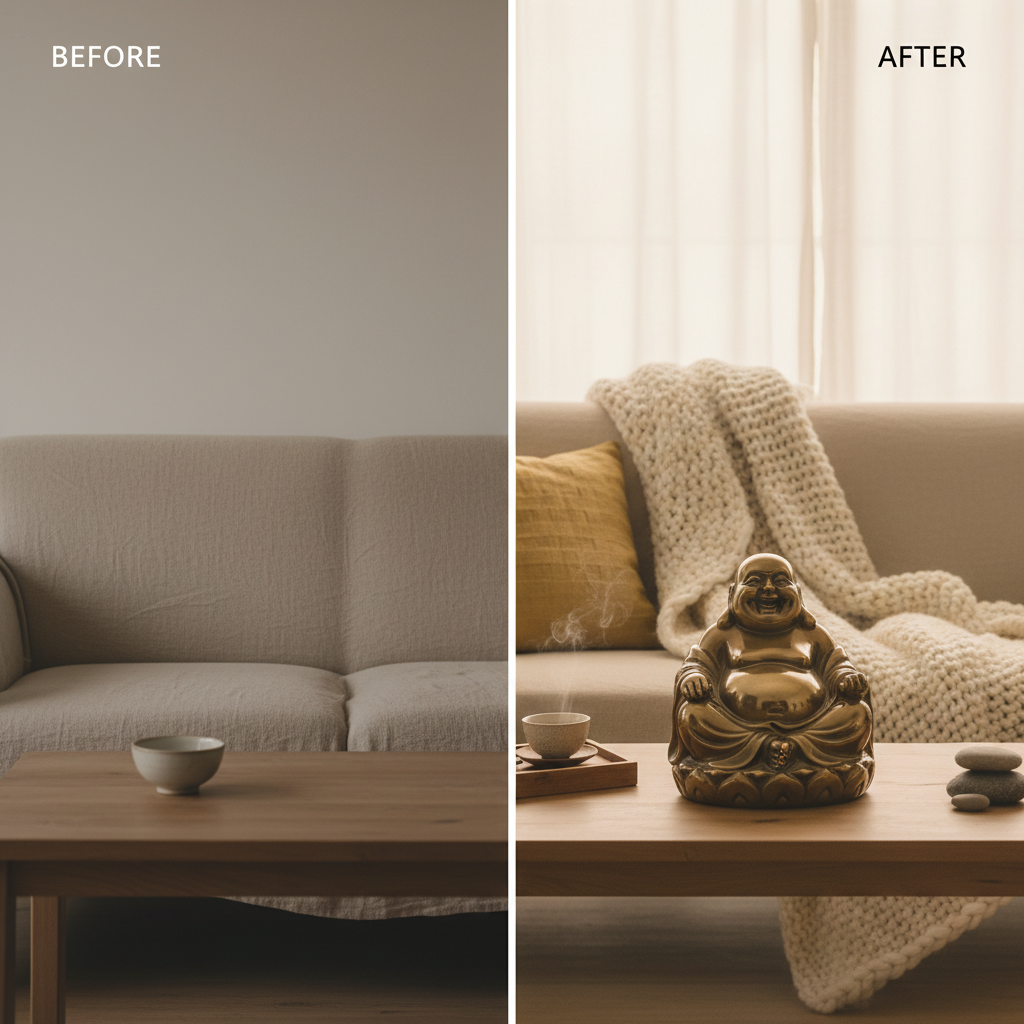
For interior settings, such as a home meditation room or a yoga studio, the statue should be elevated on a pedestal or altar to show reverence. Avoiding high-traffic areas ensures that the sculpture remains a sanctuary of stillness rather than a mere decorative object. By creating a dedicated "sacred zone" around the sculpture, the owner fosters a psychological trigger that signals the brain to enter a state of relaxation and mindfulness.
Maintenance of Natural White Marble Statues
Preserving the pristine white finish of a shakyamuni buddha statue requires a gentle yet consistent maintenance routine. Because natural marble is porous, it can be susceptible to staining if exposed to acidic substances or harsh chemicals. The best practice for cleaning is to use a soft, damp microfiber cloth and a pH-neutral stone cleaner, avoiding abrasive scrubs that could scratch the polished surface.
For sculptures located outdoors, protection against the elements is key to ensuring timeless beauty. While marble is weather-resistant, periodic applications of a breathable stone sealant can prevent moisture penetration and discourage the growth of moss or algae in damp climates. This preventative measure ensures that the purity of the white marble remains vibrant through the changing seasons.
Dusting is the most frequent requirement, especially for indoor statues. A soft brush can be used to carefully remove particles from the intricate folds of the robes and the crevices of the lotus position. Regular care not only maintains the physical appearance of the sculpture but also serves as a ritualistic act of mindfulness for the owner.
Customization and Scaling for Sacred Spaces
Every sacred space has unique dimensions and energy requirements, which is why customization is a vital service in the production of a shakyamuni buddha statue. Whether a client requires a miniature piece for a personal desk or a monumental sculpture for a public temple, the proportions must be scaled accurately to maintain the spiritual integrity of the pose. Scaling involves more than just changing size; it requires adjusting the depth of the carving to ensure details remain visible from a distance.
Customization also extends to the finish and specific artistic nuances. Some practitioners prefer a high-gloss polished finish to emphasize the luminosity of the marble, while others opt for a matte or satin finish to evoke a more ancient, weathered feel. By working closely with experienced stone carvers, clients can ensure that the final piece resonates with their specific spiritual intention.
Finally, the integration of the statue into a larger architectural plan often requires the creation of custom bases or accompanying marble elements, such as flowerpots or pillars. This holistic approach to design ensures that the sculpture does not stand in isolation but is part of a cohesive environment dedicated to peace and wisdom.
Analysis of Customization Options for Sacred Marble Sculptures
| Customization Dimension |
Available Options |
Impact on Aesthetics |
Recommended Use Case |
| Physical Scale |
Miniature to Monumental |
Alters focal presence |
Home vs. Public Temple |
| Surface Finish |
Polished, Matte, Satin |
Changes light reflection |
Modern vs. Traditional Zen |
| Marble Grade |
Pure White, Veined, Cream |
Affects visual purity |
Symbolic purity requirements |
| Base Design |
Lotus Base, Square, Circular |
Adds structural height |
Altar integration |
| Carving Detail |
High-Relief, Subtle, Classic |
Impacts visual complexity |
Close-up viewing areas |
| Protective Coating |
UV-Resistant, Waterproof |
Preserves color longevity |
Outdoor garden placement |
FAQS
Natural white marble is an excellent choice for outdoor use due to its inherent density and weather-resistant properties. To maximize longevity, we recommend applying a professional stone sealant to prevent moisture penetration and protect the surface from environmental staining, ensuring the statue remains a timeless centerpiece in your Zen garden.
Yes, the Dhyana Mudra, where the hands are folded in the lap, is the gesture of deep meditation. It symbolizes the concentration of the mind and the attainment of spiritual equilibrium. In a shakyamuni buddha statue, this pose is intended to inspire the viewer to seek their own inner peace and mindfulness.
Avoid using acidic cleaners or abrasive sponges. The safest method is to use a soft microfiber cloth dampened with water and a pH-neutral stone soap. Gently wipe the surface and dry it immediately to prevent water spots. For intricate areas, a soft-bristled brush can be used to remove dust.
Absolutely. We offer full customization services to ensure the sculpture fits your specific space. Whether you need a small accent piece or a large-scale monumental statue, our artisans scale the proportions carefully to maintain the spiritual and artistic integrity of the original design.
While fiberglass is lighter and more affordable, natural white marble is superior in terms of longevity, spiritual symbolism, and luxury. Marble provides a weight and presence that resin cannot replicate, and its purity is deeply aligned with Buddhist values of enlightenment, making it the preferred choice for sacred spaces.
It is generally recommended to place the statue in a quiet, clean area away from high-traffic zones. A north-facing wall or a dedicated meditation corner is ideal. Ensure the statue is elevated on a table or pedestal to show respect and keep it away from the floor.
Conclusion
The integration of a shakyamuni buddha statue into a home or garden is more than a design choice; it is a commitment to maintaining a space of peace, wisdom, and spiritual awakening. From the meticulous hand-carving of premium natural white marble to the profound symbolism of the Dhyana Mudra, these sculptures serve as enduring reminders of the path toward enlightenment and inner balance.
As we move toward a future where mindfulness and mental wellness are increasingly prioritized, the value of authentic, artisan-crafted sacred art will only grow. By investing in a high-quality stone sculpture, you are not only enhancing your environment but also creating a legacy of tranquility for future generations. Visit our website: www.firststatue.com to find the perfect spiritual anchor for your space.