The world of art statues transcends mere decoration, serving as a timeless bridge between human emotion and physical form. From the grand plazas of European cities to the intimate corners of modern residential gardens, these sculptural works capture the essence of beauty, philosophy, and history. Understanding the value of these pieces requires an appreciation for both the artistic vision and the technical mastery involved in their creation.
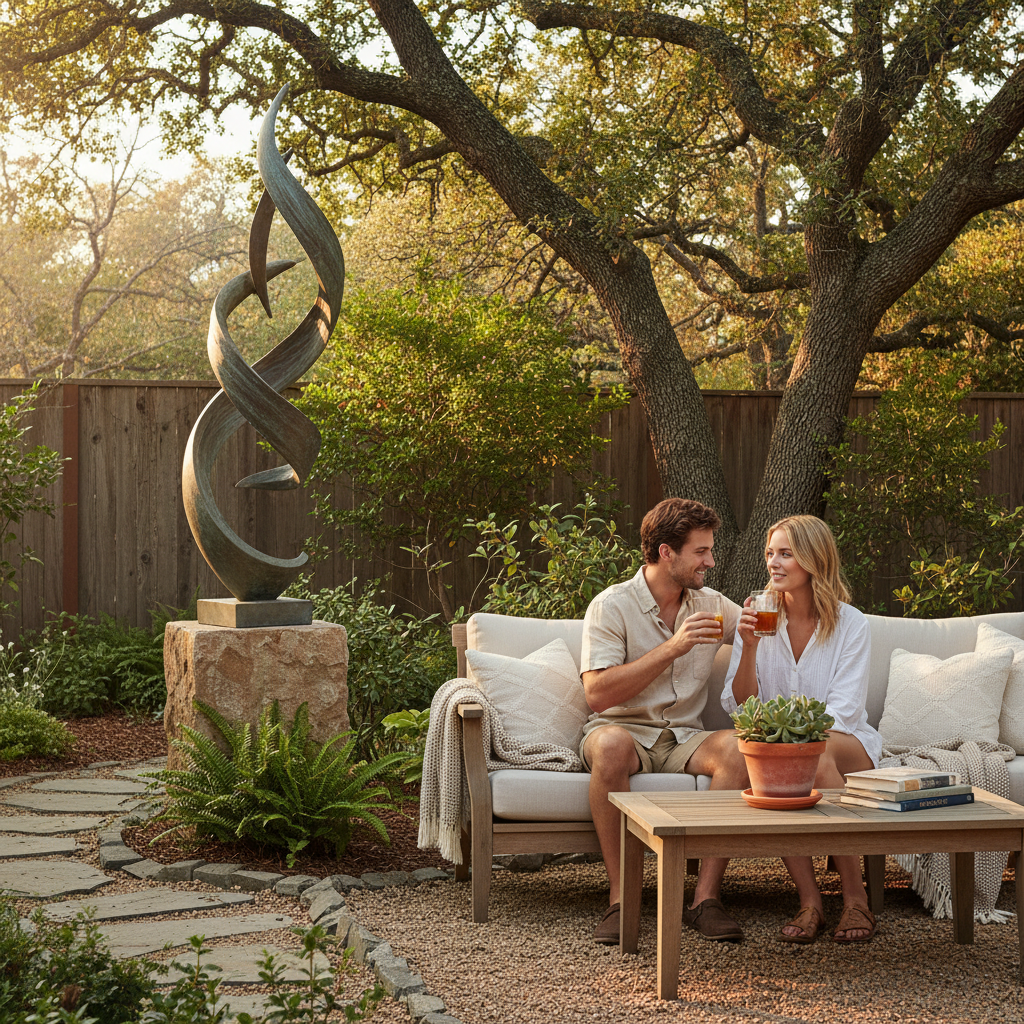
In the contemporary market, there is a growing demand for sculptures that challenge traditional realism. Abstract forms, such as those inspired by the legendary Lynn Chadwick, allow viewers to project their own emotions and interpretations onto the work. This shift toward non-objective art reflects a global trend in urban planning and interior design, where the goal is to inspire reflection and intangible experiences rather than simply portraying a recognizable subject.
However, the challenge for many collectors and developers is finding the balance between artistic expression and material durability. Whether it is a bronze figure designed to withstand centuries of weathering or a marble bust for an elegant interior, the choice of material and casting technique determines the longevity of the artwork. For those seeking high-quality art statues, understanding the nuances of materials like bronze, stainless steel, and marble is essential for a lasting investment.
The Artistic Essence of Abstract Bronze Statues
Abstract art statues represent a departure from traditional realistic styles, focusing instead on geometrical forms and the reduction of recognizable characteristics. By experimenting with space and form, abstract sculpture aims to trigger a visceral emotional response and deep reflection in the viewer. For example, works inspired by Lynn Chadwick utilize striking triangular forms and distinctively shaped heads—rectangular for males and triangular for females—to create a unique visual language that transcends storytelling.
This non-objective approach makes such sculptures highly popular for park displays and modern corporate gardens. Rather than telling a specific story, they provide an ornamental focal point that invites curiosity. The use of exaggerated body parts or simplified silhouettes allows the artwork to remain timeless, ensuring that the piece remains relevant regardless of changing cultural trends.
Material Superiority in Sculpture Casting
Bronze remains the gold standard for high-end art statues due to its exceptional physical properties. It possesses high strength, high hardness, and strong plasticity, making it the ideal medium for casting intricate details and bold, sweeping forms. Furthermore, bronze is renowned for its wear resistance and corrosion resistance, which allows these artworks to endure the elements for hundreds of years without losing their structural integrity.
Beyond durability, the aesthetic appeal of bronze is unmatched. Its rich, bright color and ability to develop a natural patina over time add a layer of depth and history to the sculpture. Whether it is a life-size abstract couple or a detailed figure statue, bronze provides a sense of permanence and prestige that few other materials can emulate.
While bronze is a primary choice, other materials such as stainless steel, marble, and fiberglass are utilized depending on the project's requirements. Stainless steel offers a sleek, futuristic look for modern urban environments, while marble provides a classical elegance for indoor settings. However, for those seeking a combination of artistic flexibility and lifelong durability, bronze remains the most reliable choice.
Advanced Casting Techniques for Longevity
The quality of art statues is deeply dependent on the casting method used. While traditional lost-wax casting has been used for millennia, modern advancements have led to the adoption of silica sol casting. This improved technique provides a more refined finish and is specifically designed to prevent unwanted patina surfaces during the initial production phase.
Silica sol casting allows for greater precision in replicating the artist's original clay mold. This is particularly crucial for abstract works where the sharpness of a triangular head or the smoothness of a polished surface defines the entire aesthetic. By reducing imperfections in the casting process, manufacturers can ensure that the final bronze piece is a perfect 1:1 representation of the intended design.
Once cast, the surface treatment—whether polished to a mirror finish or treated with a specific chemical patina—further enhances the statue's character. This combination of advanced silica sol technology and artisanal finishing ensures that the sculpture remains a centerpiece of beauty for generations to come.
Scale and Customization in Modern Art
One of the greatest advantages of professional sculpture manufacturing is the ability to scale art statues to fit any environment. From small-scale tabletop pieces to monumental installations, the transition from a 1:1 clay mold to the final bronze cast allows for precise adjustments in size. Whether a client requires a life-size sitting couple for a private garden or a massive abstract piece for a city square, the manufacturer can adapt the proportions without sacrificing the artistic integrity.
Customization extends beyond size to include posture and design. With a professional design team capable of producing 3D drawings, CAD models, and rendering, clients can visualize their project before production begins. Even in cases where a client lacks a formal design, skilled mold artists can create custom-made sculptures from photographs alone, bringing a unique vision to life through experienced craftsmanship.
Material Preference for Custom Art Statues
Global Applications for Decorative Sculptures
The application of art statues spans a wide array of industries and environments. In urban planning, abstract bronze sculptures are frequently used in public parks and corporate plazas to create a sophisticated atmosphere and encourage public engagement. These pieces act as landmarks, increasing the aesthetic value of the surrounding real estate and providing a cultural touchstone for the community.
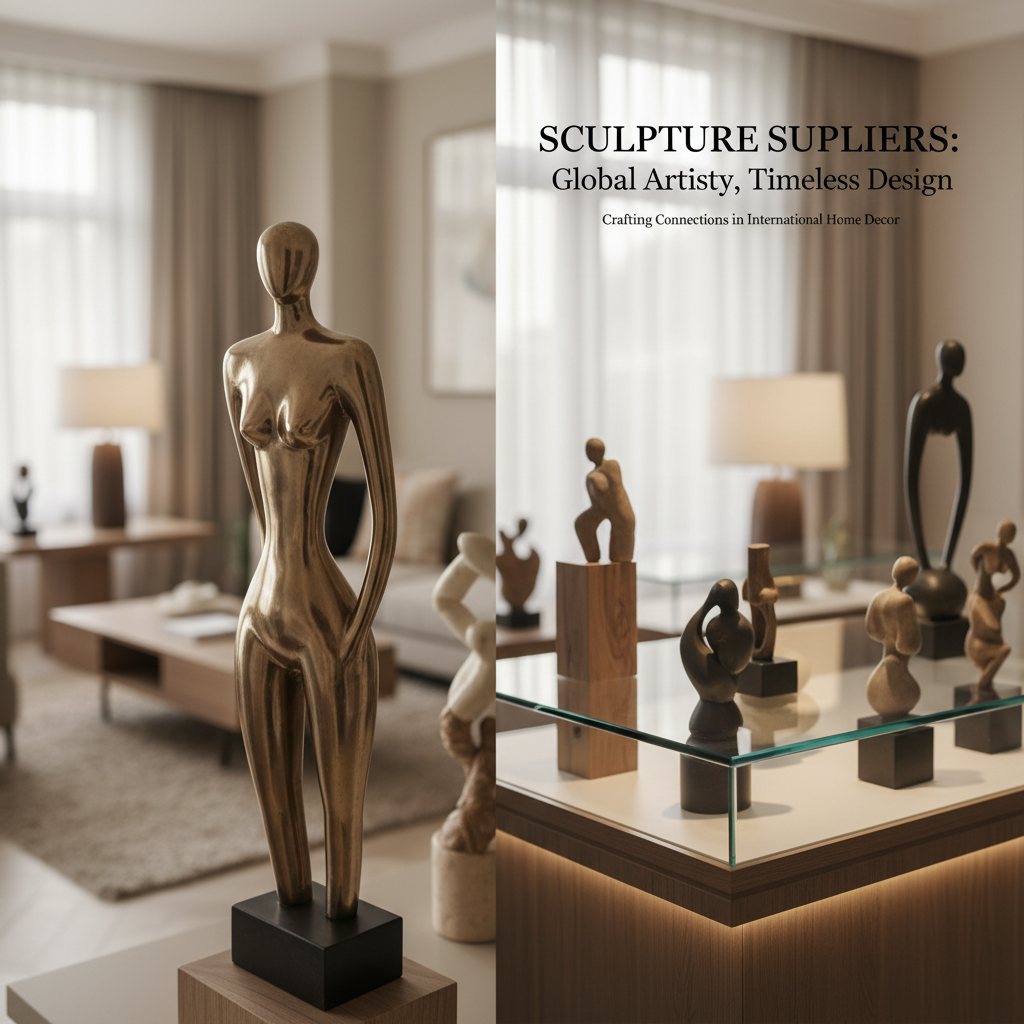
In private sectors, decorative sculptures are used to enhance the elegance of luxury interiors. For instance, nude female statues with artistic proportions—such as those with plump hips and thin arms—are often used in high-end residential spaces to combine art with reality, reflecting a sexy and soft beauty. From outdoor water fountains that blend sculpture with movement to marble pillars that evoke classical grandeur, the versatility of these works allows them to fit seamlessly into any architectural style.
The Value of Professional Design Integration
Investing in art statues is not just about purchasing a product, but about collaborating on a vision. A professional manufacturer provides a one-stop service that covers everything from pre-sales consultation and design to production and door-to-door transportation. This integration ensures that the final product aligns perfectly with the client's environment and expectations.
The role of the design team is critical, especially when creating custom pieces. By utilizing clay molds, 3D drawing, and video animation, the design process becomes transparent. This allows for free modifications until the client is fully satisfied, ensuring that the final cast captures the exact emotion and form intended.
Moreover, having a source factory eliminates the need for middlemen, providing the best possible price without compromising on quality. With decades of experience in exporting sculptures globally, professional manufacturers can handle the complexities of international shipping, ensuring that fragile artworks arrive safely at their final destination.
Comparing Material Performance for Outdoor Art
When selecting materials for art statues intended for outdoor use, durability is the primary consideration. Bronze and stainless steel are the most resilient options, as they can withstand temperature fluctuations and moisture. Bronze is particularly valued for its ability to last for hundreds of years, making it the preferred choice for public monuments and heritage sites.
Fiberglass and cast iron offer different advantages. Fiberglass is lightweight and highly versatile for large-scale animal sculptures or colorful decorative pieces, though it lacks the timeless prestige of metal. Cast iron is sturdy and cost-effective but may require more maintenance to prevent rust compared to the naturally corrosion-resistant properties of bronze.
Marble remains the pinnacle of luxury for both indoor and sheltered outdoor applications, such as gazebos and fountains. While it is more susceptible to acid rain than metal, its carving potential allows for an unmatched level of detail and classical beauty. The following table summarizes the key performance metrics for these common sculpture materials.
Comparative Analysis of Sculpture Materials for Art Statues
| Material Type |
Weather Resistance |
Detail Precision |
Lifespan (Estimated) |
| Bronze |
Excellent |
Very High |
Centuries |
| Stainless Steel |
Excellent |
High |
100+ Years |
| Marble |
Moderate |
Exceptional |
Centuries (Indoor) |
| Fiberglass |
Good |
Moderate |
20-50 Years |
| Cast Iron |
Fair |
Moderate |
50-100 Years |
| Corten Steel |
Superior |
Moderate |
100+ Years |
FAQS
Bronze is one of the most durable materials available for sculpture. Due to its high corrosion resistance and strength, bronze art statues can last for hundreds of years. Over time, they develop a natural patina that actually protects the underlying metal from further degradation, making them ideal for permanent public installations.
Yes. By starting with a 1:1 clay mold and using professional scaling techniques, manufacturers can produce sculptures in any size—from small desktop versions to monumental installations. The use of silica sol casting ensures that the intricate details of the original mold are preserved regardless of the final scale.
Silica sol casting is an improved version of the traditional lost-wax method. It provides a more refined surface and is specifically designed to prevent patina surfaces and casting defects during the process. This results in a cleaner, more precise finish that requires less post-production polishing.
Professional manufacturers provide full design services. Our team can create a sculpture based solely on reference pictures. We offer a complete pipeline including clay modeling, 3D CAD drawings, graphic rendering, and video animation to help you visualize the final piece before casting begins.
For a modern minimalist look, stainless steel or abstract bronze are the top choices. Stainless steel offers a contemporary, polished aesthetic, while abstract bronze—especially in the style of Lynn Chadwick—provides a sophisticated, artistic focal point that balances modernity with timeless value.
Yes, we provide a comprehensive one-stop service. This includes initial pre-sales consultation, design modifications, quotation, professional casting and polishing, and secure international transportation directly to your door, ensuring a seamless experience for the client.
Conclusion
In summary, art statues serve as a powerful medium for expressing human emotion and enhancing the beauty of our physical environments. From the technical superiority of silica sol bronze casting to the conceptual freedom of abstract forms, the quality of a sculpture is defined by the synergy between material choice and artistic vision. By prioritizing durability and professional design, collectors and urban planners can ensure that their investments remain culturally and aesthetically relevant for centuries.
As we move toward a future where urban spaces increasingly prioritize mental well-being and cultural enrichment, the role of public art will only grow. Investing in custom, high-quality sculptures is not merely a decorative choice but a commitment to preserving beauty and inspiring future generations. Whether you are looking for a bold abstract piece or a classical figure, we invite you to explore the possibilities of custom craftsmanship. Visit our website: www.firststatue.com