When budgeting for a high-end garden or architectural project, understanding the variables that influence stone carving price is essential for balancing artistic vision with financial reality. Many buyers struggle to distinguish between mass-produced casts and authentic hand-carved stone, leading to unexpected costs or disappointing quality. The valuation of a sculpture is rarely about the weight of the stone alone; it is a complex interplay of material rarity, carving complexity, and the artisan's technical mastery.
The variance in pricing becomes particularly evident when comparing a simple marble flowerpot to an intricate Bronze Figure Statue or a detailed Marble Relief. For commercial real estate developers or private collectors, these elements are not merely decorations but long-term assets that enhance property value. Because materials like natural marble and bronze react differently to environments, the initial investment must account for both the artistic execution and the long-term durability of the piece.
Navigating the procurement process requires a clear framework for evaluating quotes from global manufacturers. This guide analyzes the cost drivers of architectural stonework and provides a structured approach to selecting the right pieces for your environment. By examining the relationship between specifications and cost, we can help you determine a fair stone carving price based on actual production requirements.


The valuation of a stone carving begins with the raw material. Natural marble, for instance, varies in price based on the quarry's location, the purity of the stone, and the absence of structural veins that could cause cracking during the carving process. A seamless, high-grade white marble block commands a premium because it allows for finer detail in products like the Marble Angel Statue or Marble Bust Statue, whereas variegated stone may be better suited for larger, more abstract forms.
Beyond the material, the "technology" of the carve is a primary cost driver. There is a significant price gap between 100% hand-carved pieces and those utilizing CNC machine roughing with hand-finishing. True hand-carving requires an artisan to understand the stone's internal tension, ensuring that delicate features—such as the fingers of a figure or the folds of a robe—remain structurally sound while achieving a lifelike quality.
Customization is the most significant variable in determining the final quote. When a client requests a bespoke design, the process begins with a clay model or a 3D digital render. This pre-production phase involves multiple iterations to ensure proportions are correct, especially for large-scale works like the 9m high Zeus statue. The more complex the pose or the more detailed the texture, the more man-hours are required for the final carving stage.
The scale and volume of the project also influence the unit price. Larger pieces, such as Marble Pillars or large-scale animal sculptures, require specialized heavy lifting equipment and reinforced packing. The cost of a strong wooden case for international shipping is not negligible and is often integrated into the total price to ensure the piece arrives without structural damage.
Lastly, the required finish—whether it be a high-gloss polish, a matte satin effect, or a weathered antique look—adds a layer of labor. A mirror-like finish on a Marble Carved Bathtub requires hours of progressive sanding with increasingly fine grits, which directly adds to the labor cost compared to a rough-hewn natural finish.
Investment in high-quality stone carving should be viewed through the lens of lifecycle value rather than initial expenditure. While a lower-cost alternative might look similar in a catalog, the structural integrity and material purity of a professional carving ensure that the piece does not degrade under UV exposure or freeze-thaw cycles in outdoor environments.
The true value of a hand-carved sculpture lies in its durability and the prestige it adds to a site; a piece carved from premium natural marble with correct grain orientation will outlast synthetic alternatives by centuries, effectively reducing the long-term cost per year of use.
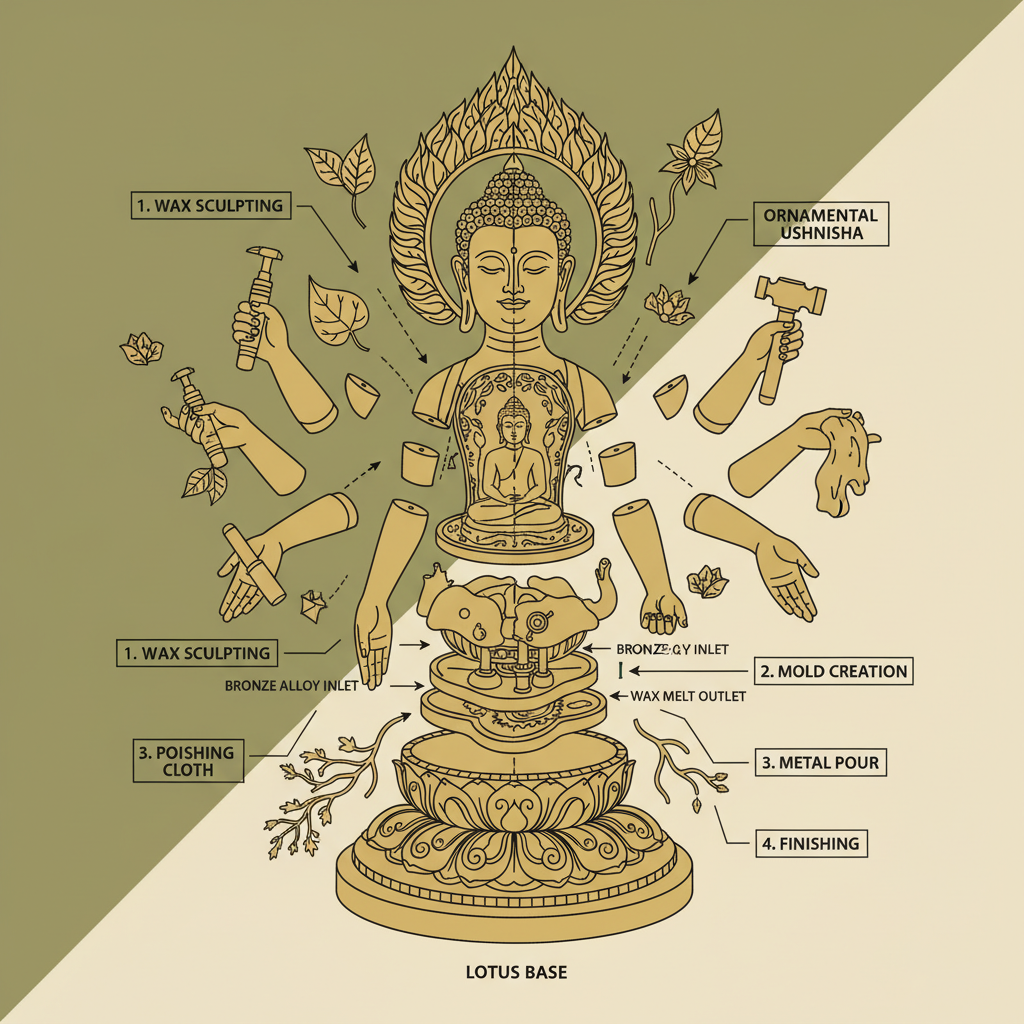
For institutional projects, such as museums or government squares, the focus is on legacy. Utilizing advanced techniques like silica sol casting for bronze elements prevents permanent rust, ensuring that the aesthetic intent remains unchanged over decades. This technical superiority justifies a higher initial price by eliminating the need for frequent, costly chemical restorations.
Different materials offer varying balances of aesthetics and cost. Bronze and stainless steel generally carry higher raw material costs and complex casting requirements, whereas natural marble and fiberglass offer more flexibility for different budget tiers. The choice depends on whether the priority is permanent prestige, lightweight installation, or natural integration with the landscape.
To illustrate, a Marble Lion Sculpture requires massive blocks of stone and intensive subtraction labor, whereas a Fiberglass Animal Sculpture relies on mold creation and additive layering. The following data reflects the relative cost-complexity index for common sculpture materials used in modern architectural projects.
High-value carvings are most effective in environments where they serve as focal points. In corporate plazas or hotel lobbies, a Bronze Abstract Sculpture or a large Marble Rotating Sphere Fountain acts as a brand statement, signaling stability and luxury. In these settings, the price is justified by the sculpture's ability to draw attention and create a memorable psychological impact on visitors.
For residential applications, the focus shifts toward harmony and intimacy. Marble Flowerpots and garden gazebos are often arranged in geometric or natural layouts to complement the existing flora. In these cases, the value is derived from the seamless integration of the carving into the living space, where the material's tactile quality and timelessness enhance the daily experience of the inhabitant.
The sculpture industry is moving toward a more sustainable model, emphasizing the ethical sourcing of stone and the reduction of waste during the carving process. Modern workshops are increasingly integrating digital precision tools to minimize stone breakage, which not only reduces environmental impact but can also optimize the final price by reducing raw material waste.
There is also a growing trend toward hybrid materials. Combining Corten Steel with marble accents allows architects to create contemporary contrasts while managing the budget. The use of Corten steel's natural weathering process reduces the need for future painting or chemical coatings, aligning with global shifts toward low-maintenance, sustainable urban design.
Furthermore, the digitization of the design phase allows for "virtual approvals." Clients can now interact with 3D models of their commissioned pieces before a single chisel hits the stone. This eliminates the risk of costly mid-production changes and ensures that the final stone carving price reflects a design that is fully optimized for the intended space.
One of the primary risks in sourcing stone carvings is the "hidden cost" of shipping and installation. Because sculptures are exceptionally heavy and fragile, inadequate packing can lead to catastrophic losses during transit. Working with a manufacturer that provides strong wooden cases and comprehensive insurance is a critical risk mitigation step.
Another risk is the discrepancy between the sample and the final product. To avoid this, buyers should request material certifications and progress photos during the carving process. Ensuring the manufacturer uses 100% hand-carved techniques for high-detail areas prevents the "flat" look often associated with low-end machine carving.
Finally, maintenance ignorance can lead to rapid deterioration. Whether it is a Marble Cemetery Headstone Statue or a Bronze Water Fountain, the wrong cleaning agent can permanently damage the surface. A professional supplier should provide a maintenance guide alongside the sculpture to preserve its value and appearance over time.
| Risk Factor | Low-Cost Option | Professional Option | Mitigation Impact |
|---|---|---|---|
| Material Purity | High Veining/Cracks | Grade A Natural Stone | Prevents Structural Failure |
| Carving Detail | CNC/Rough Finish | 100% Hand-Carved | Increases Artistic Value |
| Packing Quality | Standard Cardboard/Ply | Strong Wooden Case | Eliminates Transit Damage |
| Lead Time | Fast/Mass Produced | 30+ Days (Bespoke) | Ensures Quality Control |
| Surface Treatment | Basic Sealant | Silica Sol/High Polish | Prevents Rust/Erosion |
| Customization | Limited Templates | Full OEM/ODM Service | Matches Architectural Intent |
The price is primarily determined by the material rarity, the complexity of the design, and the amount of manual labor required. For example, a detailed Marble Figure Statue requires significantly more artisan hours than a geometric Marble Pillar. Additionally, the size of the piece and the specific finishing requirements—such as high-mirror polishing—will impact the final cost.
Hand-carving is more expensive because it requires a master artisan to manually remove material and refine details, ensuring anatomical accuracy and artistic fluidity. Machine carving (CNC) is faster and cheaper for rough shapes but often lacks the depth and soul of hand-work. Most professional manufacturers use CNC for roughing and hand-carving for the final, critical details to balance cost and quality.
In-stock items are generally more cost-effective and have shorter lead times because the production risks are already managed. However, customization (OEM/ODM) is recommended for specific architectural needs or unique brand identities. While customization increases the price due to the design and modeling phase, it ensures the sculpture fits the exact dimensions and aesthetic of your environment.
Longevity depends on material selection and surface treatment. Natural marble is durable but can be sensitive to acid rain; therefore, professional sealing is required. For metal sculptures, using silica sol casting technology is a superior way to prevent permanent rust. Always verify that the manufacturer understands the climate of the installation site to recommend the appropriate stone or alloy.
A comprehensive quote should include the material specifications (e.g., Natural Marble), the dimensions, the carving technology used, the lead time, and detailed packing information. It should also specify whether the price includes the clay model phase and the type of wooden case used for shipping. Beware of quotes that are unusually low, as they often omit critical packing and quality control steps.
For a standard custom piece, the leading time is approximately 30 days. This includes the design confirmation, material selection, rough carving, and final hand-detailing. Larger or more complex government projects can take several months, as they require multiple stages of approval and more intensive labor to ensure the scale and proportions are historically or artistically accurate.
Determining a fair stone carving price requires looking beyond the sticker price to the underlying craftsmanship and material integrity. By evaluating the interplay between hand-carving labor, material grade, and protective packaging, buyers can make informed decisions that secure both aesthetic excellence and long-term structural durability. Whether selecting a Marble Lion Sculpture for a corporate entrance or a custom religious statue for a sanctuary, the value is found in the precision of execution and the timelessness of the natural materials.
Choosing a partner with a proven track record in global exports and specialized casting technologies ensures that your artistic vision is realized without unnecessary risk. If you are planning a project that requires professional sculpting services or custom architectural ornaments, we invite you to explore the capabilities and portfolio at https://www.firststatue.com to find a solution that matches your budget and design requirements.