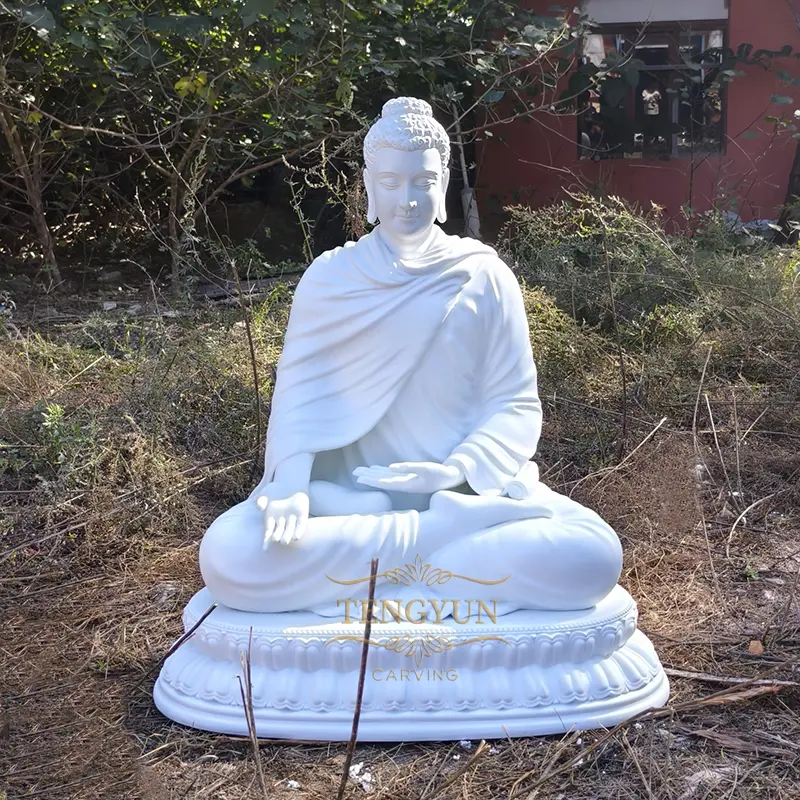
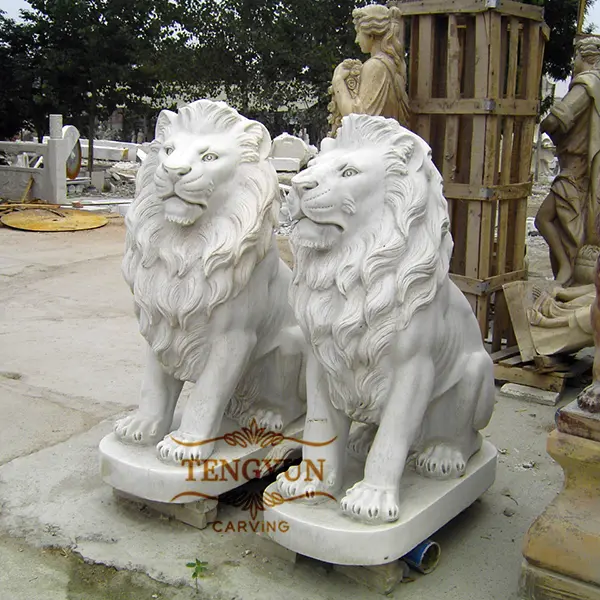

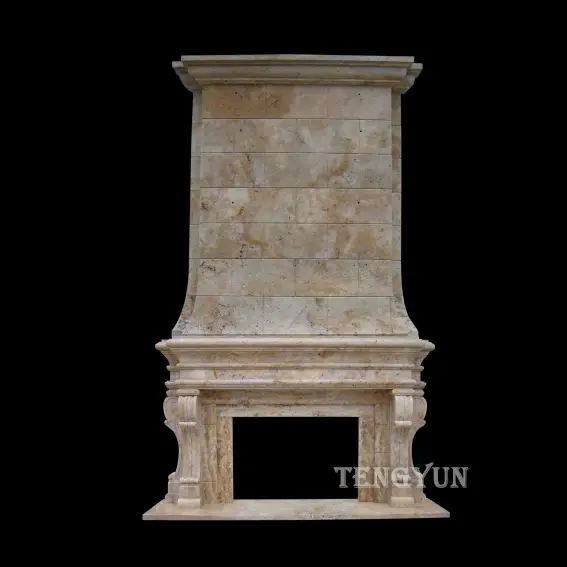
In Myanmar, the sculpture industry is heavily anchored in spiritual devotion, where the production of sacred imagery is a primary economic driver. However, there is a visible shift toward modern sculpture art as the growing urban middle class in Yangon and Mandalay seeks to integrate global art trends with local heritage.
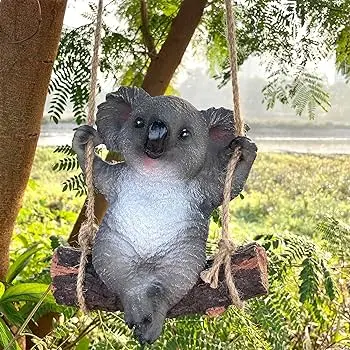
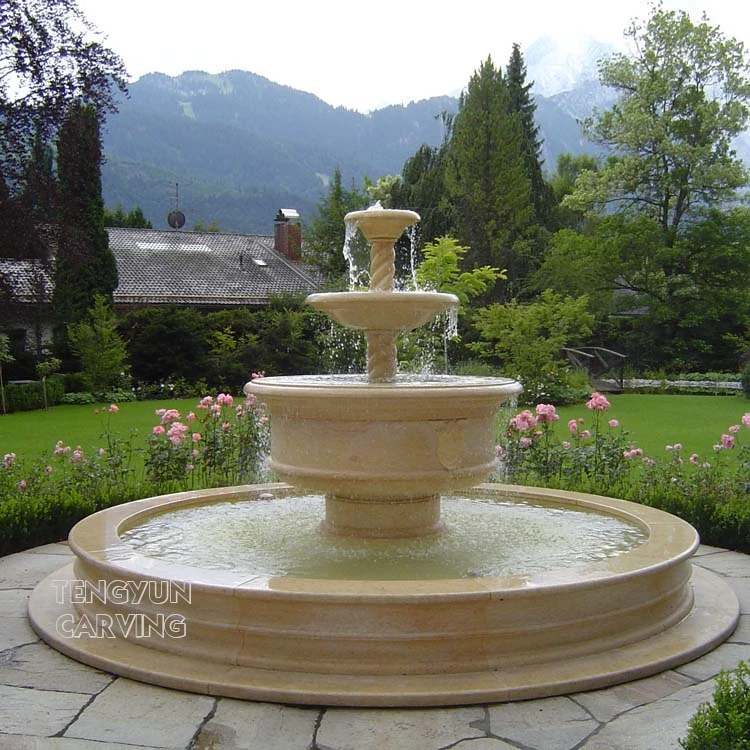
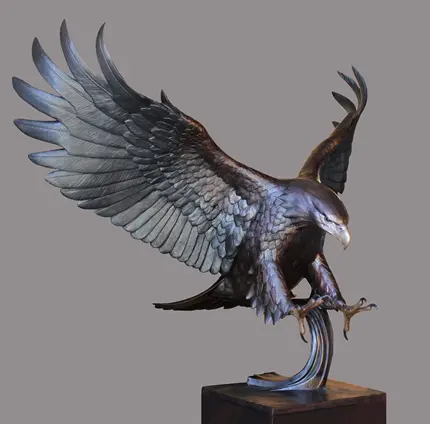
The tropical climate of Myanmar, characterized by high humidity and heavy monsoon rains, poses significant challenges for material durability. This has led to a transition from traditional soft stones and woods to high-grade bronze, stainless steel, and weather-resistant resins for home decor statues used in outdoor gardens and public plazas.
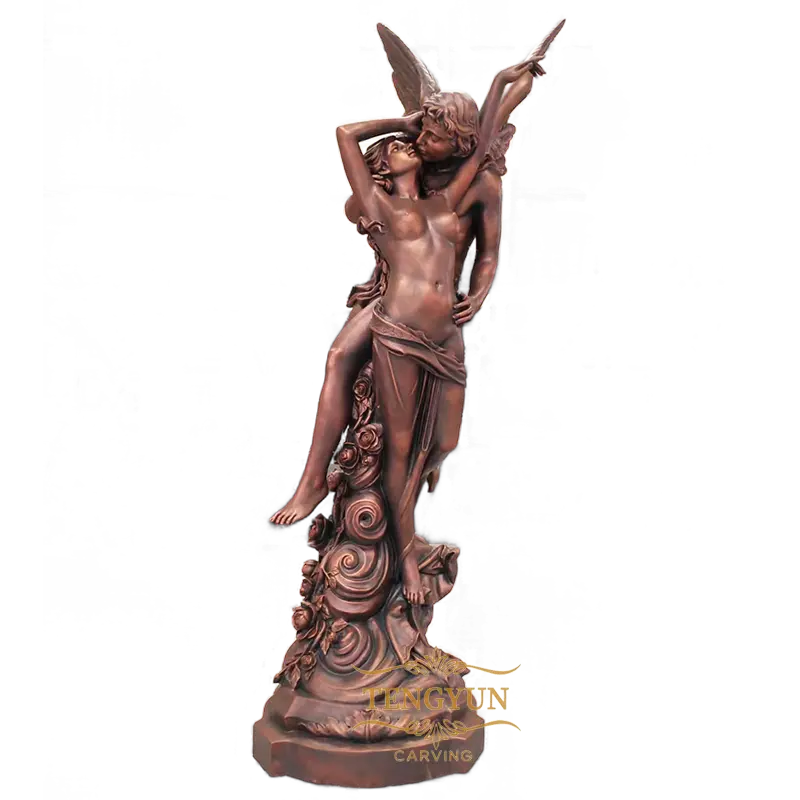
Currently, the market exhibits a dual-track demand: massive monumental projects for pagodas and an increasing preference for minimalist statue decor for high-end residential interiors, reflecting a blend of serenity and luxury.