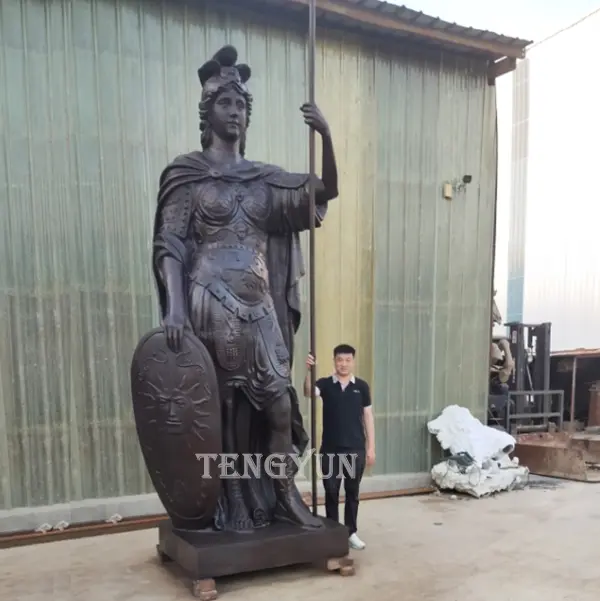
Premium Art Sculptures for Home in the Netherlands

Elevating Dutch interior aesthetics with museum-grade craftsmanship and contemporary design tailored for European living spaces.

The State of Sculptural Arts in the Netherlands

Analyzing the intersection of maritime heritage and modern minimalism in Dutch decor.

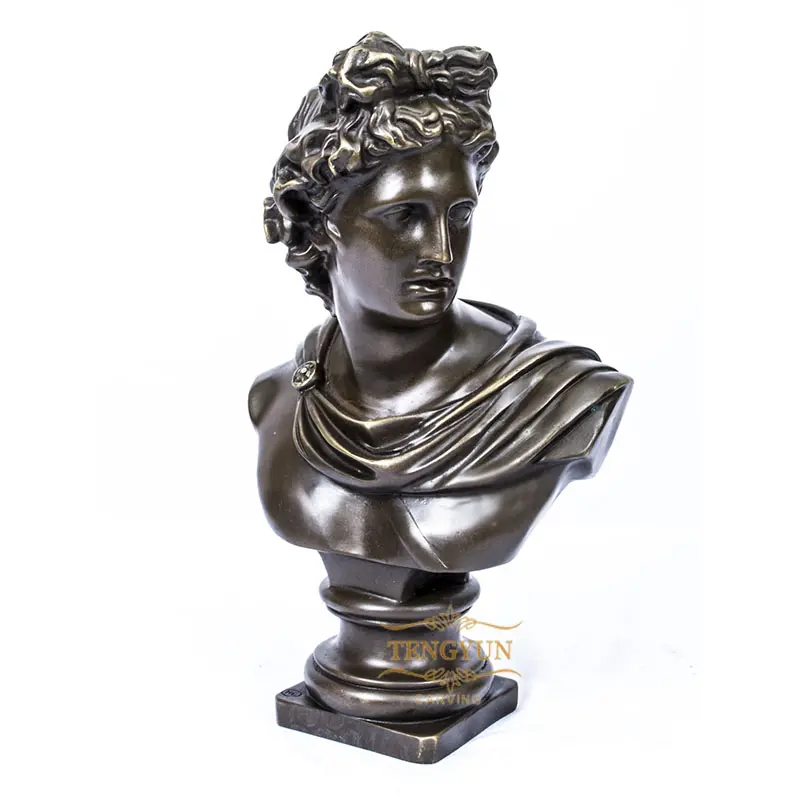
In the Netherlands, the demand for modern sculpture art is deeply influenced by the region's architectural philosophy of "light and space." With a high density of urban living in cities like Amsterdam and Rotterdam, Dutch homeowners prefer sculptures that offer a strong focal point without cluttering the minimalist interior.

The maritime climate of the Netherlands necessitates materials that are resistant to humidity and temperature fluctuations. Consequently, there is a significant market shift toward high-grade bronze and treated resins for home decor statues that can maintain their luster in coastal environments.

Furthermore, the Dutch appreciation for global spirituality and tranquility has led to a surge in the popularity of Zen-inspired pieces, specifically the standing buddha statue, which serves as a meditative anchor in contemporary residential designs.
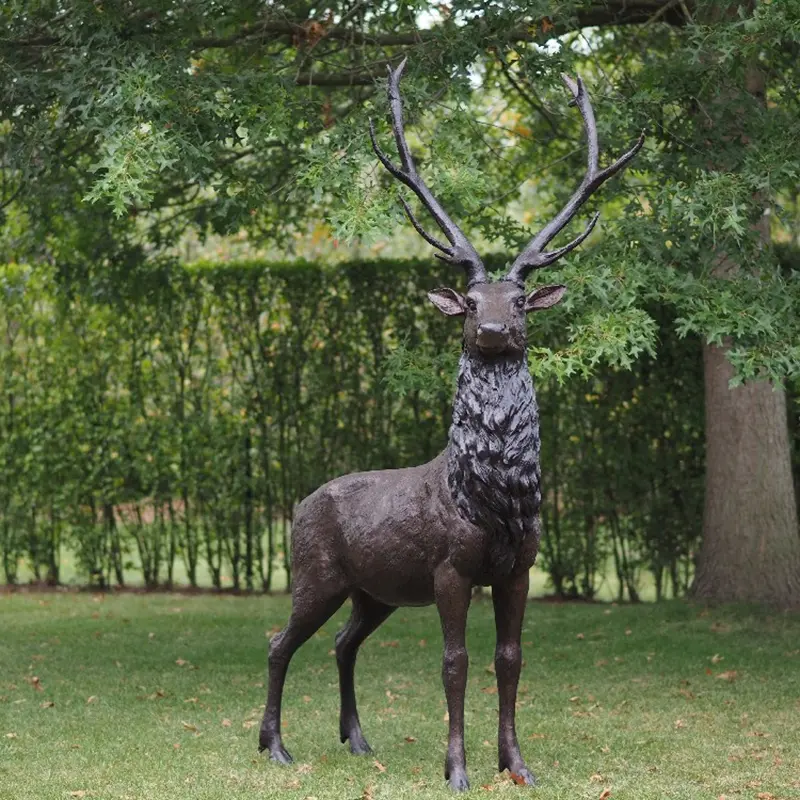
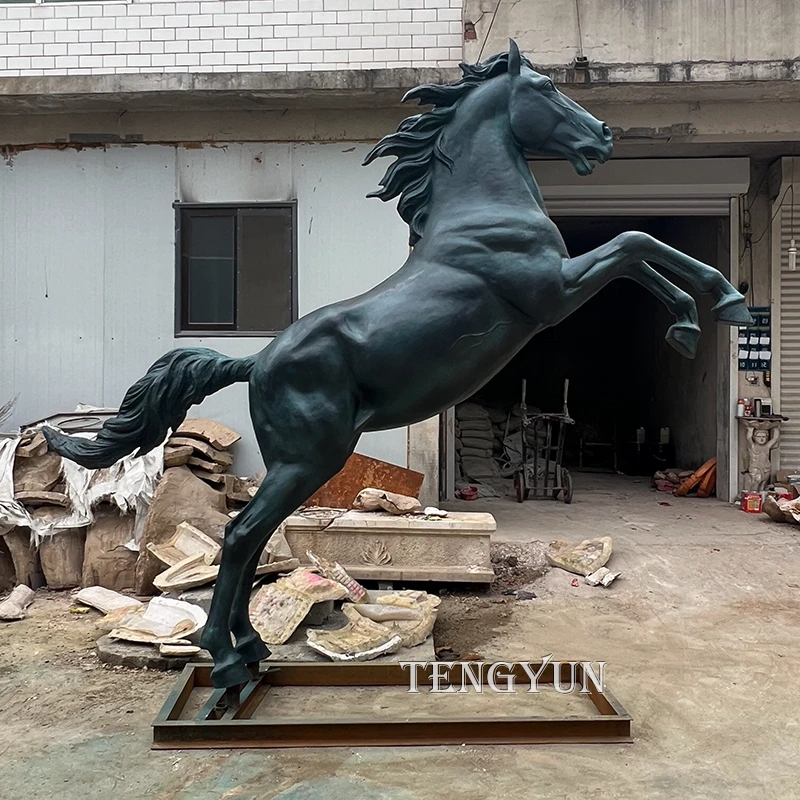
Evolution of Sculptural Craftsmanship

From classical European monuments to digitized precision art.

Market Development History

Historically, the Dutch art scene was dominated by classical realism and religious iconography during the 17th century. By the mid-20th century, the influence of De Stijl and Mondrian shifted the market toward abstraction and geometric purity, laying the groundwork for today's statue decor trends.

Between 1990 and 2010, the industry saw a transition from purely handcrafted stone to the integration of industrial casting techniques. This allowed for more complex forms and larger scales, making professional-grade art accessible for private home installations.

In the last decade, the fusion of 3D scanning and traditional lost-wax casting has enabled artists to achieve unprecedented anatomical precision, bridging the gap between digital conceptualization and physical permanence.

Future Development Trends

Sustainable Material Innovation

Expect a shift toward bio-resins and recycled metals to align with the Netherlands' strict environmental goals and the circular economy movement.

Hyper-Personalized Design

The rise of AI-driven parametric design will allow clients to customize the dimensions and flow of their sculptures to fit specific architectural niches.

Interactive Art Installations

Integration of smart lighting and AR (Augmented Reality) will transform static statues into dynamic experiences that respond to the ambient environment.

Industry Trends and Future Outlook

Predicting the trajectory of the luxury sculpture market based on search data and consumer behavior.

Eco-Conscious Fabrication
Increased demand for carbon-neutral shipping and sustainable sourcing of minerals and stone.
Digital Customization
Using VR tools to visualize sculpture placement in Dutch homes before final casting.
Zen Aesthetic Growth
A rising trend in "Mindful Living" increasing the search volume for spiritual sculptures.
Hybrid Materialism
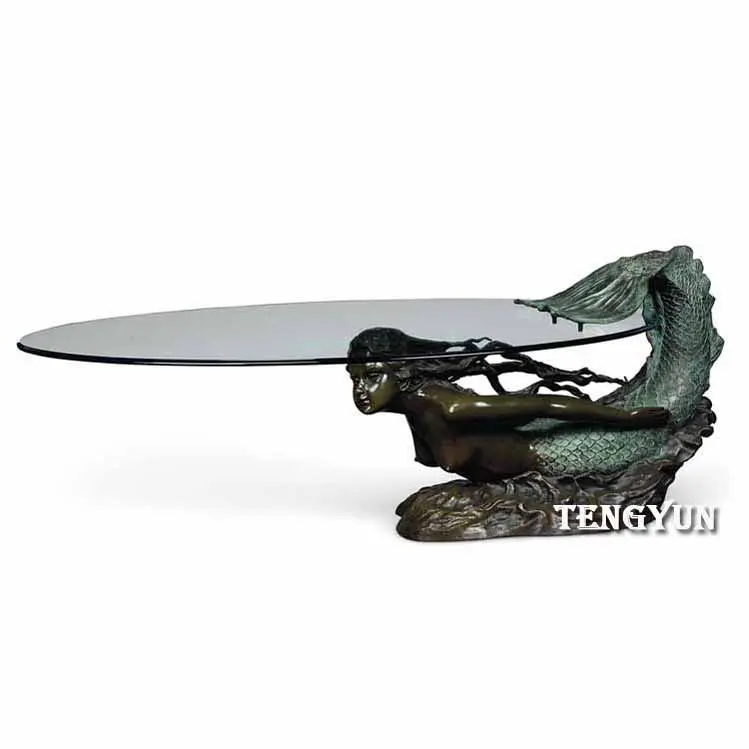
Combining traditional bronze with glass or acrylic to create light-transmitting art.

Industry Outlook

Based on Google Search trends, there is a growing preference for "quiet luxury" in the European market. Consumers are moving away from oversized, gaudy pieces toward sophisticated, conceptually driven artworks that reflect individual values and mental well-being.

The future of sculpture in the Netherlands will be defined by a synergy between artisanal heritage and high-tech precision, ensuring that every piece is not just a decoration, but a timeless investment in art.

Local Application Scenarios in the Netherlands

Integrating world-class sculpture into the unique Dutch lifestyle.

01. Amsterdam Canal House Interiors

Utilizing slender, vertical modern sculpture art to complement the narrow architectural layout of traditional canal houses, adding depth to compact living rooms.

02. Corporate Offices in Zuidas District

Installing large-scale, abstract bronze pieces in the financial heart of Amsterdam to project stability, innovation, and cultural sophistication to international partners.

03. Residential Zen Gardens in Utrecht

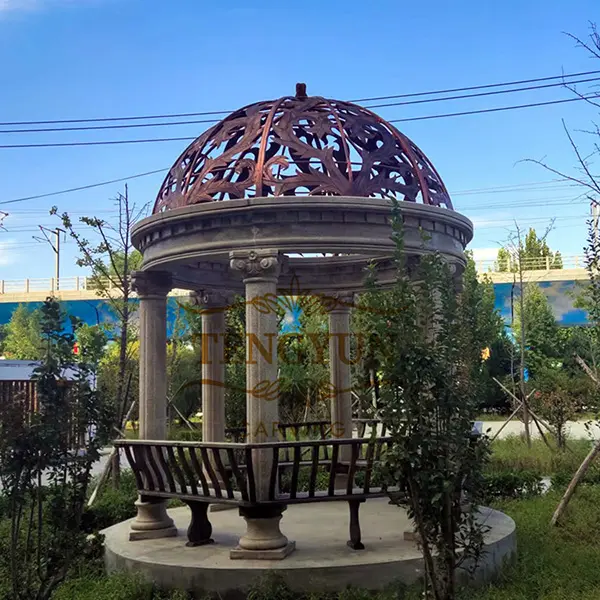
Creating peaceful outdoor sanctuaries with a weathered stone standing buddha statue, blending Eastern spirituality with Western garden design.

04. Modern Lofts in Rotterdam

Applying bold, avant-garde home decor statues in open-concept industrial lofts to contrast raw concrete walls with organic, flowing forms.

05. Boutique Hotel Lobbies in The Hague

Integrating sophisticated statue decor in high-traffic reception areas to create an immediate atmosphere of luxury and artistic prestige.

Brand Story

Global Development Journey of Quyang Tengyun Carving Co., Ltd.

Artisanal Foundations

Born in Quyang, the cradle of Chinese sculpture, we began with a mission to preserve ancient stone carving techniques while embracing modern artistic expressions.

Technological Pivot

We integrated precision CNC machining with hand-finishing to solve the pain point of inconsistency in large-scale sculpture production.

European Expansion

Recognizing the demand for high-end art in the Netherlands and beyond, we optimized our logistics and material standards for the European climate.

Global Artistic Synergy

Collaborating with international designers to create pieces that resonate across cultures, from Zen spirituality to European minimalism.

Vision for Tomorrow

Dedicated to being the premier bridge between traditional manufacturing and contemporary global art, delivering timeless beauty to every home.

Frequently Asked Questions for Netherlands Clients

Expert answers regarding the procurement and maintenance of fine art sculptures.

How do I choose the right modern sculpture art for a minimalist Dutch interior?

Focus on "negative space" and organic lines. For minimalist spaces, a single, bold piece with a neutral tone (like brushed bronze or white marble) creates a sophisticated focal point without overwhelming the room.

What are the best materials for home decor statues in coastal regions like The Hague?

We recommend high-grade marine bronze or specially coated resins. These materials are treated to withstand the salty air and humidity common in coastal Dutch cities, preventing oxidation and corrosion.

Where is the best placement for a standing buddha statue to maximize Zen energy?

The ideal placement is in a quiet corner, facing the entrance or a window, away from direct foot traffic. This creates a "mindfulness zone" within your home, promoting peace and reflection.

Can you create custom art sculptures for home based on specific architectural blueprints?

Yes, we specialize in bespoke commissions. By analyzing your blueprints, we can optimize the scale and proportions of the sculpture to harmonize with your home's specific ceiling heights and lighting.

How do I maintain and clean my professional statue decor?

For bronze, we recommend a soft microfiber cloth and occasional specialized wax. For stone or resin, a damp cloth with mild soap is sufficient. Avoid harsh chemicals that can strip the protective patina.

What is the typical lead time for shipping large sculptures to the Netherlands?

Standard lead times vary by size. Custom pieces typically take 6-12 weeks for production and 3-5 weeks for secure sea freight and customs clearance into Dutch ports.

Bring Timeless Art to Your Space

Our experts are ready to help you select the perfect masterpiece for your residence or business in the Netherlands.

Contact Us Now

If you are interested in our products, you can choose to leave your information here, and we will be in touch with you shortly.