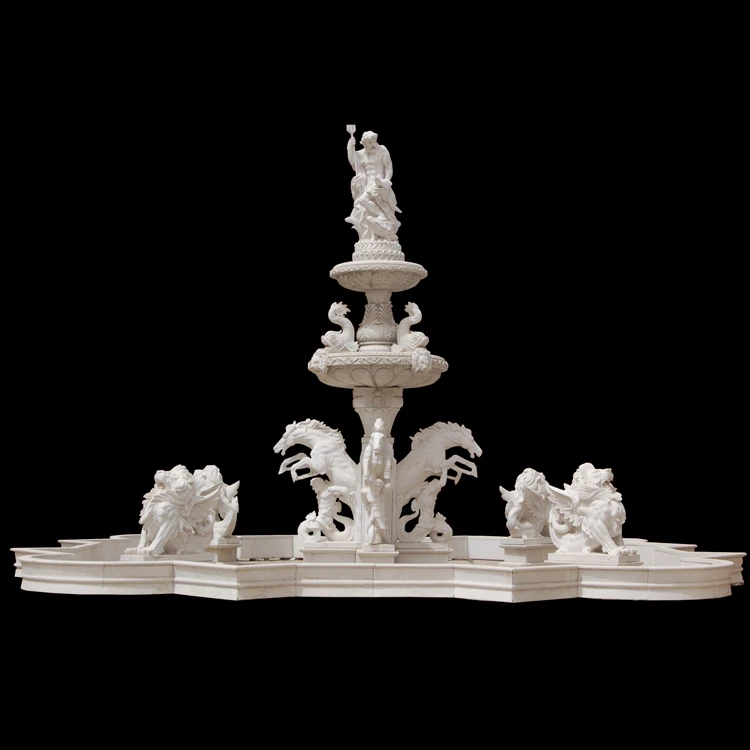
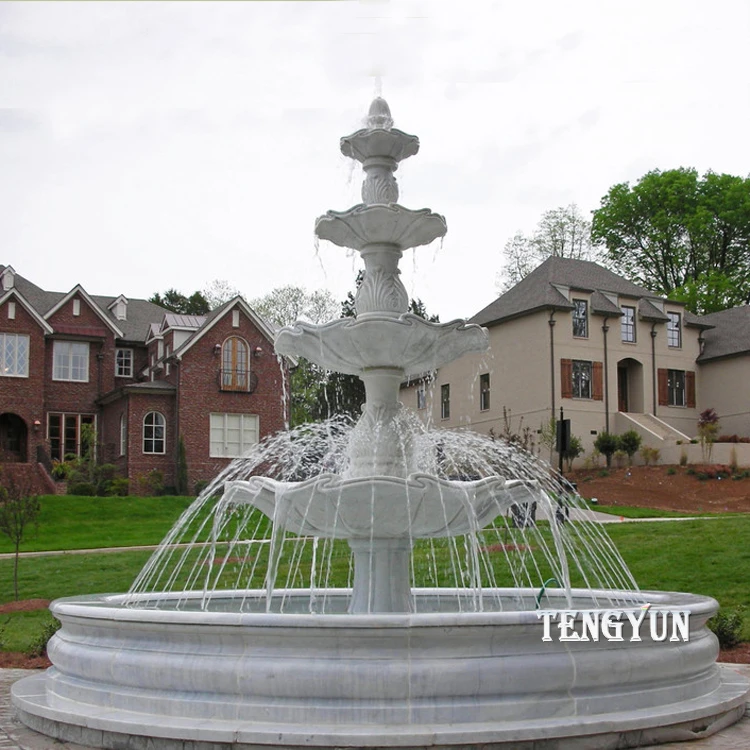
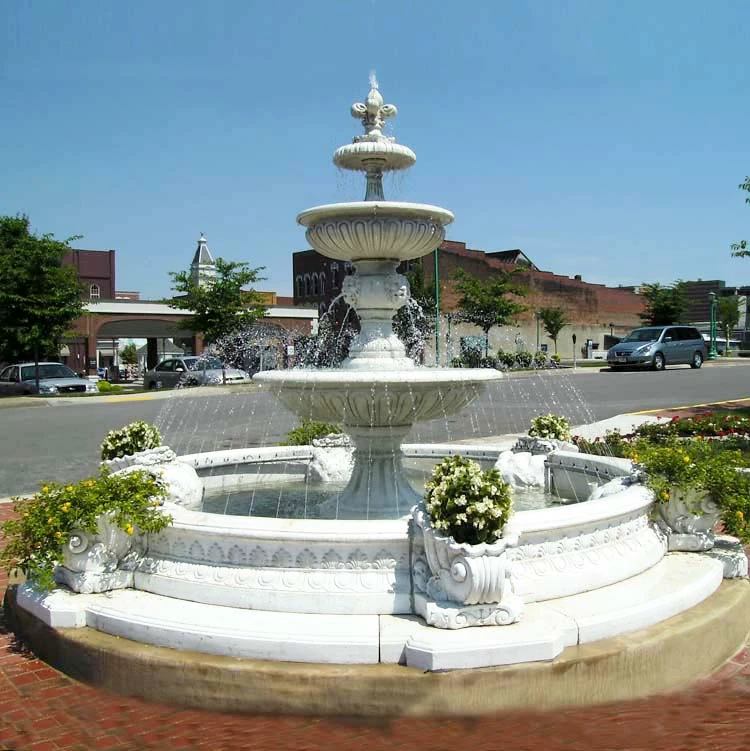
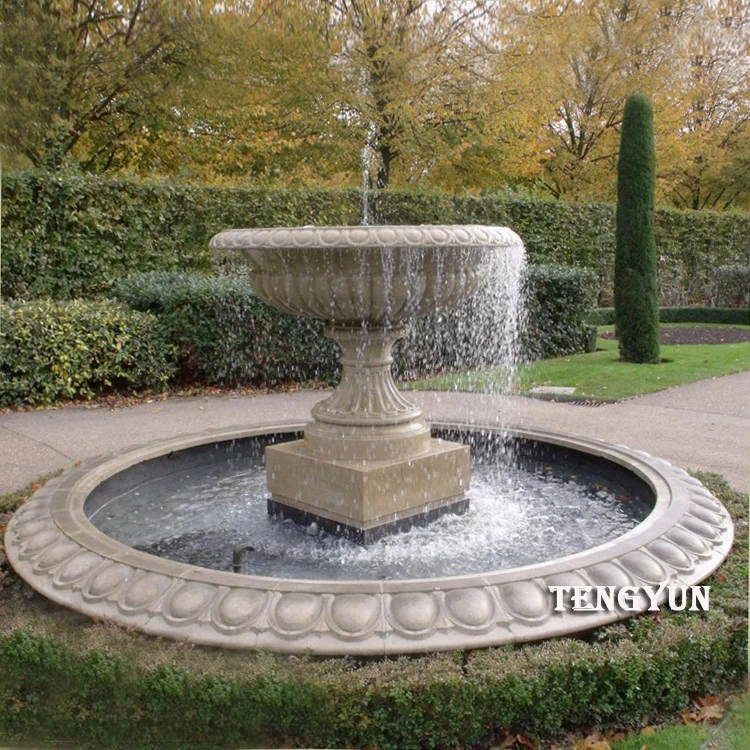
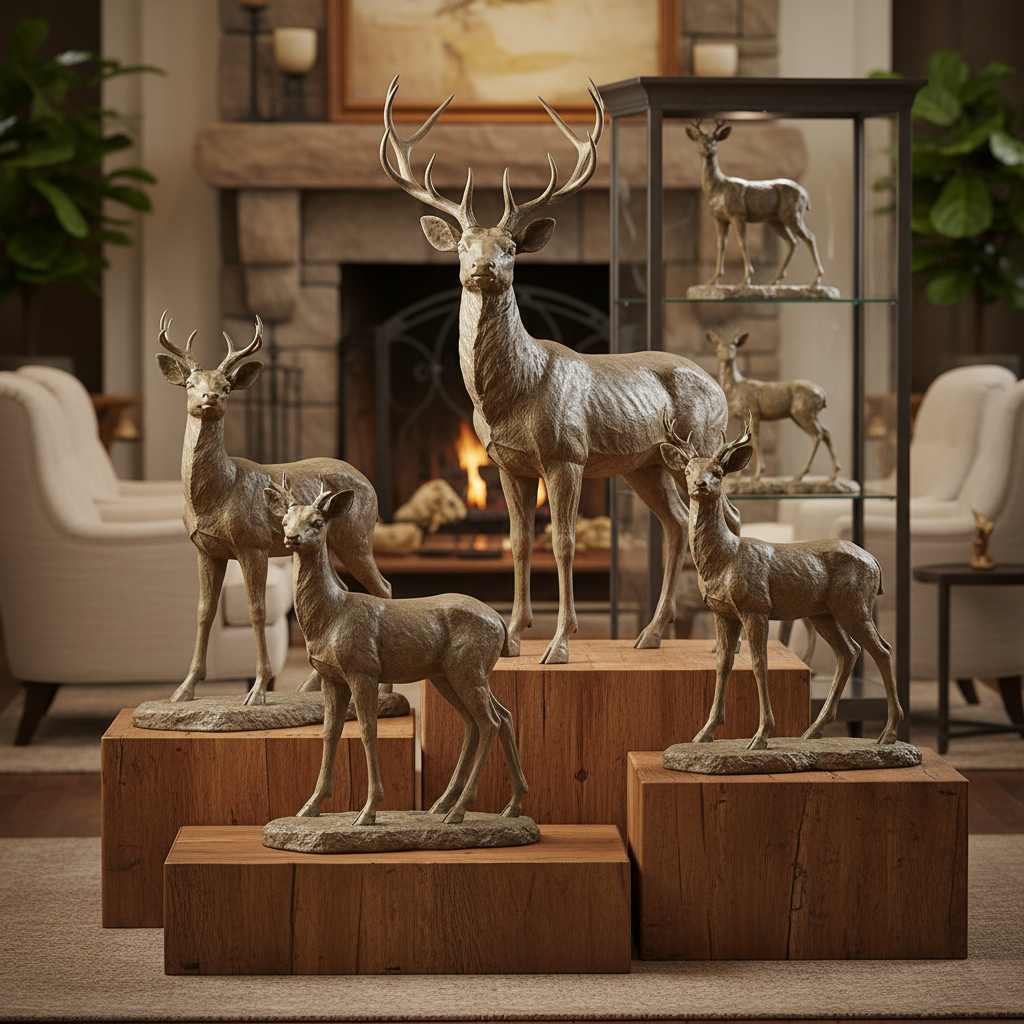
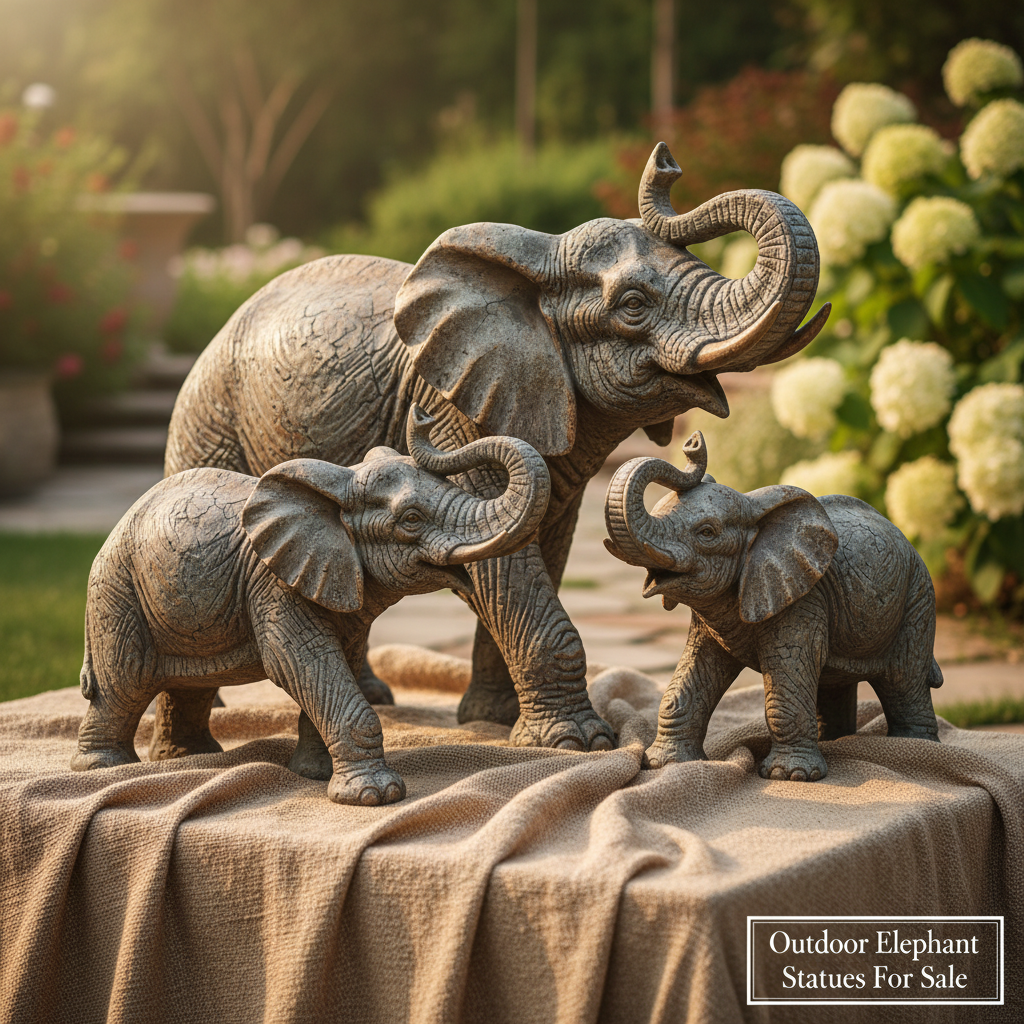
Sculpture manufacturers represent a globally significant industry, encompassing artists, foundries, and specialized fabrication companies dedicated to creating three-dimensional artworks and architectural elements. Their work is interwoven into the cultural fabric of societies worldwide, shaping public spaces, commemorating historical events, and serving as powerful forms of artistic expression. Understanding the nuances of this industry – from material science to artistic techniques and logistical complexities – is crucial for appreciating the rich artistic heritage it preserves and the innovative potential it holds.
The demand for sculptures is driven by a confluence of factors, including a growing appreciation for public art, increased investment in cultural infrastructure, and a thriving market for collectible art. Worldwide, this translates into a multi-billion dollar industry with a complex supply chain, involving sourcing materials like bronze, marble, steel, and composites, as well as skilled labor for modeling, casting, welding, and finishing. The United Nations Educational, Scientific and Cultural Organization (UNESCO) actively promotes the preservation of cultural heritage, indirectly supporting sculpture manufacturers through initiatives focused on protecting and restoring historical artworks.
Ultimately, understanding sculpture manufacturers isn't simply about the art itself, but also about the economic impact, the cultural preservation, and the innovation in materials and techniques that define this dynamic field. This knowledge is vital for artists seeking to bring their visions to life, for investors looking to support the arts, and for communities striving to enrich their public spaces.

The Role of Sculpture Manufacturers in Global Art
Sculpture manufacturers are more than just fabricators; they are crucial collaborators in the artistic process. They bridge the gap between an artist's vision and a tangible reality, possessing expertise in material selection, casting techniques, and finishing processes. Without skilled sculpture manufacturers, the creation of monumental public artworks, intricate bronze sculptures, or large-scale architectural elements would simply not be possible.
Their contributions extend beyond simply realizing existing designs. Many sculpture manufacturers actively participate in the design phase, offering valuable insights into structural integrity, material limitations, and cost-effectiveness. This collaborative approach ensures that the final artwork is not only aesthetically pleasing but also durable, safe, and economically viable. Consider sculpture manufacturers working on complex architectural pieces – their expertise is paramount.
Defining Sculpture Manufacturers
Sculpture manufacturers are businesses and workshops specializing in the creation of three-dimensional artworks and objects. This encompasses a broad range of services, including mold-making, casting (bronze, resin, aluminum, etc.), welding, stone carving, wood carving, and the application of various finishing techniques such as patination, polishing, and painting. They cater to a diverse clientele, including artists, architects, designers, and public institutions.
The industry’s connection to modern industrial needs is substantial. The skills and technologies developed in sculpture manufacturing often translate to other sectors, such as aerospace, automotive, and medical device fabrication. Precision casting, for example, is vital in both creating intricate art pieces and producing high-performance components for advanced engineering applications.
Essentially, sculpture manufacturers are the logistical backbone of the art world, ensuring that artistic concepts are transformed into enduring physical realities, maintaining and advancing both artistic traditions and innovative fabrication techniques.
Key Factors Influencing Sculpture Manufacturing
Several core components determine the success and quality of sculpture manufacturing. Firstly, Material Expertise is paramount. Understanding the properties of different materials – their strength, durability, workability, and aesthetic qualities – is critical for selecting the best options for a given project. Secondly, Technical Skill – from traditional hand-crafting techniques to advanced digital modeling and CNC machining – is essential for accurate and precise fabrication.
Thirdly, Quality Control processes are vital to ensuring that every sculpture meets the highest standards of craftsmanship and structural integrity. This includes rigorous inspections at each stage of production, from mold-making to finishing. Fourthly, Logistics & Shipping are crucial, especially for large-scale or fragile sculptures, requiring specialized packaging and secure transportation. Fifthly, Artistic Collaboration – a manufacturer’s ability to understand and translate an artist’s vision is paramount. Finally, Cost Management – effectively balancing quality with affordability.
These factors all interrelate. For instance, a sculpture manufacturer with strong material expertise can suggest alternative materials to reduce costs without compromising quality. Effective logistics can minimize the risk of damage during shipping, protecting the investment in the artwork. Ultimately, success in sculpture manufacturing hinges on a holistic approach that prioritizes all of these elements.
Material Durability and Longevity in Sculpture
The durability of materials used by sculpture manufacturers is a key determinant of a sculpture’s lifespan and its ability to withstand environmental factors. Bronze, for example, is renowned for its corrosion resistance and structural strength, making it a popular choice for outdoor sculptures. However, even bronze requires careful maintenance to prevent patina degradation.
Other materials, such as stainless steel and various composites, offer unique advantages. Stainless steel provides exceptional strength and resistance to rust, while composites can be molded into complex shapes and offer lightweight durability. Understanding the long-term behavior of these materials—how they react to temperature changes, UV exposure, and atmospheric pollutants—is critical for ensuring the sculpture’s longevity. Choosing the right material is a fundamental decision that impacts the entire lifecycle cost of the artwork.
Material Durability Ratings for Sculpture Manufacturers
Global Applications of Sculptural Works
Sculptural works have diverse applications globally. They are prominently featured in public art installations, enhancing urban landscapes and creating cultural focal points in cities around the world, from the iconic Cloud Gate in Chicago to the Angel of the North in the UK. Furthermore, sculptures play a critical role in commemorating historical events and figures, with monuments and memorials serving as lasting tributes to the past.
Advantages of Partnering with Reputable Manufacturers
Working with established sculpture manufacturers offers numerous benefits. These companies often possess decades of experience, a skilled workforce, and state-of-the-art equipment, ensuring high-quality results. Their expertise extends to navigating complex logistical challenges, such as crating and shipping large or fragile sculptures internationally.
Reputable manufacturers also prioritize communication and collaboration, working closely with artists to ensure that their vision is accurately realized. They understand the importance of meeting deadlines and staying within budget, offering transparent pricing and efficient project management. This makes sculpture manufacturers essential for successful artistic ventures.
Future Trends and Challenges for Sculpture Manufacturers
The sculpture manufacturing industry is evolving rapidly, driven by technological advancements and changing artistic preferences. Digital sculpting and 3D printing are gaining prominence, allowing for greater design flexibility and faster prototyping. Sustainable materials and eco-friendly fabrication processes are also becoming increasingly important, reflecting a growing awareness of environmental concerns.
However, the industry faces challenges, including rising material costs, a shortage of skilled labor, and increasing competition from overseas manufacturers. Addressing these challenges requires investment in workforce training, the adoption of innovative technologies, and a commitment to sustainable practices. Automation and advanced robotics also play an increasing role.
Looking ahead, the integration of augmented reality (AR) and virtual reality (VR) technologies could revolutionize the way sculptures are designed, viewed, and experienced, creating new opportunities for artists and manufacturers alike.
Summary of Key Trends and Challenges Facing Sculpture Manufacturers
| Trend/Challenge |
Impact on Manufacturers |
Mitigation Strategies |
Long-Term Outlook |
| Digital Sculpting Adoption |
Requires investment in software and training. |
Upskilling workforce, integrating digital workflows. |
Increased design flexibility and speed. |
| Rising Material Costs |
Reduced profit margins, project budget overruns. |
Sourcing alternative materials, optimizing material usage. |
Increased emphasis on material efficiency. |
| Skilled Labor Shortage |
Difficulty maintaining quality, project delays. |
Apprenticeship programs, workforce development initiatives. |
Increased demand for skilled artisans. |
| Sustainability Concerns |
Pressure to adopt eco-friendly practices. |
Using recycled materials, minimizing waste. |
Growing market for sustainable sculptures. |
| Increased Competition |
Price pressure, reduced market share. |
Differentiation through specialization and quality. |
Consolidation and niche market focus. |
| Supply Chain Disruptions |
Material delays, increased costs. |
Diversifying suppliers, building strategic partnerships. |
Increased resilience and regional sourcing. |
FAQS
Sculpture manufacturers work with a vast range of materials, encompassing metals like bronze, aluminum, steel, and stainless steel. They also utilize stone materials such as marble, granite, and limestone, alongside modern materials like resin, fiberglass, and various composite materials. The choice of material depends heavily on the artistic vision, the intended location of the sculpture (indoor vs. outdoor), and budgetary constraints. Expert manufacturers can advise on the best material based on these factors.
The timeline for a sculpture project varies dramatically based on its complexity, size, and the chosen materials. Smaller, simpler sculptures might be completed in a few weeks, while monumental, large-scale pieces can take months or even years. The design phase, mold-making, casting, and finishing all contribute to the overall duration. Effective project management and clear communication between the artist and manufacturer are crucial for meeting deadlines.
The cost of a sculpture depends on numerous factors including the size, material, complexity of the design, and the artist’s reputation. Material costs, labor charges, fabrication techniques, and transportation expenses all contribute to the final price. Obtaining detailed quotes from multiple sculpture manufacturers is highly recommended to compare pricing and services. Sculpture manufacturers provide transparent cost breakdowns.
Patina is the process of applying chemical treatments to a bronze sculpture to create a colored surface finish. This is often done to enhance the aesthetic appeal and protect the bronze from corrosion. Manufacturers use various chemicals and techniques to achieve different colors and textures, ranging from rich browns and greens to vibrant blues and reds. The patina is a skilled art form that requires precise control and expertise.
Transporting large and fragile sculptures requires specialized packaging and handling procedures. Manufacturers utilize custom-built crates with ample padding and support to protect the artwork from damage during transit. They work with experienced art shipping companies that have expertise in handling delicate objects. Insurance is also crucial to cover potential losses or damage during transportation.
3D printing is increasingly used in sculpture manufacturing, particularly for creating prototypes, complex molds, and even the final sculptures themselves. It allows for greater design freedom and faster production times. While it may not fully replace traditional sculpting techniques, 3D printing complements them, enabling manufacturers to tackle projects that were previously challenging or impossible. It streamlines the design and fabrication process.
Conclusion
In conclusion, sculpture manufacturers represent a vital link in the artistic ecosystem, translating creative visions into enduring physical realities. Their expertise in materials, techniques, and logistical complexities is essential for creating artworks that inspire, commemorate, and enrich our world. Understanding the nuances of this industry – from material durability to evolving technologies – is critical for artists, collectors, and communities alike.
Looking ahead, the industry is poised for continued innovation, driven by advances in digital sculpting, sustainable materials, and automation. Embracing these changes and prioritizing collaboration between artists and manufacturers will be key to ensuring the continued growth and vibrancy of the sculpture world. To explore opportunities and connect with leading experts, visit sculpture manufacturers today.
Post time:Feb . 04, 2026 09:15