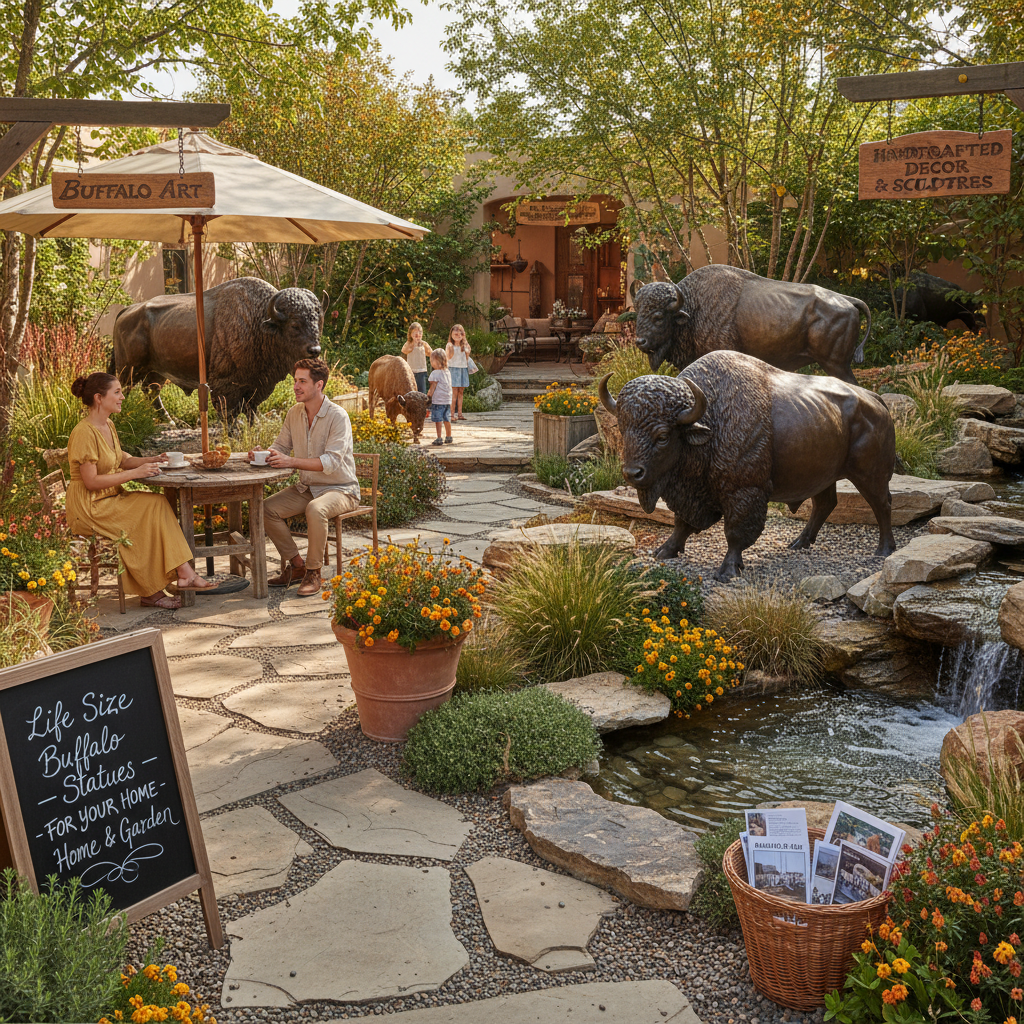
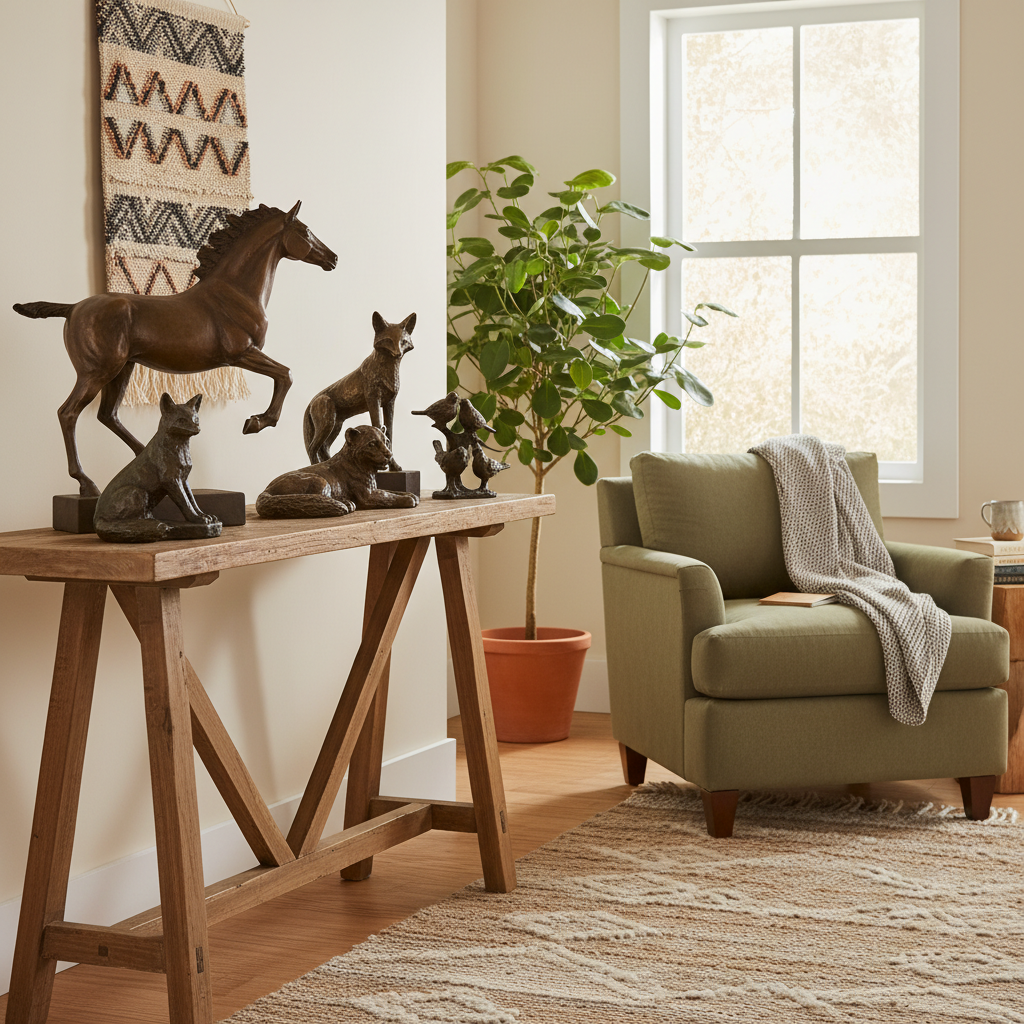
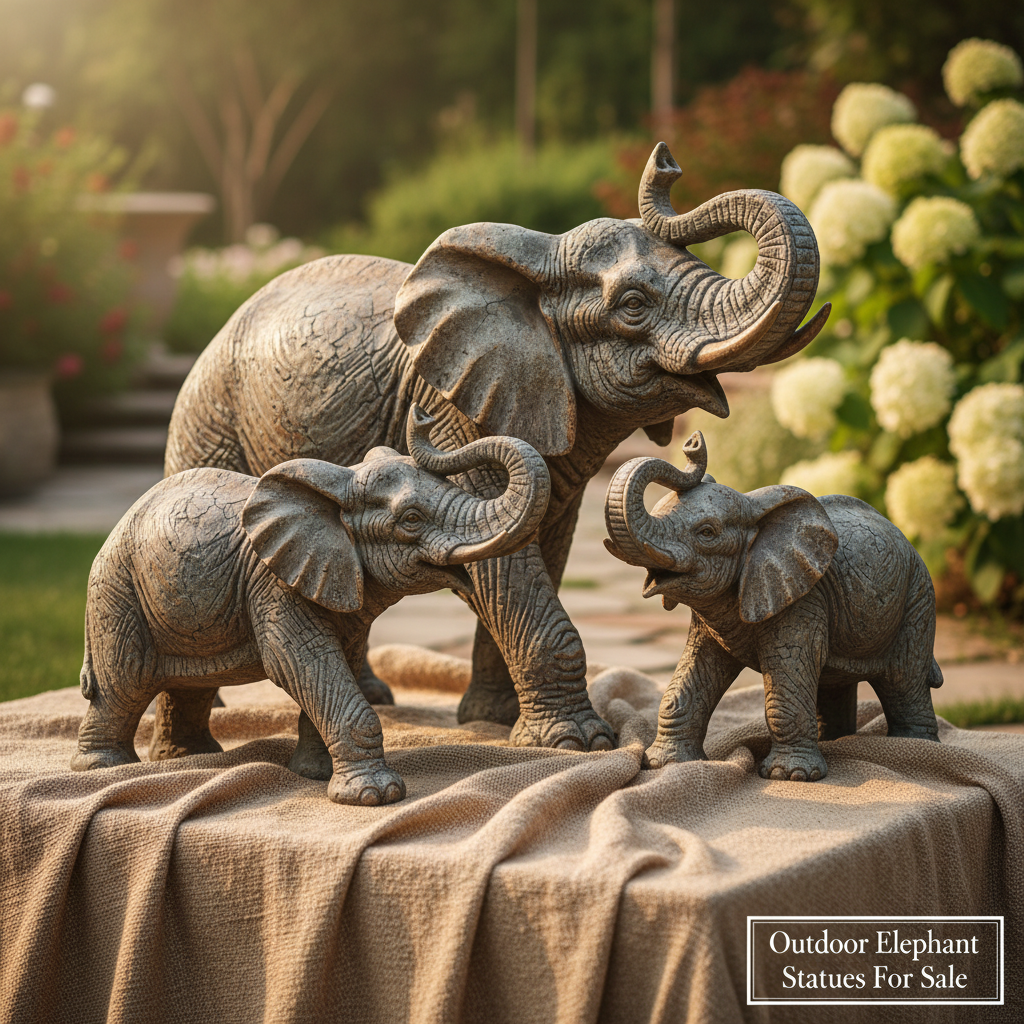
Integrating modern sculpture decor into contemporary architecture is more than a mere aesthetic choice; it is a strategic fusion of artistic expression and spatial psychology. In an era where urban living often feels sterile and repetitive, these artistic installations serve as vital focal points that breathe life, emotion, and individuality into residential and commercial environments.
From the sweeping curves of abstract bronze figures to the stark, commanding presence of stainless steel installations, the global demand for high-end sculptural art has surged. This trend is driven by a growing recognition that curated art improves mental well-being, increases property value, and reflects the sophisticated identity of the owner or organization, bridging the gap between industrial manufacturing and fine art.
Understanding the nuances of modern sculpture decor—ranging from material selection to scale and placement—allows designers and homeowners to transform static spaces into dynamic experiences. Whether it is a serene Marble Buddha in a zen garden or a bold Corten Steel piece in a corporate plaza, the right sculpture acts as a silent communicator of values, culture, and vision.
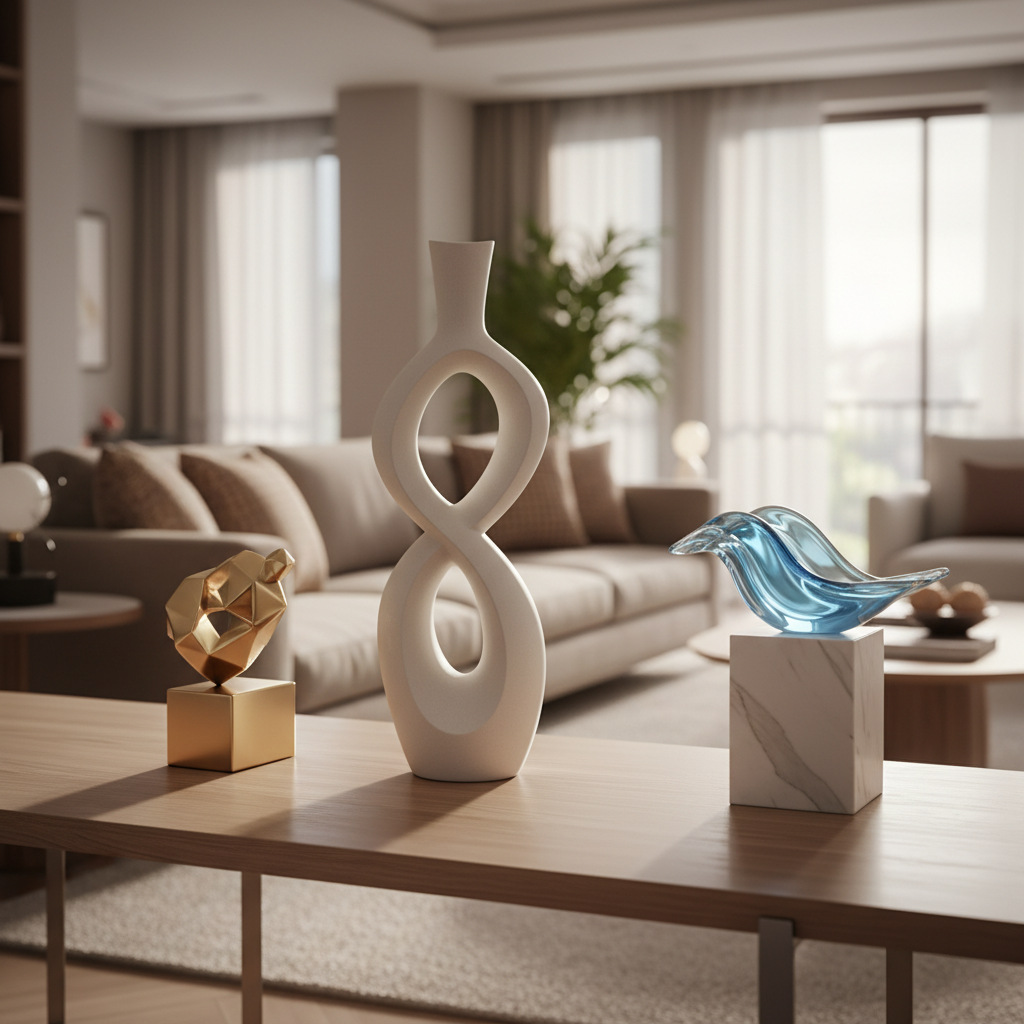
The Global Evolution of Modern Sculpture Decor
The trajectory of modern sculpture decor has shifted from the exclusive confines of museums to the heart of public and private landscapes. Historically, sculpture was often tied to religious or political hegemony, but the modern era has democratized art. Today, we see a global trend where "place-making" relies heavily on artistic installations to create identity and attract tourism, especially in rapidly developing urban centers in Asia and the Middle East.
This evolution is mirrored in the materials used. While marble and bronze remain timeless, the introduction of industrial materials like Corten steel and fiberglass has allowed artists to experiment with scale and gravity in ways previously unimaginable. The result is a global landscape where art is not just observed but experienced, interacting with the wind, light, and the people who walk past it.
Defining the Essence of Modern Sculptural Art
In simple terms, modern sculpture decor refers to three-dimensional artistic works designed to enhance the aesthetic and emotional quality of a space. Unlike traditional sculpture, which often focused on literal representation and anatomical perfection, modern sculpture embraces abstraction, minimalism, and the "truth to materials" philosophy. It is the art of manipulating space and volume to evoke a specific feeling or thought.
From an industrial perspective, this form of decor represents a sophisticated intersection of metallurgy, stone carving, and chemistry. The production of a large-scale bronze abstract piece, for example, requires a deep understanding of the lost-wax casting process and alloy composition to ensure that the art survives environmental stressors while maintaining its visual integrity.
Ultimately, modern sculpture addresses a humanitarian need for beauty and inspiration in an increasingly digital world. By introducing tangible, tactile elements into our surroundings, these artworks provide a sensory anchor that reminds us of human creativity and the enduring nature of physical craftsmanship.
Core Components of High-End Art Installations
When selecting modern sculpture decor, the first critical factor is Material Durability. Whether it is the corrosion-resistant nature of stainless steel or the natural weathering of Corten steel, the material must be compatible with its environment. An indoor marble bust requires different care than an outdoor bronze lion, and choosing the wrong medium can lead to premature degradation.
The second component is Spatial Harmony and Scale. A sculpture that is too small will be swallowed by a large lobby, while one that is too large can overwhelm a residential courtyard. The art of placement involves understanding the "negative space" around the piece, ensuring that the sculpture guides the viewer's eye and complements the surrounding architecture rather than clashing with it.
Lastly, the Conceptual Resonance of the piece determines its long-term value. A successful installation does more than fill a void; it communicates a message. Whether it is the peace implied by a Buddha statue or the strength represented by an eagle, the conceptual alignment between the sculpture's theme and the space's purpose is what transforms a decorative object into a masterpiece.
Material Versatility and Structural Integrity
The technical execution of modern sculpture decor relies on a diverse palette of materials, each offering unique advantages. Bronze remains the gold standard for its timelessness and detail, while Marble provides a classical luxury that is unmatched in interior settings. For contemporary public works, Stainless Steel and Fiberglass offer a lightweight yet robust alternative, allowing for daring cantilevered designs and vibrant color applications.
Beyond the surface, structural integrity is paramount. Large-scale installations must withstand wind loads, seismic activity, and thermal expansion. This requires a rigorous engineering approach, integrating internal armatures of reinforced steel and precise anchoring systems to ensure public safety without compromising the fluid lines of the artistic vision.
Performance Metrics of Modern Sculpture Decor Materials
Global Applications in Urban and Private Spaces
In the realm of commercial development, modern sculpture decor is frequently used in corporate plazas and hotel lobbies to establish a brand's prestige. For instance, in the financial districts of Singapore or London, large-scale abstract stainless steel sculptures often symbolize innovation and forward-thinking, acting as landmarks that define the corporate identity and attract global talent.
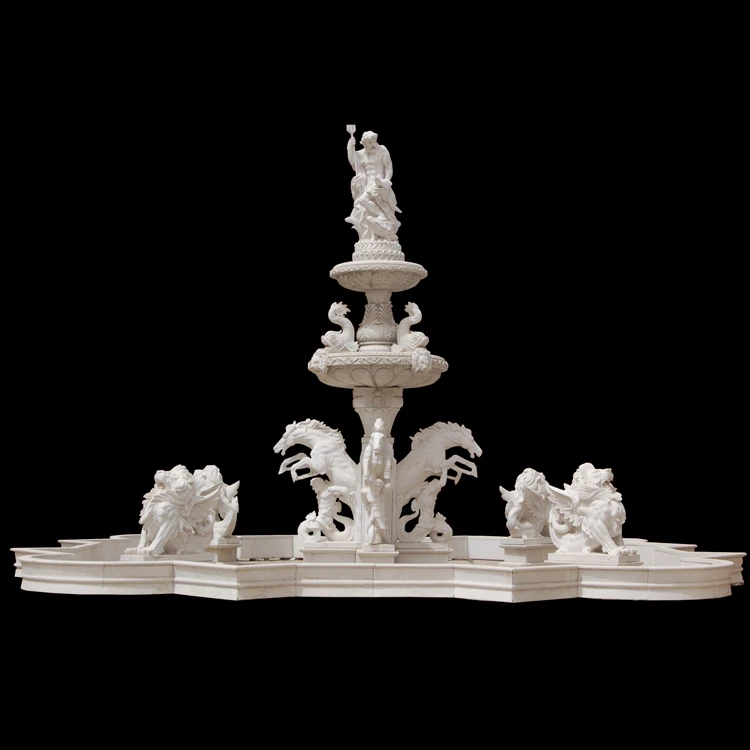
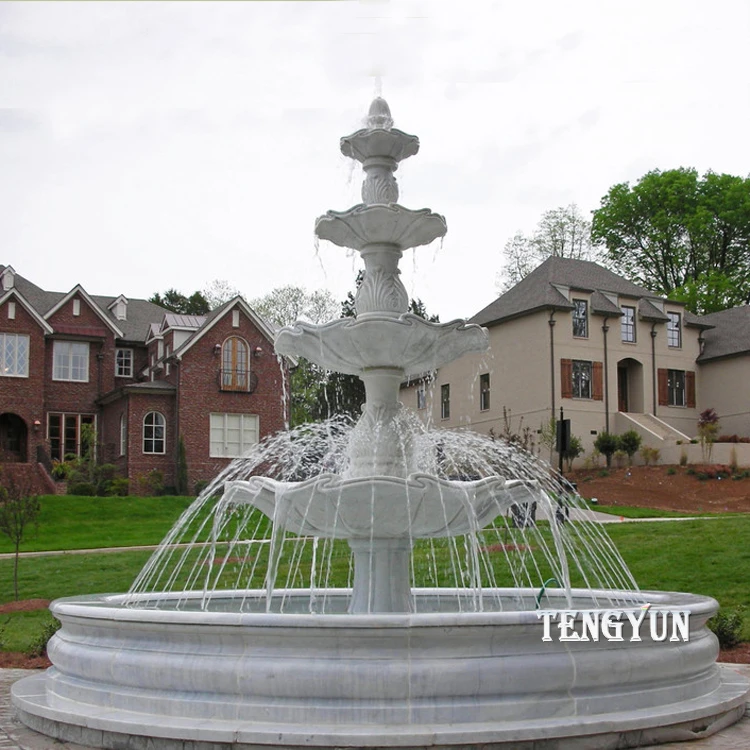
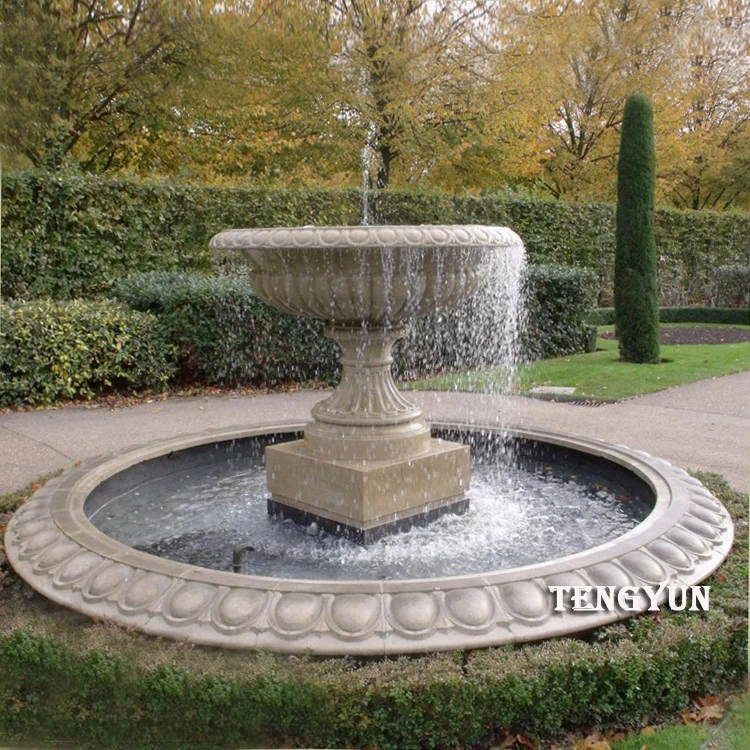
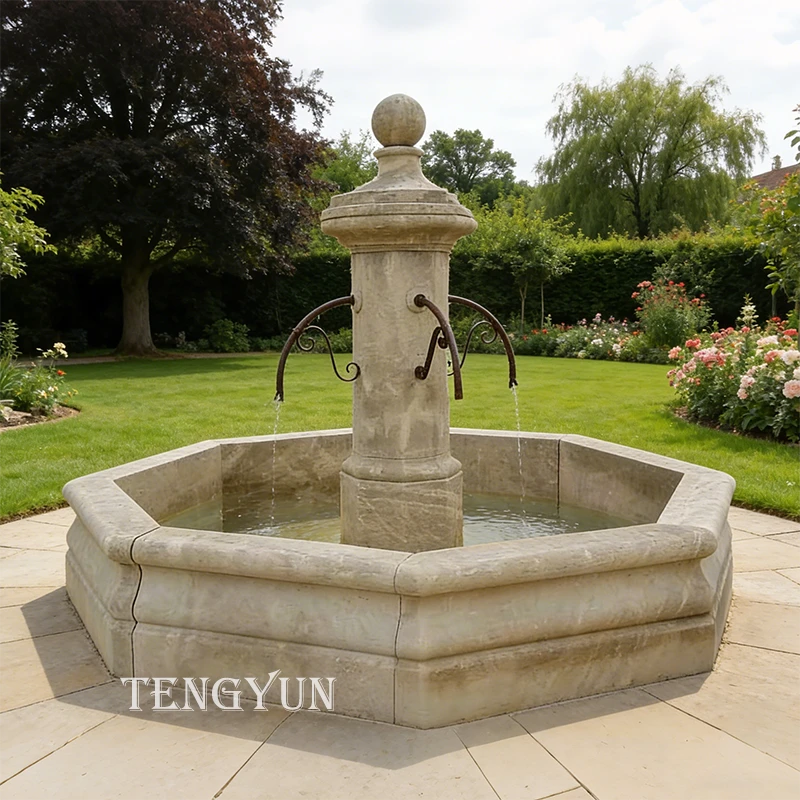
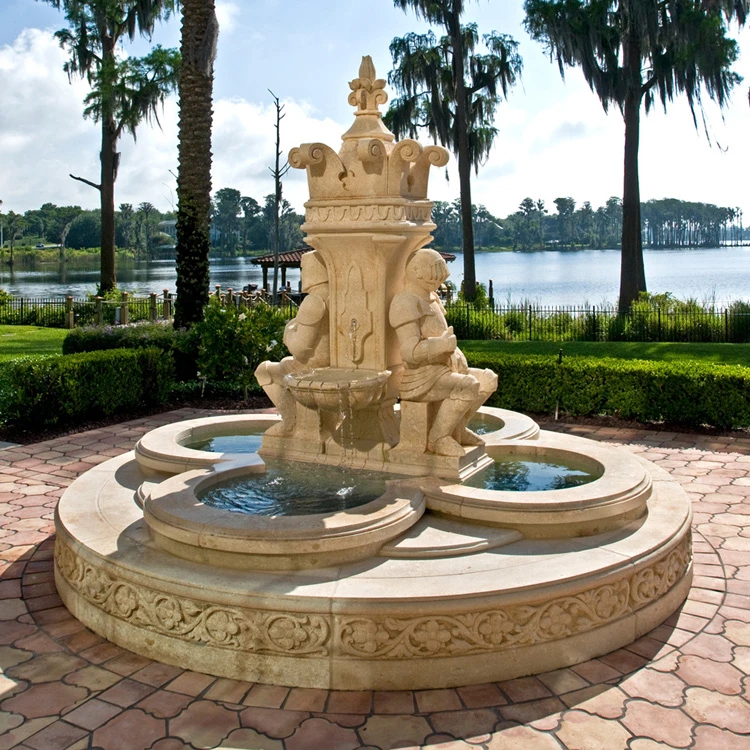
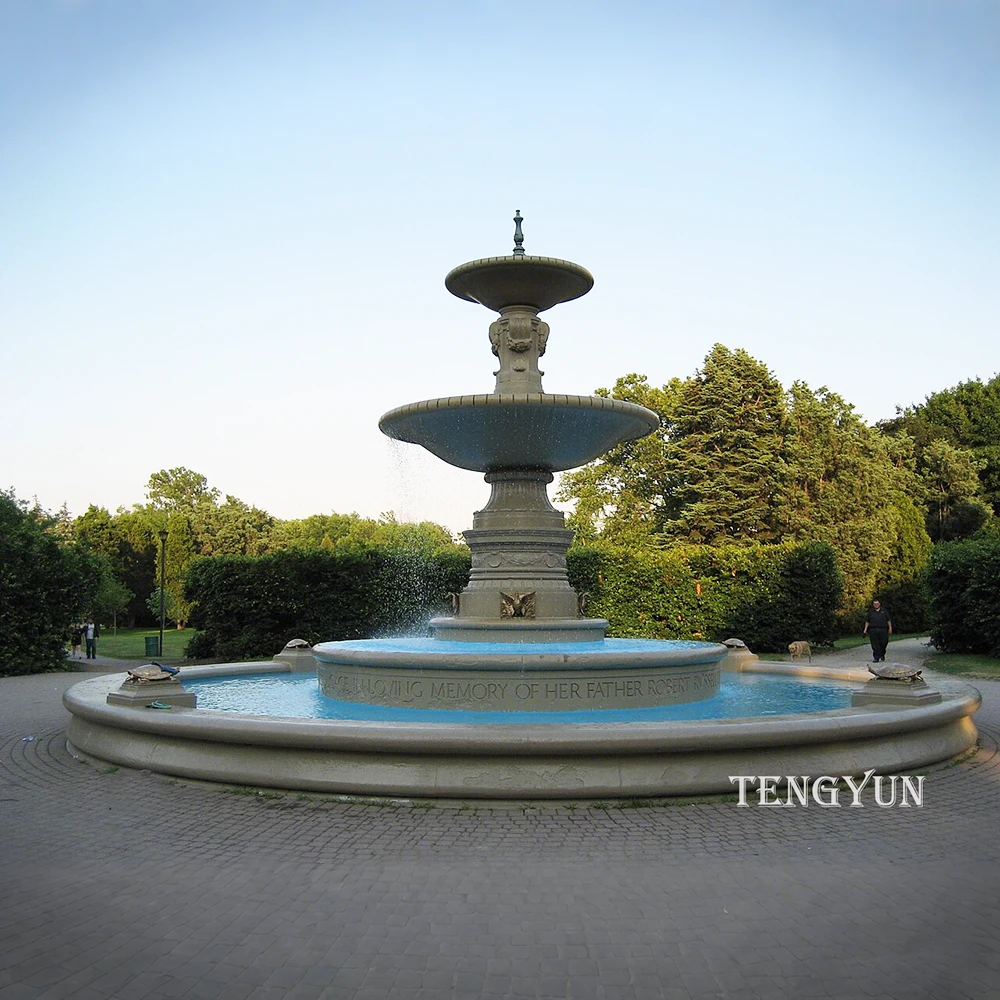
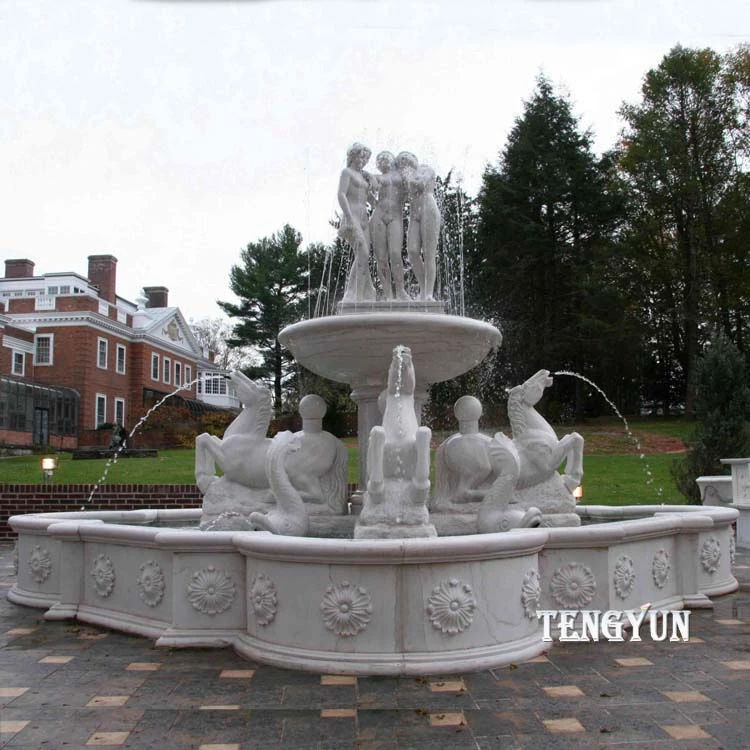
In private residential contexts, the application shifts toward personalization and tranquility. Luxury villas often incorporate water fountains combined with stone sculptures to create an oasis of calm. From the placement of a classic Marble Angel in a private garden to a minimalist Bronze Figure in a modern living room, these pieces serve as an extension of the homeowner's personality, blending art with daily living.
Long-Term Value and Emotional Investment
Investing in modern sculpture decor is not merely a purchase of a physical object, but an investment in cultural capital. Unlike mass-produced furniture, a custom-crafted sculpture often appreciates in value over time, especially when created by recognized artists or utilizing premium materials like high-grade bronze. The scarcity and craftsmanship involved make these pieces tangible assets.
Beyond the financial aspect, there is a profound emotional value. Art has the power to shift the mood of a space—a religious statue can instill a sense of reverence, while a kinetic wind sculpture can bring a playful energy to a public park. This psychological impact improves the quality of life for those interacting with the space, fostering a sense of dignity and cultural connection.
Furthermore, high-quality sculptural art contributes to the sustainability of the environment by reducing the need for temporary, disposable decor. A well-made stone or metal sculpture is designed to last for generations, embodying a "slow art" movement that rejects the ephemeral nature of modern consumerism in favor of enduring legacy.
Future Innovations in Artistic Manufacturing
The future of modern sculpture decor is being reshaped by the digital revolution. 3D scanning and CNC milling are now allowing artists to create complex geometries that were previously impossible to carve by hand. This hybrid approach—where digital precision meets traditional finishing—enables a new level of scalability and accuracy in the production of intricate bronze and marble works.
Sustainability is also driving innovation. We are seeing a rise in the use of recycled metals and eco-friendly resins, reducing the carbon footprint of the manufacturing process. Smart materials that react to temperature or light are also entering the scene, turning sculptures into interactive installations that change their appearance based on the environment, further blurring the line between art and technology.
As automation continues to evolve, the value of the "human touch" will only increase. The most prized pieces of the future will likely be those that combine high-tech structural foundations with hand-finished textures, ensuring that the soul of the artist remains present in every curve and contour of the final piece.
Comparative Analysis of Modern Sculpture Decor Implementation Strategies
|
Material Type
|
Primary Application
|
Maintenance Level
|
Investment Value
|
| Cast Bronze |
Public Plazas / Gardens |
Low (Patina) |
High |
| White Marble |
Luxury Interiors / Museums |
Medium (Polishing) |
Very High |
| Stainless Steel |
Corporate Hubs / Modern Art |
Low (Cleaning) |
Medium-High |
| Corten Steel |
Industrial Parks / Landscapes |
Very Low (Self-protecting) |
Medium |
| Fiberglass |
Themed Environments / Retail |
Medium (Repainting) |
Low-Medium |
| Cast Iron |
Historic Districts / Parks |
Medium (Rust prevention) |
Medium |
FAQS
For outdoor settings, durability is key. Bronze and Stainless Steel are ideal for most climates due to their resistance to corrosion. Corten Steel is an excellent choice for landscapes where a rustic, weathered look is desired, as it forms a protective rust layer. Avoid unsealed marble in areas with heavy acid rain or extreme pollution, as it can erode over time. Always consider the local humidity and temperature fluctuations before finalizing the material.
Yes, strategically placed art can significantly enhance a property's perceived value. In commercial real estate, a signature sculpture creates a "landmark" effect, making the building more memorable and prestigious. For residential properties, high-end art indicates a level of sophistication and luxury that appeals to premium buyers. It transforms a standard building into a curated environment, which often justifies a higher market valuation.
Figurative sculpture represents recognizable forms—people, animals, or objects—though it may be stylized. Abstract sculpture, however, uses shapes, colors, and textures to achieve its effect without attempting to represent an external reality. While figurative art often tells a specific story or honors a person, abstract art is more open to interpretation, allowing the viewer to project their own emotions and thoughts onto the piece.
Bronze requires periodic maintenance to preserve its patina. This usually involves gentle cleaning with non-abrasive soaps to remove pollutants and the application of a high-quality wax coating to prevent unwanted oxidation. Depending on the environment, this should be done every 1-3 years. Professional conservators can also "re-patinate" a piece if the original color has faded or been damaged by environmental factors.
Fiberglass is a viable alternative when weight, budget, or complex coloring are the primary concerns. It is much lighter than stone or metal, making it easier to transport and install in areas with weight restrictions (like rooftops). However, it generally lacks the long-term prestige and investment value of bronze or marble and may require more frequent repainting to maintain its appearance under UV exposure.
The best approach is to work with 3D renderings or physical maquettes (small-scale models). By placing a digital model of the sculpture into a photo of your space, you can visualize the proportions from multiple angles. A professional designer will also consider the "sightlines"—the paths people take through the space—to ensure the sculpture is seen at its best without obstructing movement or flow.
Conclusion
Integrating modern sculpture decor is a powerful way to synthesize industrial craftsmanship with artistic vision. By carefully selecting materials—from the eternal elegance of marble to the industrial strength of stainless steel—and focusing on spatial harmony, one can transform any environment into a sanctuary of inspiration. The long-term value of such installations lies not only in their physical durability but in their ability to evoke emotion and establish a lasting cultural legacy.
As we move toward a future of digital integration and sustainable manufacturing, the role of the physical sculpture becomes even more critical as a touchstone of human creativity. Whether you are enhancing a corporate headquarters or a private residence, investing in quality sculptural art is a commitment to beauty and timelessness. To explore our extensive collection of professional artistic installations, visit our website: www.firststatue.com
Post time:Apr . 17, 2026 16:21