Custom Bronze and Marble Statue Suppliers for Public Art
When sourcing high-end artistic installations for public spaces or private estates, the choice of material and manufacturing technique defines the longevity of the piece. While many look for marble statue suppliers to achieve a classical aesthetic, the integration of advanced metallurgy, such as silica sol casting for bronze, offers a durable alternative that resists the elements without sacrificing artistic detail. For project managers and architects, the challenge lies in finding a partner who can translate a complex 1:1 clay model into a permanent structure that meets precise architectural requirements.
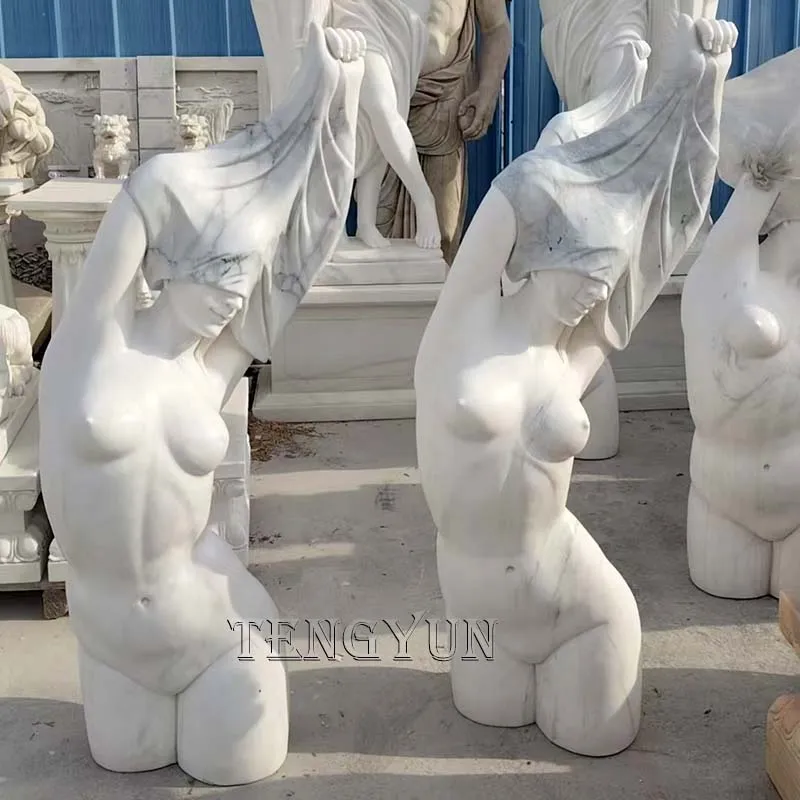
At Quyang Tengyun Carving, we specialize in the intersection of traditional artistry and modern engineering. By focusing on a comprehensive production pipeline—from initial 3D rendering to final casting—we provide sculptures that serve as focal points for gardens, museums, and corporate squares. Whether the requirement is a life-size nude figure or a monumental government installation, the synergy between material science and hand-carved precision ensures a result that transcends simple decoration to become a lasting landmark.

Precision Engineering in Bronze Casting and Material Durability
The longevity of a sculpture is primarily determined by the casting method used during production. Traditional lost-wax casting, while effective, often leaves the metal susceptible to aerugo—the green rust that develops over time. To solve this, we implement silica sol casting technology. This advanced process creates a more stable surface structure, significantly reducing the risk of permanent oxidation and ensuring that the sculpture maintains its intended patina for decades, regardless of the environmental humidity or pollutant levels.
Beyond bronze, our manufacturing capabilities extend to various high-grade materials tailored to specific application needs:
- Bronze: Ideal for high-traffic outdoor areas and monumental works due to its strength and classic appeal.
- Natural Stone/Marble: Preferred for neoclassical interiors, pavilions, and traditional garden ornamentation.
- Stainless Steel: Selected for modern, abstract designs requiring a sleek, mirrored, or brushed finish.
- Fiberglass: Used for lightweight installations where portability or specific color matching is required.
By maintaining modern workshops equipped with advanced carving and casting tools, we ensure that every piece—whether a delicate figure or a massive pillar—adheres to the highest structural standards. This technical rigor allows us to execute complex geometries that would be impossible with basic casting methods.

From Concept to Installation: The Custom Sculpture Workflow
Creating a custom sculpture is an iterative process that requires absolute alignment between the client's vision and the physical reality of the material. Our workflow begins with the conceptual design phase. For clients without a pre-existing design, our professional design team utilizes CAD, 3D drawing, and video animation to create a digital prototype. This allows stakeholders to visualize the scale and impact of the sculpture within its intended environment before any material is consumed.
The most critical stage of production is the creation of the 1:1 clay model. Our experienced clay artists hand-sculpt the figure to capture the nuances of anatomy, expression, and movement. This model serves as the master reference for the casting process. Once the clay model is approved, we move into the casting phase, where the silica sol process is applied to ensure a flawless metal skin.
This rigorous approach is why we have been trusted with large-scale government projects globally. For instance, the execution of the 4.6m high Chief statues for the Guam Museum and the 9m high Zeus statue required not only artistic skill but also engineering calculations to ensure stability and safety. Our ability to scale from small indoor ornaments to massive public monuments makes us a versatile partner for real estate developers and municipal planners.
Strategic Application Across Commercial and Private Environments
The placement of a sculpture significantly influences its aesthetic value and the way it is perceived by the audience. In real estate development, sculptures are often used as "anchor pieces" in courtyards or entry squares to increase the perceived luxury and cultural value of a property. A life-size bronze woman statue, for example, can soften the rigid lines of modern architecture, adding an element of humanism and elegance to a corporate lobby or a residential park.
For public and government spaces, the requirements shift toward symbolism and endurance. These projects often demand materials that can withstand extreme weather and high public interaction. Our use of high-grade bronze and stainless steel ensures that these installations remain pristine. The application ranges from:
- Museums and Galleries: Where anatomical accuracy and historical fidelity are paramount.
- Urban Squares: Where abstract sculptures can serve as landmarks and meeting points.
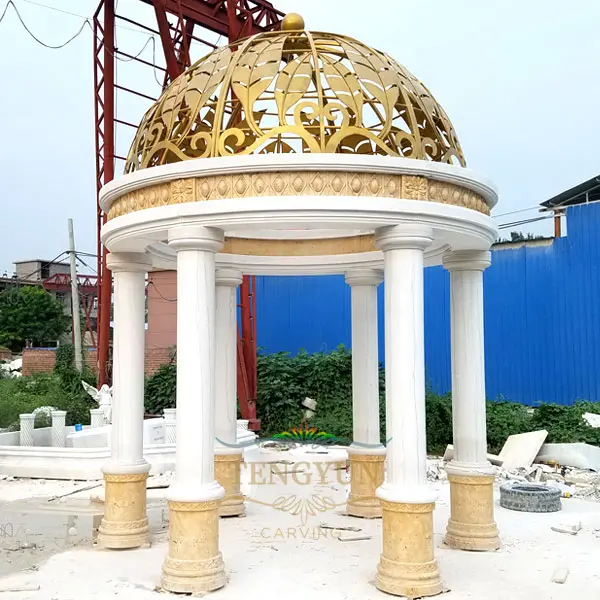
- Private Gardens: Where water fountains, gazebos, and flowerpots create a cohesive landscape design.
Understanding the relationship between the sculpture and its surrounding architecture allows us to recommend the best size and material. A sculpture that is too small will be lost in a vast square, while one that is too large may overwhelm an indoor space. Our design team provides rendering services to ensure the proportions are mathematically and visually correct.
Material Selection and Application Matrix
| Material Type | Primary Application | Weather Resistance | Customization Level |
|---|---|---|---|
| Cast Bronze | Public Squares / Museums | Very High (Silica Sol) | Full Customization |
| Natural Marble | Indoor Luxury / Pavilions | Medium (Porous) | High (Carved) |
| Stainless Steel | Modern Corporate Art | High (Anti-Corrosion) | High (Fabricated) |
| Fiberglass | Temporary Exhibits / Indoor | Medium | Very High (Molded) |
| Travertine | Gazebos / Architecture | High | Medium (Structural) |
Evaluating Supplier Capabilities for Large-Scale Projects
When vetting potential partners, procurement managers should look beyond the portfolio and examine the technical infrastructure of the manufacturer. A supplier that only offers "stock items" may struggle with the complexities of a bespoke government contract. It is essential to verify if the factory possesses its own clay modeling workshop, as this is where the artistic quality is determined. Outsourcing the model phase often leads to a loss of detail and communication errors.
Another critical factor is the export experience. Shipping a multi-ton sculpture across continents requires specialized packaging and logistics knowledge to prevent damage during transit. With over 20 years of export experience, we have developed secure crating systems that ensure the sculpture arrives at the site in the same condition it left the workshop.
Finally, consider the material transparency. A reputable manufacturer will be open about their casting processes. The distinction between traditional lost-wax and silica sol casting is a key indicator of a supplier's commitment to quality. By choosing a manufacturer that invests in upgrading production technology, buyers reduce the long-term maintenance costs associated with rust and degradation.
Trends in Modern Sculpture and Procurement Guidance
Current trends in the sculpture industry show a move toward synchronization with global architectural styles. There is a growing demand for pieces that blend classical art—such as the nude human form—with modern, abstract elements. This hybrid approach allows sculptures to fit into both traditional European estates and cutting-edge skyscrapers in the Middle East or Asia. For buyers, this means emphasizing flexibility in the design phase and selecting materials that can be finished in a variety of tones.
For those currently in the procurement process, we recommend a phased approval system: digital rendering → clay model approval → casting sample → final installation. This minimizes risk and ensures that the final product is an exact manifestation of the original vision. As the market evolves, the integration of 3D scanning and AI-assisted design is further refining the accuracy of large-scale works.
Ultimately, the value of a sculpture lies in its ability to evoke emotion and enhance its environment. By partnering with a manufacturer that values both the "votive" tradition of art and the "aggressive" pursuit of technical perfection, clients can ensure their investment adds permanent value to their property.
Frequently Asked Questions Regarding Custom Sculpture Procurement
What is the main difference between silica sol casting and traditional lost-wax casting?
Silica sol casting is an advanced lost-wax process that produces a denser and more uniform surface. Its primary advantage is the prevention of aerugo (permanent rust), making it far more suitable for outdoor installations than traditional methods.
Can you create sculptures if I only have a rough idea and no formal design?
Yes. Our professional design team can assist by creating 3D drawings, CAD models, graphic designs, and video animations to develop your concept into a workable blueprint before starting the clay model.
How do you ensure the anatomical accuracy of life-size human figures?
We employ professional clay model artists who create a 1:1 scale model first. This is the most critical step, as it allows for precise adjustments to proportions and expression before the sculpture is cast in bronze or carved in stone.
What materials are best for sculptures located in coastal areas with high salt content?
Stainless steel and bronze treated with silica sol casting are the best choices for coastal environments due to their superior corrosion resistance. Marble may be too porous for such environments unless specifically treated.
Do you handle the shipping and installation for large-scale government projects?
Yes, we have extensive experience exporting to North America, Europe, and the Middle East. We provide secure packaging and can collaborate with your local installation team to ensure the sculpture is placed correctly.
What is the typical timeline for a custom large-scale sculpture?
The timeline varies based on complexity, but typically follows a sequence of design, clay modeling, casting, and finishing. We provide a detailed project schedule upon the confirmation of the design.
Technical Resources and Industry References
- Encyclopedia Britannica - History and Techniques of Sculpture
- The Metropolitan Museum of Art - Conservation of Bronze and Stone
- Getty Conservation Institute - Material Durability Standards
- Architectural Digest - Integration of Art in Modern Landscapes
Whether you are looking for experienced marble statue suppliers or a master of bronze casting, the key to a successful project is a partner who balances artistic passion with engineering precision. Contact us today to bring your vision to life.
Related Artistic Installations and Case Studies