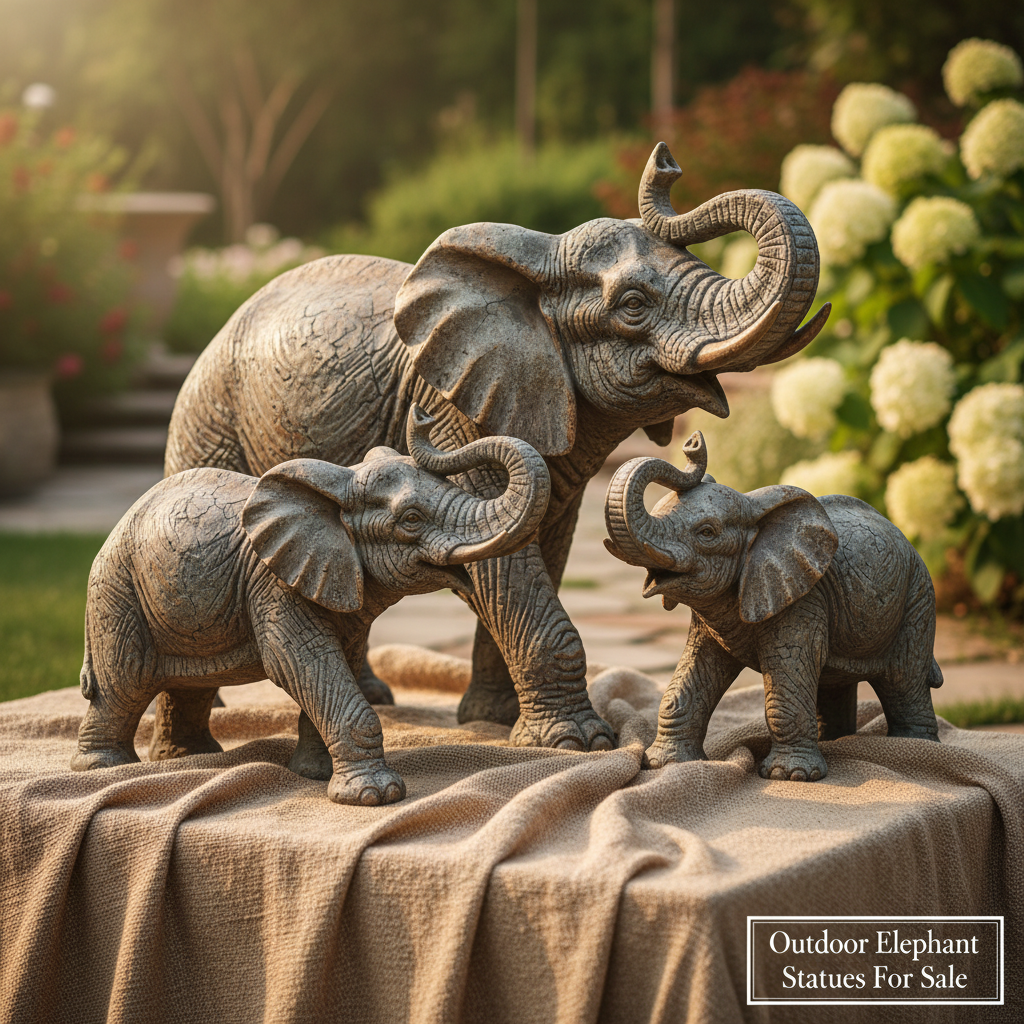
Exploring the Timeless Beauty and Evolution of Sculpture Art
Sculpture art, a timeless form of expression, has captivated audiences for millennia. From the ancient wonders of the world to contemporary installations, the creation of three-dimensional forms reflects humanity's enduring desire to communicate, commemorate, and explore the world around us. Its impact extends beyond aesthetics, influencing cultural narratives, historical understanding, and even technological innovation. Understanding sculpture art is vital because it provides a unique lens through which to interpret societal values and artistic evolution.
Globally, the market for sculpture art is substantial and growing, with significant investment from collectors, museums, and public institutions. According to recent reports, the global art market reached $65.1 billion in 2022, with sculpture representing a significant portion of sales. The United Nations Educational, Scientific and Cultural Organization (UNESCO) recognizes numerous sculptural sites as World Heritage locations, highlighting their cultural importance. This global appreciation underscores the universal language of form and the enduring power of sculpture.
The increasing accessibility of digital fabrication technologies, alongside a renewed interest in materiality and craftsmanship, is driving a renaissance in sculpture art. This revival challenges traditional boundaries and fosters experimentation, promising a vibrant future for this ancient art form. A deep understanding of sculpture art allows for informed engagement with cultural heritage and creative expression, while providing insight into a growing economic and artistic sector.

The Essence of Sculpture Art
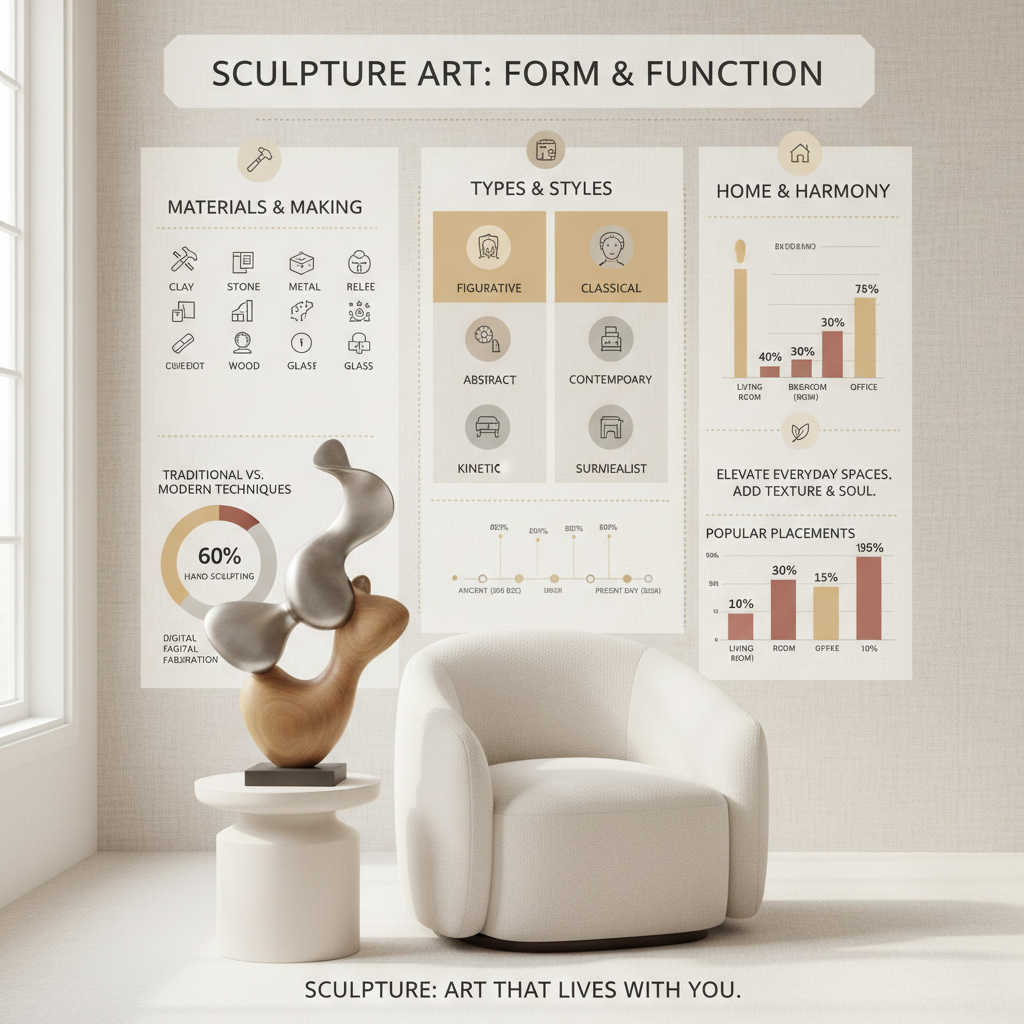
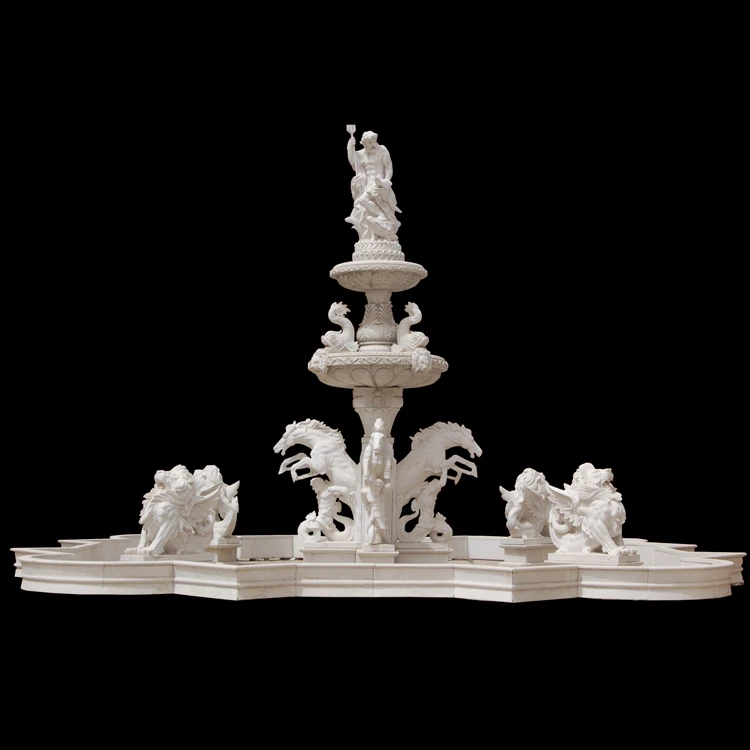
At its heart, sculpture art is the creation of three-dimensional forms, often utilizing materials like stone, metal, wood, clay, and increasingly, modern synthetics. It's a discipline that demands a profound understanding of spatial relationships, form, texture, and the expressive potential of materials. The purpose of sculpture art is vast, ranging from purely aesthetic endeavors to deeply symbolic representations of cultural beliefs, historical events, or individual emotions.
The enduring appeal of sculpture art lies in its tangible presence and ability to engage the viewer physically and emotionally. Unlike painting, which exists on a two-dimensional plane, sculpture invites interaction – a circumnavigation that reveals new perspectives and subtleties with each movement. This inherent quality positions sculpture art as a powerful medium for storytelling, commemoration, and artistic innovation.
FAQS
Contemporary sculpture art showcases a diverse range of materials, moving beyond traditional stone and bronze. Metal, including steel and aluminum, are widely used for their strength and versatility. Plastics, both recycled and virgin, are popular for their lightweight properties and moldability. Artists also frequently incorporate found objects, natural materials like wood and clay, and increasingly, digital fabrication technologies with materials like resin and 3D-printed polymers. The choice depends on the artist's vision and the desired aesthetic and structural qualities.
Conservation plays a crucial role in preserving sculpture art for future generations. Regular cleaning, protective coatings, and structural repairs are essential to prevent deterioration from environmental factors. For metal sculptures, corrosion control is paramount. Stone sculptures require attention to weathering and erosion. Preventive conservation – controlling environmental conditions like humidity and temperature – is often more effective than reactive repairs. Specialized conservators employ scientific techniques to assess the condition of sculptures and develop appropriate treatment plans.
Subtractive sculpture involves removing material from a larger block, like carving stone or wood. The artist starts with a defined mass and gradually reveals the form within. Additive sculpture, conversely, involves building up the form by adding material, such as modeling clay, welding metal, or assembling found objects. 3D printing is a modern example of additive sculpture. Each technique offers different aesthetic possibilities and requires specific skill sets.
Identifying the artist or period of a sculpture can be challenging but often possible. Stylistic characteristics are key – the way the form is rendered, the use of materials, and the overall aesthetic. Researching similar sculptures and comparing them to known works by specific artists or from particular periods can provide clues. Provenance – the history of ownership – can also be helpful. Consulting with art historians or appraisers is recommended for accurate identification.
Ethical considerations in sculpture art include sourcing materials responsibly, respecting cultural heritage, and ensuring accessibility. Artists should avoid using endangered or illegally obtained materials. Displaying sculptures in a way that is respectful of their cultural context is crucial. Making art accessible to diverse audiences, regardless of physical ability or socioeconomic status, is an important ethical goal. Considering the environmental impact of materials and processes is also increasingly important.
Digital technology has revolutionized sculpture art, offering artists new tools and creative possibilities. 3D modeling software allows for complex designs that would be difficult or impossible to create by hand. 3D printing enables the fabrication of sculptures from a wide range of materials, including plastics, metals, and ceramics. CNC milling allows for precise carving of wood, stone, and other materials. Virtual and augmented reality technologies offer new ways to experience and interact with sculpture.
Conclusion
Sculpture art represents a powerful and enduring form of human expression. From its historical roots to its contemporary innovations, sculpture continues to challenge, inspire, and enrich our lives. Its capacity to convey meaning, preserve cultural heritage, and stimulate innovation makes it an essential component of a vibrant and dynamic society. Understanding the core elements, applications, and future trends of sculpture art is vital for appreciating its significance.
Looking ahead, the integration of technology and a growing emphasis on sustainability promise an exciting future for sculpture art. By embracing new materials, techniques, and collaborative approaches, artists can push the boundaries of this ancient art form and create works that resonate with audiences for generations to come. We encourage you to explore the world of sculpture art further and appreciate its profound impact on our cultural landscape. Visit our website: sculpture art.
Post time:Feb . 27, 2026 06:25