The Role of Human Sculptures in Classical European Gardens Featuring Marble Nude Lady Statue
Classical European gardens are celebrated for their balance, symmetry, and artistic storytelling. Among the most important elements in these gardens are human sculptures, which serve not only as decorative features but also as symbolic expressions of mythology, religion, and human beauty. Sculptures such as the marble nude lady statue, female sculpture, ва male sculpture have played a central role in shaping the identity and emotional atmosphere of these historic landscapes. From the Renaissance to the Baroque and Neoclassical periods, carefully positioned sculptures helped define spatial structure, guide visual flow, and reinforce cultural values.
In classical European gardens, sculptures were never randomly placed. Every stone marble nude lady statue and marble lady sculpture was strategically positioned to enhance perspective, emphasize symmetry, and create meaningful focal points. These sculptures often represented mythological figures, deities, or allegorical concepts such as love, strength, purity, and wisdom. Additionally, female religious statues were frequently included to express spiritual devotion and reinforce religious symbolism within garden spaces connected to churches, monasteries, or aristocratic estates.
Today, these sculptural traditions continue to influence modern landscape architecture, demonstrating the lasting importance of human sculptures in garden design.
Symbolic Meaning and Cultural Expression Through Female Sculpture and Male Sculpture
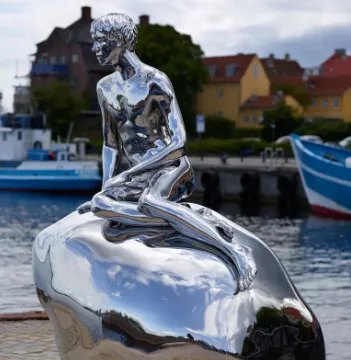
Human sculptures in classical European gardens were deeply connected to cultural identity and philosophical ideals. A female sculpture, especially a marble nude lady statue, often symbolized beauty, fertility, grace, and nature. These sculptures were inspired by ancient Greek and Roman mythology, where female figures represented goddesses such as Venus, Diana, and Aphrodite.
The presence of a stone marble nude lady statue reflected the Renaissance revival of classical art and humanism. Artists and designers believed that the human body represented perfection and harmony. By placing a marble lady sculpture in garden settings, designers created a visual connection between human beauty and natural landscapes.
In contrast, the male sculpture symbolized strength, heroism, and protection. Male figures often depicted mythological heroes, warriors, or gods such as Apollo or Hercules. These sculptures were commonly positioned in prominent locations, such as central plazas or near entrances, to create a sense of authority and balance.
Together, the combination of female sculpture and male sculpture created harmony between masculine and feminine elements. This balance was essential in classical European garden design, reinforcing philosophical ideas about order, symmetry, and universal harmony.
Additionally, female religious statues played a unique role in expressing spiritual meaning. These sculptures often represented saints, angels, or the Virgin Mary, bringing a sacred atmosphere to garden spaces associated with religious institutions or private devotional areas.
Spatial Organization and Visual Guidance Using Marble Lady Sculpture
One of the most important functions of human sculptures in classical European gardens was to define spatial organization. Designers used sculptures such as the marble lady sculpture and stone marble nude lady statue to guide movement and create visual pathways.
For example, placing a marble nude lady statue at the end of a garden path created a strong focal point that drew visitors forward. This technique, known as axial design, was commonly used in French formal gardens such as those at Versailles. The sculpture served as both a visual destination and an artistic highlight.
Similarly, a female sculpture positioned at intersections or along walkways helped define transitions between different garden zones. These sculptures marked entrances to courtyards, terraces, or hidden garden rooms, enhancing the sense of exploration and discovery.
A male sculpture was often used in central plazas or near fountains to establish dominance and symmetry. These figures reinforced the geometric structure of the garden and created balance with surrounding architectural features.
The placement of female religious statues also played an important spatial role. These sculptures were frequently located near chapels, reflective gardens, or quiet corners, encouraging contemplation and spiritual reflection.
By carefully positioning each marble lady sculpture, designers ensured that every viewpoint offered a harmonious and visually engaging composition.
Enhancing Emotional Atmosphere and Artistic Narrative with Stone Marble Nude Lady Statue
Beyond structural and symbolic functions, sculptures significantly enhanced the emotional atmosphere of classical European gardens. A stone marble nude lady statue conveyed elegance, calmness, and timeless beauty. The smooth surface of marble reflected light softly, creating a lifelike and ethereal presence.
A female sculpture placed near water features, such as fountains or pools, amplified feelings of tranquility and romance. The reflection of the marble nude lady statue in water added depth and visual poetry to the environment.
Likewise, a male sculpture depicting heroic or dynamic poses added drama and energy to garden spaces. These sculptures created contrast with the peaceful surroundings, making the landscape more engaging and emotionally rich.
Female religious statues contributed a sense of reverence and spirituality. Their presence transformed garden areas into sacred spaces for meditation and reflection. These sculptures reminded visitors of religious values and reinforced the connection between nature, art, and faith.
The artistic narrative created by combining marble lady sculpture, female sculpture, ва male sculpture allowed gardens to tell stories. Visitors could experience themes of mythology, love, heroism, and spirituality simply by walking through the landscape.
Architectural Integration and Long-Term Legacy of Marble Nude Lady Statue
Human sculptures were essential in connecting garden design with surrounding architecture. A marble nude lady statue placed near terraces, staircases, or building facades helped transition between architectural and natural elements.
The durability of marble ensured that sculptures such as the stone marble nude lady statue could withstand outdoor conditions for centuries. Many classical European gardens still feature original marble lady sculpture pieces that remain intact today, demonstrating the long-lasting value of marble as an artistic material.
A female sculpture enhanced architectural symmetry, while a male sculpture reinforced structural strength and balance. Together, these sculptures unified the entire garden composition.
Female religious statues also strengthened the connection between gardens and religious architecture. Their placement near churches or monasteries emphasized the spiritual purpose of the space.
Today, modern landscape designers continue to use the same principles established in classical European gardens. Sculptures such as the marble nude lady statue remain highly valued for their artistic beauty, historical significance, and ability to enhance outdoor environments.
Conclusion
Human sculptures played a vital role in shaping classical European gardens, serving symbolic, structural, and emotional functions. The use of the marble nude lady statue, female sculpture, female religious statues, male sculpture, stone marble nude lady statue, ва marble lady sculpture helped define spatial organization, enhance artistic storytelling, and reinforce cultural and philosophical ideals.
These sculptures transformed gardens into immersive artistic environments where nature, architecture, and human creativity existed in perfect harmony. Their timeless beauty and symbolic meaning continue to inspire landscape design today, proving that human sculptures remain an essential element in creating elegant and meaningful outdoor spaces.
Post time:Feb . 27, 2026 14:55