Stone Figure Sculptures: Materials, Craftsmanship, and Outdoor Durability Explained – Figure Sculpture Guide
Stone art has played a central role in human civilization for thousands of years, from ancient temples and royal gardens to modern landscapes and architectural spaces. A well-crafted Figure sculpture is more than decoration—it is a lasting expression of culture, craftsmanship, and material excellence. Today, stone sculptures are widely used in outdoor plazas, luxury villas, memorial spaces, and public art projects because of their durability and timeless aesthetic. Among the most respected materials are marble figure sculpture, travertine figure sculpture، او limestone figure sculpture, each offering distinct visual qualities and performance characteristics. This article explores how these materials are selected, how a high quality marble figure statue is created, and why stone figure sculptures remain a premium choice for outdoor and architectural applications.

Figure Sculpture: Artistic Expression Carved in Stone
A Figure sculpture focuses on the human form, capturing posture, emotion, movement, and proportion in three-dimensional space. Unlike abstract or geometric sculptures, figure sculptures require exceptional technical skill, as even minor inaccuracies in anatomy or balance can affect the realism and artistic impact. Stone has long been the preferred medium for figure sculpture due to its strength, permanence, and ability to hold fine details over centuries.
When creating a Figure sculpture, artists begin with concept drawings and clay or plaster models before translating the design into stone. This process demands both artistic sensitivity and deep knowledge of the material. Marble, travertine, and limestone each respond differently to chiseling, polishing, and finishing, which is why material selection is critical from the earliest design stage.
In outdoor environments, a Figure sculpture must also withstand changing temperatures, moisture, wind, and sunlight. Natural stone performs exceptionally well under these conditions, especially when properly selected and finished. This combination of artistic depth and structural reliability explains why stone figure sculptures remain a top choice for collectors, architects, and city planners worldwide.
Marble Figure Sculpture: Precision, Elegance, and Lasting Beauty
A marble figure sculpture is often considered the pinnacle of classical stone art. Marble’s fine grain structure allows sculptors to carve intricate facial expressions, flowing garments, and subtle muscle transitions with remarkable clarity. This is why many of history’s most famous statues are marble works that have survived for centuries.
One of the defining characteristics of a marble figure sculpture is its natural translucency. Light penetrates slightly beneath the surface, creating a soft glow that enhances realism, particularly in human skin textures. This visual depth cannot be easily replicated by other stones, making marble the preferred choice for premium artistic projects.
A high quality marble figure statue is typically produced from carefully selected marble blocks with minimal veins and consistent density. Skilled artisans use a combination of hand tools and modern equipment to ensure accuracy while preserving the stone’s natural beauty. Polishing techniques vary depending on the desired finish, ranging from a smooth, reflective surface to a matte, antique appearance.
In outdoor settings, a high quality marble figure statue performs well when properly sealed and maintained. While marble is slightly more porous than some stones, professional surface treatments significantly enhance weather resistance. As a result, marble figure sculptures are commonly used in luxury gardens, historical restorations, and landmark architectural projects.
Travertine Figure Sculpture: Natural Texture and Timeless Warmth
A travertine figure sculpture offers a distinctly different aesthetic compared to marble. Known for its earthy tones and natural surface voids, travertine provides a warmer, more organic appearance. This makes it especially suitable for Mediterranean-style architecture, landscape design, and outdoor environments that emphasize harmony with nature.
The natural texture of a travertine figure sculpture adds character and depth, even without heavy polishing. Sculptors often work with the stone’s inherent patterns, allowing the material to guide the artistic expression. While travertine is slightly softer than marble, it is still highly durable and has been used in construction and sculpture since ancient Roman times.
From a practical perspective, a travertine figure sculpture performs well outdoors due to its resistance to temperature changes and natural weathering processes. Its surface tends to age gracefully, developing a patina that enhances its visual appeal rather than diminishing it. This makes travertine an excellent choice for long-term outdoor installations where a natural, aged look is desirable.
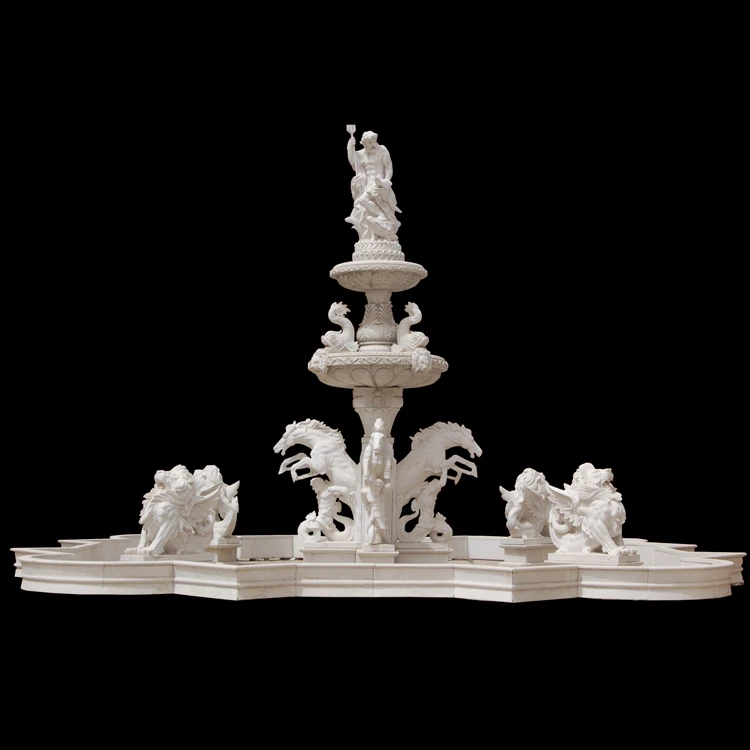
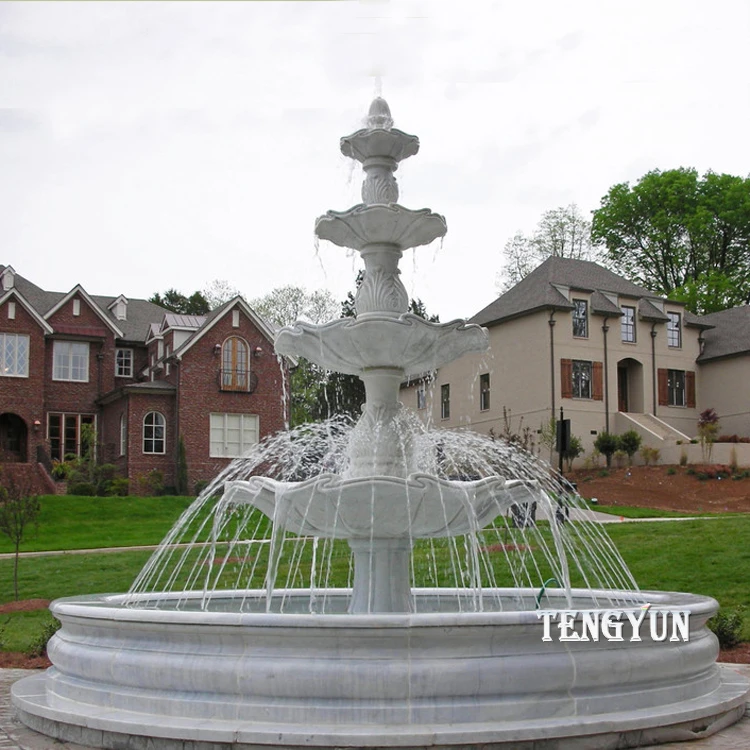
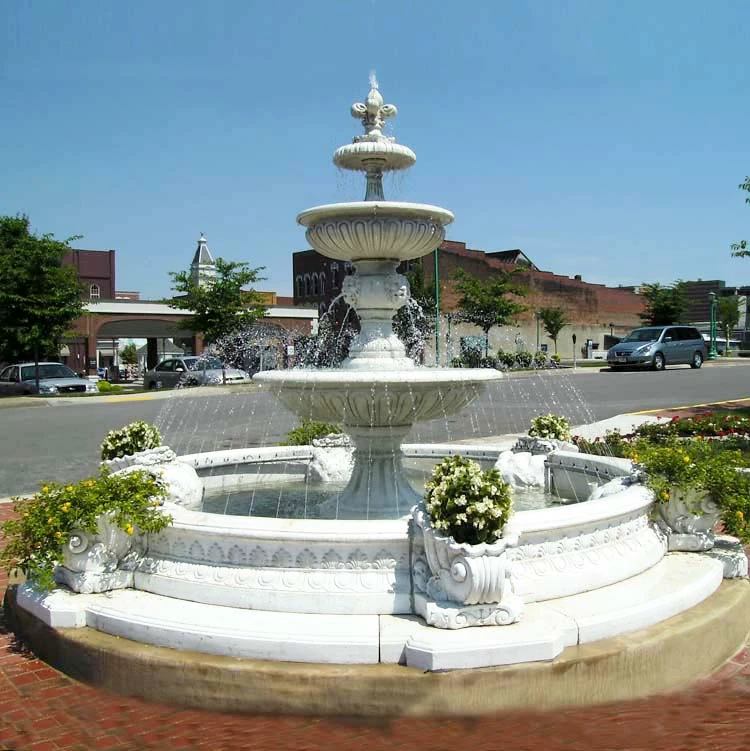
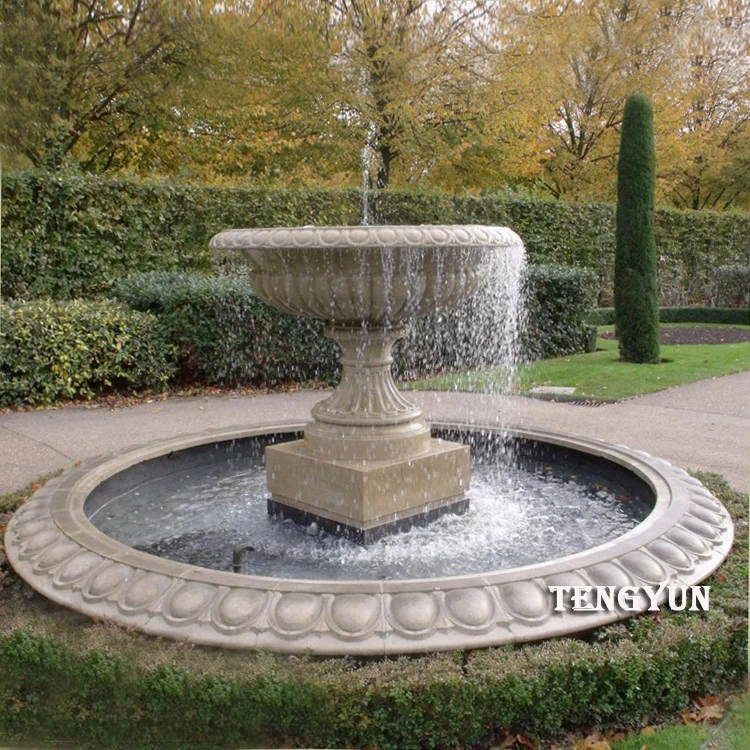
Travertine figure sculptures are commonly found in courtyards, fountains, public squares, and resort landscapes. Their understated elegance and strong connection to natural surroundings make them a versatile option for both traditional and contemporary design concepts.
Limestone Figure Sculpture: Strength, Stability, and Architectural Harmony
A limestone figure sculpture is valued for its balance between workability and structural strength. Limestone has a more uniform texture than travertine and is generally less translucent than marble, giving it a solid, grounded appearance. This quality makes limestone particularly suitable for large-scale sculptures and architectural integration.
Artists appreciate limestone because it allows for precise carving while maintaining excellent stability. A limestone figure sculpture can display strong lines, clear forms, and durable surfaces that hold up well in outdoor environments. Its natural color range—from light beige to soft gray—blends seamlessly with stone buildings, monuments, and landscape elements.
Historically, limestone has been widely used in both sculpture and construction, which speaks to its long-term reliability. In modern applications, a limestone figure sculpture is often chosen for public art projects, memorials, and institutional spaces where durability and low maintenance are essential.
Compared to marble, limestone requires less polishing and is generally more forgiving in outdoor exposure. With proper craftsmanship, a limestone figure sculpture can maintain its form and presence for decades, making it a cost-effective and visually consistent solution for large installations.
Choosing the Right Material for a High Quality Marble Figure Statue and Beyond
Selecting the right stone depends on artistic goals, environmental conditions, and budget considerations. A high quality marble figure statue is ideal when fine detail, elegance, and visual impact are the top priorities. For projects that emphasize natural texture and outdoor harmony, a travertine figure sculpture may be the better choice. Meanwhile, a limestone figure sculpture excels in architectural settings where strength and cohesion are essential.
Regardless of material, craftsmanship remains the most critical factor. Skilled artisans understand how to respect the stone’s natural properties while achieving the desired artistic result. When material quality and workmanship align, a Figure sculpture becomes a lasting work of art that enhances its surroundings and retains value over time.
In conclusion, stone figure sculptures continue to stand as symbols of artistry, durability, and cultural heritage. Whether it is a refined marble figure sculpture, a warm travertine figure sculpture, or a solid limestone figure sculpture, each material offers unique advantages. Investing in a high quality marble figure statue or other stone figure sculpture means choosing timeless beauty that endures across generations.
Post time:Jan . 26, 2026 14:19