Things Landscape Designers Should Know Before Buying Stone Planters
Stone planters are more than decorative containers—they are long-term landscape elements that influence spatial structure, plant health, and overall design harmony. For landscape designers, selecting the right stone planter requires careful evaluation beyond appearance alone. Factors such as material performance, size proportion, installation conditions, and long-term maintenance all play critical roles. Whether you are specifying a garden stone planter pot, white stone planter, garden marble flower pot, stone marble planter, or granite stone planter, understanding these key details before purchasing will help ensure design success and project durability.
Understanding the Role of Stone Planters in Landscape Design
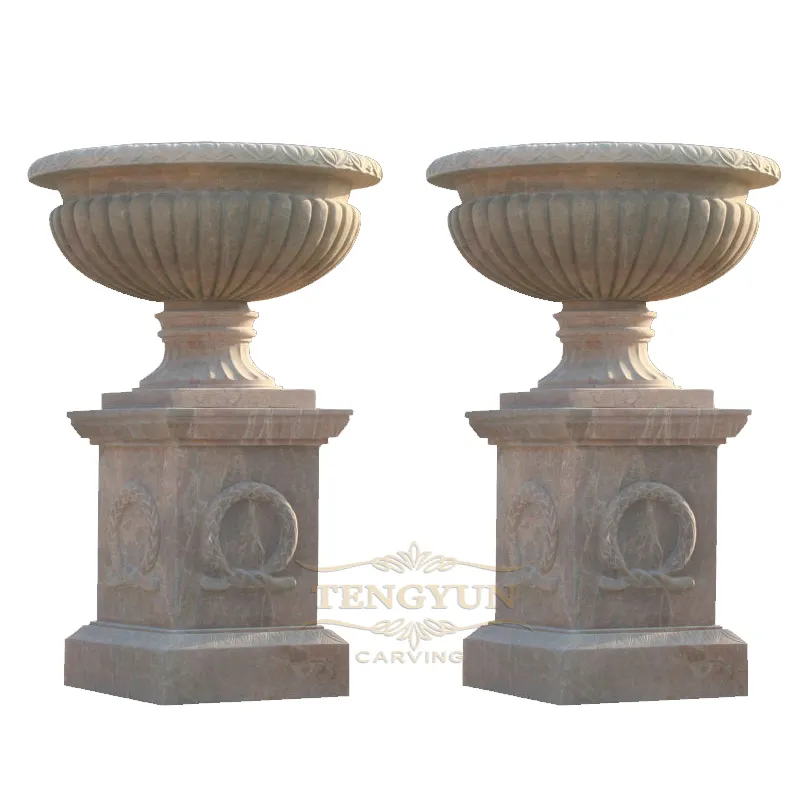
In professional landscaping projects, stone planters often serve multiple purposes at once. A well-chosen garden stone planter pot can act as:
A visual focal point
A spatial divider
A transition element between hardscape and greenery
A permanent architectural feature
Unlike lightweight containers, stone planters are usually installed with long-term intent. This means that mistakes in material or size selection can be difficult and costly to correct. Landscape designers must therefore evaluate stone planters as part of the overall architectural system, not as interchangeable accessories.
Size and Proportion: Matching Planters to Space and Plants
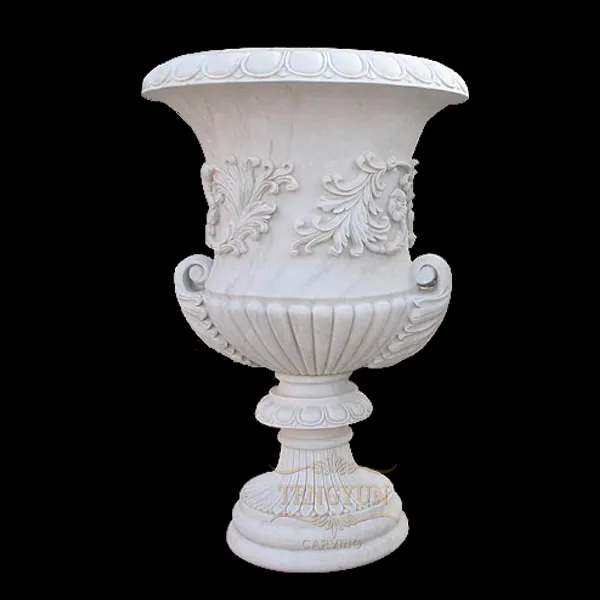
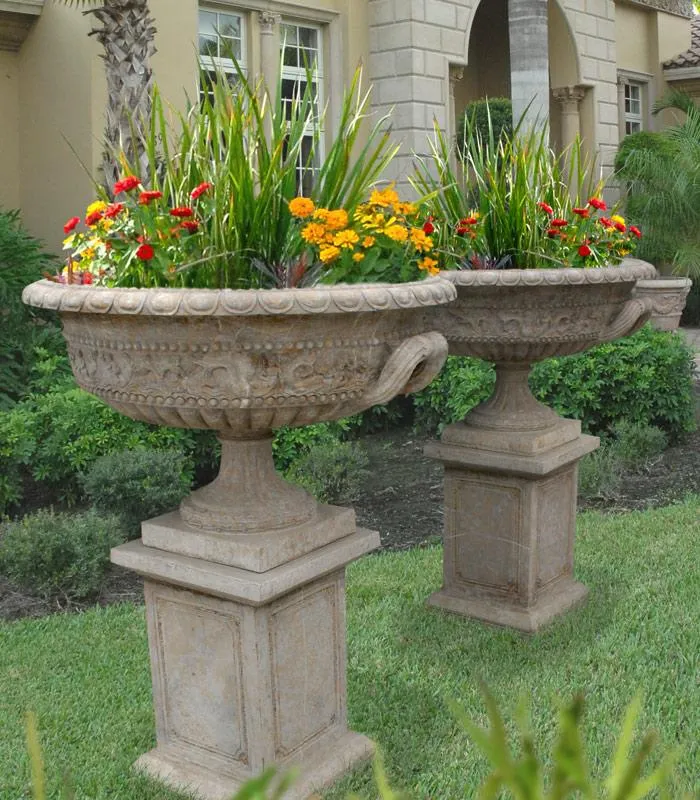
One of the most common issues in landscape projects is improper planter sizing. A stone marble planter that looks impressive in isolation may feel overwhelming in a small courtyard, while an undersized planter can appear insignificant in a large plaza.
Before selecting a garden stone planter pot, designers or buyers should consider:
Scale of surrounding buildings and open space
Plant species and root depth
Viewing distance and perspective
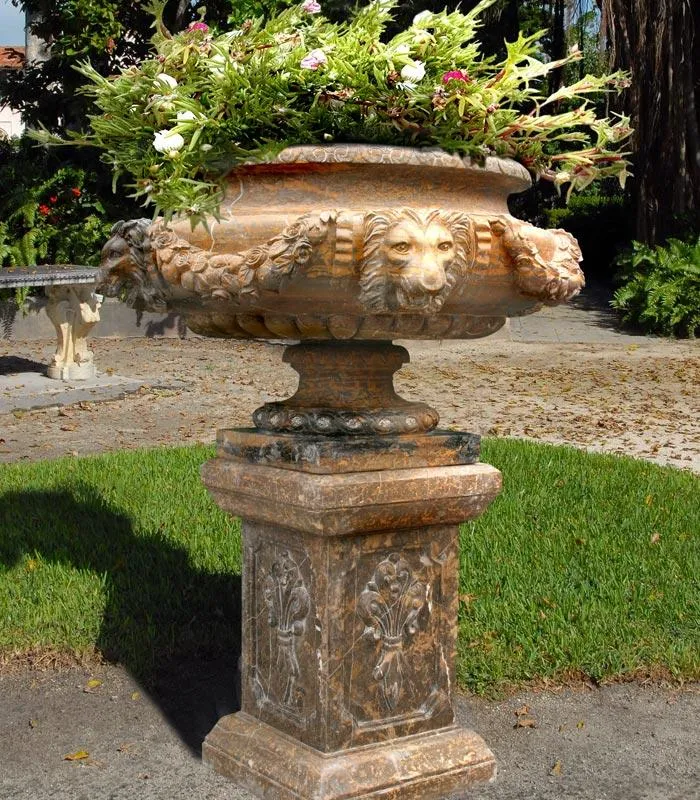
For example, a luxury garden marble flower pot with refined detailing works best when it can be appreciated at close range, such as along pathways or near seating areas. In contrast, large open areas benefit from bolder forms such as a large size granite stone planter, which maintains visual weight even from a distance.
Before purchase, TENGYUN provides free professional advice on size and design style selection to help clients choose the most suitable solution for their project.
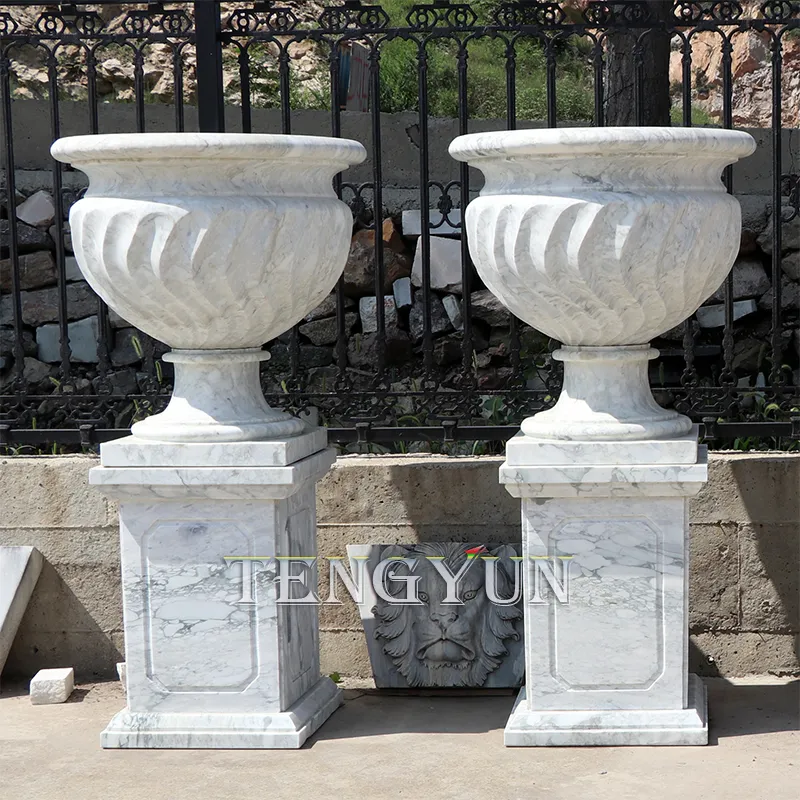
Material Knowledge: Choosing the Right Stone for the Environment
Material selection is one of the most critical decisions landscape designers make when specifying stone planters. Each stone type behaves differently in outdoor conditions.
Click here to check the common materials for stone flowerpots: Common Materials Used in Hand-Carved Stone Planters: A Manufacturer’s Guide to Stone Flowerpot Selection
Popular stone flower pots:
Garden Marble Flower Pot: Elegance with Care Requirements
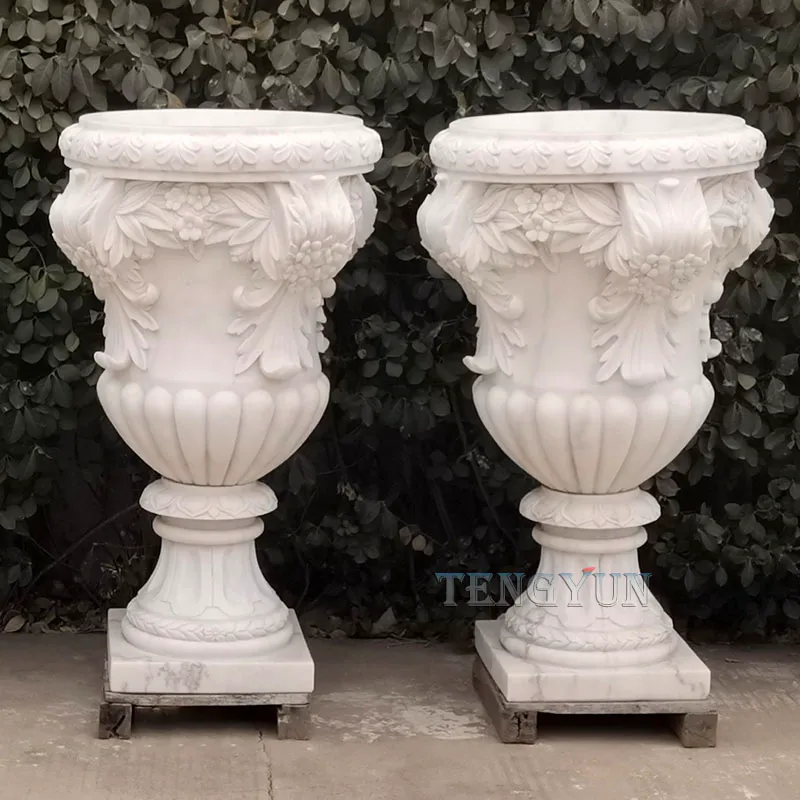
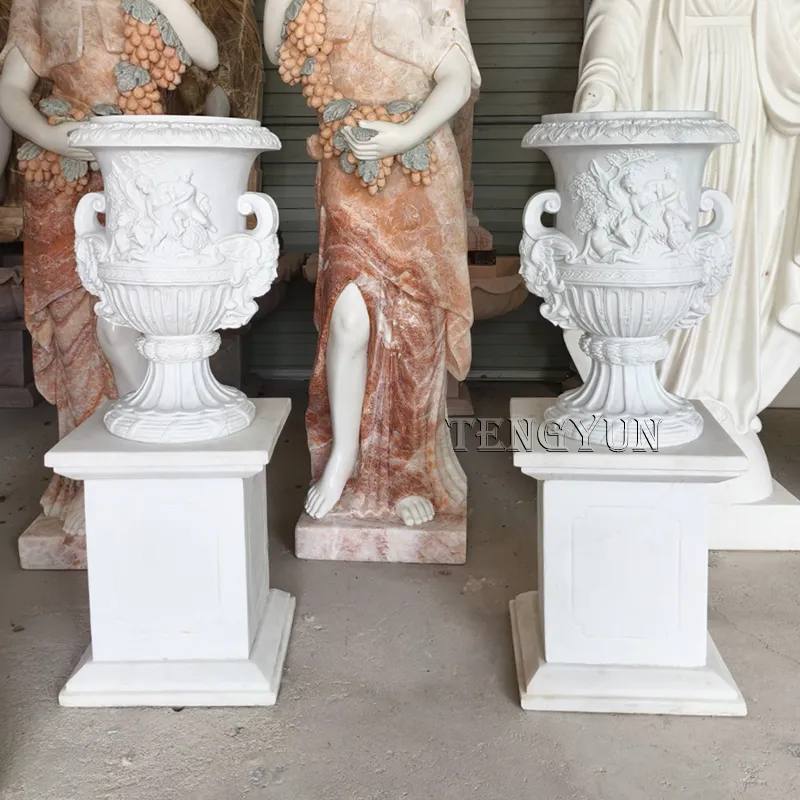
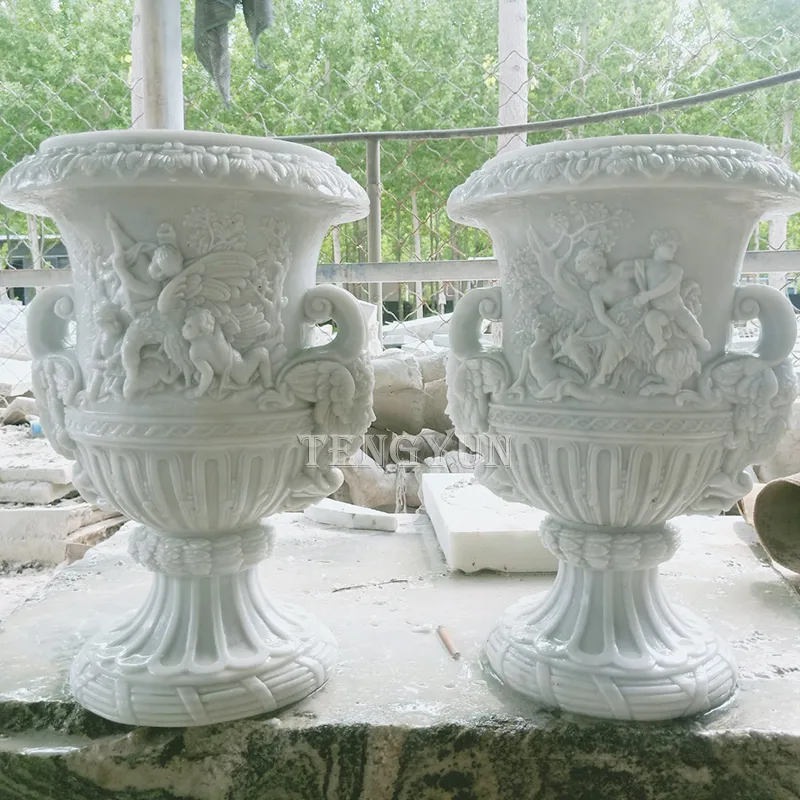
A garden marble flower pot is often chosen for its elegance, smooth texture, and classical appearance. Marble is especially suitable for formal gardens, villas, and architectural landscapes.
However, designers should understand that:
Marble is more sensitive to acidic rain and pollution
Surface patina may change over time
Regular maintenance is recommended
A stone marble planter is ideal for decorative planting and visually prominent areas but should be placed in environments where long-term care is feasible.
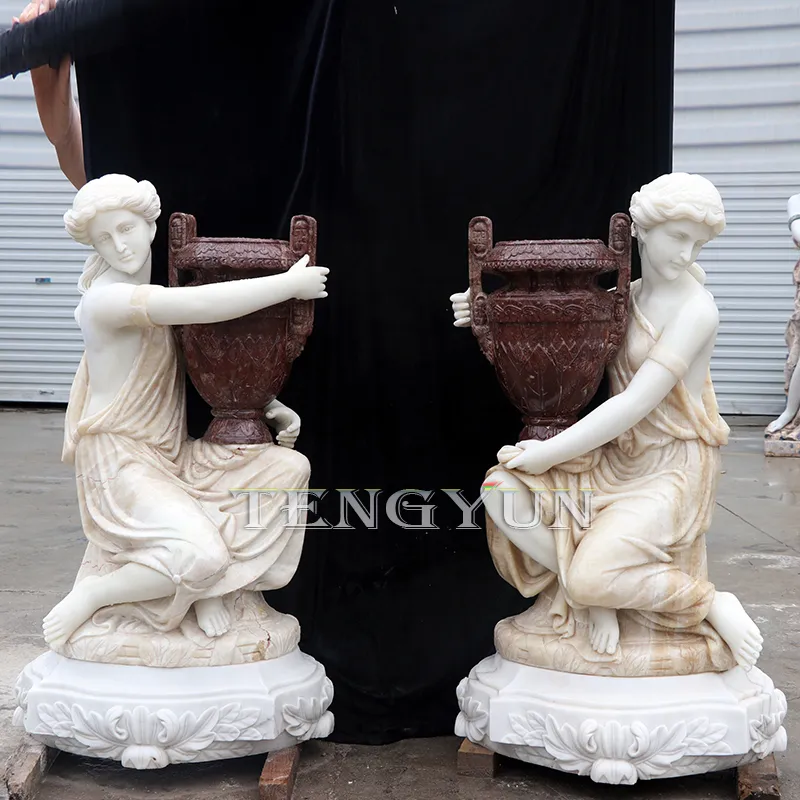
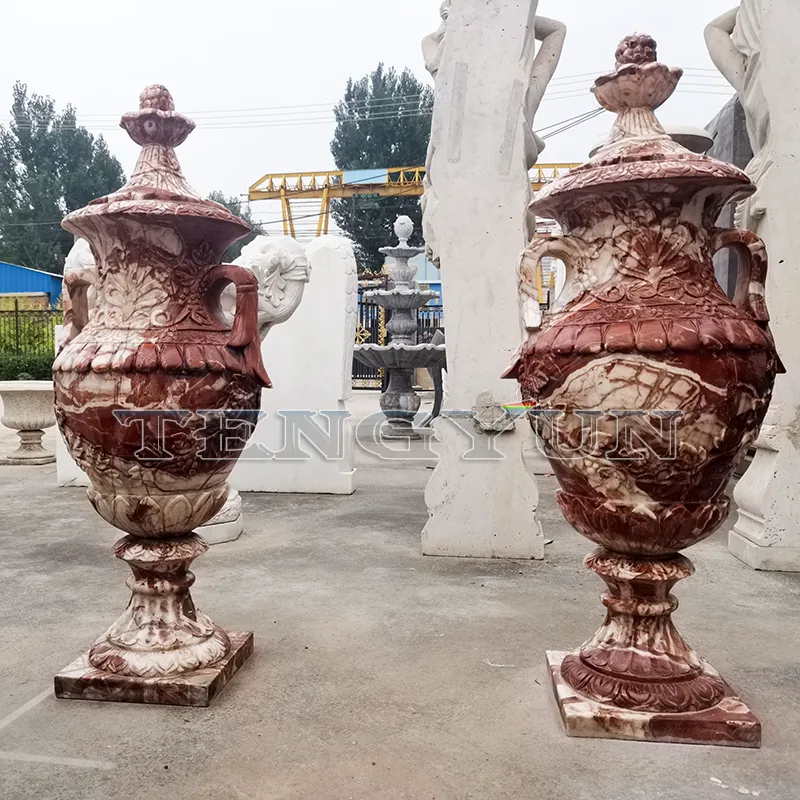
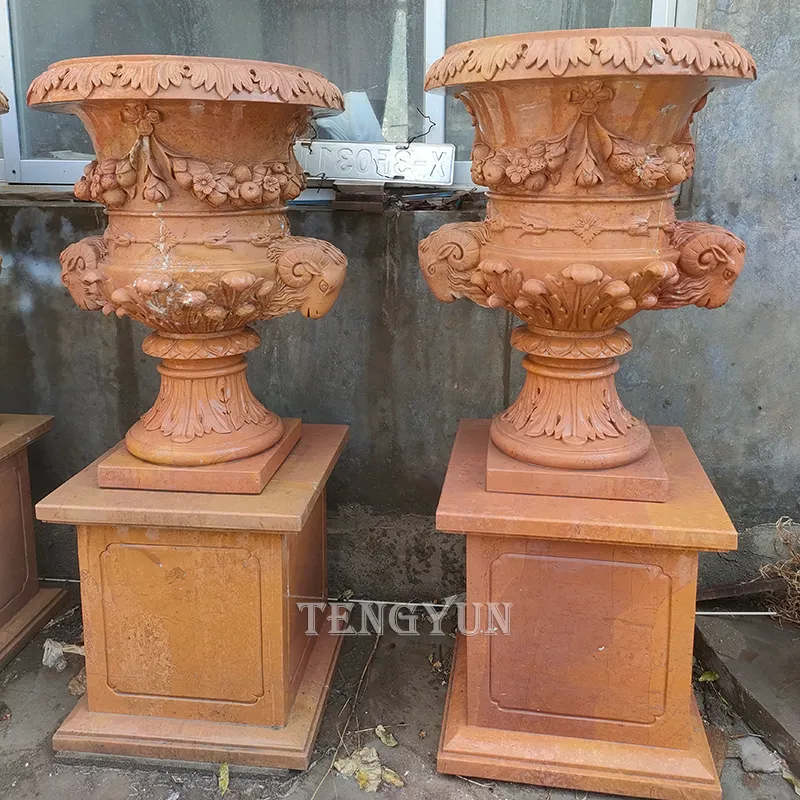
White Stone Planter: Modern Aesthetics and Light Reflection
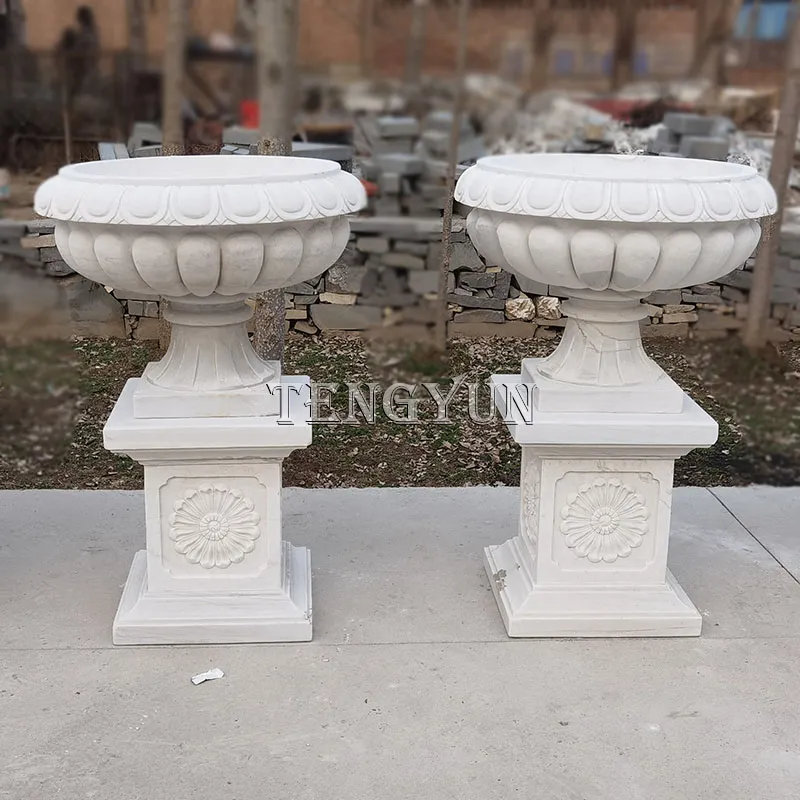
A white stone planter is a popular choice in modern and minimalist landscape designs. Its bright tone enhances plant color contrast and creates a clean, organized visual effect.
Designers should note that:
White stone highlights dirt and water stains more easily
Placement should consider irrigation splash zones
Periodic cleaning is needed to maintain appearance
When used correctly, a white stone planter can significantly elevate contemporary outdoor spaces such as terraces, rooftop gardens, and commercial courtyards.
Granite Stone Planter: Strength for High-Traffic Areas
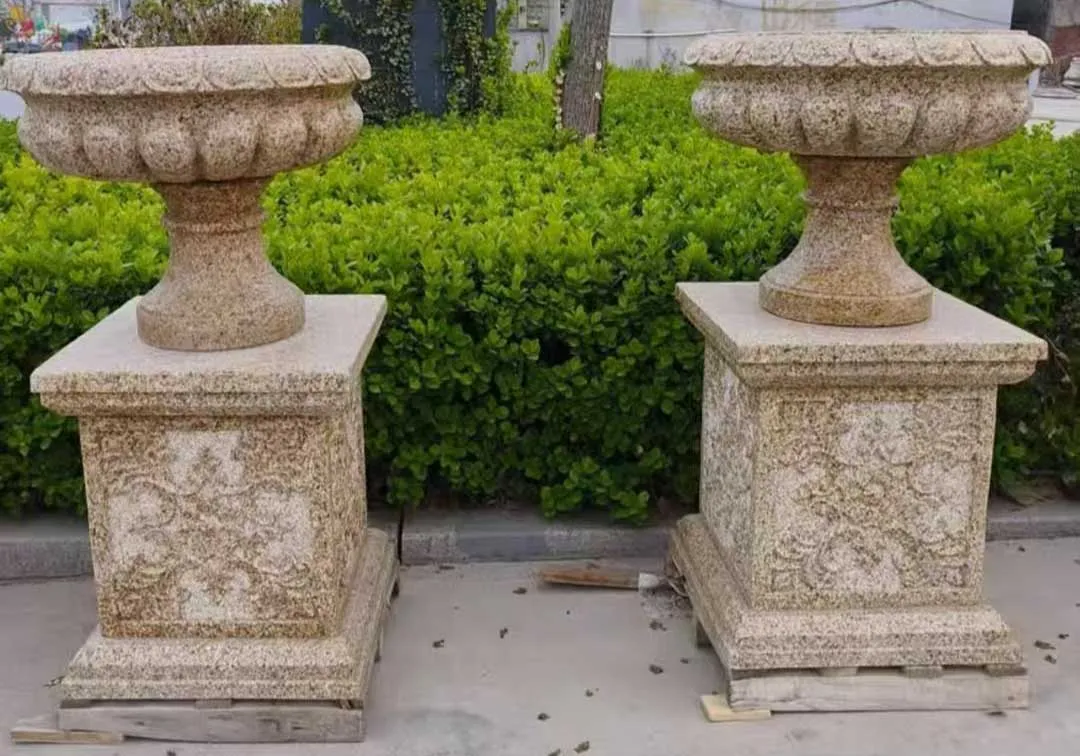
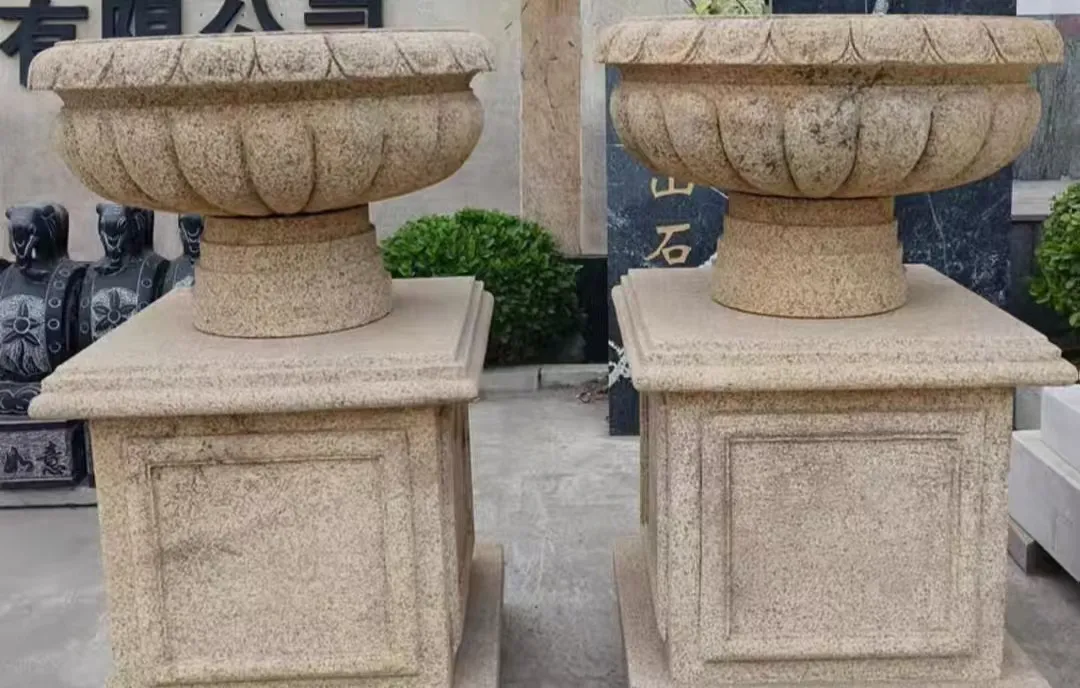
For public spaces, commercial projects, and exposed outdoor environments, a granite stone planter offers unmatched durability. Granite’s high density makes it resistant to cracking, erosion, and weather extremes.
Advantages of a granite stone planter include:
Minimal maintenance requirements
Excellent stability in windy or open areas
Long service life in harsh climates
Landscape designers often specify granite stone planter solutions for parks, plazas, and urban streetscapes where performance is more important than intricate carving detail.
 |
 |
Drainage and Plant Health: A Functional Priority
A beautiful planter that fails to support plant health is a design failure. Drainage is one of the most overlooked details when selecting stone planters.
Designers should confirm that each garden stone planter pot includes:
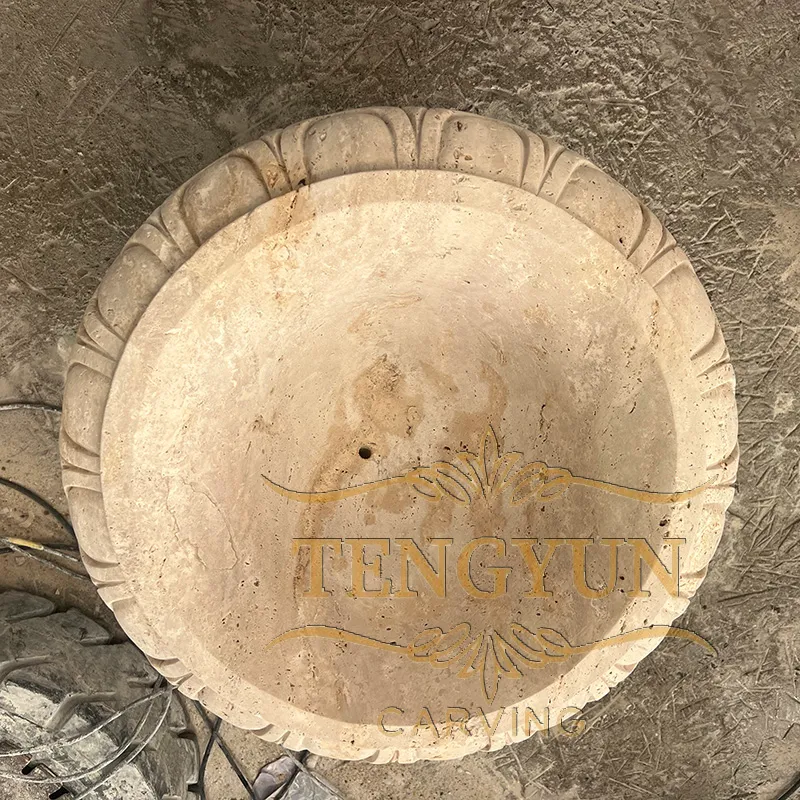
Properly sized drainage holes
Adequate internal depth for root systems
Compatibility with drainage layers (gravel or sand)
For heavier materials such as a stone marble planter or granite stone planter, drainage design is especially important, as excess water can increase weight and stress both plants and structure.
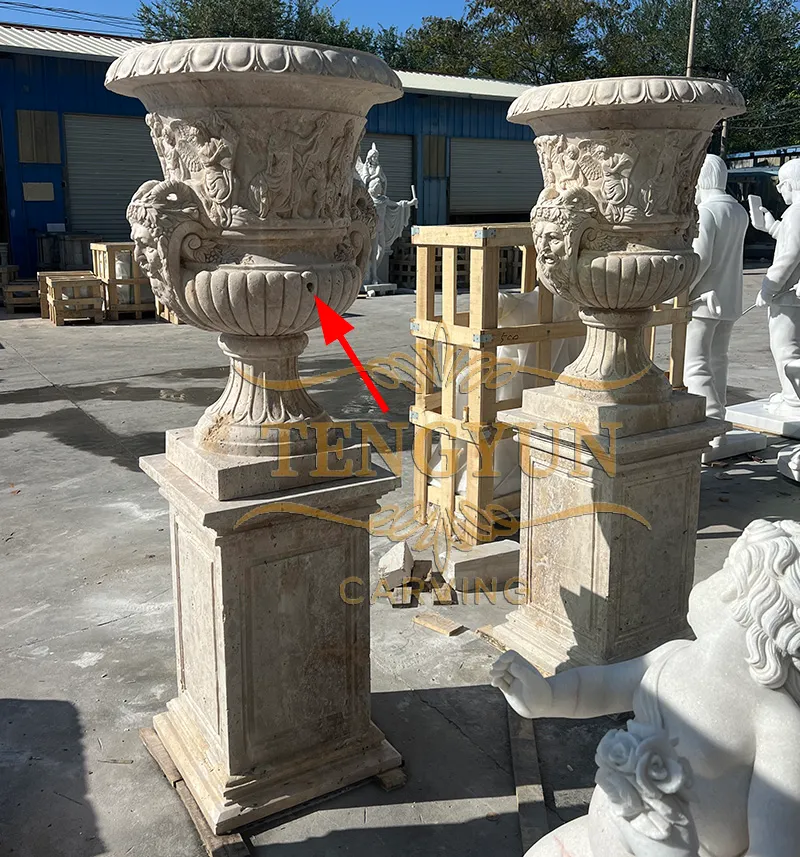 |
TENGYUN takes into account the stone characteristics of the flower pots and the climatic conditions of the installation site, designing drainage holes for the stone flower pots. We also customize the position of the drainage holes according to the requirements of the customers.
|
Weight and Installation Considerations
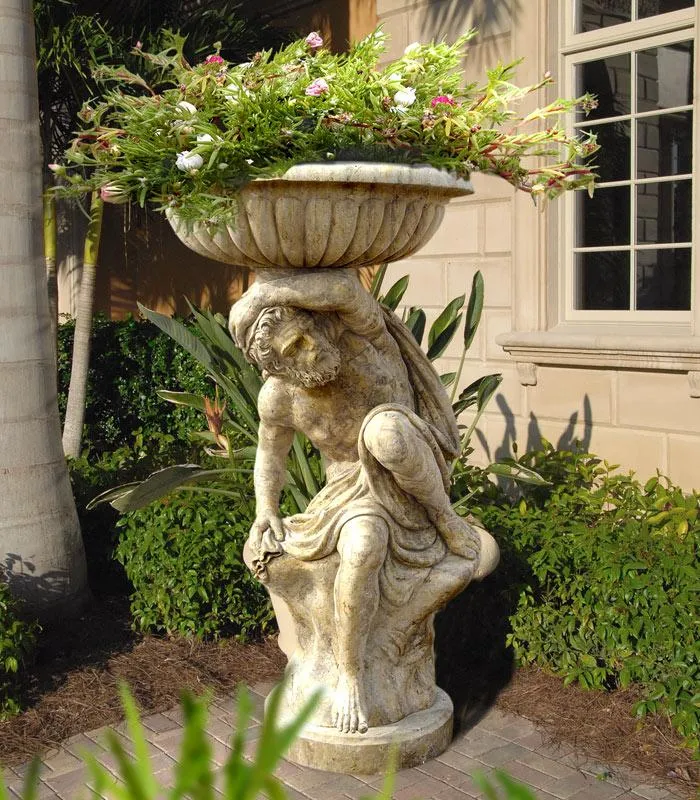
Stone planters are heavy by nature, and their weight affects logistics, installation methods, and structural load.
Before specifying a garden stone planter pot, designers should evaluate:
Access routes for delivery
Load-bearing capacity of terraces or rooftops
Need for lifting equipment during installation
A granite stone planter or large stone marble planter may require cranes or forklifts, which should be planned early in the project timeline to avoid delays or added costs.
Consistency and Batch Production in Large Projects
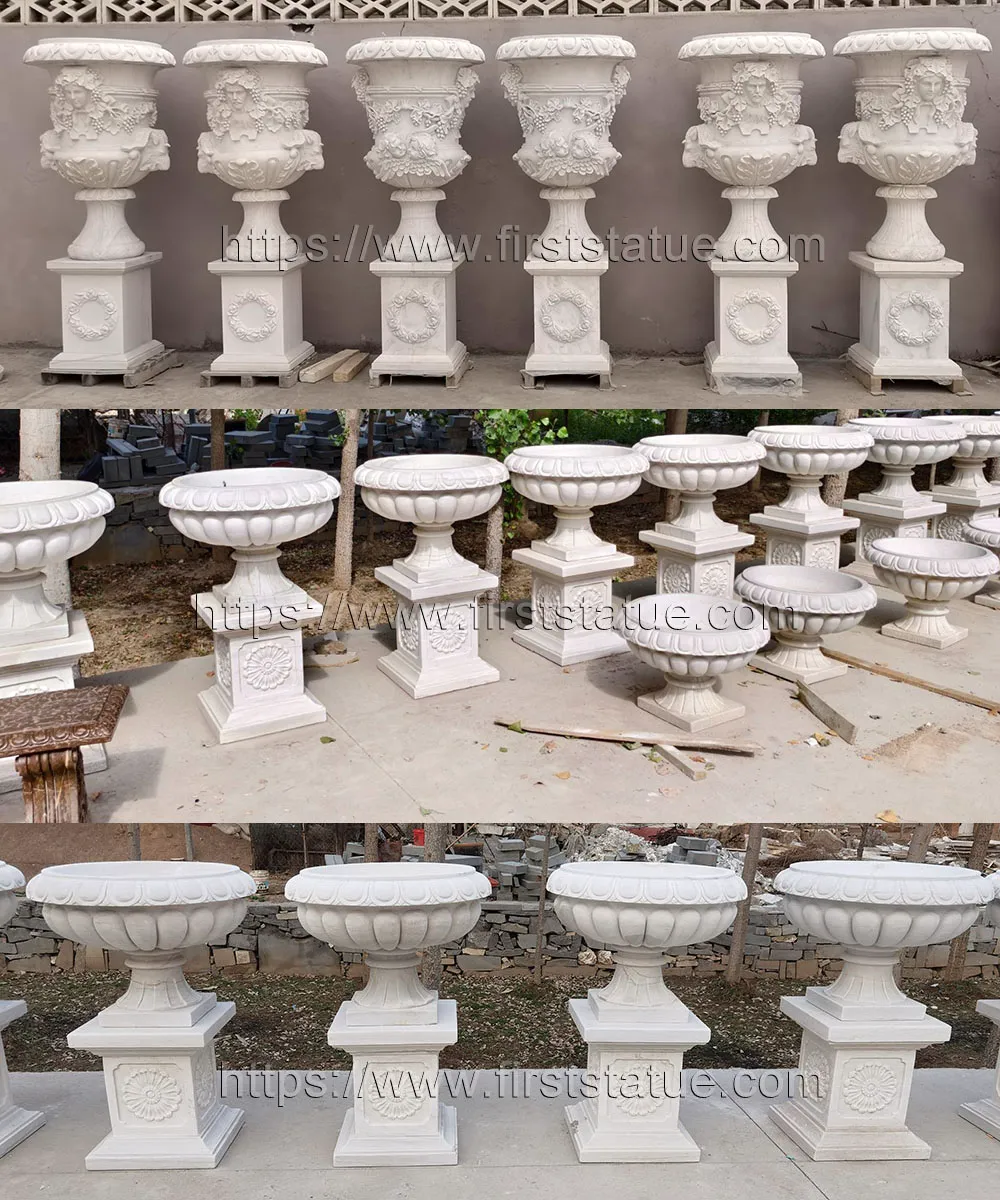
For projects requiring multiple planters, consistency is critical. Natural stone varies in color and texture, which can be either a design feature or a challenge.
Landscape designers should clarify:
Whether planters are cut from the same stone batch
Acceptable levels of color variation
Tolerance for size and carving differences
This is especially important when specifying a series of white stone planter or garden marble flower pot units intended to create symmetry or repetition.
TENGYUN selects premium Grade-A natural stone for all stone planter pots. Each piece is precisely laser-cut to ensure accurate dimensions, then meticulously hand-carved by master artisans with over 30 years of professional stone carving experience.
Long-Term Maintenance Expectations
Every stone material ages differently. Designers should align material choice with the client’s maintenance expectations.
General guidance:
Garden marble flower pot: high visual impact, moderate maintenance
White stone planter: modern look, regular cleaning
Granite stone planter: maximum durability, minimal upkeep
By setting realistic expectations early, designers help clients appreciate the natural aging process of stone rather than viewing it as a flaw.
-
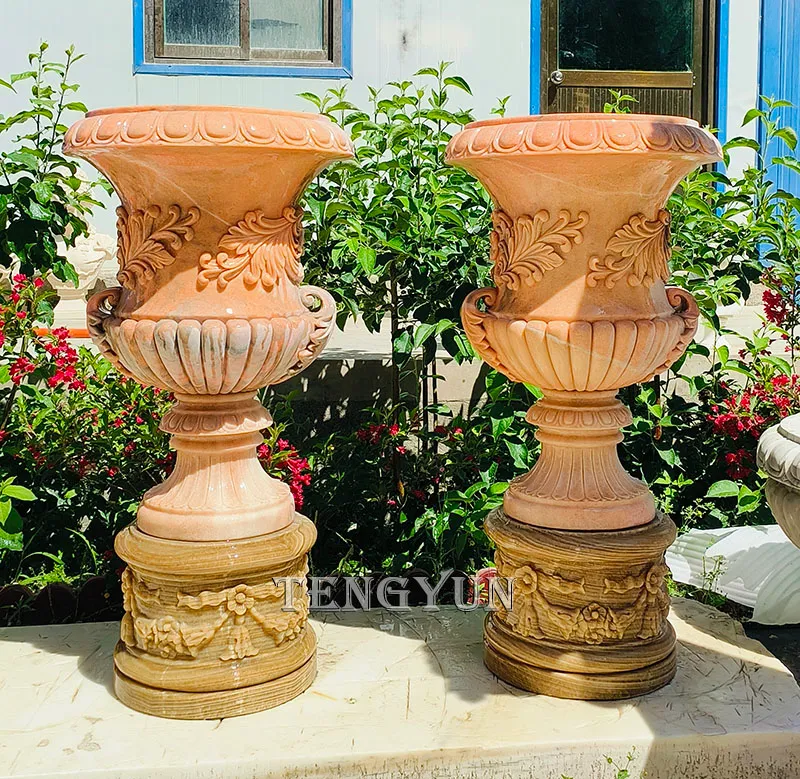
Marble flower pot
-
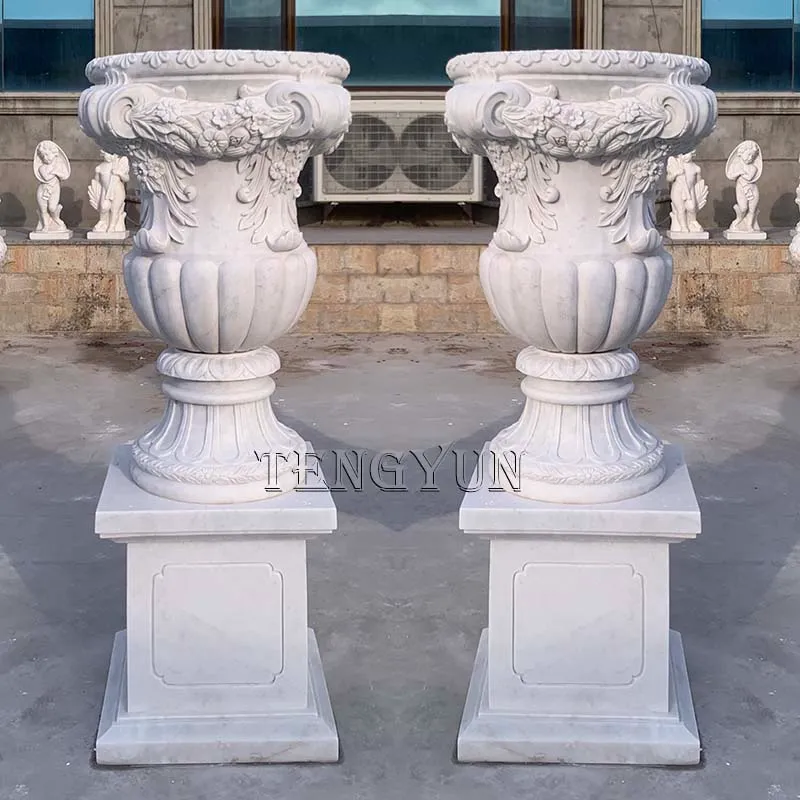
White stone planter
-
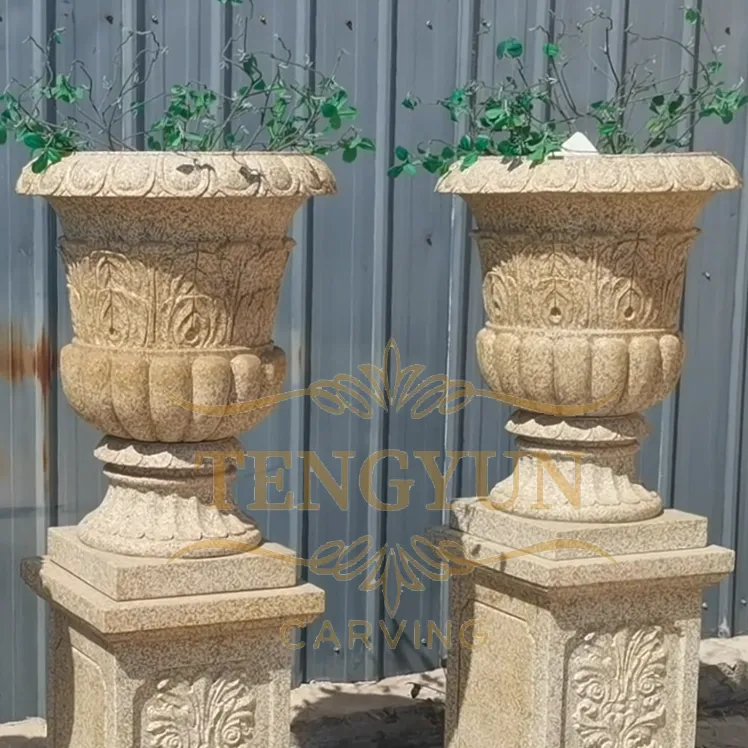
Granite stone planter
Conclusion: Informed Choices Lead to Better Landscape Results
For landscape designers or buyers, purchasing stone planters is a strategic decision that affects both aesthetics and long-term performance. Understanding size, material behavior, drainage, installation, and maintenance is essential before specifying a garden stone planter pot, white stone planter, garden marble flower pot, stone marble planter, or granite stone planter.
When these key details are considered early in the design process, stone planters become powerful tools—enhancing outdoor spaces with lasting beauty, functionality, and architectural value.
Established 35 years ago, Tengyun Carving Co., Ltd. has always been a strong and reliable partner for our clients. With solid technical support and decades of manufacturing expertise, we help customers select the most suitable stone planters for their projects.
Post time:jan . 07, 2026 16:06