Care and Maintenance for Your Garden Stone Pavilion: A Comprehensive Guide
Choosing a garden stone pavilion is an investment in timeless elegance and enduring quality. These magnificent structures transform outdoor spaces into sanctuaries of beauty and tranquility. To protect this investment and ensure your pavilion remains a stunning focal point for generations, a dedicated and informed maintenance regimen is essential. This comprehensive guide will provide you with the knowledge and practical steps needed to prolong the life, preserve the aesthetics, and safeguard the structural integrity of your stone pavilion, whether it is a classic garden design, an exquisite marble creation, or an intricately carved masterpiece.
The Cornerstone of Longevity: Establishing a Regular Cleaning Routine
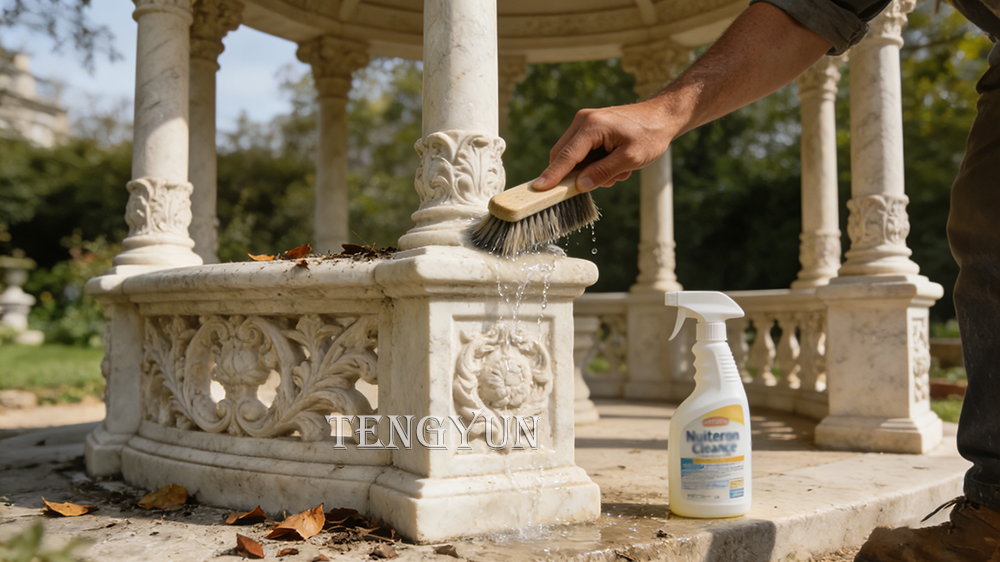
The single most important practice for maintaining any stone structure is consistent and proper cleaning. Regular cleaning prevents the accumulation of harmful substances that can degrade the stone over time. For your stone garden gazebo, this means establishing a simple cleaning routine of once or twice a month. Begin by gently removing loose debris such as leaves, twigs, and pollen using a soft-bristled broom or a leaf blower on its lowest setting. This prevents organic matter from decaying on the surface, which can lead to staining and promote moss or algae growth. For general cleaning, a rinse with a garden hose is often sufficient. When more thorough cleaning is needed, use only a mild, pH-neutral stone cleaner diluted in warm water. Apply the solution with a soft sponge or non-abrasive cloth, working in small sections. Crucially, always avoid acidic cleaners (vinegar, citrus-based products), alkaline cleaners (bleach, ammonia), and any abrasive pads or brushes. These agents can etch the stone's surface, dull its polish, and compromise any protective sealant. After washing, rinse the area thoroughly with clean water to remove all soap residue. Consistent, gentle cleaning is the foundation upon which all other preservation efforts are built.
The Shield Against the Elements: The Critical Importance of Professional Sealing
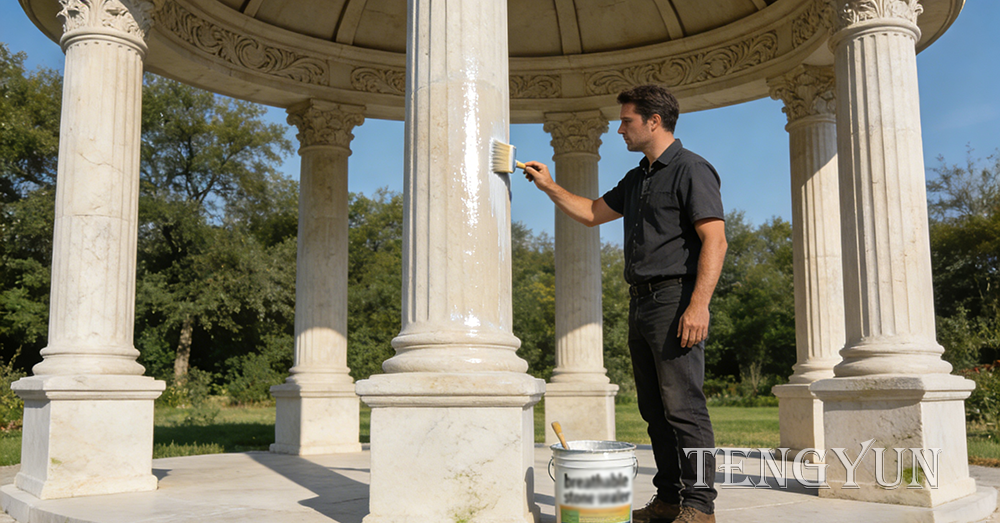
While cleaning addresses surface contaminants, sealing treatment provides an invisible shield that protects the stone from within. Natural stone, especially marble and limestone, is porous. This means it can absorb liquids, leading to deep-set stains, mineral deposits (efflorescence), and, in colder climates, internal cracking from freeze-thaw cycles. A high-quality penetrating sealant acts as a repellent, causing water and oil-based liquids to bead on the surface rather than soak in. For an outdoor marble rotunda, sealing is not optional—it is imperative. The frequency of resealing depends on the stone type, climate, and amount of exposure. As a general guideline:
-
Marble & Limestone: Reseal every 1-2 years.
-
Granite: Reseal every 2-3 years.
-
Travertine & Sandstone: Reseal every 1-2 years due to higher porosity.
A reputable marble pavilion factory will seal the structure before delivery and can provide the specific sealant brand and reapplication schedule. For best results, hire a professional to apply the sealant. They ensure even, complete coverage and can address any problem areas, guaranteeing maximum protection for your investment.
Vigilance Preserves Beauty: Conducting Professional Inspections and Repairs
Proactive care is far more effective and less costly than reactive repair. Schedule a bi-annual professional inspection of your pavilion, ideally in the spring and fall. During these inspections, pay close attention to the following:
-
Carved Details: On a carved garden pavilion, examine intricate areas for any signs of chipping, cracking, or erosion. Dirt can accumulate in fine grooves, so gentle cleaning here is vital.
-
Structural Joints: Check the points where columns meet the base and the roof. Look for hairline cracks or gaps that could allow water infiltration.
-
Surface Condition: Look for any new stains, discoloration, or areas where the stone appears to be "powdering" (a sign of weathering).
-
The Roof: If your pavilion has a roof, ensure it is clear of debris and that drainage systems are unblocked.
If any damage is found, timely repair is essential. A small hairline crack can quickly become a major structural issue if water enters and freezes. Contact a specialist in stone restoration immediately. They have the expertise and materials (such as stone epoxies and color-matching compounds) to perform repairs that are both structurally sound and aesthetically seamless, preserving the integrity and beauty of your pavilion.
Your maintenance strategy should adapt to the changing seasons to address specific environmental challenges.
-
Spring: After winter, perform a thorough cleaning to remove salt residue, dirt, and any mildew. This is the ideal time for your annual inspection and resealing if needed.
-
Summer: Focus on preventing organic growth. In shaded, damp areas of your natural stone gazebo, algae or moss may appear. Treat these with a commercial stone-safe biocide or a dilute solution of oxygen bleach. Rinse thoroughly.
-
Autumn: Be diligent about removing fallen leaves. Wet leaves left on stone can create tannin stains that are difficult to remove. Ensure gutters and drainage paths around the pavilion are clear.
-
Winter: Avoid using de-icing salts (rock salt, calcium chloride) on or near your pavilion. These salts are extremely corrosive and will accelerate spalling and surface deterioration. Use sand or kitty litter for traction instead. For an outdoor marble rotunda, a well-applied sealant before winter is its best defense against frost damage.
Preserving your pavilion also involves mindful use. Avoid dragging metal furniture across the floor, as this can cause deep scratches. Use felt pads under all furniture legs. Do not place hot grills or fire pits directly on the stone without a protective barrier, as thermal shock can cause cracking. When decorating, avoid using adhesives, nails, or screws that can mar the surface. For a carved garden pavilion, be especially cautious with decorations to avoid snagging and breaking delicate features.
Garden Stone Pavilion ხშირად დასმული კითხვები
What is the single most important maintenance task I can do myself?
Without a doubt, regular cleaning with the correct, gentle methods. Preventing dirt buildup and promptly addressing spills is the most effective daily practice to maintain the beauty of your stone gazebo for garden.
I bought a pavilion from a marble pavilion factory. Why do I need to reseal it if it came pre-sealed?
Factory-applied sealants provide excellent initial protection but are not permanent. Exposure to UV rays, weather, and foot traffic will degrade the sealant over time. Resealing treatment renews this protective barrier, which is essential for long-term preservation, especially for marble.
How can I safely remove a rust stain or a deep organic stain?
For persistent stains, professional inspection and treatment are recommended. However, for rust, you can try a poultice made from a commercial rust remover formulated for stone. For organic stains (leaves, berries), a poultice made of baking soda and water may help. Always test any treatment in an inconspicuous area first.
Can I install an outdoor heater or lighting in my stone pavilion?
Yes, but planning is key. Electrical work should be performed by a licensed electrician. For heaters, ensure there is ample clearance from any stone surface to prevent heat concentration. Consult with your marble pavilion factory or a landscape architect during the design phase for integrated solutions.
Is it normal for stone to change color over time?
Yes, a slight patina is natural and often desirable, adding character. This is most common with lighter-colored stones. However, drastic or uneven discoloration usually indicates a problem, such as water penetration, biological growth, or failing sealant, and warrants a professional inspection.
A garden stone pavilion, a graceful outdoor marble rotunda, or a bespoke carved garden pavilion is more than an architectural feature; it is the heart of your outdoor living space and a legacy for the future. The time and care you invest in its maintenance will be repaid a hundredfold in enduring beauty, structural soundness, and lasting value.
Do not leave the preservation of your masterpiece to chance. Begin your maintenance journey today. Review the care instructions provided by your marble pavilion factory, gather the proper cleaning supplies, and schedule your first professional inspection. By embracing these practices, you ensure that your stone pavilion will stand as a testament to elegance and craftsmanship, providing joy and sanctuary for you, your family, and generations to come. Protect your investment—nurture its beauty, and it will grace your garden forever.

Post time:იან . 20, 2026 15:50