From Block to Masterpiece: How Stone Figure Sculptures Are Made
Stone sculpture is one of the oldest and most respected art forms in human history. From ancient civilizations to modern architectural landscapes, stone figures have symbolized culture, belief, power, and beauty. A finely carved figure statue is not simply a decorative object; it represents a complex journey of craftsmanship, material science, and artistic vision. This article explores the full process of how a raw stone block is transformed into a finished stone figure statue, revealing the expertise behind professional workshops and a modern marble figure statue factory.
The Artistic Legacy of Stone Figures
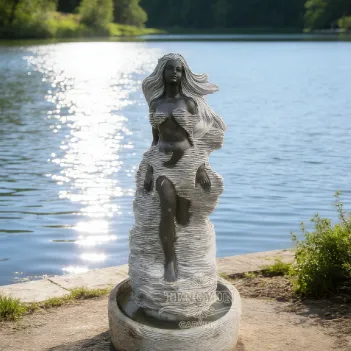
For thousands of years, stone figures have been used to depict gods, leaders, warriors, and everyday people. Unlike temporary materials, stone offers permanence. A well-made human sculpture carved from natural stone can survive centuries of weather, cultural change, and environmental exposure.
What makes stone unique is its balance between resistance and workability. While extremely durable, it still allows skilled artisans to carve delicate details such as facial expressions, muscle definition, and flowing garments. This combination is why stone remains the preferred medium for monumental and high-value figure statues today.
Step One: Selecting the Right Stone Block
Every figure statue begins with material selection. In a professional marble figure statue factory, raw stone blocks are carefully chosen based on density, grain structure, color consistency, and structural integrity. Cracks, excessive veining, or internal flaws can compromise both aesthetics and durability.
Different stones serve different purposes:
Marble is ideal for refined details and classical human sculpture
Limestone offers strength and architectural harmony
Travertine provides natural texture and warmth
For premium projects, a marble stone figures statue is often preferred because marble allows for precise carving and a smooth finish while maintaining long-term durability.
Step Two: Design and Proportion Planning
Before carving begins, artists create detailed drawings or digital 3D models. This planning stage is critical, especially for large-scale stone figure statue projects. Proportions, balance, posture, and perspective are carefully calculated to ensure realism and structural stability.
In modern workshops, digital scanning and CNC rough-shaping may be used to improve accuracy. However, technology never replaces artistic judgment. Even in a high-capacity marble figure statue factory, the final artistic decisions are made by experienced sculptors.
For human sculpture, anatomical accuracy is essential. The positioning of shoulders, hips, and limbs must follow natural human balance, particularly for freestanding outdoor statues.
Step Three: Rough Carving – Releasing the Form
Rough carving is the stage where the basic shape emerges from the stone block. Large tools and machinery remove excess material, gradually revealing the general posture and outline of the figure statue.
At this stage, the sculpture still looks unfinished and abstract. However, precision is already critical. Removing too much stone early can permanently damage the structure. This is why skilled professionals in a marble figure statue factory follow a disciplined step-by-step approach.
For large stone figures, internal stress points are considered carefully to ensure the statue can withstand its own weight and outdoor conditions.
Step Four: Detailed Hand Carving and Artistic Refinement
Once the rough form is complete, hand carving begins. This is where true artistry comes into play. Using chisels, rasps, and fine tools, sculptors define facial features, fingers, clothing folds, and muscle transitions.
This stage separates ordinary products from high-end marble stone figures statue works. Every surface is examined from multiple angles to ensure visual harmony. Light interaction, shadow depth, and texture consistency are refined to bring life into the stone.
For human sculpture, emotional expression is especially important. A slight change in eye depth or mouth curvature can dramatically affect the statue’s character.
Step Five: Surface Finishing and Texture Control
After detailing, the surface is finished according to the desired style. A stone figure statue may feature:
High polish for classical elegance
Matte finishes for historical authenticity
Textured surfaces for natural or architectural integration
In a professional marble figure statue factory, finishing techniques are customized based on stone type and project location. Outdoor stone figures often receive treatments that enhance weather resistance while preserving natural beauty.
For marble, polishing also enhances light reflection, giving the statue depth and softness—one of the key reasons marble remains a premium choice for figure statues.
Step Six: Quality Control and Structural Inspection
Before delivery, each figure statue undergoes strict quality checks. These include:
Surface consistency inspection
Structural stability evaluation
Proportion and symmetry verification
A reputable marble figure statue factory ensures that every stone figure statue meets both artistic and engineering standards. This is especially important for public installations and architectural projects where safety and longevity are essential.
Step Seven: Installation and Long-Term Performance
Proper installation is the final step in the life cycle of stone figures. The foundation, anchoring system, and orientation all affect how the statue performs over time. For large human sculpture projects, professional installation teams are often involved.
When correctly produced and installed, a marble stone figures statue or limestone figure can last for generations with minimal maintenance. Periodic cleaning and inspection are usually sufficient to preserve its appearance.
Why Stone Figure Statues Remain Timeless
In an age of mass production and synthetic materials, handcrafted stone figures stand apart. Each piece is unique, shaped by natural material and human skill. Whether displayed in gardens, museums, religious spaces, or urban landmarks, a figure statue made of stone carries weight, presence, and historical continuity.
The expertise found in a professional marble figure statue factory ensures that traditional craftsmanship is preserved while meeting modern design and engineering standards. From raw block to refined masterpiece, the creation of a stone figure statue is a testament to patience, skill, and artistic dedication.
Conclusion
The journey from quarry to finished sculpture is complex and demanding, but the result is enduring beauty. A well-crafted human sculpture tells a story not only through form but through material, technique, and time. Whether it is a classical marble stone figures statue or a monumental limestone figure, stone sculptures continue to define spaces and cultures across the world.
From block to masterpiece, stone figures remain one of humanity’s most powerful artistic achievements.
Post time:sij . 26, 2026 14:15